Takushoku University Recommendation Admissions: Requirements, Partner Schools, and FAQs
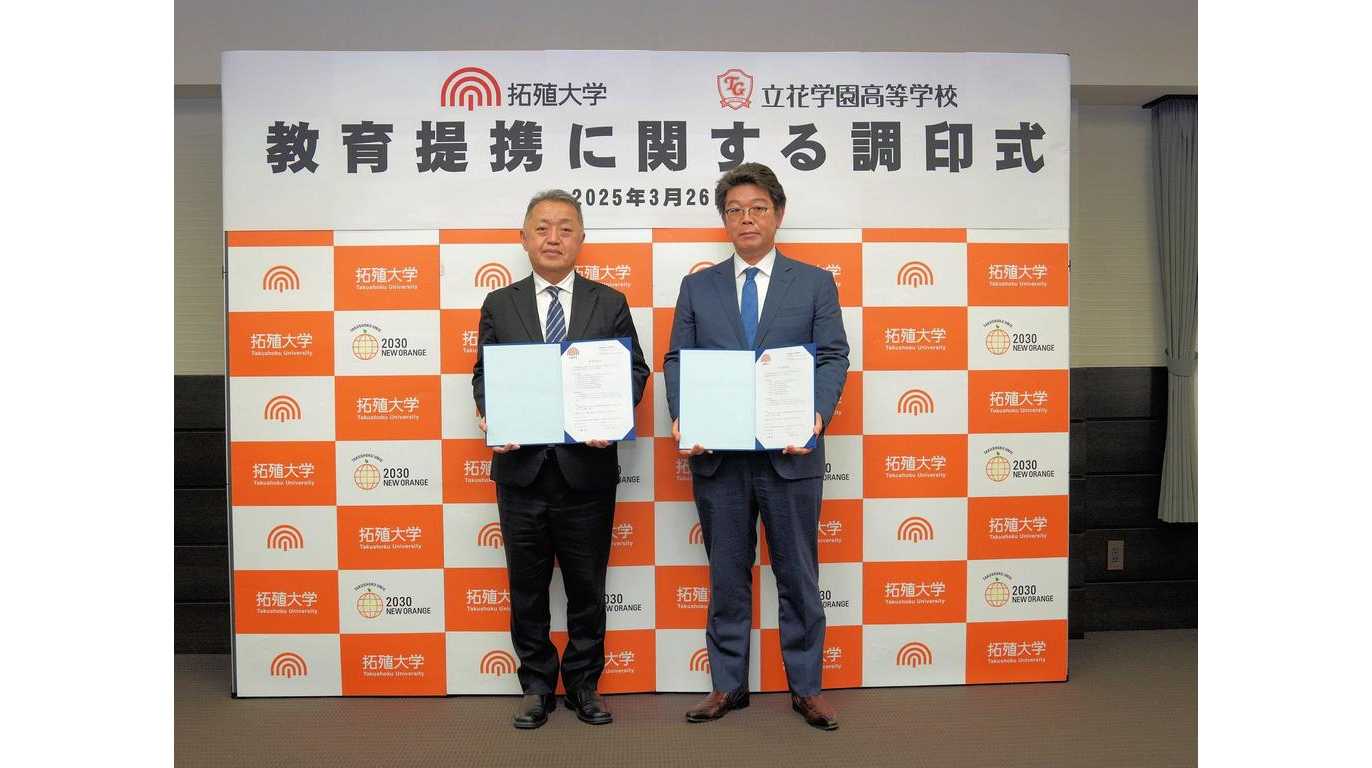
Admissions at Japanese private universities are undergoing a structural transformation, and Takushoku University is aggressively securing its talent pipeline before general entrance exams even take place. Through an escalating series of high school-university cooperation agreements, the university has integrated its undergraduate faculties with regional secondary schools. As documented in a [CNET Report](https://japan.cnet.com/release/31064931/) detailing its institutional ties, these formal educational pacts give selected partner schools exclusive quotas for direct enrollment, bypassing standard multi-subject academic examinations in favor of comprehensive high school performance.
For secondary students across the Kanto region, securing a Takushoku University designated school recommendation (known domestically as shiteikō suisen) offers a predictable pathway to higher education. Yet navigating this system requires a firm understanding of internal school recommendation quotas, academic baseline evaluations, and binding contractual commitments. With university leadership under President Shoichi Suzuki executing four major high school alliances between late 2024 and early 2026, the mechanics of this recruitment strategy have taken center stage in Tokyo's educational circuit.
📌 Key Takeaways:
- Strategic Expansion: Takushoku University formalizes bilateral pacts with key Kanto secondary institutions, guaranteeing annual admission quotas to designated partner schools.
- Academic Thresholds: Recommendation tracks hinge on three-year cumulative GPA evaluations, with most faculties requiring minimum GPA benchmarks between 3.0 and 3.5 on Japan's five-point scale.
- Strict Commitment: A designated school recommendation functions as a legally binding single-choice application; withdrawal after securing high school nomination is strictly prohibited across Japanese academia.
Demographic Pressures Reshape University Recruitment in Tokyo
Japan’s declining youth population has forced metropolitan universities to rethink traditional mid-winter entrance examinations. Rather than relying entirely on competitive general testing in February, private institutions increasingly fill their classrooms during autumn. School recommendation-based admissions now account for more than half of all undergraduate matriculations across the country's private university sector.
Takushoku University has responded by anchoring itself to stable feeder networks. By building formal pipelines with educational partner high schools, the institution secures motivated students early while cutting down attrition rates. High schools benefit equally from this relationship. Partner schools can offer their graduating seniors stable, low-stress routes to four-year degrees in central Tokyo, using these agreements as marketing points to attract prospective high school entrants.
This dynamic shifts the competitive pressure from a one-day national testing event to an endurance run across three academic years. Students are no longer evaluated solely on rote memorization tested on paper exams. Instead, high schools review daily attendance, term exam consistency, extracurricular engagement, and classroom conduct before selecting candidates to nominate for Takushoku's consideration.
The Network Expands: Pacts Across Tokyo and Kanagawa
Between late 2024 and early 2026, Takushoku University orchestrated a calculated wave of partnership signings at its historic Takushoku University Bunkyo Campus. These agreements do not merely offer vague promises of academic exchange. They establish structural pipelines that link high school curriculums directly with university faculty workshops, guest lectures, and designated admission slots.
The campaign began in earnest with the Showa Daiichi High School partnership, formalized during a signing ceremony on December 17, 2024. Located in Tokyo's Bunkyo ward, Showa Daiichi's geographic proximity to the university established an immediate local pipeline. Building on that momentum, the university signed a formal pact with Kanagawa-based Tachibana Gakuen High School on March 26, 2025, widening the university's recruitment net into neighboring prefectures.
That momentum accelerated into early 2026. On February 19, 2026, President Shoichi Suzuki signed the Musashino High School alliance alongside Principal Eiji Nishikubo. Weeks later, on March 11, 2026, Suzuki concluded the Honan High School education agreement with Principal Toshio Tsujimoto. These successive compacts illustrate how private institutions build localized security buffers against national demographic declines.
Timeline and Structure of Recent High School Alliances
The operational framework of high school-university cooperation agreements establishes two-way academic traffic. Takushoku faculty dispatch professors to conduct university-level introductory lectures at the secondary schools, while high schoolers gain early access to campus libraries, international seminars, and research facilities. Below is the operational record of partnerships formalized under this initiative.
| Partner High School | Location | Signing Date | Signatories & Context |
|---|---|---|---|
| Showa Daiichi High School | Bunkyo Ward, Tokyo | December 17, 2024 | Ceremony held at Bunkyo Campus; established joint curriculum models. |
| Tachibana Gakuen High School | Yokohama, Kanagawa | March 26, 2025 | Extended regional recruitment to Kanagawa Prefecture secondary graduates. |
| Musashino High School | Kita Ward, Tokyo | February 19, 2026 | Signed by President Shoichi Suzuki and Principal Eiji Nishikubo. |
| Honan High School | Toshima Ward, Tokyo | March 11, 2026 | Signed by President Shoichi Suzuki and Principal Toshio Tsujimoto. |
These alliances form a perimeter across northern and eastern Tokyo. For high schools, having a secure agreement with an established four-year university improves institutional prestige during secondary-school recruitment fairs.
Faculty Quotas and Academic Benchmarks
Gaining entry through a designated school recommendation requires clearing specific scholastic hurdles. The university does not release blanket quotas to the general public; instead, each designated high school receives a confidential document every summer outlining how many student slots are allocated per department, along with the necessary minimum GPA benchmarks (hyōtei heikin).
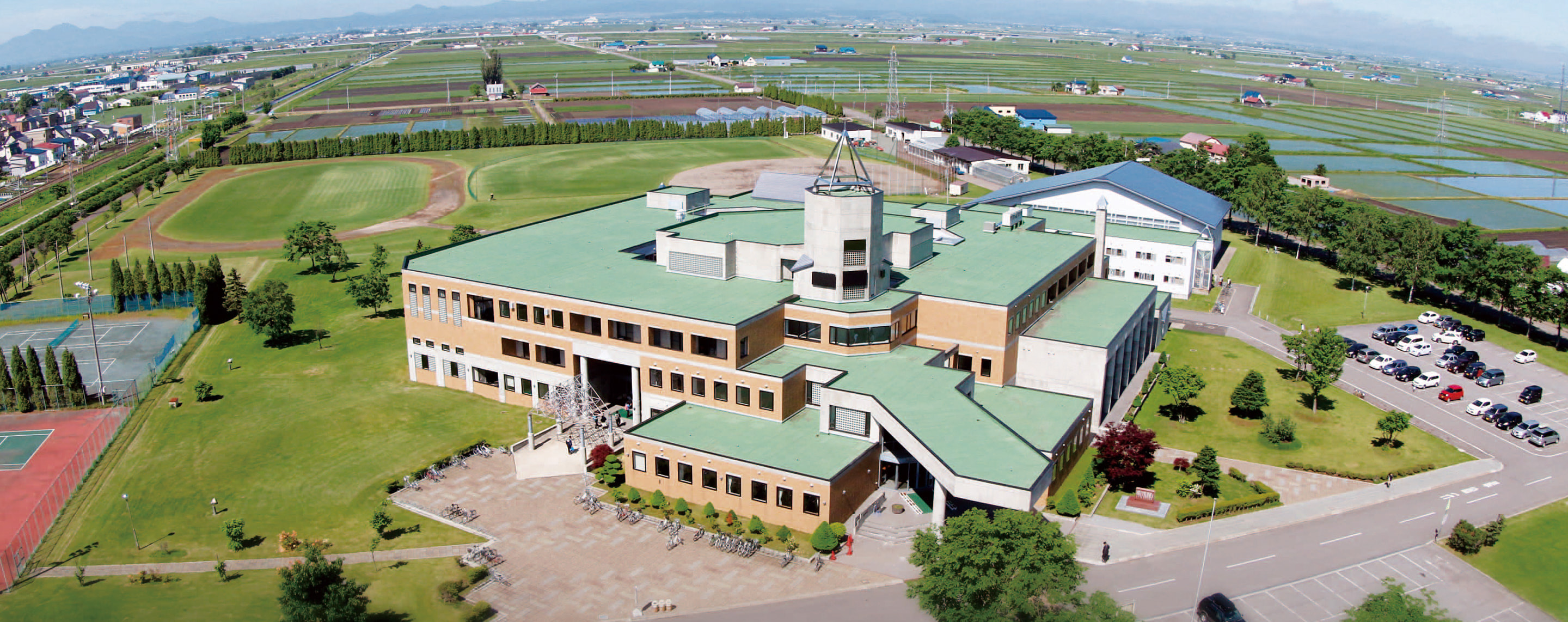
Takushoku divides its degree programs across two distinct campuses. The downtown Bunkyo Campus houses the Faculty of Commerce and the Faculty of Political Science and Economics. The suburban Hachioji Campus accommodates the Faculty of International Studies, the Faculty of Foreign Languages, and the Faculty of Engineering. Academic thresholds vary sharply between these disciplines.
The Faculty of Commerce generally demands a cumulative grade point average of 3.2 to 3.4, alongside acceptable attendance records typically capped at no more than 10 to 15 unexplained absences across high school. The Faculty of International Studies, recognized for its global exchange programs and language immersions, often enforces a benchmark around 3.3 to 3.5, frequently pairing the metric with minimum standardized English proficiency scores, such as EIKEN Grade Pre-2 or 2. Engineering programs, while maintaining similar GPA baselines, explicitly review high school transcripts for foundational mathematics and physics coursework.
The Screening Gauntlet: Essays, Interviews, and Internal Selection
The true bottleneck of the designated school process takes place within the high school itself. Because a high school typically receives only one to three allocated slots per university department, students compete fiercely against their own classmates during July and September internal selection rounds.
Once a student wins their high school's official nomination, the university-level evaluation begins in late autumn. Unlike open comprehensive selection tracks (formerly AO exams) where acceptance rates can dip below 40%, the university pass rate for a designated school nominee approaches 99%. Rejection occurs almost exclusively in instances of severe disciplinary infractions, gross misrepresentation on application forms, or total failure to participate in the screening process.
Even with high acceptance rates, applicants must complete the admissions screening interview and essay with seriousness. The written essay typically requires 600 to 800 Japanese characters addressing career ambitions, current geopolitical affairs, or reasons for choosing the specific academic department. During the individual interview, evaluators probe the student’s grasp of the department's curriculum, language learning ambitions, and extracurricular activities. Mumbling through unprepared answers or showing clear ignorance of the faculty syllabus risks offending the evaluation panel, potentially damaging the relationship between the university and the applicant's high school.
Who Benefits Most From the Designated Track
The designated school pathway solves distinct problems for specific profiles, but it carries rigid operational liabilities that do not suit every applicant. Weighing these tradeoffs determines whether the pathway provides an advantage or an academic straightjacket.
Ideal Candidates:
- Students with steady three-year academic records who experience extreme test anxiety during high-stakes competitive examinations.
- Applicants fully determined to study at Takushoku's specific departments, particularly the international business and regional development tracks.
- Families seeking to eliminate the mounting financial stress of winter application fees, which frequently exceed 300,000 yen across multiple test attempts.
Profiles That Should Avoid This Route:
- Ambitious test-takers aiming for higher-tier national or private universities who wish to keep their options open through February.
- Students uncertain about their academic focus, as transferring between departments after admission via recommendation is heavily restricted.
- Individuals with volatile attendance records, as secondary schools routinely discard candidates exceeding baseline absence ceilings regardless of their test scores.
Frequently Asked Questions (FAQ)
Q1: Can an applicant reject a Takushoku University offer after winning a designated school nomination?
A1: No. Designated school recommendation is an exclusive single-choice contract (sengan). Backing out after nomination damages the secondary school's institutional trust and often results in the university revoking all designated quotas for that high school in subsequent years.
Q2: How do high schoolers find out if their school has a Takushoku partnership?
A2: Quota allocations are not published publicly on university websites. High school students must consult their internal career guidance counseling office (shinro-shidō-shitsu) between June and July to review the official quota list distributed to their school.
Q3: Does Takushoku University interview designated applicants in English for International Studies?
A3: While basic conversational English questions may appear during interviews for the Faculty of International Studies, the core interview is conducted primarily in Japanese to verify academic intentions and general logic.
Strategic Considerations for the 2026, 2027 Admissions Cycle
Takushoku University's coordinated pacts with Showa Daiichi, Tachibana Gakuen, Musashino, and Honan High Schools signal a permanent pivot in institutional enrollment strategy. As urban private universities consolidate their regional footholds, secondary students who curate their academic portfolios consistently over three years retain a clear advantage over those banking entirely on late-stage exam preparation.
Securing a designated school recommendation eliminates the uncertainty of general testing, delivering university admission by December of senior year. Success on this route relies on early diligence: keeping absences near zero, maintaining cumulative averages comfortably above 3.3, and actively building credentials that align with Takushoku's international and commercial curriculums.
