The 3-Minute Daily Habit: Expert Cleaning Trends Reshaping Modern Toilet Care Routines
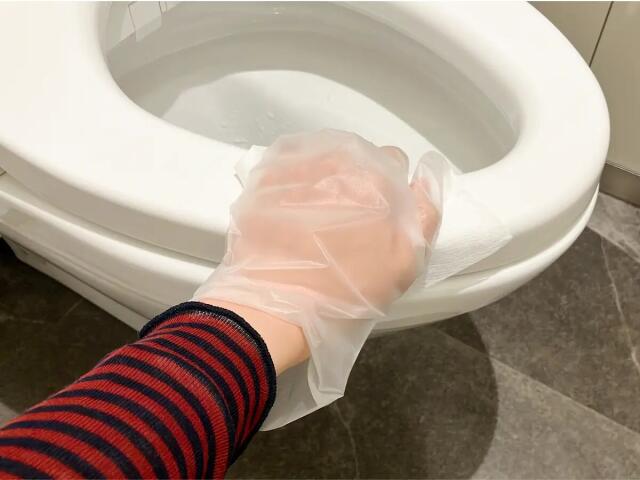
Homeowners frequently reach for potent synthetic bleaches and aerosol sprays when confronting persistent bathroom scents, yet the sharp stench often returns within hours. As detailed in an ESSEonline(エッセ オンライン) on MSN Report, professional organizers and home care educators like Hiroe Motohashi argue that the traditional weekend scrub-down is an inefficient, exhausting exercise. Instead of letting grime solidify into calcified deposits, a fast, daily maintenance routine built on targeted natural chemistry dissolves mineral accumulations before they ever bond to surfaces.
The movement away from crowded cleaning cabinets filled with specialized chemical bottles is gaining traction worldwide. Household managers are discovering that a single organic compound, citric acid, solves the twin challenges of alkaline mineral rings and lingering uric acid odor. Rather than spending half an hour scrubbing hardened crusts, applying a micro-habit model keeps facilities spotless in a fraction of the time.
📌 Key Takeaways:
- The Root Cause: Urine scale is an alkaline crystal formed by calcium ions bonding with uric acid, rendering neutral detergents and basic chlorine bleaches chemically ineffective against it.
- The Practical Routine: Natural cleaning authority Hiroe Motohashi advocates a daily 3 minute toilet cleaning routine focused on high-frequency contact points rather than waiting for deposits to harden.
- The Overlooked Vector: Professional cleaning services like Kajitaku note that airborne odor stems primarily from microscopic splash on baseboards, flooring joints, and seat hinge seams rather than the porcelain bowl itself.
The Chemistry of Urine Scale and Phantom Bathroom Odors
The stubborn crust along the waterline and beneath the toilet bowl rim is not standard dirt. Known scientifically as calcium phosphate and calcium oxalate crystals, toilet urine scale forms when alkaline components in stagnant water mix with uric acid and urea. Over time, bacteria decompose urea into ammonia, creating that unmistakable, sharp restroom odor. Because these crystalline structures are alkaline, ordinary alkaline soaps and chlorine bleach cannot dissolve them. Bleach simply sanitizes the surface and strips color, leaving behind an invisible, rough mineral skeleton that rapidly attracts fresh organic matter.
Effective uric acid odor elimination requires an acid to drive a chemical reaction known as neutralization. Citric acid (C₆H₈O₇), a tricarboxylic organic acid found naturally in citrus fruits, supplies hydrogen ions that break apart calcium bonds. When citric acid contacts calcium carbonate or calcium phosphate, it converts stubborn, insoluble scale into water-soluble calcium citrate. The mineral deposits dissolve effortlessly into liquid, eliminating both the yellow discoloration and the porous bacterial shelter underneath.
Commercial cleaning aisles often overwhelm consumers with dozens of brightly colored plastic jugs. Japanese home organizers have spent recent years demonstrating that five basic substances can manage an entire residence. Among these, citric acid acts as the ultimate eco-friendly toilet descaler, performing with surgical precision against scale without emitting the toxic chloramine fumes associated with mixing conventional household cleaners.
The Professional 3-Minute Daily Natural Cleaning Workflow
The core insight shared by professional housekeepers is that frequency beats intensity. When mineral scale sits undisturbed for weeks, it forms a rock-like composite that demands physical scraping. By contrast, a micro-dose of organic acid applied daily takes under 180 seconds and prevents crystallization entirely.
In her published household guidance, lecturer Hiroe Motohashi outlines a rapid sequence executed right after regular bathroom use. The process requires only a microfiber cloth and a dedicated spray bottle.
The workflow proceeds in three fluid motions:
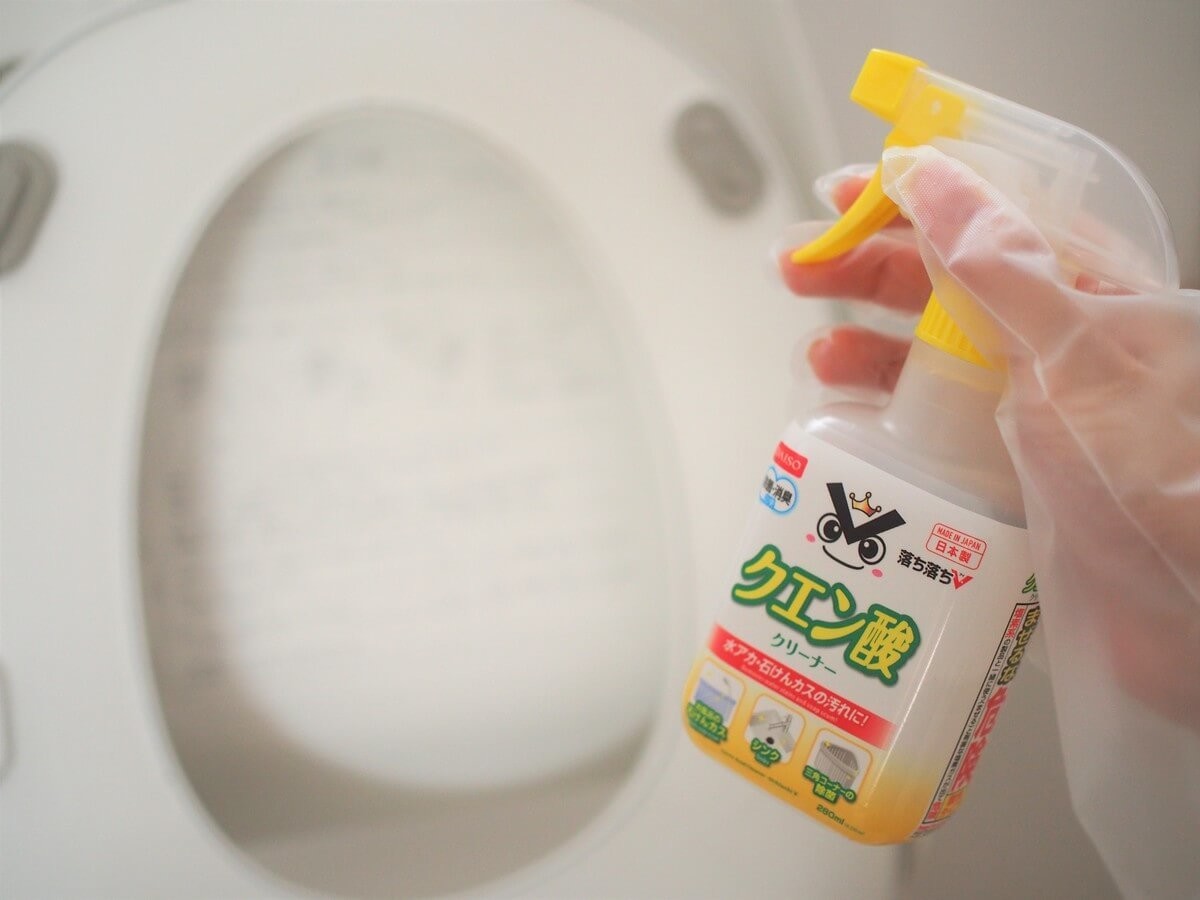
- Minute 1: The Bowl Mist. Spritz the interior ceramic rim and the waterline with a light mist of prepared citric acid spray. Give special attention to the underside of the lip where water jets exit. Leave the mist to sit while attending to exterior surfaces.
- Minute 2: The Contact Zones. Lightly spray a folded microfiber cloth with the solution. Wipe down the flush lever, the seat lid, the top of the toilet seat, and the rim of the bowl. Moving from top to bottom prevents cross-contamination across hygienic tiers.
- Minute 3: The Rapid Swab and Flush. Take a soft silicone or fiber toilet brush, run it around the waterline and under the rim to dislodge any loosened minerals, close the lid, and flush. Wipe the exterior base and floor perimeter with the cloth, and the cycle is complete.
Committing to this sequence daily preserves porcelain glaze. Hard abrasive pads scratch the glossy protective layer of modern ceramic fixtures, creating microscopic trenches where future scale anchors itself. Chemical dissolution completely bypasses the need for abrasive scrubbing.
Mastering the Citric Acid Spray Ratio and Pack Technique
Precision matters when formulating natural cleaning solutions. Too weak a concentration fails to break down hard water minerals; too strong a mixture leaves a powdery white residue upon drying. The standard citric acid spray ratio tested by sanitation professionals is a 2% to 5% solution.
To produce a balanced everyday spray bottle, dissolve 1 teaspoon (approx. 5 grams) of food-grade anhydrous citric acid powder into 200 milliliters of lukewarm tap water. Shake until the crystals vanish completely. Because citric acid lacks chemical preservatives, blend only what your household will use within two to three weeks to avoid ambient mold spores settling in the liquid.
When dealing with neglected fixtures sporting a visible yellow ring or thick calcium ridges under the rim, standard spraying runs down too quickly. This is where the citric acid pack technique delivers extraordinary results. Soak strips of toilet paper or unbleached paper towels in a 5% citric acid solution. Press the saturated paper directly onto the calcified porcelain, molding it against the curves like a paper-mâché cast.
Covering the damp paper with plastic wrap locks in moisture and prevents premature evaporation. Allow the pack to rest undisturbed for 20 to 60 minutes. The sustained contact time acts as a continuous hard water stain dissolver, gently liquifying mineral matrices. Once the wrap is stripped away, the calcified buildup slides off with a standard sponge, functioning as a non-toxic toilet bowl yellow ring remover.
Chemical Profile Breakdown: Comparing Natural Descaling Agents
Selecting the correct cleaning agent requires understanding the pH scale. Many homeowners combine ingredients indiscriminately, blunting their efficacy through accidental neutralization.
| Cleaning Agent | Chemical Nature (pH) | Target Bathroom Soil | Primary Action Mechanism | Material Safety Profile |
|---|---|---|---|---|
| Citric Acid | Mild Acidic (pH ~2.2) | Urine scale, water rings, calcium crusts | Chelates calcium; neutralizes ammonia | Safe on porcelain; damages natural marble |
| Baking Soda (Sodium Bicarb.) | Mild Alkaline (pH ~8.3) | Body oils, greasy hand smudges, light scouring | Mild mechanical abrasion; saponifies sebum | Safe across most bathroom surfaces |
| Chlorine Bleach | Strong Alkaline (pH ~11, 13) | Black mold, microbial bacteria, staining | Oxidizes cellular proteins and pigments | Corrosive; releases toxic gas with acids |
| Hydrochloric Acid | Strong Acidic (pH | Severe, petrified multi-year scale | Aggressive chemical dissolution | Eats pipe metals; degrades glaze; caustic |
A widespread internet trend involves mixing baking soda and citric acid together in the toilet bowl to watch them fizz. The vigorous bubbling looks satisfying, but the chemistry defeats itself. Sodium bicarbonate neutralizes the acid, leaving behind sodium citrate, water, and carbon dioxide gas. While the bubbling provides slight mechanical lift for loose dust, it renders the acid unable to dissolve mineral deposits. When managing bathroom hygiene, apply the baking soda vs citric acid rule: use baking soda alone for greasy fingerprint removal on switches and door plates, but reserve citric acid exclusively for toilet urine scale removal.
Targeting Hidden Splatter: Baseboards, Hinges, and the Gap Deep Clean
When a toilet bowl gleams yet the room smells foul, the bowl is rarely the culprit. Data from domestic cleaning firm Kajitaku indicates that invisible urine micro-splatter travels up to 3 feet (around 1 meter) from the bowl during flushing and standing use. This splatter quietly coats adjacent walls, baseboards, floor grout, and the recessed gap where the porcelain throne anchors into the subfloor.
Uric acid seeps into the wood fibers of trim and the silicone caulking between tiles. Regular floor mops just drag these compounds around, reacting with alkaline soaps to amplify the smell. Resolving this requires focused baseboard urine splash cleaning. Mist your citric acid spray directly onto a rag and run it across the baseboard joints flanking the fixture. The acid immediately neutralizes the dried volatile amines that generate foul odors.
The second blind spot is the junction beneath the electronic bidet or seat mounting bracket. Modern Japanese-style toilets feature quick-release buttons that slide the entire upper assembly forward. Unlatching this reveals an accumulation zone where liquid collects unseen.
For a thorough toilet gap deep clean:
- Unclip the seat assembly once a month.
- Spray the exposed plastic mounting plate and porcelain holes with a 2% citric acid mixture.
- Scrub the crevices using an old toothbrush wrapped in a thin damp cloth.
- Dry the channel completely before locking the seat back into position.
Professional organizers frequently apply Japanese washi masking tape along the seam between the toilet base and the floor tiles. The porous tape captures errant droplets before they bleed into the floor seam. Replacing this strip once a month takes under thirty seconds and keeps the floor completely free of embedded odors.
Material Safety: Surfaces That Cannot Tolerate Acidic Cleaners
While citric acid is an exceptional natural bathroom odor neutralizer, its acidic character means it cannot be applied universally without caution. Porous stone materials react destructively to acid contact. Natural marble, travertine, limestone, and granite contain abundant calcium carbonate. Spraying citric acid on these surfaces causes instantaneous chemical etching, stripping away their high-gloss finish and leaving behind a dull, chalky patch that requires diamond-pad resurfacing to fix.
Metal plating presents another material risk. While stainless steel easily tolerates mild citric acid mixtures, unlacquered brass, copper, and cheap chrome-plated plastic trims on older flush levers will pit and tarnish under prolonged acid exposure. Never apply the citric acid pack technique to metal fixtures. If mist inadvertently lands on metal faucets or decorative accents, wipe it clean immediately with water.
Finally, respect foundational chemical safety guidelines. Never mix citric acid with chlorine bleach products or commercial mold removers containing sodium hypochlorite. Acidifying bleach triggers an instantaneous release of toxic chlorine gas, which can cause severe respiratory damage even in small concentrations.
Frequently Asked Questions (FAQ)
Q1: How often should I mix a fresh batch of citric acid spray?
A1: Because homemade solutions contain water without artificial chemical preservatives, mix fresh bottles every 2 to 3 weeks. Storing the spray bottle away from direct sunlight preserves its potency and prevents environmental mold contamination.
Q2: Can citric acid damage the septic tank or internal plumbing seals?
A2: No. When diluted at recommended 2% to 5% concentrations, citric acid is completely biodegradable and safe for septic tanks. It will not damage rubber flush valves, silicone gaskets, or PVC drainage pipes.
Q3: Why did my toilet develop white chalky residue after cleaning with citric acid?
A3: White streaks indicate either that your solution was mixed too strong or that it was not wiped away with clear water. If you let an acid solution dry on ceramic without a final rinse or wipe, evaporated water leaves dry citric acid salt crystals behind. Wipe the surface with a damp cloth to clear the residue.
Sustainable Bathroom Maintenance Beyond Single-Use Plastics
The contemporary shift in domestic upkeep emphasizes simple chemistry and intentional habits over harsh industrial solvents. Relying on an army of specialized, single-use plastic chemical sprays creates storage clutter, drives unnecessary manufacturing waste, and frequently fails to treat the fundamental chemistry of bathroom soils.
Transitioning to an elemental compound like citric acid delivers complete control over your home environment. By dedicating three uninterrupted minutes each day to target high-risk splatter points and the porcelain waterline, you interrupt the mineral crystallization cycle before it solidifies. The bathroom stays genuinely sanitary, indoor air quality remains uncompromised by synthetic perfumes, and the dreaded chore of weekend deep cleaning becomes entirely unnecessary.
