The Cold-Pan Secret Behind the #1 Chicken Soboro Recipe Taking Over Home Kitchens
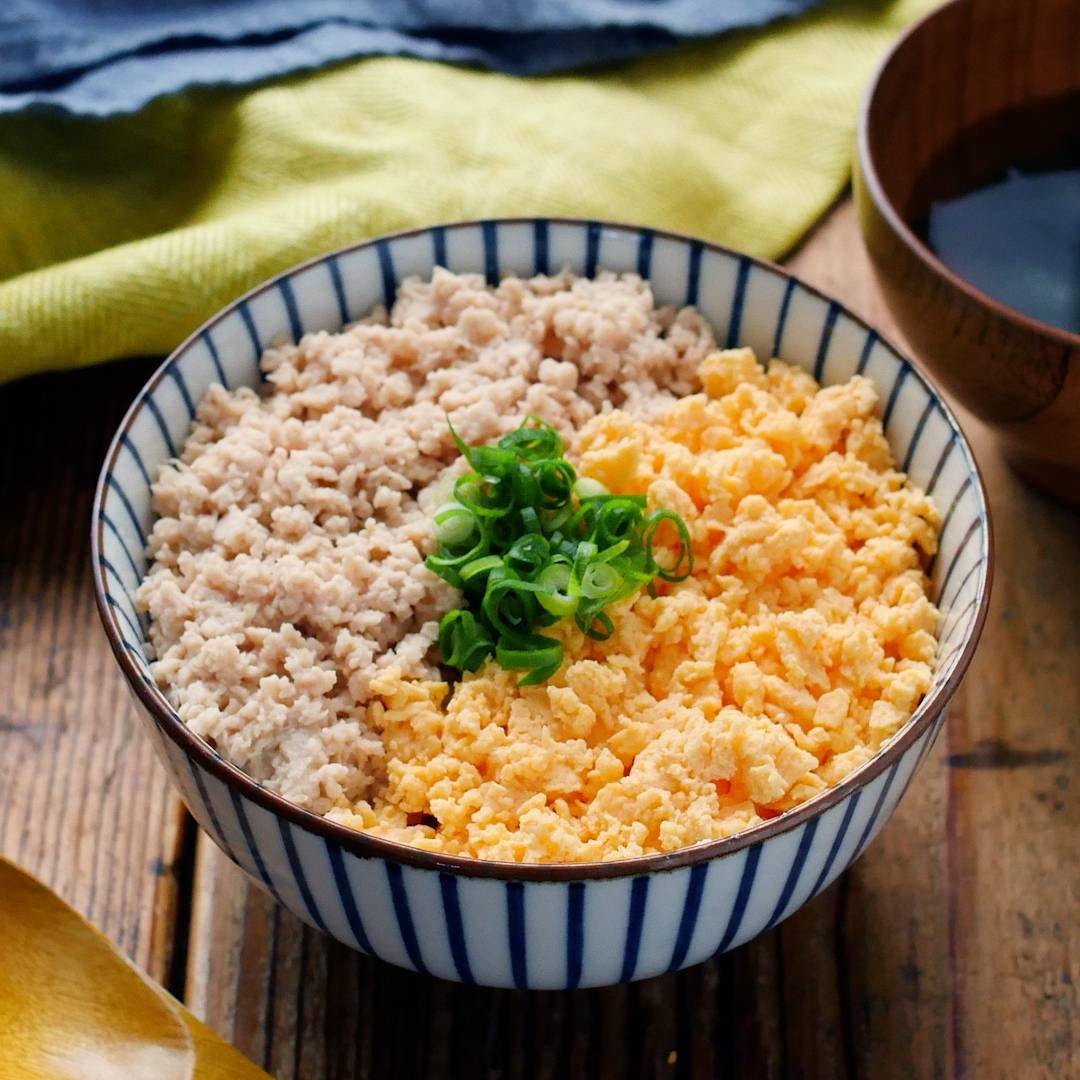
Most Western cooks learn a singular, uncompromising rule for ground poultry: heat the skillet until the oil shimmers, drop the meat, and sear aggressively to coax flavor from the Maillard reaction. In Japan's home kitchens, the country's most celebrated chicken preparation violates that foundational dogma completely. The recipe ranking number one across Japanese culinary platforms instructs cooks to do something that feels fundamentally wrong: dump raw ground meat into a cold pan, drown it in liquid seasonings, stir it into a pale slurry, and only then ignite the flame.
The result of this inverted technique is tori soboro, the finely textured, glistening meat crumble that anchors the classic Japanese comfort food repertoire. As detailed in seasonal weekday menu reporting by the elthaエルザ Report, chicken soboro serves as the nutritional anchor of traditional multi-dish set meals, paired alongside blanched spinach shiraae and seasonal miso soup. Yet beneath its unpretentious appearance lies a precise piece of domestic food science that turns lean, notoriously dry poultry into succulent micro-bites.
📌 Key Takeaways:
- The Cold-Pan Mechanism: Mixing raw minced meat with cold liquids before applying heat dissolves surface proteins, eliminating the hard, chalky pebble texture common to seared poultry.
- The Verified Standard: National culinary coverage by Mainichi Shimbun documented over 2,000 verified home cooks praising the seasoning-first technique for flawless bento box meal prep.
- The Tool Dynamic: Stirring the mixture continuously with four wooden chopsticks as it simmers creates a uniform, silky crumble impossible to achieve with a flat spatula.
The Counterintuitive Physics of Skipping the Sizzle
Drop minced chicken into hot oil, and the muscle fibers seize immediately. Water rapidly expels from the contracting cellular walls, leaving behind dense, rubbery clusters surrounded by pockets of scorched grease. Chicken breast mince suffers the worst fate, drying out within ninety seconds.
The cold pan mixing technique alters this thermodynamic curve. When soy sauce, mirin, sake, and grated ginger make contact with raw ground meat at room temperature, the sodium and liquid work into the exterior myofibrillar proteins before heat can denature them. The meat fibers relax rather than contract. As you stir the cold slurry, the seasoned liquid coats every minuscule fragment of chicken, suspending it in a fluid emulsion.
When the burner turns to medium-low, the liquid heats uniformly alongside the meat. Instead of frying in hot fat, the mince poaches gently in a sweet savory soy glaze. The internal juices stay trapped inside each tiny grain. The end product carries zero chewiness or gristle; it feels tender, cohesive, and remarkably moist across the palate.
Deconstructing the Formula: Why 2,000 Home Cooks Adopted the Cold Start
In April 2026, Japan's legacy news outlet Mainichi Shimbun analyzed why a specific home-kitchen protocol rose to the uncontested top spot among everyday cooks, cataloging praise from more than 2,000 verified home practitioners. The consensus centered on absolute repeatability. Cooks who had spent years fighting dry, clumpy mince discovered that the "seasoning-first" (choumiryou saki-ire) approach eliminated human error entirely.
The core framework relies on a precise architectural balance between four pantry staples:
- Ground Chicken (200g, 250g): Thigh mince yields the juiciest bite, though a 50/50 mix of breast and thigh functions seamlessly under this method.
- Soy Sauce (2 tablespoons): Provides depth, umami, and the salt needed to tenderize the muscle fibers before cooking.
- Mirin and Sake Ratio (2 tablespoons each): The equal 1:1 balance of sweet glutinous rice wine and dry brewing sake suppresses poultry odors while lending natural sheen.
- Granulated Sugar (1 to 1.5 tablespoons): Regulates the glaze's viscosity and balances the sharp soy edges.
- Grated Fresh Ginger (1 teaspoon): Supplies aromatic sharpness and tenderizing proteolytic enzymes.
Home cooks do not use cooking oil. The gentle natural fats within the poultry suffice, keeping the dish light and eliminating the congealed grease film that ruins refrigerated food.
Thermal Dynamics: Cold Pan Method vs. Conventional Skillet Searing
Understanding why this method dominates modern Japanese bento preparation requires looking at how different cooking techniques alter texture and moisture retention.
| Cooking Variable | Conventional Hot Searing | Cold-Pan Emulsion Method |
|---|---|---|
| Initial Pan State | Pre-heated to 350°F, 400°F with oil | Room temperature, dry pan, zero oil |
| Seasoning Injection | Poured over browned, contracted meat | Whisked directly into raw mince prior to heat |
| Crumble Consistency | Irregular chunks (5mm, 15mm), firm exterior | Uniform fine grains (1mm, 3mm), soft and pillowy |
| Cold Bento Performance | Chalky and dry; fat hardens into pale residue | Retains moisture; clean mouthfeel at room temp |

The Four-Chopstick Whisking Method: Stove Mechanics
Even with the correct liquid ratios, standard cooking utensils will ruin the texture. A wooden spoon or flat silicone spatula simply smashes the meat against the pan floor, generating dense patties rather than individual grains.
The standard Japanese solution relies on the four chopstick whisking method. By gripping four or five long cooking chopsticks (saibashi) simultaneously like an open whisk, you create a multi-pronged comb. As heat begins to warm the bottom of the pan, you stir continuously in tight, rapid circular sweeps.
The multiple tips separate the coagulating meat fibers before they fuse into large clumps. The broth will bubble gently, releasing steam while the liquid reduces down into a thick glaze. Once the sizzling sound shifts from a wet simmer to a muted sizzle, usually within 4 to 6 minutes, the liquid has reduced to a thin film coating the meat. Remove the pan from the burner immediately; residual pan heat will finish reducing the glaze without scorching the sugars.
From Soboro Donburi to Sanshoku Don: The Bento Architecture
Chicken soboro rarely sits alone on a plate. It is the core element of the legendary sanshoku don three color bowl, a geometric showcase of domestic food styling. Over a steaming bed of short-grain rice, cooks arrange three distinct components in neat, parallel stripes or triangular quadrants:
- The rich, mahogany-brown ginger dashi chicken mince.
- Bright yellow iri-tamago (sweet scrambled egg crumbs, also prepared via chopsticks).
- Vibrant green blanched snow peas, steamed edamame, or thinly shredded salted spinach.
This composition explains why soboro became the undisputed champion of the bento box side dish universe. Because the mince contains no solid cooking oils, it does not solidify into unpleasant grease deposits when carried to school or the office. The sugars and alcohol in the mirin-sake glaze inhibit microbial growth, making it a reliable make ahead Japanese comfort food that safely holds its flavor profile across a 12-hour workday.
In mid-2026, culinary author Furao introduced alternative "subtraction cooking" riffs across Japanese syndication networks, pairing par-cooked minced poultry with crispy tempura bits (tenkasu) and tart citrus ponzu to demonstrate that the base crumble could accommodate clean, modern acid profiles without compromising its delicate texture.
Frequently Asked Questions (FAQ)
Q1: Can I use lean ground turkey or pork instead of chicken?
A1: Yes. Lean ground turkey acts nearly identically to chicken breast and benefits enormously from the cold-pan hydration phase. Minced pork works well too, though it releases higher levels of natural fat; cook it over slightly lower heat and drain excess clear grease if packing for a cold bento.
Q2: Why did my soboro turn out soupy instead of forming a glaze?
A2: You pulled the pan off the flame too early. Continue whisking with your chopsticks over medium heat until the bubbling liquid reduces by roughly 80%. You should see the bottom of the skillet clean itself momentarily behind your chopstick strokes.
Q3: How long does cooked chicken soboro last in the refrigerator?
A3: Sealed in an airtight glass container, it stays moist and flavorful for up to 5 days in the refrigerator. It can also be portioned into silicone cups and frozen for up to 1 month. Reheat gently in the microwave or drop it straight into hot freshly steamed rice.
The Practical Longevity of Mindful Subtraction
The supremacy of this cold-pan technique highlights a quiet truth about everyday home cooking: higher heat and heavier browning do not solve every culinary problem. While high-temperature searing belongs in the pantheon of steak houses and smash burgers, delicate proteins demand an entirely different relationship with heat and moisture.
By subtracting hot cooking oil, eliminating the pre-heated skillet, and breaking apart meat before lighting the burner, Japanese home cooks created a streamlined, bulletproof technique for weeknight ground chicken meal prep. It produces a soft, glossy, intensely savory crumble that elevates a simple bowl of rice into an enduring standard of domestic comfort.
