The Complete Beginner's Guide to Sculpture Nails: Costs, Process, and Care

Walk into a high-end salon in Tokyo, London, or New York, and the booking menu will inevitably feature a service known colloquially across East Asia simply as "sculp" (スカルプ), short for acrylic sculpture nails. While casual salon-goers often confuse the Japanese shorthand with clinical scalp-care devices, the nail world uses the term to describe an uncompromising craft: building high-durability, architecturally reinforced nail extensions out of thin air using acrylic liquid and powder set over disposable paper forms. Recent style coverage, including festival trend dispatches from the EDM MAXX Report, underscores how bold, single-tone sculpted extensions continue to anchor contemporary fashion aesthetics where soft gels simply cannot hold the line.
Creating these structural extensions requires technical chemistry rather than pre-molded plastic glue-ons. Technicians manipulate ethyl methacrylate monomer and polymethyl methacrylate powder to sculpt a bespoke extension that bonds directly to the natural plate. For anyone weighing the salon investment, understanding the chemistry, application steps, and long-term maintenance protocols is the difference between pristine durability and severe nail bed trauma.
📌 Key Takeaways:
- Core Definition: Acrylic sculpture nails extend and restructure the natural nail using custom-fitted foil forms and monomer-polymer acrylic beads, bypassing plastic tips entirely.
- Industry Standards: The renewed Fleurir acrylic system, spearheaded by Kyoto-based Space Co., Ltd., reflects a broader salon shift toward ultra-fine milling and MMA-free safety standards across professional lines.
- Maintenance Rule: Retaining natural nail health requires strictly disciplined infill cycles every 2 to 3 weeks and controlled acetone soaking rather than mechanical prying.
The Chemistry of Extension Architecture: Liquid, Powder, and Forms
True sculpture nails rely on an exact physical reaction. Unlike standard tip enhancements that glue a pre-cast ABS plastic tip onto the free edge, a sculpted set creates extension length directly over a paper or aluminum template called a nail sculpting form. The technician wraps this form snugly under the natural nail's free edge, locking it into an arch that mimics the natural C-curve of the finger.
The nail professional then dips a sable brush into liquid monomer before dragging it across polymer powder. This action creates a workable acrylic bead. When placed onto the nail plate and sculpting form, the bead polymerizes without requiring an LED or UV lamp. The technician pats, strokes, and directs the compound into a seamless apex, the thickest, structurally vital center point that absorbs mechanical shock. Once hardened within 3 to 5 minutes, the form slips off, leaving behind a rigid, tailor-made extension ready for hand-filing.
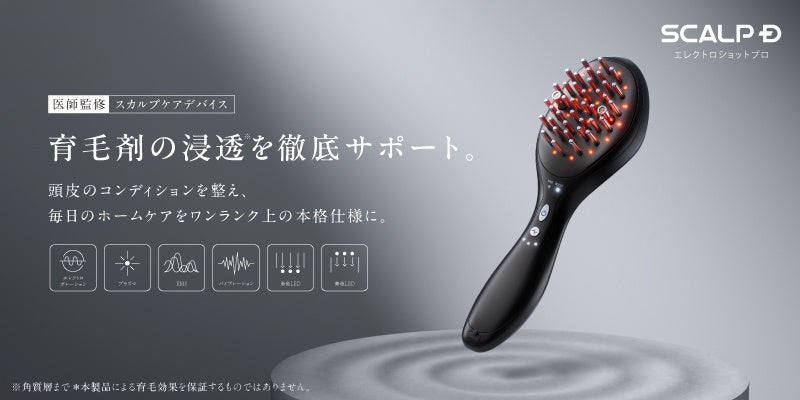
Search engines frequently conflate the Japanese term "sculp" (スカルプチュア) with medical scalp treatments. For example, consumer tech launches like Angfa Co., Ltd.’s Scalp D Electro Shot Pro device dominate Japanese retail headlines under the "sculp" tag. In professional cosmetics, however, the terminology stays strictly split: hair specialists treat the scalp, while nail technicians sculpt acrylic architecture.
Inside the Professional Salon Application Process
A flawless full set demands mechanical discipline. Skipping a single preparatory step guarantees premature lifting or bacterial pockets.
First comes dry preparation. The manicurist pushes back the eponychium, removes non-living tissue from the nail plate with a fine diamond bit, and gently removes the surface shine using an abrasive buffer between 180 and 240 grit. This texturizing step allows mechanical adhesion without thinning the dorsal nail layer. A chemical dehydrator strips moisture and natural oils, followed by an acid-free primer that balances the plate's pH.
Form placement demands millimeter precision. If the form tilts downward, the finished nail droops; if angled too high, the stress point buckles under pressure. Professional systems require distinct bead control. In late 2025, Kyoto-based manufacturer Space Co., Ltd. (led by CEO Hiroshi Miyamoto) executed a major brand renewal of its flagship Fleurir acrylic system. Designed specifically for salon durability and competition standards, the Fleurir system refined powder particle dispersion to give technicians longer sculpting play-time alongside faster cure rigidity.
Once the material cures completely, the technician refines the surface with a coarse 100/150 grit hand file, establishing parallel sidewalls, a clean free edge, and a flush cuticle transition. A sequence of smoothing buffers or a high-shine gel top coat seals the enhancement against moisture and pigment staining.
Acrylic Sculpture vs Gel Extensions: Performance Benchmarks
Choosing between sculpted acrylics, hard gel, and soft gel extensions comes down to natural nail rigidity, mechanical workload, and desired length. Acrylic sculptures provide structural rigidity that resists bending forces under high load. Hard gels offer flexibility, absorbing shocks through elastic movement instead of sheer structural resistance.
| Enhancement System | Average Salon Cost (Full Set) | Recommended Fill Cycle | Durability & Structural Strength | Removal Complexity |
|---|---|---|---|---|
| Acrylic Sculpture Nails | $85, $160 (¥9,000, ¥16,000) | 2, 3 Weeks | Maximum hardness; excels at extreme lengths and structural correction | Acetone soak-off (25, 35 mins) |
| Hard Gel Sculpting | $95, $180 (¥10,000, ¥18,000) | 3, 4 Weeks | High tensile elasticity; chemical resistant; medium-long lengths | Non-soakable; requires 100% mechanical e-file filing |
| Soft Gel Tips (Gel-X Style) | $65, $110 (¥7,000, ¥11,000) | 2, 3 Weeks | Moderate strength; relies on factory-molded apex; short to medium lengths | Acetone soak-off (15, 20 mins) |
Maintenance Protocols: Infills and Safe Acetone Removal
The lifespan of sculpted nails depends on scheduled infills. As the natural nail grows out at an average rate of 3 millimeters per month, the balance point moves forward toward the free edge. When that structural apex shifts beyond the midway line of the nail bed, basic daily typing or gripping exerts lever-arm pressure on the plate. Without an infill every 14 to 21 days, sudden impacts can snap the nail across the natural pink bed, tearing biological tissue.
During an infill appointment, the technician files away loose, lifted edges, cleans the regrowth line, and places fresh acrylic to reposition the apex. Between appointments, clients should apply daily jojoba-based cuticle oils. Keeping the surrounding keratin flexible prevents the perimeter seals from separating.
When it comes time to take them off, peeling or prying acrylic off the finger strips away layers of the natural dorsal nail plate. Professional removal demands dedicated chemical breakdown:
The technician files down the bulk of the acrylic and removes the top seal with a medium-coarse carbide bit.
Next, the nails soak in warm 99% pure acetone for 25 to 30 minutes. The solvent breaks the polymer cross-links, turning the dense acrylic into a soft, jelly-like residue that slides off effortlessly with an orange wood stick.
Aggressive scraping during this vulnerable state is strictly avoided, preserving natural nail health throughout the cycle.
Selecting the Ideal Enhancement Strategy
Acrylic sculpture nails remain the gold standard for clients struggling with severe nail biting, flat nail beds, or downward ski-jump growth patterns. Because the form wraps entirely beneath the natural nail, a master technician can custom-build an artificial nail wall, creating symmetry that pre-formed plastic tips cannot match. Anyone demanding extreme shapes, stiletto, coffin, or deep-C square shapes past two inches, will find acrylic monomer systems provide the sheer load-bearing strength needed to prevent mid-shaft breaks.
Conversely, clients working in chemical labs, healthcare environments with strict sanitization rules, or swimming facilities should tread carefully. Constant exposure to moisture and sanitizing agents can work into microscopic margin gaps, raising the risk of green nail syndrome caused by Pseudomonas bacterial growth. For those with naturally paper-thin, flexible nail plates that yield under slight pressure, a semi-flexible hard gel or rubber base overlay often yields longer wear than ultra-rigid acrylic.
Frequently Asked Questions (FAQ)
Q1: What does "sculp nail" mean when booking at a Japanese salon?
A1: In Japanese nail salons, "sculp" (スカルプ) refers specifically to acrylic sculpture extensions created using acrylic liquid, powder, and sculpting forms. It does not mean scalp hair treatments, nor does it refer to soft gel overlays. It signals a bespoke acrylic set built from scratch to extend your natural nail length.
Q2: How much do full-set acrylic sculptures cost in 2026?
A2: A standard single-color full set ranges between $85 and $160 in US metropolitan salons, and ¥9,000 to ¥16,000 across Japan. Complex hand-painted art, 3D embellishments, or extreme competition-length forms push prices between $180 and $300.
Q3: Does acrylic sculpting permanently damage natural nail beds?
A3: Acrylic chemistry itself does not destroy natural nail tissue. Damage happens during improper mechanical prep, such as over-drilling the natural nail with coarse electric bits, or forceful peeling during removal. Done correctly with certified MMA-free systems and controlled acetone soaking, the natural nail continues growing unharmed beneath the enhancement.
Mastering the Craft of Long-Wear Nail Architecture
Sculpted acrylic nails remain an enduring pillar of beauty technology because no factory-molded plastic tip can match custom-molded architecture. When applied by a skilled technician using high-grade materials like the Fleurir acrylic system, these enhancements correct anatomical irregularities, protect brittle nail plates, and provide durable wear under demanding daily conditions. Longevity ultimately relies on disciplined aftercare: keeping regular 3-week infill appointments, using daily cuticle oils, and relying on patient chemical soaking rather than mechanical force for removal.
