The Complete Guide to Japanese Underarm Whitening Creams: Best Products, Safety, and Usage
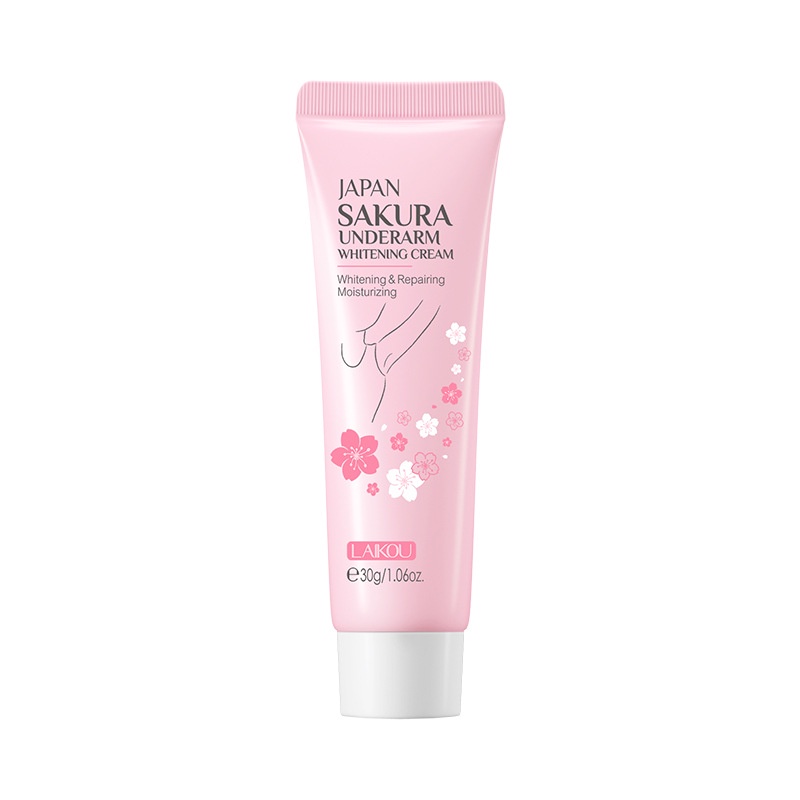
Dark underarm skin rarely stems from poor hygiene, yet it remains one of the most frustrating cosmetic concerns for millions of people worldwide. In recent months, international attention has turned sharply toward Tokyo's drugstore aisles, where clinical underarm brightening formulations have quietly dominated domestic sales for years. As detailed in a Metropolis Japan Report tracking the skincare brands locals actually buy, Japanese consumers consistently gravitate toward therapeutic, barrier-safe treatments over the abrasive, hydroquinone-heavy bleaches often marketed in Western and Southeast Asian corridors.
The core of J-beauty body brightening is restraint. Underarm skin is remarkably thin, constantly subjected to friction, moisture, and razor abrasions. Stripping that barrier accelerates darkening instead of curing it. By approaching axillary discoloration through pharmaceutical grade actives and gentle desquamation, Japanese laboratories have established a distinct category of body care that treats the root drivers of epidermal pigment without triggering reactive inflammation.
📌 Key Takeaways:
- The Regulatory Edge: Leading Japanese formulas carry the official "Quasi-Drug" (Iyakubugaihin) status, guaranteeing verified concentrations of actives like tranexamic acid and dipotassium glycyrrhizate.
- The Dual Mechanism: Real improvement requires suppressing chronic sub-clinical inflammation alongside cellular melanin production, rather than aggressively peeling the skin.
- The Underlying Cause: Most axillary darkness is post-inflammatory hyperpigmentation from razor burn, deodorants containing drying alcohols, or tight fabrics, not intrinsic skin tone.
The Biology of Friction-Induced Hyperpigmentation and Shaving Shadows
Underarm discoloration presents as two entirely different issues that consumers frequently conflate. The first is friction-induced hyperpigmentation, a physiological defense mechanism. Whenever skin rubs persistently against tight fabrics or opposing skin folds, the mechanical irritation activates keratinocytes. These surface cells release inflammatory cytokines, which signal melanocytes at the basal layer to produce protective melanin. Over time, that pigment accumulates in the upper layers of the epidermis, creating patchy brown or grayish discoloration.
The second issue is the post-shaving dark shadow. Shaving cuts hair shafts bluntly at the surface of the skin. If your hair is coarse and dark, the thick hair follicle remains visible just underneath the translucent stratum corneum. No topical cream will lighten a dark hair root lodged inside a pore. Shaving also scrapes away micro-layers of skin, causing micro-trauma. When people apply fragrance-laden deodorants or aluminum-heavy antiperspirants directly onto razor-scraped underarms, the stinging sensation indicates immediate contact inflammation. That irritation almost inevitably resolves as post-inflammatory hyperpigmentation (PIH).
Addressing this sensitive zone demands an understanding of regional skin anatomy. The axillary stratum corneum is fragile and possesses a high absorption rate for topical chemicals. Harsh chemical peels or abrasive physical scrubs provoke the exact melanocyte defense mechanism you are trying to eliminate.
Inside Japanese Quasi-Drug Formulations: Active Brighteners Explained
In Japan, topical cosmetics that deliver verified physiological results sit in a distinct regulatory tier between general cosmetics and prescription pharmaceuticals: the Japanese quasi-drug formulation (Iyakubugaihin). Approved by the Ministry of Health, Labour and Welfare (MHLW), these products must contain specific percentages of clinically backed actives proven to inhibit melanin synthesis or calm irritation.
Two ingredients dominate modern Japanese body brightening formulas:
- Tranexamic Acid: Originally used in medicine as a hemostatic agent, tranexamic acid acts as a powerful melanin suppression agent when applied topically. It halts the interaction between melanocytes and keratinocytes by inhibiting plasminogen/plasmin activity. This prevents the inflammatory cascade that tells pigment cells to produce excess melanin after shaving or friction.
- Dipotassium Glycyrrhizate: Derived from licorice root extract, this salt is a potent anti-inflammatory compound. Its inclusion is critical for sensitive underarm care because it neutralizes the micro-erythema caused by physical friction and perspiration salts. By keeping baseline irritation near zero, it eliminates the biological trigger for post-inflammatory hyperpigmentation.
Formulators frequently pair these foundational quasi-drug ingredients with niacinamide body lightening complexes to inhibit the transfer of melanosomes to keratinocytes, alongside stabilized ascorbic acid derivatives to reduce pre-existing oxidized melanin.
Evaluating the Top Formulations: Clay Peels, Tranexamic Lotions, and Vitamin C
The Japanese market splits its underarm treatments into two clear methodologies: physical surface correctors designed for immediate visual refinement, and intensive topical serums engineered for cellular turnover.
The Shiro Waki Hime peeling cream stands out as Japan's most recognizable physical corrector. Rather than relying on jagged walnut shells or harsh alpha-hydroxy acids, it uses a gentle exfoliating clay matrix composed of bentonite and kaolin. Applied to dry skin and rubbed gently for 30 seconds, the clay binds to oxidized sebum, dead keratin, and stubborn deodorant residue, balling up into soft crumbs. It also deposits microscopic mineral pigments that offer an immediate soft-focus brightening effect. It functions primarily as a rapid pre-event smoothing treatment rather than a deep melanin inhibitor.
For progressive, cellular-level pigment reduction, consumers rely on leave-on therapeutic treatments. The Rohto Melano CC treatment series, while designed for the face, is widely adopted by Japanese consumers for targeted body spots due to its shelf-stable pure vitamin C (L-ascorbic acid) and vitamin E derivatives. When paired with dedicated body emulsions featuring tranexamic acid, these treatments degrade existing pigment deposits over typical skin turnover cycles of 28 to 45 days.
| Product & Category | Key Functional Actives | Primary Mechanism | Typical Price Range |
|---|---|---|---|
| Shiro Waki Hime Peeling Cream(Exfoliating Paste) | Kaolin clay, malic acid, titanium dioxide | Adsorbs surface sebum and debris; immediate cosmetic tone-up | $13, $18 (¥1,500, ¥2,200) |
| Hada Labo Shirojyun Premium(Medicated Quasi-Drug Lotion) | Tranexamic acid, dipotassium glycyrrhizate, hyaluronic acid | Blocks post-shaving melanin synthesis and calms irritation | $11, $16 (¥1,100, ¥1,800) |
| Rohto Melano CC Essence(Targeted Spot Treatment) | Ascorbic acid, tocopherol acetate, isopropyl methylphenol | Direct antioxidant activity, tyrosinase inhibition, antibacterial | $12, $17 (¥1,300, ¥1,900) |
| Wakilala Bright Up Essence(Daily Axillary Toner) | AHA fruit acids, bisabolol, plant extracts | Mild daily desquamation of pore dead-cell buildup | $10, $14 (¥1,200, ¥1,600) |
Correct Daily Regimens for Sensitive Axillary Skin
Applying potent active ingredients to the underarm requires precise timing. The biggest mistake users make is slathering active formulas onto skin directly after wet shaving. Shaving creates invisible micro-tears in the epidermal barrier. Introducing high-potency vitamin C or exfoliating acids onto compromised skin causes an immediate burning sensation, triggering secondary post-inflammatory hyperpigmentation that ruins progress.
To achieve consistent results without contact dermatitis, follow this structured routine:
- Separate Shaving from Treatment: Shave exclusively in the evening. Rinse thoroughly with lukewarm water and follow with a basic, fragrance-free ceramide lotion to calm the barrier overnight.
- Apply Actives to Dry, Intact Skin: Introduce your Japanese quasi-drug brightening lotion or serum the following morning, or on non-shaving days. Pat 2 to 3 drops gently into the skin fold until completely absorbed.
- Allow Full Absorption Before Deodorant: Wait at least 5 to 10 minutes before applying your antiperspirant or deodorant. Layering products while the skin is damp can trap solvents and aluminum salts deep in the follicles, causing itchiness.
- Limit Clay Peels to Twice Weekly: Use clay formulations like Shiro Waki Hime no more than once or twice a week. Ensure the skin is completely dry before application. Work the product in gentle, circular motions without applying aggressive downward pressure.
Friction management is equally vital. If you wear stiff synthetic fabrics during workouts, apply a clean barrier balm or switch to breathable, friction-reducing bamboo or cotton blends.
Clinical Limits, Safety Realities, and When to See a Dermatologist
Topical J-beauty brightening creams are exceptionally effective for surface-level epidermal pigment caused by shaving friction, tight bras, or mild allergic responses. They cannot, however, alter genetic pigmentation, nor can they cure systemic metabolic conditions.
If your underarm skin presents as thick, velvety, dark brown or black plaques that feel leathery to the touch, no topical cream will clear it. This condition is known clinically as Acanthosis Nigricans. It is typically a cutaneous marker of systemic insulin resistance, endocrine shifts, or metabolic syndrome. In these instances, darkening occurs because elevated circulating insulin triggers insulin-like growth factor receptors on keratinocytes, forcing them to hyper-proliferate. Resolving this requires internal medical intervention and lifestyle changes managed by a physician.
Furthermore, if the discoloration is accompanied by persistent scaling, fluid discharge, or unmanageable itching, stop using cosmetic products immediately. These symptoms suggest a fungal infection (such as erythrasma or candida) or severe allergic contact dermatitis that requires prescription antifungal or non-steroidal anti-inflammatory topicals.
Frequently Asked Questions (FAQ)
Q1: How long does it realistically take for a Japanese underarm brightening cream to work?
A1: True physiological epidermal lightening requires at least 6 to 8 weeks of consistent daily application. This matches the biological duration of human skin cell renewal and melanin desquamation. Products promising overnight results rely on temporary optical pigments rather than actual melanin suppression.
Q2: Can I apply Rohto Melano CC or tranexamic acid right after shaving?
A2: No. Freshly shaved skin has compromised barrier integrity. Applying concentrated ascorbic acid or other active brighteners immediately onto freshly abraded tissue causes acute stinging and inflammation. Wait 12 to 24 hours post-shaving before reapplying active lightening serums.
Q3: Are Japanese quasi-drug underarm creams safe for people with sensitive, allergy-prone skin?
A3: While quasi-drug status ensures tightly regulated active levels, underarms absorb topicals rapidly. Formulas containing dipotassium glycyrrhizate are inherently anti-inflammatory, but you should always patch-test any new product on your inner forearm for 48 hours before applying it to your axillary folds.
Realistic Expectations for J-Beauty Body Care in 2026
The worldwide popularity of Japanese underarm brightening marks a positive break from aggressive, barrier-destroying bleaching agents. By prioritizing the regulation of quasi-drug actives, J-beauty emphasizes steady, sustainable pigment control over risky shortcuts. Tranexamic acid, dipotassium glycyrrhizate, and micro-clays treat the skin gently, helping correct friction-induced hyperpigmentation and shaving shadows without damaging the fragile skin barrier.
Success depends on recognizing biological limits. Topicals can clear accumulated epidermal pigment, but they cannot remove sub-surface hair follicles or resolve underlying metabolic resistance. To see lasting results, pair therapeutic quasi-drug actives with mindful body care: eliminate shaving friction, choose non-irritating deodorants, and give your skin barrier time to repair.
