The Complete How-To Guide: Attaching Any Water Bottle Holder Like a Pro
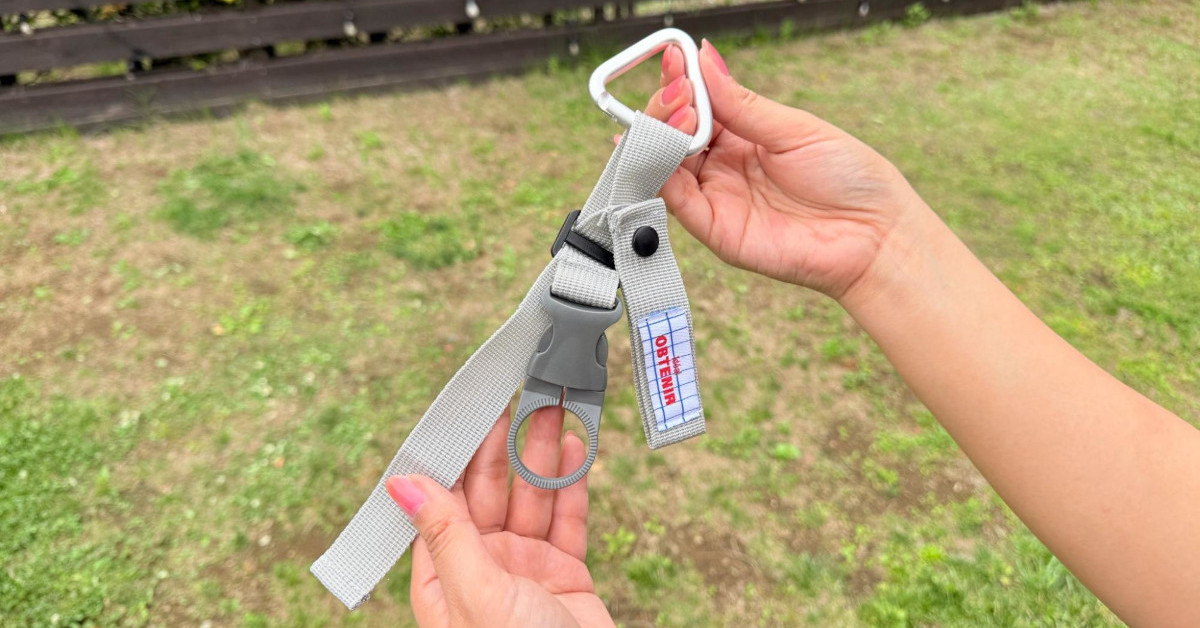
Summer heat indexes across metropolitan transit corridors hit record highs in 2026, turning personal hydration from a casual wellness habit into a tactical necessity. Carrying a sweating 500ml plastic beverage bottle by hand restricts movement and radiates heat directly into your drink, while tossing it loose inside a tote bag risks water damage to laptops and documents. The scramble for efficient hands-free hydration gear has sparked a wave of viral design solutions across social platforms, led by creative hacks highlighted in a recent Yahoo!ニュース Report detailing how commuters transform basic 100-yen paracord and carabiners into modular bottle harnesses.
Yet an improperly fastened holder causes frustrating sway, unclips during sudden sprints, or slips off the bottle neck entirely under weight. Securing your drink requires understanding the mechanical tolerances of different retention systems, whether you clip onto a backpack sternum strap, thread through tactical webbing, or sling an insulated bottle cooler sleeve over your shoulder.
📌 Key Takeaways:
- Neck Geometry Matters: Standard PET bottles rely on a 1mm retention lip below the cap; silicone rings and carabiners must sit beneath this ridge to prevent vertical slip under load.
- Dynamic Sway Control: Securing a bottle to backpack shoulder straps demands two contact points, a load-bearing top clip and a lower elastic cinch, to eliminate walking bounce.
- Thermal and Weight Balance: Rigid insulated bottle cooler sleeves add 180 to 250 grams of dry weight, requiring reinforced D-rings or MOLLE anchors rather than decorative plastic snaps.
The Mechanics of Bottle Neck Retention: Silicone and Carabiner Clips
Every commercially produced plastic bottle features a raised structural ring molded roughly 5 millimeters below the threading. This neck collar exists in industrial bottling plants to move empty bottles along conveyor rails, but it also serves as the sole mechanical anchor for hands-free clip systems. The standard carabiner clip method relies on a rigid plastic or stamped aluminum horseshoe clip. Slotted horizontally against the cap, the mouth of the clip slides between the cap base and the support ring.
Securing this connection correctly requires a firm, audible snap. If the horseshoe bracket rests loosely above the neck ring, the cap threading absorbs downward shear forces. When you swing your arm or walk briskly, the cap can flex, breaking the factory seal and leaking liquid down your legs. For softer, ultra-light PET water bottles that compress easily, a silicone bottle neck clip offers superior grip. Food-grade silicone collars maintain an inner diameter of approximately 25 millimeters, stretching outward to clear the 30-millimeter cap before snapping tight around the narrow channel beneath.
A common design flaw with budget silicone rings is lateral tearing. When pressing the ring over a cold, condensation-slicked bottle, pull straight down from both sides simultaneously. Twisting or levering the ring from one side stretches the silicone unevenly, causing micro-tears that split under the weight of a full 600ml sports drink.
Fastening Systems Compared: Strength, Weight, and Real-World Friction
Different carrying methods solve distinct mobility problems. Selecting the right water bottle holder attachment depends on walking speed, pack architecture, and thermal conditions.
| Holder Mechanism | Safe Load Capacity | Mounting Location | Primary Failure Point |
|---|---|---|---|
| Silicone Neck Ring + Carabiner | 500ml, 700ml (1.1, 1.5 lbs) | Belt loops, D-rings, purse straps | Radial tearing around carabiner eyelet |
| Backpack Strap Bottle Holder (Elastic) | 500ml, 1000ml (1.1, 2.2 lbs) | Padded shoulder harness straps | Vertical slippage along nylon webbing |
| Paracord Bottle Carrier DIY (Net) | 500ml, 2000ml (1.1, 4.4 lbs) | Crossbody sling, bike frame | Bottom knot loosening under vibration |
| MOLLE Hydration Pouch | 750ml, 1500ml (1.6, 3.3 lbs) | PALS modular tactical webbing | Snap button detachment under impact |
| Vacuum Insulated Cooler Sleeve | 500ml, 650ml (1.1, 1.4 lbs) | Shoulder strap or tote handle | Plastic buckle fatigue from shell weight |
Attaching to Backpack Straps Without the Annoying Bounce
Clipping a filled bottle directly onto a backpack shoulder D-ring by a single carabiner creates a pendulum. With every forward stride, a 500-gram weight swings into your ribs or collarbone. Eliminating this kinetic energy requires stabilizing the bottom of the container.
To rig a stable backpack strap bottle holder, mount the unit at mid-chest height, roughly parallel with your sternum strap. Thread the holder's top vertical strap behind the horizontal webbing ladder sewn into modern daypacks. Secure the top snap or clip. Next, anchor the lower stabilization strap. Premium outdoor travel bottle carrier designs feature hook-and-loop wraps lined with textured rubber backing. Wrap this tightly around the padded shoulder harness below the chest strap.
If your bag lacks dedicated webbing loops, use two wrap-around Velcro cable ties. Place one tie through the top carabiner and cinch it around the harness. Fasten the second tie around the lower third of the bottle body. This dual-point anchoring creates three axes of tension, locking the liquid mass flush against your chest and dispersing impact shocks evenly while you hike or run for the train.
MOLLE Weaving: Installing Heavy Hydration Pouches Correctly
Tactical bags and commuter packs equipped with PALS (Pouch Attachment Ladder System) grids provide rigid anchoring, but only if woven correctly. Sliding a strap straight through the back panel without interlacing defeats the entire design.
A proper MOLLE attachment for hydration demands an over-and-under basket weave:
- Align the rear vertical webbing strap of the bottle pouch with the column on your backpack.
- Slide the pouch strap downward through the first horizontal bar on the bag.
- Thread the strap back out and insert it through the first horizontal bar on the back of the bottle pouch itself.
- Continue feeding downward, alternating between the backpack row and the pouch row.
- Lock the stiffened bottom tab or snap button firmly into place beneath the lowest pack webbing loop.
Interlacing prevents the pouch from tilting outward under load. When navigating crowded subway cars or rugged singletrack trails, a properly woven pouch holds tight against the pack shell, preventing snags on turnstiles and tree branches.
The DIY Paracord Knotting Technique for Custom Flasks
Commercial holders often fail when paired with non-standard bottle shapes. Japanese lifestyle retailers such as Seria and 3COINS popularized modular strap ecosystems, yet consumers frequently struggle with custom reusable flasks or unusually wide tea bottles. A hand-tied paracord bottle carrier DIY solves fit limitations by conforming directly to container geometry.
The base construction relies on two essential knots: a bottom crown knot basket and a sliding jug hitch around the neck. Cut a 3-meter length of commercial 550 paracord. Fold the cord in half, center it across the bottom base of the bottle, and tie a flat square knot. Work outward by splitting the four strand ends into pairs, joining adjacent cords with basic overhand knots every 2.5 centimeters up the side walls.
At the neck, transition into a barrel knot or sliding knot. This allows the collar to constrict when tension hits the carry handle. Connect both remaining ends to an aluminum quick-release bottle mount or swivel carabiner. Paracord delivers exceptional tensile strength, resists mildew from sweaty drinks, and costs a fraction of commercial tactical slings.
Condensation Control: Securing Insulated Cooler Sleeves and Slings
High-humidity summers introduce a messy operational problem: surface sweat. Cold tea or sports drinks generate heavy condensation within ten minutes of leaving a cooler. When clipped outside a bag, this water drops onto clothing; when mounted to an unpadded shoulder strap bottle sling, it dampens shirt fabric and causes chafing across the neck.
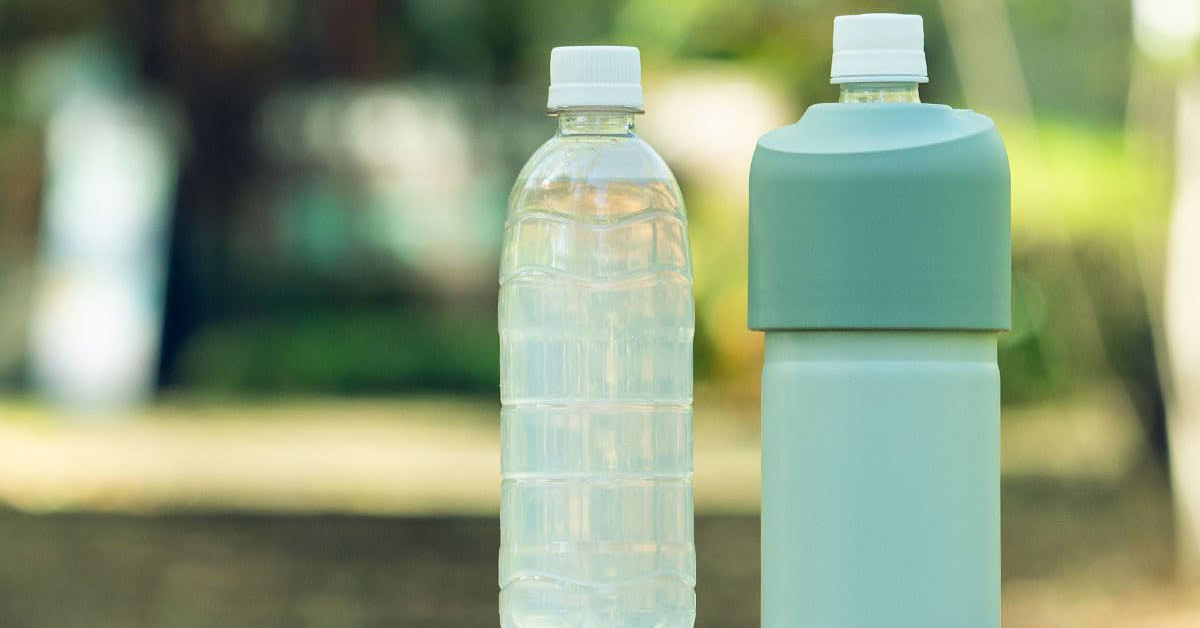
Rigid insulated bottle cooler sleeves solve the condensation crisis by trapping moisture inside a double-walled vacuum shell or dense neoprene jacket. But this hardware adds substantial bulk. When using an external multi-drink bag clip to attach a heavy cooler sleeve to a purse or briefcase handle, never hang the clip from decorative thin leather loops.
Mount the carrier carabiner through the structural metal ring where the main bag handle attaches to the chassis. If configuring a crossbody shoulder sling, position the carrier so the base rests just above your hip crest. Wearing the sleeve too low allows it to strike your thigh with every step, loosening the threaded lid retention bracket over time.
Frequently Asked Questions (FAQ)
Q1: Why does my plastic bottle slip out of silicone neck clips when walking?
A1: Slippage occurs when the silicone collar sits on top of the factory seal ring rather than beneath it. Push the ring completely over the cap until it rests flush against the bottle neck groove. Also, verify bottle sizing; thin-necked European imports measure 26mm and require narrow-diameter silicone rings to stay secure.
Q2: Can I attach a bottle holder to a belt loop without tearing my pants?
A2: Single denim belt loops are designed for horizontal tension, not vertical shear stress. Hanging a full 600ml bottle (roughly 1.3 pounds) places continuous downward torque on the fabric stitching, eventually ripping the denim bar-tack. Clip the carabiner directly around the leather belt itself rather than the fabric loop.
Q3: How do I stop an insulated PET bottle cooler from rattling while walking?
A3: Internal rattling happens when 500ml bottles are slightly shorter than the cooler cavity. Drop a standard silicone coaster or a folded paper napkin into the base of the cooler sleeve before inserting the cold bottle. The flexible material acts as a compression spring, locking the bottle cap firmly against the top retention gasket.
Field Readiness for Hands-Free Hydration
Urban mobility in high-temperature environments demands equipment that stays secure without constant adjustment. A loose bottle turns every stride into an awkward juggle, while a well-anchored setup keeps fluids cold and accessible. Inspect clip pins, verify silicone elasticity before setting out, and pick retention hardware rated for real-world kinetic motion. Once properly rigged, your hands stay free, your posture stays balanced, and hydration stays exactly where it belongs.
