The Complete Ise-Shima Onsen Guide: Booking, Access, and Top Resort Perks
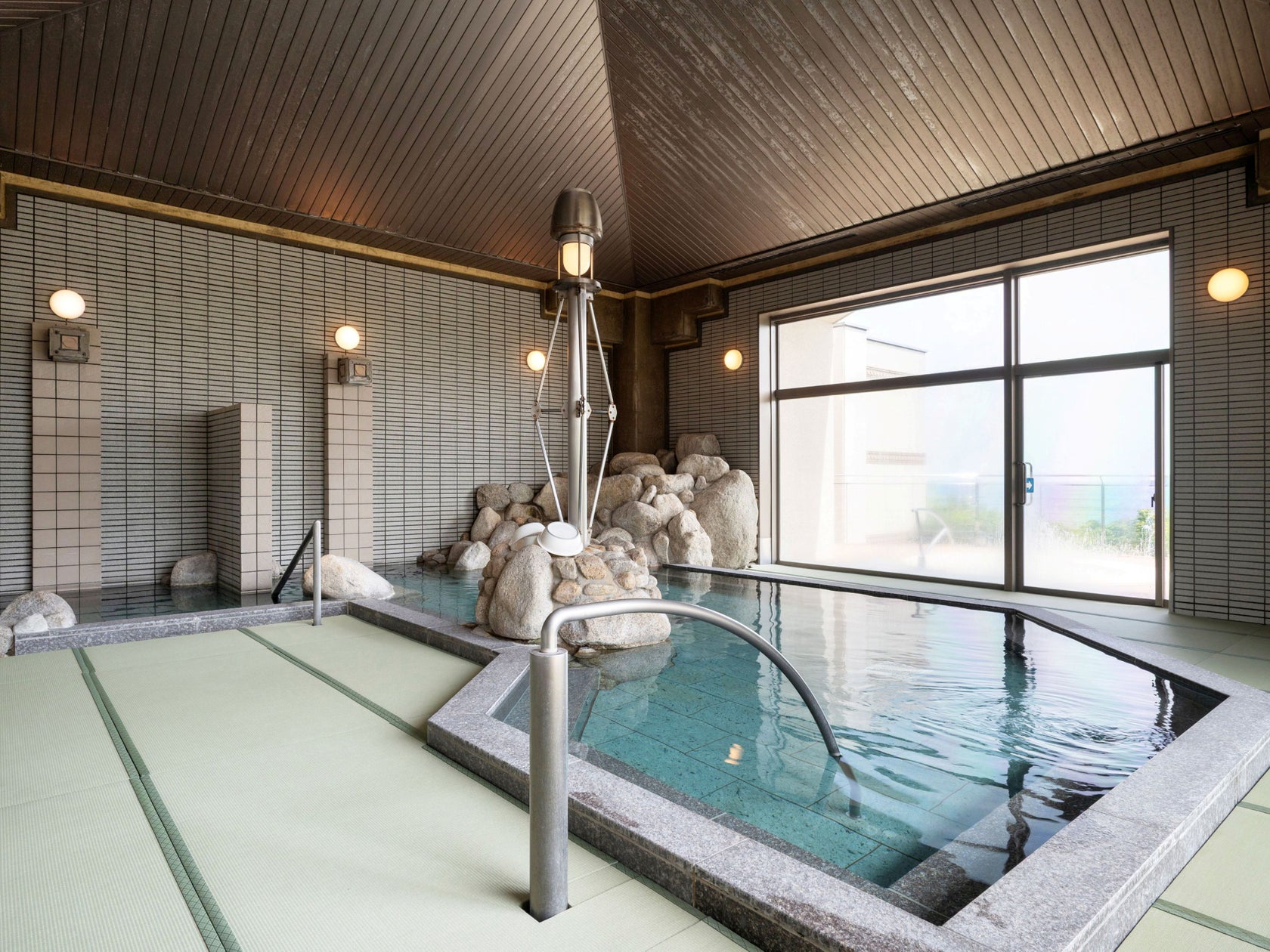
Travelers heading to Mie Prefecture are witnessing a major transformation across the coastal rim of Ise-Shima National Park. What was once defined by traditional, highly formal ryokan stays has pivoted toward frictionless leisure, led largely by hospitality consolidator Ooedo Onsen Monogatari. With the grand opening of TAOYA Minami-Shima and the July 18, 2026 renovation of TAOYA Shima, the region is drawing record international and domestic interest. Concurrently, regional wellness properties have revamped their communal bathing quarters with safety-forward flooring, as highlighted in a recent PR TIMES Report tracking the wider adoption of the modern tatami bath experience across local resorts.
The driving force behind this shift is straightforward: travelers want high-end hot spring retreats without rigid meal schedules or hidden add-on costs. Joint regional promotions, including the 2026 rail initiative launched by JR Central and Kintetsu, have made coastal transit more accessible than ever. Whether your goal is watching the sunrise from an oceanfront open-air bath or sampling regional seafood in a lounge setting, navigating the Ise-Shima resort cluster requires understanding how these renovated properties operate.
📌 Key Takeaways:
- The Resort Footprint: Ooedo Onsen Monogatari has expanded its upscale, all-inclusive onsen resort network in Mie, anchored by the refreshed TAOYA Shima and the newly opened TAOYA Minami-Shima.
- Transit Logistics: The Kintetsu Railway discount pass remains the most cost-effective transit option, integrating seamlessly with express links from Nagoya, Kyoto, and Osaka.
- Onsite Value: Nightly rates cover multi-course buffet dining lounge access, evening draft beer and local sake taps, coastal hot spring access, and dedicated station shuttles.
The Evolution of All-Inclusive Hospitality Along Ise Bay
For decades, booking a hot spring getaway in Mie Prefecture meant navigating strict dinner seatings, separate charges for post-bath refreshments, and formal room check-ins. Ooedo Onsen Monogatari disrupted that dynamic by acquiring legacy properties and converting them into streamlined retreats. Under its elevated sub-brand, TAOYA, the operator eliminates the transactional friction of traditional lodging.
Guests check in, slip into yukata robes, and enter an environment where draft beer, highballs, soft-serve ice cream, and late-night snacks are complimentary. The July 18, 2026 reopening of TAOYA Shima in Toba marks the latest evolution of this format. The property overhauled its ocean-facing guest quarters, installed an open-hearth fireplace in the lobby lounge, and added a dedicated dessert buffet counter. Rather than competing directly with hyper-exclusive luxury villas, these properties deliver high comfort at predictable rates.
Choosing Between TAOYA Shima, Minami-Shima, and Regional Lodges
Selecting the right coastal base comes down to geographical focus and bath design. TAOYA Shima sits along the rugged coastline of Toba, giving guests immediate access to classic Toba hot springs and wide-angle views across Ise Bay. The infinity-edge baths here create an unbroken visual line between the steaming mineral water and the Pacific horizon. Sunrise soaks at this property remain among the most photographed coastal scenes in the prefecture.
Further south, TAOYA Minami-Shima offers a quieter alternative set against the rias coastline. It caters to travelers seeking solitude near the pine-fringed inlets of the peninsula. Meanwhile, travelers exploring the broader Shima area will find diverse bath innovations. Regional operators like Sato Sousei Club have upgraded their main communal spaces with waterproof tatami matting, offering an alternative to slippery stone surfaces. For nature-focused travelers, nearby developments like NEMU RESORT span expansive grounds overlooking Ago Bay, illustrating how diverse the local wellness ecosystem has become.
| Property | Location & Coastal Setting | Signature Bath Feature | Nightly Range (2 Guests, 2025, 2026) |
|---|---|---|---|
| TAOYA Shima | Toba Coast (Ise Bay view) | Oceanfront open-air bath with infinity ledge | ¥38,000, ¥58,000 |
| TAOYA Minami-Shima | Minami-Ise inlet shoreline | Secluded forest-and-sea outdoor mineral tub | ¥36,000, ¥54,000 |
| Sato Sousei Club Ise-Shima | Shima Peninsula interior | Non-slip tatami bath experience floor | ¥28,000, ¥42,000 |
| NEMU RESORT | Ago Bay scenic view boundary | Pearl aurora mineral bath system | ¥46,000, ¥72,000 |
Transit Strategy: Maximizing the Kintetsu Railway Discount Pass
Navigating rural coastal Japan can be daunting without a clear transit plan. Fortunately, the Kintetsu Railway network connects the Kansai and Chubu transit hubs directly to Mie's coastal terminal stations. Foreign visitors and domestic travelers alike benefit from the 5-day Kintetsu Rail Pass, which covers standard train routes from Osaka-Namba, Kyoto, and Kintetsu-Nagoya stations directly into Toba and Kashikojima.
To travel efficiently, reserve a seat on the premium Shimakaze Sightseeing Limited Express. The train features panoramic windows, private booths, and an onboard cafe serving regional craft beer.
For travelers heading to TAOYA Shima, board the train to Kintetsu Toba Station. Free hotel shuttle buses run on a fixed afternoon schedule, meeting passengers directly outside the ticket gates. Those venturing south toward TAOYA Minami-Shima or Ago Bay should continue to Ugata Station or Kashikojima Station. The joint "Shima ni shimashita" tourism push run by JR Central and Kintetsu provides discount coupons for local bay cruises, luggage transfers, and connector buses throughout 2026.
Buffet Dining Lounges and Oceanfront Bathing
Dining at an all-inclusive Mie Prefecture ryokan or contemporary resort differs dramatically from standard cafeteria lines. At TAOYA outposts, evening dinner sessions showcase regional ingredients through live-kitchen cooking stations. Chefs prepare local seafood, steam seasonal shellfish, slice roast beef, and fry tempura to order.
The dining halls avoid the stuffiness of course-by-course service. Families with children can dine at their own pace, while solo guests can sit along counter seats facing the garden or shoreline. The self-service beverage stations feature local Mie sake, house wines, and chilled beer dispensers. Morning spreads focus on fresh sashimi rice bowls, regional red miso soup, and fresh-baked pastries.
The hot springs themselves form the core experience. Natural spring water drawn from the Toba and Shima aquifers supplies indoor bathing halls and outdoor rock pools. Because the mineral content leaves skin feeling smooth, the baths are colloquially known as beauty waters (bijin-no-yu).
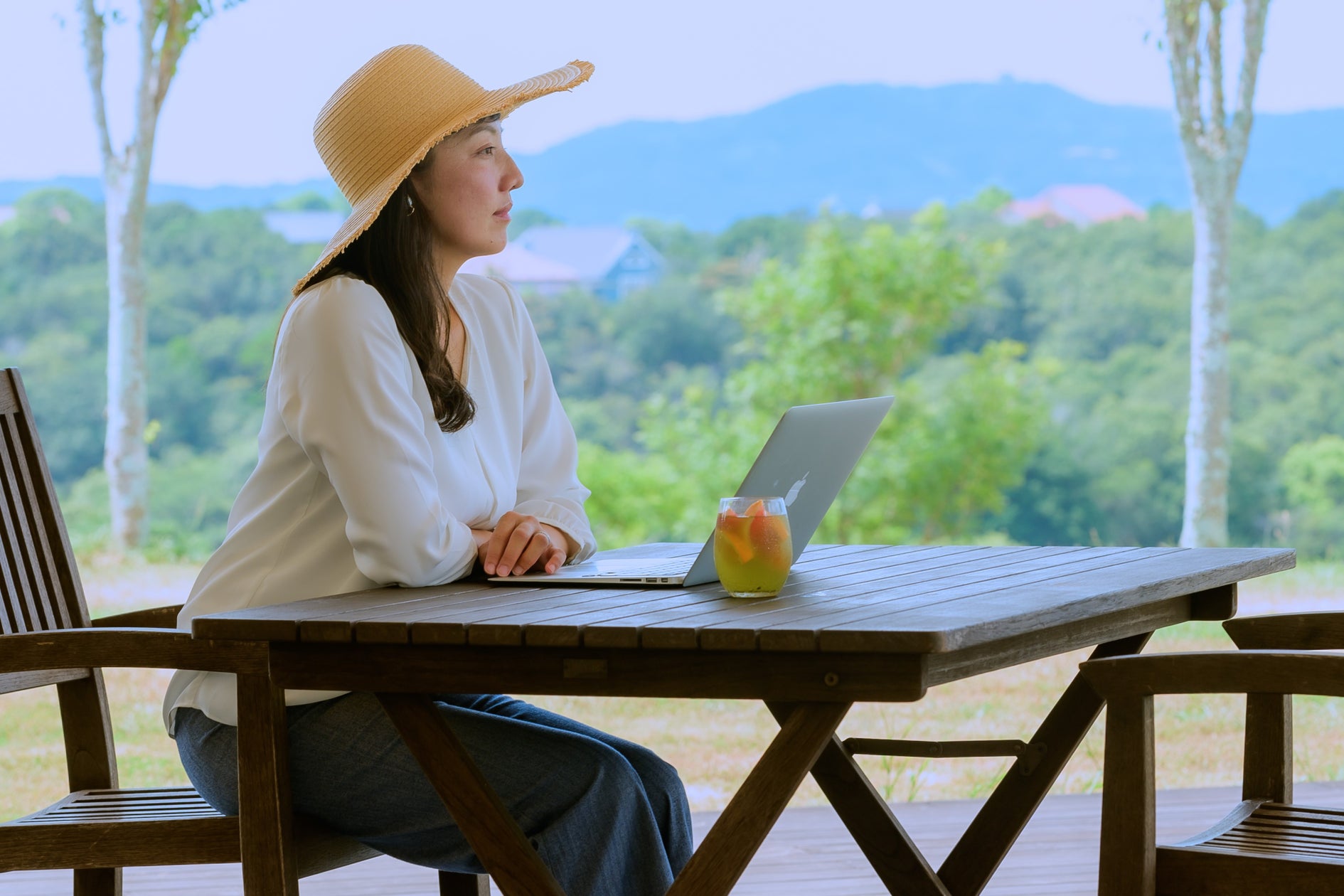
Soaking in an oceanfront open-air bath while listening to the surf creates an immersive connection to the surrounding national park. Afterward, guests gather in the relaxation lounges for complimentary iced tea, massage chairs, and local draft beers, rounding out an unhurried, self-contained evening.
Frequently Asked Questions (FAQ)
Q1: Do TAOYA properties in Mie charge extra for alcoholic drinks during dinner?
A1: No. Both TAOYA Shima and TAOYA Minami-Shima include alcoholic drinks, such as draft beer, wine, highballs, and regional sake, in the base room rate during dinner and lounge operating hours.
Q2: How far in advance do reservations open for peak holiday dates?
A2: Rooms typically open for booking three to six months in advance through the official Ooedo Onsen Monogatari reservation system. Peak periods, such as Golden Week, mid-August Obon, and New Year’s, regularly sell out within days of release.
Q3: Are tattoos permitted in the communal hot spring baths?
A3: Like many commercial onsen resorts in Japan, visible tattoos are generally prohibited in communal bathing spaces. However, guests with small, discrete tattoos can use waterproof flesh-colored cover stickers, readily available at convenience stores or resort front desks.
Navigating Your 2026 Ise-Shima Itinerary
Planning a vacation around Mie’s coastal resorts requires balancing relaxation with regional sightseeing. A two-night stay offers an ideal cadence: spend your mornings visiting the sacred grounds of Ise Jingu or taking in an Ago Bay scenic view, then return to the hotel by mid-afternoon to enjoy the coastal waters.
Take full advantage of the Kintetsu rail network, confirm your station shuttle reservations ahead of time, and schedule bath visits around sunrise for the best ocean views. As hospitality brands continue refining their all-inclusive options, travelers to Ise-Shima will find a refreshing mix of coastal scenery, quality dining, and thermal waters without the traditional operational fuss.
