The Complete Onyanko Club Member Guide: Profiles, Net Worth, Family Life, and Current Careers
Four decades after walking onto the set of Fuji TV’s weekday variety show Yuyake Nyan Nyan, the members of Onyanko Club occupy a rare position in Japanese entertainment history. Created almost on a whim in April 1985, the group dissolved just two and a half years later in September 1987. Yet their short run permanently reorganized the mechanics of the domestic music industry, creating the template for massive multi-member groups, sub-units, and graduation rosters that producer Yasushi Akimoto later deployed to build modern global franchises like AKB48.
The group’s cultural resonance remains active. Media interest flared anew across Japanese digital outlets following reports from an ORICON NEWS Report documenting member Minayo Watanabe’s preparations for her milestone 40th solo debut anniversary concert. As original members navigate their fifties and sixties, the trajectories of these former teenage schoolgirls span corporate boardrooms, private domestic retirements, and enduring top-tier celebrity status.
📌 Key Takeaways:
- The 40th Anniversary Wave: Core members like Minayo Watanabe are mounting major milestone projects in 2026, buoyed by generational nostalgia and highly active lifestyle YouTube channels.
- The Post-Idol Divide: Career trajectories split radically after the 1987 disbandment, producing solo music megastars like Shizuka Kudo, mainstream variety fixtures like Sayuri Kokushyo, and members who exited public life entirely.
- Structural Industry Blueprint: Onyanko Club established the audition, graduation, and fan-voted sub-unit business model that governs modern East Asian pop group management today.
From After-School TV to Pop Phenomenon: The Yuyake Nyan Nyan Blueprint
In the spring of 1985, Fuji Television needed an inexpensive counter-programming strategy for the 5:00 PM weekday broadcast slot. Producer Hiroshi Ishida and lyricist Yasushi Akimoto launched Yuyake Nyan Nyan, an unscripted, chaotic variety show aimed directly at teenage boys returning home from school. To anchor the studio atmosphere, producers recruited high school and college girls to serve as an in-house club, paying them modest hourly stipends rather than traditional artist development contracts.
The aesthetic stood in stark opposition to the polished, untouchable solo idols of the early 1980s like Seiko Matsuda or Akina Nakamori. Onyanko Club members wore everyday uniforms, botched dance routines on live television, and openly discussed their personal lives. Viewers felt an unprecedented sense of proximity. When the group released their debut single "Sailor Fuku o Nuganaide" in July 1985, it triggered an immediate commercial shockwave, selling over 500,000 copies and establishing the group as a national media obsession within four months.
The membership operated under a sequential numbering system. New members joined by winning the show’s on-air Friday auditions, while older members graduated upon finishing high school or launching solo careers. By the time the television program signed off in September 1987, 52 official members and several associate trainees had passed through the roster, dominating the weekly Oricon charts with group releases, solo spin-offs, and popular sub-units like Ushirogami Hikaretai and Nyangilas.
Where the Roster Stands in 2026: Milestone Anniversaries and Public Life
The enduring presence of Onyanko Club members across Japanese media proves that public fascination with the 1980s golden era has not faded. Member Number 29, Minayo Watanabe, celebrated reaching age 56 by expanding her digital media footprint ahead of her official 40th solo debut anniversary concert scheduled for autumn 2026. On her YouTube channel, Watanabe recently documented an intensive catering marathon, preparing 8 kilograms of meat and 18 gō of rice for a 20-person production crew and family gathering, which doubled as a 29th birthday celebration for her eldest son, television personality Manaya Yajima.
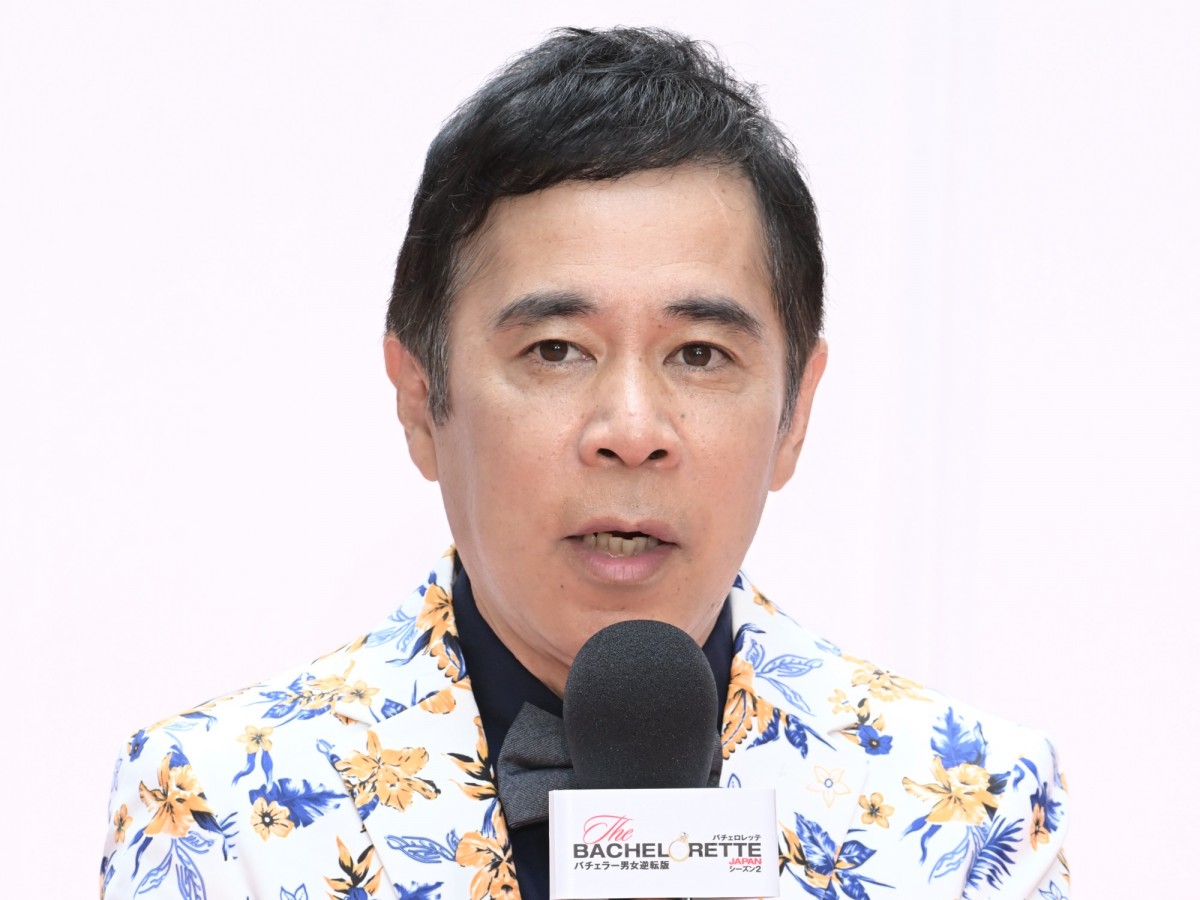
The generational grip of the group surfaced in other high-profile exchanges as well. In May 2026, veteran comedian Takashi Okamura of Ninety-Nine took to Instagram to share his unexpected encounter with Watanabe, recounting how he had obsessively watched her television appearances during his own teenage years. A month later, in June 2026, pop culture icon Shoko Nakagawa shared photos of a reunion at her home featuring Member Number 9, Mika Nagoshi, who has maintained a decades-long close personal friendship with Nakagawa’s mother, Keiko.
These informal appearances highlight how the former members remain embedded within the upper tier of the Japanese entertainment network, even when they no longer maintain aggressive solo touring schedules.
The Standout Profiles: Breakthroughs, Hits, and Divergent Paths
While over fifty women held official club numbers, a handful of core personalities captured the public imagination and built long-term commercial careers.
Sayuri Kokushyo (Member #8): The athletic, strong-willed foil of the early lineup, Kokushyo launched an immediate solo hit in February 1986 with "Valentine Kiss", a track that remains an inescapable seasonal standard played across Japanese retail stores every February. Following the group's dissolution, Kokushyo transitioned smoothly into mainstream acting and variety television, cultivating a candid, authoritative screen persona that keeps her booked on prime-time discussion panels.
Mamiko Takai (Member #16): Known for her quiet, traditional beauty, Takai formed the duo Ushiroyubi Sasaregumi with Yukiko Iwai, recording theme songs for the popular anime High School! Kimengumi. In 1988, Takai stunned the Japanese media by marrying the group’s mastermind, lyricist Yasushi Akimoto, and promptly retiring from the entertainment sector. Today, she occasionally works in culinary and lifestyle publishing while remaining outside the celebrity spotlight.
Minayo Watanabe (Member #29): Auditioning in late 1985, Watanabe debuted solo in 1986 with the chart-topping single "Hitomi ni Yakusoku". She achieved five consecutive number-one singles on the Oricon charts. Over the past decade, she has reinvented herself as a premier lifestyle influencer, interior decor entrepreneur, and television personality alongside her sons.
Shizuka Kudo (Member #38): Kudo entered Onyanko Club late in its run after an initial stint in the short-lived trio Seventeen Club. Blessed with distinctive vocal power and a rebellious, glamorous personal style, Kudo became a solo titan after the group ended. Throughout the late 1980s and 1990s, she scored 11 Oricon number-one singles. Her marriage to SMAP icon Takuya Kimura in 2000 solidified her place among Japan's enduring power couples, while her secondary pursuits as a Nika-exhibition-recognized painter and jewelry designer keep her profile high.
| Member & Club # | Peak Era Hits (1985, 1987) | 2026 Primary Career Focus |
|---|---|---|
| Sayuri Kokushyo (#8) | "Valentine Kiss", "Namida no Jasmine Tea" | Television drama actress, variety commentator |
| Mika Nagoshi (#9) | Core group vocal tracks, variety comedy sketches | Private life, occasional cultural and talk show appearances |
| Mamiko Takai (#16) | "Cinderella-tachi e", Ushiroyubi Sasaregumi singles | Retired from entertainment; culinary writer |
| Minayo Watanabe (#29) | "Hitomi ni Yakusoku", "Yuki no Kaerimichi" | 40th anniversary concerts, lifestyle YouTuber, brand owner |
| Shizuka Kudo (#38) | "Kindan no Telepathy", Ushirogami Hikaretai singles | Solo musician, contemporary painter, jewelry brand designer |
The Financial Realities and Post-Idol Economies
The financial structures surrounding Onyanko Club highlight the stark contrast between mid-1980s television contracts and modern artist rights. Fuji TV and agency executives initially paid members flat hourly rates similar to part-time retail wages during their early days on Yuyake Nyan Nyan. As individual members became lucrative brand assets, major agencies like Watanabe Productions, Burning Production, and HoriPro stepped in to sign them to exclusive management pacts.
This dynamic created massive wealth disparities once the collective fractured. Members who failed to secure high-tier agency representation saw their entertainment income vanish almost overnight when Fuji TV canceled the show in late 1987. Conversely, those who successfully bridged the transition built lasting wealth. Shizuka Kudo’s decades of hit single royalties, solo stadium tours, and high-end commercial endorsements established an estimated net worth well into the billions of yen, augmented by her marriage into the country's most prominent entertainment household.
For personalities like Minayo Watanabe, financial longevity stems from diversified modern branding rather than residual music royalties. By shifting into home goods, apparel licensing, beauty endorsements, and cooking content on monetized digital platforms, Watanabe created a modern corporate enterprise that funds self-produced anniversary concerts without relying on legacy talent agencies.
Architects of the Modern J-Pop Group Machine
The lasting significance of Onyanko Club sits inside the operational machinery of East Asian pop culture. Prior to 1985, Japanese idol entertainment relied almost entirely on solo performers discovered through traditional talent searches like Star Tanjō!. Onyanko Club dismantled that paradigm by proving that amateur relatability was vastly more compelling to modern television viewers than vocal perfection.
Producer Yasushi Akimoto directly exported the structural lessons learned from Onyanko Club when conceptualizing AKB48 in 2005. The numbering system became theater teams. The live Friday auditions morphed into televised general elections. The sudden graduations that brought teenage girls to tears on Fuji TV became the defining emotional set-pieces of 21st-century idol fandom. Without the messy, after-school television experiment of Onyanko Club, the sprawling idol groups that define contemporary Asian music markets would look fundamentally different.
Frequently Asked Questions (FAQ)
Q1: Why did Onyanko Club disband so quickly after only two years?
A1: Fuji TV and producers deliberately designed the group with a built-in expiration date. Ratings for Yuyake Nyan Nyan began dropping in mid-1987 as the novelty of after-school variety television faded. Rather than letting the concept decay, management elected to stage a massive farewell concert at Nippon Budokan in September 1987, ending the project at peak cultural impact.
Q2: Who is the most commercially successful former member today?
A2: Shizuka Kudo is by far the most commercially successful alumnus. She established an iconic solo music career spanning dozens of top-charting singles, earned millions in album sales and endorsements, and built successful auxiliary businesses in painting and fine jewelry.
Q3: How many official members were in Onyanko Club?
A3: The group officially assigned numbers to 52 regular members. Several additional trainees and temporary members participated in associate units, such as the B-Gumi development roster, bringing the total number of women associated with the brand closer to 60 over its two-and-a-half-year run.
The Enduring Cultural Currency of Japan's First Subculture Idols
Four decades removed from their debut, the members of Onyanko Club represent more than simple late-Showa nostalgia. They marked the exact historical moment when Japanese television stopped manufacturing distant, flawless idols and turned ordinary schoolgirls into national entertainment icons. The longevity of performers like Minayo Watanabe and Shizuka Kudo proves that the bond forged between those performers and their audience was permanent, surviving television cancellations, industry shifts, and the passage of forty years.
