The Complete Sakuragicho Night Cafe Playbook: Dates, Solo Visits, and Work

Step out of Sakuragicho Station past 8:00 PM, and you run directly into Yokohama's stark architectural divide. To the west lies Noge, a maze of roughly 500 vintage izakayas and standing bars packed shoulder-to-shoulder with post-work drinkers. To the east stretches Minato Mirai, a futuristic sprawl of glass high-rises, coastal boardwalks, and glowing neon reflections across the bay. For years, visitors were forced to choose between the smoke and clatter of a drinking alley or a quiet, early train ride back to Tokyo.
That dynamic has changed. Driven by remote knowledge workers staying out past corporate hours and couples looking for relaxed alternatives to formal dining, an ecosystem of evening coffee houses has taken root around the terminal. The modern night cafe scene in Sakuragicho is no longer limited to sugary chain drinks. It now spans multi-story roasteries, craft beer and espresso lounges, and dessert bars operating past 10:00 PM, providing a balanced midpoint between raucous nightlife and quiet focus.
📌 Key Takeaways:
- The Spatial Split: Waterfront locations favor harbor scenery and romantic dessert pairings, while station-adjacent complexes house high-density charging stations and quiet work tables.
- Operating Windows: Commercial malls near the east exit routinely close seating around 8:00 PM to 9:00 PM, leaving independent roasteries and select hotel lounges to handle late-night foot traffic until 11:00 PM.
- The Budget Reality: Table seating fees are virtually non-existent compared to neighboring Noge bars, with average late-night orders landing between ¥800 and ¥1,800.
How Yokohama's Waterfront Shifted From Izakayas to Midnight Espresso
For decades, late-night Sakuragicho belonged almost exclusively to alcohol culture. If you wanted a hot beverage after dusk, your choices were largely limited to a heated can from a vending machine or a quick corner seat at a crowded fast-food joint. The post-2023 shift toward hybrid work schedules in Tokyo and Kanagawa altered those neighborhood mechanics. Professionals living in Yokohama's central wards began treating the station's perimeter as a transitional workspace, driving demand for spaces with reliable wireless connections and proper seating well into the night.
At the same time, casual evening socialization moved away from heavy drinking routines. Local operators recognized that evening foot traffic across the Kishamichi Promenade included couples and solo visitors who wanted high-grade pour-overs, Basque cheesecakes, and quiet conversation without the mandatory seating charges (otoushi) common in Noge. As property developers along the waterfront refreshed tenancy agreements through 2025 and 2026, spaces previously reserved for conventional dining converted into hybrid coffee spots serving both single-origin beans and craft beer.
Choosing the Right Table: Work Hubs, Date Nights, and Solo Sanctuaries
Finding the right evening cafe near Sakuragicho requires knowing how commercial zoning affects atmosphere and closing times. The immediate station buildings offer efficiency and proximity to the ticket gates, but they rarely offer tranquility. Five minutes on foot in either direction dramatically changes the environment.
For focused screen time, travelers prioritize the high-capacity hubs inside Colette Mare and the pedestrian corridors connecting to Landmark Plaza. These venues feature wide counter seating, dedicated AC power outlets, and stable municipal or proprietary Wi-Fi networks. The soundscape here is predictable: a steady hum of espresso grinders and soft lo-fi background audio that masks phone calls and typing.
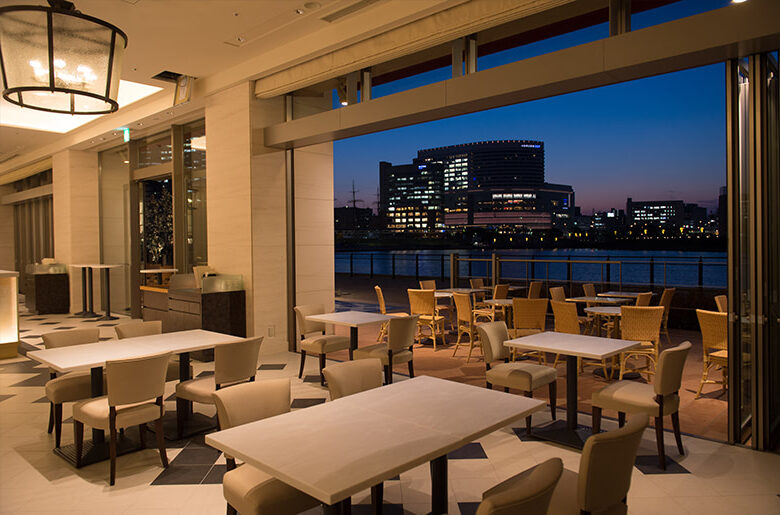
If your itinerary involves a romantic date night dessert bar, you need to walk past the train tracks toward the docklands. The venues framing the harbor view offer floor-to-ceiling windows looking out over the illuminated Cosmo Clock 21 Ferris wheel. Instead of plastic trays and power strips, these establishments lean into plated seasonal parfaits, rich chocolate terrines, and siphon-brewed coffee served in ceramic ware. Ambient lighting stays intentionally low, trading work ergonomics for privacy.
The Benchmarks: Hours, Outlets, and Seating Near the Station
Navigating Sakuragicho at night can lead to disappointment if you arrive at a commercial facility right as staff begin last orders. The table below outlines verified operational baselines for primary evening coffee destinations within an eight-minute walk of the JR ticket gates.
| Establishment & Location | Hours & Connectivity | Primary Audience | Typical Price Range |
|---|---|---|---|
| Starbucks (Colette Mare 2F)Direct station access | Closes at 10:00 PMFree Wi-Fi / Plentiful AC outlets | Solo laptop workers, commuters | ¥500, ¥850 |
| Cafe de la PresseNihon-Odori corridor (short transit) | Closes at 9:00 PM (varies)Limited power / Quiet interior | Classic dessert lovers, quiet readers | ¥900, ¥1,600 |
| The Royal Cafe YokohamaEast Exit transit concourse | Closes at 9:00 PMHigh-speed Wi-Fi / Low outlet density | Mid-century design fans, casual meetings | ¥750, ¥1,400 |
| Yokohama Landmark Tower LoungesMinato Mirai 2-1-1 | Closes at 10:30 PM (last orders 10:00)Stable hotel network / Select seating | Couples, late-evening scenic meetings | ¥1,200, ¥2,800 |
| Noge Border Craft & Coffee SpacesMiyagawacho / Noge perimeter | Closes at 11:00 PM to 12:00 AMVariable Wi-Fi / Casual seating | Night owls, espresso-tonic enthusiasts | ¥800, ¥1,500 |
High-Acreage Views and Quiet Walkways Along Kishamichi Promenade
One distinct advantage Sakuragicho maintains over central Tokyo districts like Shibuya or Shinjuku is open physical space. The walk connecting Sakuragicho Station to the Shinko island district runs straight down the Kishamichi Promenade, an old railway boardwalk running directly over the water. Grabbing an evening takeaway espresso and walking this corridor offers one of the best pedestrian experiences in the Kanto region.
The water reflects the skyline of Minato Mirai without the oppressive foot traffic of downtown entertainment quarters. Benches along the path sit underneath warm ambient light fixtures, making them practical rest spots during mild spring and autumn evenings. Couples and solo thinkers use this path to bridge dinner in Noge with a late drink closer to the docks. The air carries salt from the bay. The open sightlines make even a brief visit feel like an escape from Tokyo's tight urban density.
Inside the surrounding structures, Landmark Tower cafes let visitors look out across the same water from elevated vantage points. The trick is timing. Arriving around 8:15 PM allows you to catch the tail end of the dinner crowd clearing out, leaving broad stretches of window seating available just as the city lights hit peak saturation.
The Last Train Buffer: Open Past 10 PM Without the Izakaya Noise
The greatest challenge facing night visitors in Sakuragicho is the steep drop-off in operations once the clock strikes 9:00 PM. Many mall-based cafes close their registers early, leaving commuters with thirty to sixty minutes before the final Keihin-Tohoku or Negishi Line trains back toward central Tokyo.
If you need a reliable last train coffee near Sakuragicho, shift your attention toward the western footpaths leading into Noge’s fringes or the independent shops nestled along the Ooka River. These operations cater directly to customers who are done with dinner but want to avoid the rowdiness of a secondary bar. You will find small-batch drip roasts, hojicha lattes, and dark roast espressos prepared on manual levers, often served alongside craft stouts or IPAs for patrons in mixed groups.
These late operators protect their quiet atmosphere intentionally. Many implement soft rules against loud phone calls or high-volume group chatter late at night, ensuring solo readers and remote workers can finish their routines without disruption. If your laptop battery is drained, always ask the floor staff before plugging into wall sockets near floorboards, as older Japanese commercial buildings sometimes prohibit general device charging outside of marked counter stations.
Frequently Asked Questions (FAQ)
Q1: Which cafes near Sakuragicho Station reliably stay open past 10:00 PM?
A1: While interior mall cafes close between 8:00 PM and 9:00 PM, select street-facing branches around Colette Mare, Landmark Plaza hotel lounges, and hybrid coffee bars along the Noge and Miyagawacho borders stay active until 10:30 PM or 11:00 PM. Always check social media accounts for seasonal schedule updates before heading out.
Q2: Is high-speed Wi-Fi and laptop charging widely available in these spots?
A2: Chain cafes and modern complex locations inside station-adjacent developments offer dedicated power outlets at counter seats and reliable wireless connections. Independent roasteries and date-oriented venues near the harbor deliberately limit outlet access to preserve table turnover and maintain an uncluttered aesthetic.
Q3: Do evening cafes in Sakuragicho charge an evening seating fee or cover charge?
A3: Standard coffee shops and dessert lounges do not levy cover charges (*otoushi*). However, hybrid lounges that serve alcohol alongside espresso may introduce a nominal service fee of ¥300 to ¥500 per person if you visit after 9:00 PM. Checking the menu board at the entrance will confirm their evening billing policy.
Navigating Sakuragicho's Night Culture Beyond 2026
Sakuragicho's evening coffee scene has carved out an identity distinct from both Tokyo's fast-paced espresso counters and Yokohama’s historic drinking quarters. It functions as an essential decompression valve for the city. Whether you need an uninterrupted hour of keyboard focus before boarding the train, a peaceful bench walk along the boardwalk, or a quiet table to close out an evening date, the district now accommodates visits that do not center entirely around alcohol. Knowing where the retail boundaries lie and when each door locks ensures you spend your evening enjoying the waterfront rather than searching for an open seat.
