The Complete Viewer's Guide: Everything You Need to Know About Johnny's Stars in Wataru Seken
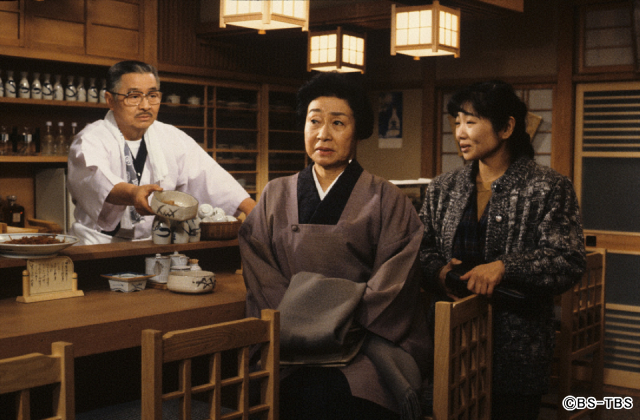
TBS’s flagship domestic chronicle Wataru Seken wa Oni Bakari remains the definitive mirror of modern Japanese family life, running across ten full seasons and dozens of television specials between 1990 and 2019. The show gained renewed momentum when BS-TBS launched an extensive year-long broadcast of Series 1 through 5 on March 31, 2025, honoring late screenwriter Sugako Hashida’s 100th birthday anniversary. As documented in a recent TVガイド Report, this retrospective programming cycle and the experimental AI Sugako Hashida Reiwa Edition broadcast in late December 2025 have driven younger viewers back to the Heisei-era franchise. For many modern viewers, the most striking discovery is the roster of male leads and breakout guest stars pulled directly from the talent stable of Johnny & Associates.
📌 Key Takeaways:
- Core Cast Anchor: Katsuhide Uekusa of legendary 1980s pop trio Shonentai spent over two decades playing Dr. Toru Honma, transforming from a teenage stage sensation into an enduring fixture of Japanese television dramas.
- Pre-Debut Footprints: Before launching to superstardom with Arashi in late 1999, Kazunari Ninomiya tackled Hashida’s notoriously rigorous multi-page monologues as a guest star in Series 4.
- Broadcast Revival: The BS-TBS centennial marathon running throughout 2025 and 2026 offers international and domestic audiences an unvarnished look at how Japanese home drama and male idol agencies cross-pollinated during the Heisei period.
The Hashida Centennial Resurgence and the BS-TBS Broadcast Marathon
Sugako Hashida passed away in 2021, yet her domestic chronicles still govern the emotional memory of Japanese television audiences. To celebrate what would have been her 100th birthday in 2025, BS-TBS cleared a daily weekday timeslot at 4:59 PM to run Series 1 through Series 5 sequentially across an entire calendar year. The initiative gave audiences their first comprehensive, chronological look at the Okakura family's formative storylines in over a decade.
The re-runs sparked fresh dialogue across social media platforms like X and boutique entertainment message boards. Viewers who grew up watching standard variety shows were surprised to find premier male pop idols embedded deep within Hashida’s dialogue-heavy scripts.
The revival did not stop with archival footage. In December 2025, BS-TBS aired the two-part AI Sugako Hashida Wataru Seken wa Oni Bakari Reiwa Edition, which used machine learning models trained on Hashida’s voluminous past scripts to explore how the surviving Okakura family members would navigate modern social realities. That forward-looking experiment only heightened interest in the original performances, directing audience attention back to the idols who carried the show's heaviest marital disputes.
Katsuhide Uekusa as Toru Honma: The Agency’s Living-Room Pillar
The presence of male idols in Wataru Seken wa Oni Bakari was far from a marketing gimmick. Its central pillar was Katsuhide Uekusa, a founding member of Shonentai. When Uekusa joined the cast in Series 2 (1993) as Dr. Toru Honma, he made a deliberate transition out of teen pop stardom and into the demanding world of ensemble adult drama.
Toru Honma became the romantic partner and eventual husband of Nagako Okakura, the fiery youngest daughter of the Okakura household. Their marriage functioned as an engine for the show's mother-in-law friction. Honma was caught constantly between his tyrannical mother, Kiwa, who ran a traditional Tokyo hospital, and Nagako’s fiercely independent professional ambitions.
Hashida’s production methodology terrified most contemporary actors. Her scripts featured virtually zero conversational filler, instead relying on uninterrupted three-to-five-minute single-take monologues (chou-serifu) filmed on fixed multi-camera studio stages. Uekusa did not simply survive this environment; he anchored it for 500 episodes and over 15 television specials. His portrayal turned Toru Honma into an archetype of the conflicted Heisei-era salaryman, caught between filial duty and modern domestic compromise.
Kenichi Okamoto’s Counterweight in the Okakura Family Tree
While Uekusa brought an earnest, conflicted warmth to the medical storyline, fellow Johnny's alumnus Kenichi Okamoto injected raw, volatile tension into another branch of the family. Okamoto rose to national fame as the charismatic vocalist and guitarist of rock outfit Otoko Gumi (男闘呼組). In Wataru Seken, he assumed the recurring role of Masayuki Endo.
Endo was introduced as a charismatic yet deeply problematic romantic partner for Akari, the rebellious eldest daughter of Yayoi Okakura. His narrative thread diverged sharply from the clean-cut boy-next-door imagery that the agency generally cultivated across 1990s variety television. Okamoto portrayed a man burdened by financial recklessness, interpersonal deceit, and emotional instability.
Okamoto's presence proved that the talent agency could serve serious dramatic theater rather than just light-hearted romantic comedies. His performance set the stage for his later transition into legitimate theatrical stage work, where he became one of Japan’s most decorated classical stage actors, receiving the Medal with Purple Ribbon from the Japanese government in 2021.

The Kazunari Ninomiya Cameo and the Idol Apprenticeship System
During the mid-to-late 1990s, the agency used prime-time domestic programming as a proving ground for its junior talent. The most striking historical example in Wataru Seken occurred in Series 4, which aired throughout 1998 and 1999.
Before his official commercial debut as a member of Arashi in November 1999, Kazunari Ninomiya made a notable guest appearance in Episode 36. Cast as Satoru, an adolescent tangled up in a neighborhood dispute linked to the Koraku ramen shop run by Satsuki Kojima, Ninomiya displayed the naturalistic, disarming screen presence that later caught the eye of Hollywood director Clint Eastwood for Letters from Iwo Jima (2006).
Producer Yasuo Ishii and Hashida did not pamper junior guests. Teen performers had to match the rapid-fire delivery of legendary stage veterans like Pinko Izumi and Hisano Yamaoka without breaking character. Ninomiya’s seamless appearance was an early demonstration of his versatility, showing an ability to blend into an ensemble cast without leaning on manufactured pop swagger.
Johnny’s Agency Appearances in the Series Run
The casting history between the production house and the agency spans decades. The table below details the primary figures who crossed through the Okakura family narrative:
| Actor | Affiliated Group | Character Name | Series Run | Narrative Role |
|---|---|---|---|---|
| Katsuhide Uekusa | Shonentai | Toru Honma | Series 2, 10, Specials (1993, 2019) | Core Lead; Nagako's doctor husband navigating intense family politics. |
| Kenichi Okamoto | Otoko Gumi | Masayuki Endo | Series 1, 2 (1990, 1994) | Volatile romantic partner and subsequent husband to Yayoi’s daughter, Akari. |
| Kazunari Ninomiya | Arashi (Pre-debut) | Satoru | Series 4, Episode 36 (1999) | Guest Role; an estranged youth interacting with the Kojima family's restaurant. |
Domestic Drama as the Ultimate Test of Pop Stardom
Contemporary television in the West often views teen-pop stardom and prestige multi-generational family drama as entirely incompatible genres. In Japan during the 1990s and early 2000s, crossing into these programs was necessary for longevity.
The Heisei-era production model demanded that pop idols prove their appeal to multi-generational households. While music chart shows targeted teenage girls on Friday nights, Hashida’s Thursday night dramas captured upwards of 30% household ratings across parents, grandparents, and children alike. Appearing on Wataru Seken meant being vetted by the most critical living-room audiences in Japan.
Actors who survived Hashida's production process earned immediate industry credibility. The absence of jump cuts and conversational editing forced actors to memorize scripts that often spanned 15 uninterrupted pages. Both Uekusa and Okamoto successfully leveraged their time in the series to step away from ephemeral pop novelty, securing permanent positions across mainstream theater, commercial television, and radio broadcasting.
Frequently Asked Questions (FAQ)
Q1: Why did Johnny & Associates send their idols into a domestic family drama like Wataru Seken?
A1: During the 1990s, household ratings for prime-time family dramas routinely exceeded 25% to 30%. Casting idols alongside established veteran actors expanded their demographic appeal beyond teenage music fans, turning them into recognizable figures for older Japanese households.
Q2: Did Kazunari Ninomiya hold a recurring role in Wataru Seken wa Oni Bakari?
A2: No. Ninomiya appeared strictly as a guest star in Series 4, Episode 36 in 1999, playing an estranged adolescent shortly before making his debut with Arashi later that November.
Q3: Which Johnny’s idol logged the most appearances across the franchise?
A3: Katsuhide Uekusa of Shonentai. Joining the cast in Series 2 (1993) as Dr. Toru Honma, he remained an essential series regular across nine seasons and all post-finale television specials through 2019.
Q4: Where can viewers watch the classic episodes featuring these idol appearances?
A4: BS-TBS launched a full rebroadcast of Series 1 through 5 on March 31, 2025, running daily on weekdays to commemorate Sugako Hashida’s 100th anniversary, alongside on-demand availability on Japanese domestic streaming platforms such as U-NEXT.
The Enduring Cultural Footprint of the Okakura Household
Looking back from the vantage point of 2026, the intersection between the Johnny's agency and Wataru Seken wa Oni Bakari represents a lost era of monocultural Japanese entertainment. At a time when viewers gathered around a single television set on Thursday evenings, pop stars could not hide behind digital image manipulation, short-form editing rhythms, or vocal production tricks. They were expected to memorize multi-page monologues, stand on a fixed studio set across from theatrical veterans, and hold the gaze of millions of multi-generational households.
The archival run on BS-TBS and the ongoing discussions around the AI Sugako Hashida projects highlight that durability. Katsuhide Uekusa's decade-spanning journey as Toru Honma and Kenichi Okamoto's intense, conflicted presence gave the show sharp emotional weight. By looking back at their time in the Okakura family orbit, modern viewers uncover the foundational training ground that transformed mid-century boy-band idols into the defining character actors of contemporary Japanese drama.
