The Culinary Science of Crisp Komatsuna: Temperature Rules for Eggs and Fish Cakes Explained
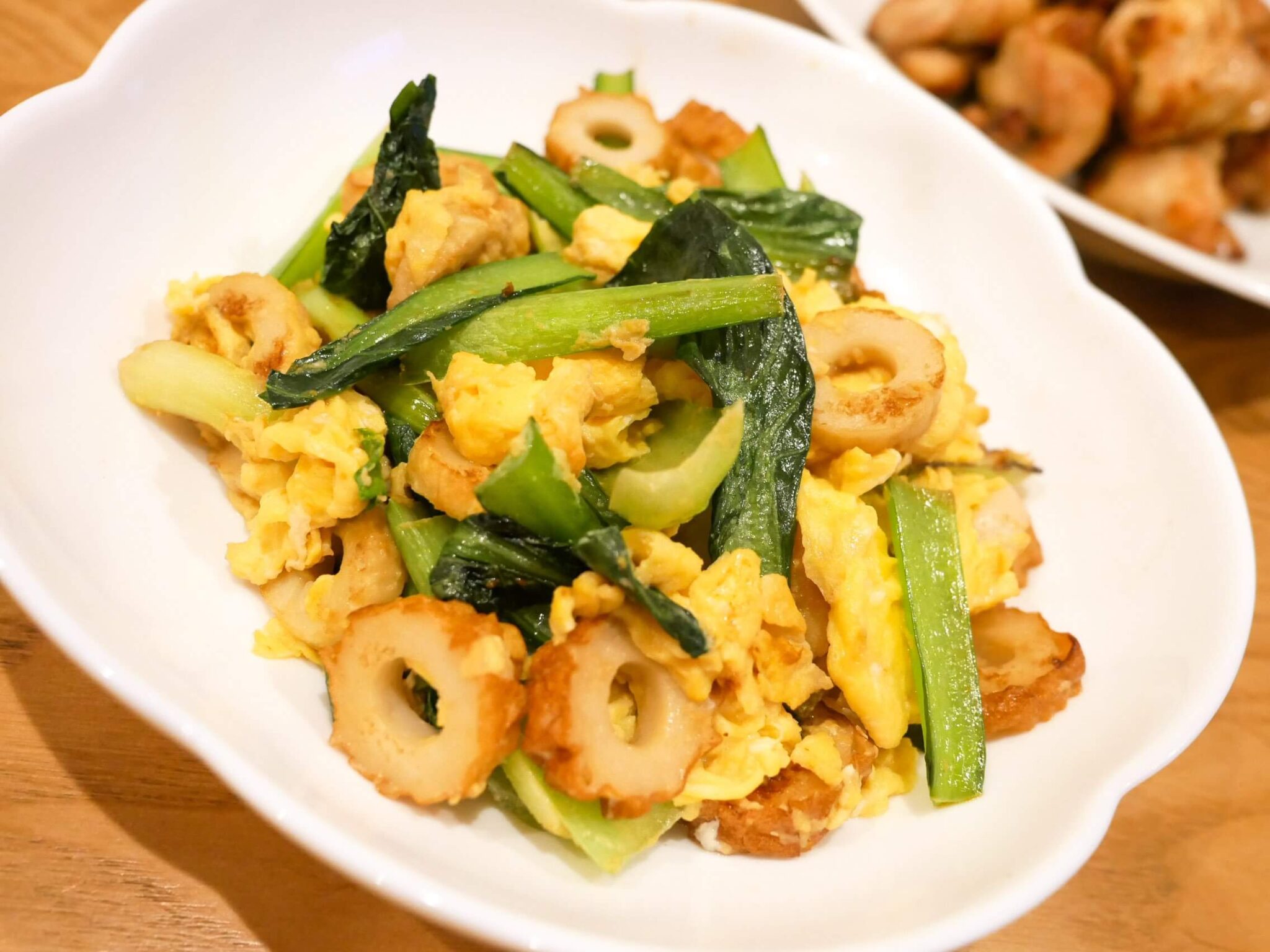
A common failure in home stir-frying happens silently inside the skillet: a sudden pool of green-tinted liquid floods the pan, transforming crisp greens into limp strands and reducing delicate curds of egg into a rubbery, wet mess. This moisture purge frustrates home cooks attempting classic Japanese skillet sides. The combination of Japanese mustard spinach (komatsuna), tube-shaped fish cake (chikuwa), and scrambled eggs represents a bedrock of everyday Japanese home cooking. It delivers affordable protein, deep savory depth, and vibrant color to weeknight dinner tables and lunchboxes alike. Yet, as analyzed in a recent MSN Report tracking viral everyday meal formulas, the dish's popularity hinges entirely on structural execution.
Keeping this trio pristine requires understanding how plant cell walls, surimi binders, and egg proteins behave under thermal stress. The difference between an uninspired cafeteria side and a crisp, glossy showstopper comes down to heat sequencing and moisture control.
📌 Key Takeaways:
- Thermal Partitioning: Scrambling the eggs first and setting them aside prevents them from absorbing moisture released by the greens.
- Cellular Preservation: High heat wok searing collapses the leaf volume while keeping the pectin in the stems intact, preventing vegetable weeping.
- Umami Cushioning: Pre-toasting chikuwa fish cake creates porous, blistered surfaces that capture runaway sauces and balance seasoning.
The Cellular Mechanics of Leafy Greens Under Heat
Komatsuna carries a significantly higher calcium and water ratio than standard spinach, encased in a thicker cellulose scaffolding. When raw stems touch heat, internal vacuole pressure expands rapidly. If cooking temperatures linger below 100°C, cell membranes burst slowly, dumping cytoplasmic water straight onto the cooking surface.
Osmotic shock accelerates this water loss. Adding granular salt or high-sodium shoyu directly over raw greens draws intracellular moisture through the cell walls via osmosis. The liquid dilutes pan heat, drops the surface temperature, and transitions the cooking process from a high-heat sear into an unwanted braise.
To preserve vegetable moisture retention, chefs cut komatsuna by separating the thick, fibrous stems from the fragile leafy tops. The dense lower stems tolerate 40 to 50 seconds of intense contact with heat, while the thin leaves need only 15 seconds to soften. Staggering their entrance halts overcooking and keeps the stems audibly crunchy.
The Two-Stage Heat Rule for Soft Eggs and Crunchy Brassicas
Egg proteins denature along a narrow temperature curve. Ovalbumin and ovotransferrin begin solidifying between 62°C and 80°C. Exceeding that threshold produces tightly knotted protein networks, which squeeze out water and turn curds chalky. Conversely, searing komatsuna demands pan temperatures between 180°C and 200°C to flash-evaporate surface dampness without softening structural pectin.
These opposing thermal demands cannot share a skillet at the exact same moment. Prominent culinary specialist Wu Wen frequently emphasizes thermal independence when combining eggs with hardy greens. The method is straightforward: whisk eggs with a splash of mirin and salt, pour them into hot oil for 10 to 12 seconds, push the soft folds gently, and slide them out onto a plate while the center remains glossy and slightly underdone.
The pan returns to high heat for the vegetables. The warm eggs re-enter the pan during the final 10 seconds of cooking, simply folding into the seasoned vegetables rather than cooking alongside them.
Chikuwa as a Savory Sponge and Texture Counterweight
Chikuwa fish cakes provide critical functional chemistry in this recipe. Crafted from pureed white fish (surimi), starch, and egg white, then rolled onto bamboo or metal skewers and baked, chikuwa offers a chewy bite rich in natural inosinate and glutamate.
Cutting chikuwa diagonally into 5-millimeter rings exposes a wide cross-section of its spongy interior. Searing the fish cake alongside the komatsuna stems browns the exterior sugars through Maillard reactions and drives off internal moisture.
Once dehydrated in the pan, the fish cake acts as an edible sponge. It drinks in rogue vegetable juices alongside a reduction of soy sauce, sake, and dashi, anchoring the seasoning so liquids never pool at the bottom of the bowl.
| Ingredient Stage | Pan Temperature | Dwell Time | Texture Metric |
|---|---|---|---|
| Beaten Eggs (Phase 1) | 160°C, 170°C | 12, 15 seconds | Soft, pillowy curds |
| Chikuwa & Stems (Phase 2) | 190°C, 210°C | 45, 60 seconds | Crisp snap, charred edges |
| Leaves & Glaze (Phase 3) | 180°C, 190°C | 20, 30 seconds | Wilted yet firm leaf tips |
| Recombined Fold (Phase 4) | Residual Heat ( | 10 seconds | Silken, cohesive glaze |

Flavor Emulsification: Why the Pan-Rim Technique Works
Pouring cold liquid seasoning directly onto simmering ingredients instantly cools down the cooking surface. It washes away hot fat and turns the pan's contents soggy.
To prevent this drop in heat, professional cooks push the seared greens and fish cakes to one side of the skillet. The seasoning blend, such as soy sauce, sake, and concentrated dashi, is poured against the cleared, scorching pan base. This move triggers instant caramelization.
The alcohol cooks off in seconds, reducing the liquids into a concentrated syrup. A final drizzle of toasted sesame oil creates a light lipid glaze. Swirling the greens and chikuwa through this sticky glaze coats the stems and prevents internal water from breaking through. The reserved eggs are folded in at the very end, absorbing the residual sauce without turning damp.
Solving Bento Breakdown: Keeping Sides Crisp for Hours
Home cooks building morning bento boxes face a major hurdle: condensation. Pack warm stir-fry into an airtight plastic container, and steam condenses on the lid, dripping back down to turn ingredients limp by lunchtime.
This moisture problem ruins textures and speeds up spoilage. To make this stir-fry bento-safe, cooks rely on two adjustments:
- The Dry-Down Step: Once the skillet leaves the heat, tilt the pan for 30 seconds. Blot any stray liquid on the pan edge with a paper towel before adding the eggs.
- Katsuobushi or Ground Sesame Base: Scatter a small pinch of toasted ground sesame seeds or finely shaved bonito flakes directly across the bottom of the bento compartment. These dry flakes create a moisture-absorbing bed, catching any sauce that drips during transit.
When cool, the sesame oil glaze locks the stems in place. The komatsuna stays crisp, the chikuwa remains savory and chewy, and the eggs retain their tender texture hours after preparation.
Frequently Asked Questions (FAQ)
Q1: Can I replace komatsuna with regular western spinach?
A1: Western spinach contains significantly more oxalic acid and a weaker cell structure, meaning it wilts faster and releases far more water. If using western spinach, blanch it briefly, squeeze out every drop of excess moisture, and add it only in the final 10 seconds of cooking. Bok choy or tatsoi serves as a much closer direct substitute for komatsuna.
Q2: Why did my eggs turn gray or watery inside the bento?
A2: This happens when the eggs overcook in the pan or spend too much time simmering in soy sauce. Salt and acid pull moisture out of delicate egg curds. To keep them bright and pillowy, cook the eggs in plenty of oil until barely set, remove them immediately, and only toss them back into the pan off the heat.
Q3: Is it safe to skip dashi and use only soy sauce and sugar?
A3: Yes, though using only soy sauce and sugar creates a heavier, sweeter profile reminiscent of standard teriyaki. Dashi brings naturally occurring glutamic acid that links the fish cake's flavors to the earthiness of the greens without requiring excess salt.
Mastering the 3-Minute Skillet Method
Preparing komatsuna, chikuwa, and eggs successfully requires a thoughtful cooking order rather than fancy equipment. The secret lies in treating each ingredient with respect for its chemistry: flash-setting the eggs at moderate heat, pushing the pan to maximum temperature for the stems, and allowing the porous chikuwa to soak up the concentrated sauce.
Once you master this simple sequencing, you eliminate watery greens for good. In under five minutes, humble pantry staples transform into a dependable, vibrant side dish that delivers rich flavor, great color, and satisfying crunch to any dinner plate or lunchbox.
