The Dark Side of Matching Souvenirs: Why School Trip Peer Pressure Sparks Backlash
For generations of Japanese students, the annual school trip (shugaku ryoko) has served as an essential coming-of-age ritual. Yet an unspoken social mandate, buying matching outfits and merchandise, is increasingly sparking bitter playground politics. The simmering tension erupted into nationwide debate after a widely circulated commentary documented by a note Report highlighted a parent's account of their daughter visiting Universal Studios Japan (USJ). When peer pressure mounted for every girl in the group to purchase identical character headbands, the student flatly declined, declaring she had already budgeted for an item she actually wanted. The immediate result was icy silence, sulking, and instant classmate relationship strain.
What used to pass as innocent teenage bonding has morphed into a high-stakes test of social compliance. As schools enforce strict spending ceilings and families navigate rising consumer prices, the pressure to coordinate everything from USJ matching accessories to plush keychains is exposing the hidden fault lines of student group conformity dynamics.
📌 Key Takeaways:
- The Spark: A viral account of a student refusing to buy matching theme park headbands exposed intense peer enforcement mechanisms during school excursions.
- The Economic Crunch: Fixed pocket money allowances collide with theme park inflation, leaving students with little budget for personal choices or traditional family gifts.
- Institutional Response: Schools and teachers increasingly intervene in student spending to prevent financial exclusion and friendship fallouts.
The USJ Headband Incident That Split Social Media
The viral incident captured a sentiment shared by thousands of Japanese parents and teenagers. During a middle school trip to Osaka, a clique of girls insisted that everyone buy matching character headbands priced between ¥2,500 and ¥3,800 ($16, $25). One student stood her ground: "I already decided what I want to buy, so I will pass. You guys can match if you want."
Her refusal instantly soured the atmosphere. The girl who organized the matching demand became openly hostile, treating independence as betrayal. When the parent recounted the exchange online, reactions polarized immediately. One camp praised the young girl for resisting peer pressure and exercising autonomy over her own money. The opposing camp argued that school trips are fundamentally collective exercises where disrupting group harmony creates avoidable friction.
The controversy highlighted how deeply matching items have become intertwined with belonging. In Japanese youth culture, wearing matching accessories (osoroi) is not just decorative. It establishes visible borders around a clique, signaling collective solidarity to surrounding peers. Refusing to purchase the item is interpreted not as a financial preference, but as an explicit rejection of the group.
Souvenir Budget Friction and the Pocket Money Crunch
Behind the social friction lies a practical, mathematical problem: student allowances have failed to keep pace with theme park retail inflation. A survey of domestic educational itineraries reveals that typical pocket money limits set by public schools remain tightly controlled, creating sharp trade-offs inside commercial venues.
As documented by Japanese educational monitors and reported by Yahoo! News Japan, schools frequently mandate that teachers physically manage student cash envelopes or enforce strict allowance caps to prevent theft and inequality. When half of a student's total discretionary budget is consumed within fifteen minutes at a theme park turnstile by peer-pressured accessories, nothing remains for regional specialties or gifts for siblings.
| School Level | Average Cash Limit | Matching Item Cost Share | Primary Source of Friction |
|---|---|---|---|
| Elementary School (Grade 6) | ¥3,000, ¥5,000 | 50%, 70% of total allowance | Running out of money before buying family gifts |
| Junior High School (Grade 9) | ¥10,000, ¥15,000 | 25%, 35% of total allowance | Cliques ostracizing members who opt out of theme park gear |
| Senior High School (Grade 11/12) | ¥25,000, ¥40,000 | 15%, 25% of total allowance | Social media pressure to stage coordinated group photography |
A recent cultural dispatch from the Shizuoka Shimbun highlighted how regional gifting customs evolve as children grow. While elementary children typically spend their limited coins on cheap plastic knick-knacks and novelty pens, junior high students traveling to historic capitals like Kyoto and Nara increasingly gravitate toward traditional confections like yatsuhashi. Forcing high-margin plastic park ears into this equation disrupts a child's early lessons in budgetary self-regulation.
Adolescent Friendship Friction and the Cost of Nonconformity
Fear of missing out in teen groups operates with punishing efficiency during multi-day excursions. Students spend weeks before departure organizing group rosters, map routes, and coordinated fashion codes. When a peer breaks ranks, the group dynamic fractures.
Adolescent psychology research points to high anxiety levels regarding visible exclusion. In a shared hotel room or crowded theme park lane, physical markers define internal hierarchies. When four out of five group members wear matching Snoopy hats, the fifth student stands out in every group selfie uploaded to private Instagram Stories or BeReal accounts.
This dynamic creates silent compliance. Many students privately express resentment over purchasing merchandise they dislike, yet comply simply to avoid spending the remainder of a three-day trip walking three paces behind the pack. The financial penalty is accepted as a protective tax against adolescent ostracism.
Teacher Intervention in Student Spending and Evolving School Rules
The rise of petty squabbles over money has prompted secondary schools to re-examine how excursions are run. Historically, school handbooks focused on curfew times, transit etiquette, and uniform codes. Now, administrative directives increasingly target commercial behavior inside recreational zones.
Some institutions have introduced blanket bans on wearing retail headbands or oversized character plushies outside theme park borders, requiring students to stash all purchases inside their bags immediately upon exiting the gates. Others mandate digital payment logs or hold pre-trip workshops where students draft explicit spending balance sheets before boarding the bullet train.
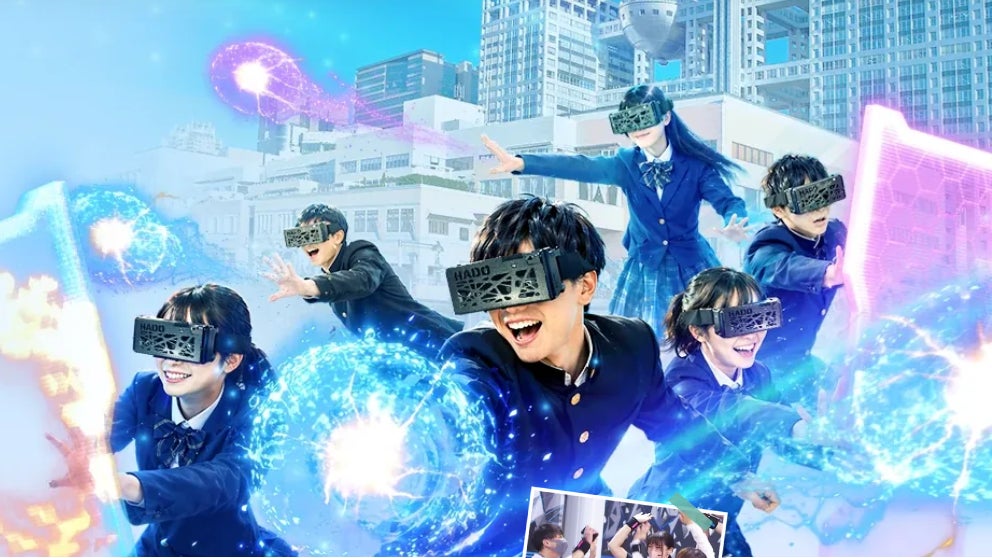
Simultaneously, educational travel coordinators are looking beyond commercial theme parks. According to corporate filings from AR developer meleap, interactive group activities like the augmented reality esport HADO are seeing rapid adoption on school excursions. By substituting commercial shopping malls with structured digital athletics, schools aim to curb souvenir-driven peer friction while preserving collaborative bonding.
Rethinking Collective Rituals in Japanese Education
The pushback against forced matching reflects a broader demographic shift. The current generation of students values individuality and authentic personal interest far more than previous cohorts, creating natural resistance to the strict, collective customs favored by older institutional frameworks.
Educational analysts suggest that the solution is not to ban group merchandise outright, but to decouple personal affection from commercial conformity. Learning to say "no" to a collective purchase without forfeiting a friendship is a critical developmental milestone. School trips exist to prepare youth for society; navigating differing budgets and personal tastes without social retaliation is among the most valuable lessons an excursion can offer.
Frequently Asked Questions (FAQ)
Q1: Why are matching items so prominent on Japanese school trips?
Coordinated accessories, known as osoroi, serve as visual shorthand for solidarity, belonging, and shared memories. During major milestones like visits to Tokyo Disney Resort or Universal Studios Japan, wearing identical headbands or keychains reinforces peer group identity and creates uniform photo opportunities for social media.
Q2: How much money do students typically bring on these excursions?
Allowances vary by educational stage. Elementary school guidelines generally cap spending at ¥3,000 to ¥5,000. Junior high schools permit ¥10,000 to ¥15,000, while senior high school limits range from ¥25,000 to ¥40,000, depending on destination distance and itinerary duration.
Q3: Are Japanese schools moving to ban matching outfits or accessories?
Rather than outright bans on purchasing items, schools are implementing practical boundaries. Common measures include prohibiting matching civilian clothing during transit, restricting the wear of amusement park accessories to the interior of the park grounds, and educating students on respecting individual spending limits without social exclusion.
The Future of Student Autonomy on the Road
The viral debate over a single theme park headband has struck a resonant chord because it touches the core tension of modern Japanese education: balancing collective cohesion with personal freedom. As commercial attractions become more expensive and teenage culture embraces self-expression, the expectation of complete uniformity is losing its grip. School excursions will continue to serve as formative adolescent journeys, but the standard of what constitutes a loyal friend is finally being rewritten.
