The Dollar Store Myth Busted: Behind the Internet Legend of 100-Yen Intimacy Products
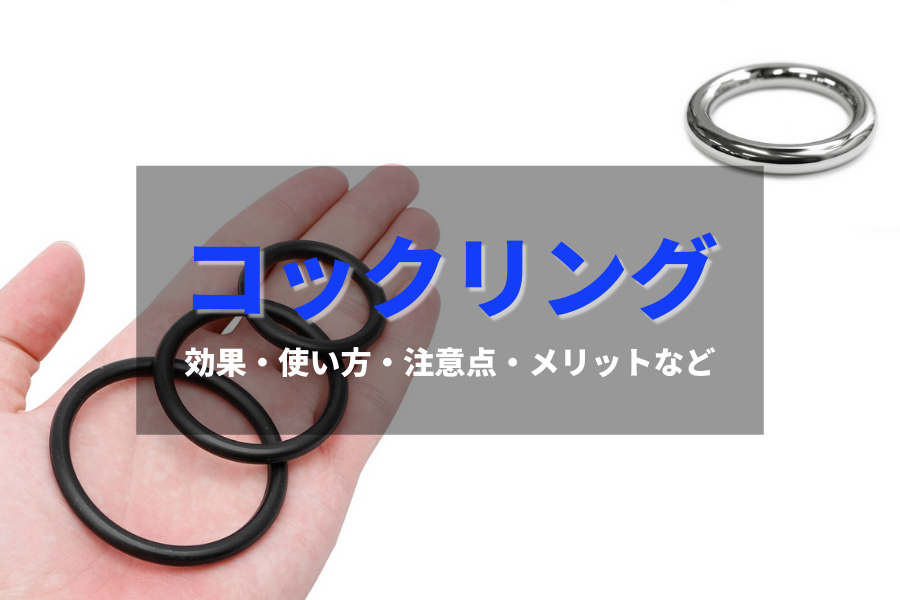
Every few months, Japanese social media threads and Western budget forums revive an alluring urban legend: that discount 100-yen retail giants quietly stock adult novelties, or that everyday dollar-store hardware can double as bedroom aids. Search volumes for "コック リング 100 均一" spike alongside viral posts claiming that a trip to Daiso, Seria, or Can Do can replace a visit to an adult boutique. The narrative blends curiosity with extreme penny-pinching. It also pushes dangerous medical misinformation directly into mainstream circulation.
The reality is clear. Japan's major 100-yen retail conglomerates enforce strict, family-oriented inventory controls that bar adult items from store shelves. Even worse, the makeshift substitutes trending across digital message boards, plumbing gaskets, rubber hair ties, and silicone cable organizers, pose immediate physical hazards. Urologists routinely treat severe penile strangulation, tissue ischemia, and permanent vascular trauma caused by makeshift constriction devices. Saving roughly $10 on a sexual wellness item can quickly result in an emergency room surgical intervention.
📌 Key Takeaways:
- The Corporate Reality: Japan’s top 100-yen chains (Daiso, Seria, Can Do) maintain strict family-friendly merchandise codes; none manufacture, stock, or sell adult intimacy products.
- The DIY Danger: Improvising intimacy aids with hardware O-rings or elastic hair bands creates severe penile strangulation hazards that frequently require industrial tools to cut off in the emergency room.
- Material Standards: Certified intimacy devices require medical-grade silicone or elastomers designed to stretch under pressure and release safely, while industrial hardware leaches toxic plasticizers directly into mucous membranes.
The Viral Origins of the 100-Yen Intimacy Rumor
The rumor that 100-yen stores sell intimacy devices did not originate in an aisle; it grew inside anonymous internet subcultures. Over two decades, message boards like 2channel (now 5channel), personal blogs, and later TikTok and X circulated tongue-in-cheek "lifehacks" pointing out items resembling adult products. Photos of circular silicone bottle grippers, finger stretchers, and elastic cord wraps were posted with wink-and-nod captions suggesting alternative bedroom applications.
Context evaporated over time. Satirical forum posts morphed into genuine buyer queries. Budget-conscious consumers, embarrassed to visit adult stores or order marked parcels online, began searching physical inventory lists for discrete, hyper-cheap alternatives. By 2024, 2026, search algorithms amplified the term alongside budget male enhancement myths, tricking inexperienced buyers into believing Japanese dollar stores carry discreet sexual health inventory.
The myth expanded internationally through travel vlogs and novelty culture blogs that romanticize Japan as an anything-goes retail playground. Foreign visitors frequently walk into central Tokyo Daiso flagships expecting eccentric adult gizmos hidden behind curtained sections. They find school stationery, kitchenware, and gardening shears instead.
Corporate Retail Policies at Daiso, Seria, and Can Do
Japan’s discount retail market operates under uncompromising corporate governance. Daiso Industries Co., which manages over 5,000 stores globally, runs its enterprise as a universal household utility. Its operational charters mandate that every product category remain suitable for multi-generational shoppers, from unaccompanied school children to senior citizens.
Public company filings and merchandising guidelines across the big three, Daiso, Seria Co., and Can Do Co. (owned by retail giant Aeon), show zero tolerance for adult-categorized inventory. Procurement contracts strictly bind suppliers to general consumer goods standards, audited by municipal trade commissions. Selling intimacy devices would jeopardize corporate zoning permits, lease agreements inside high-end suburban shopping malls, and lucrative corporate partnerships with mass transit networks like JR East.
A spokesperson for Japanese retail compliance standards noted in recent corporate filings that family-friendly brand equity takes absolute precedence over fringe category margins. 100-yen chains thrive on velocity and broad appeal. Risking suburban family foot traffic to sell a 100-yen adult novelty contradicts the entire retail model.
The Dangerous Mechanics of Makeshift Constriction Devices
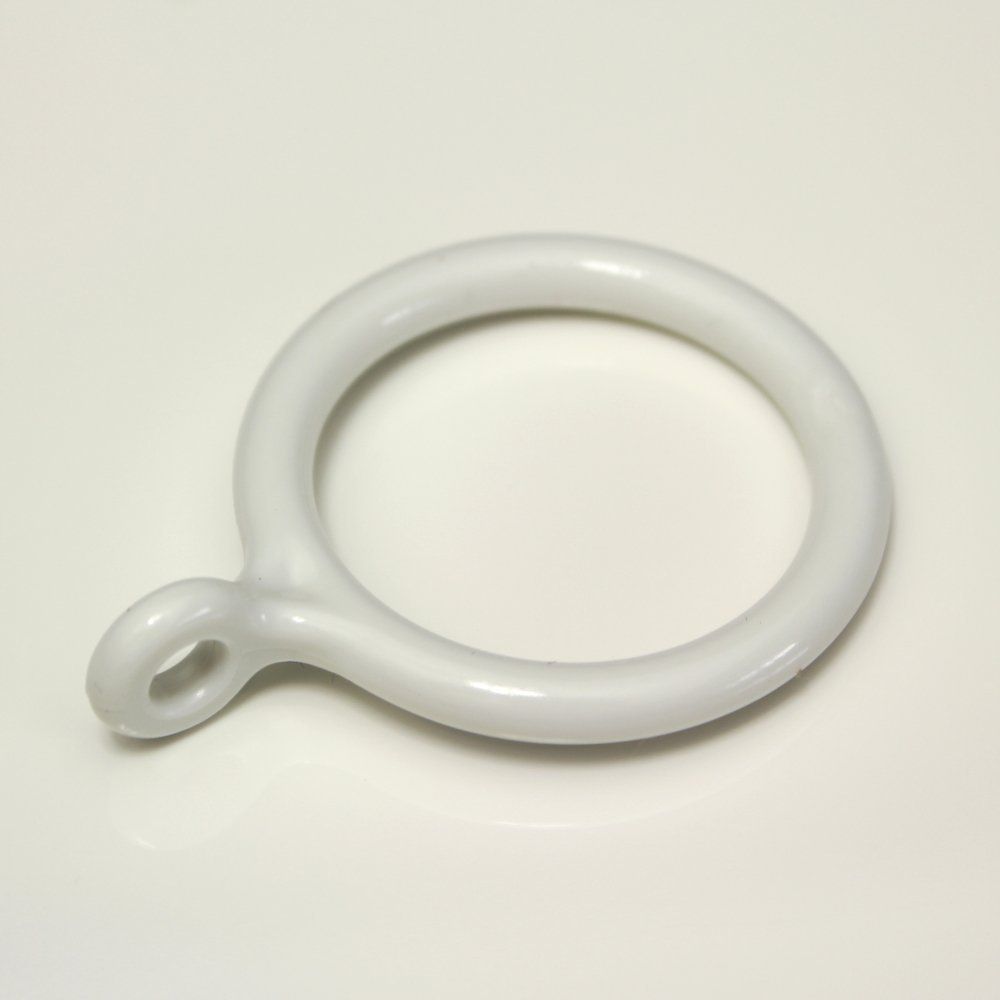
When shoppers discover that commercial intimacy rings do not exist in dollar stores, some turn to dangerous improvisations. Social media threads frequently propose using industrial plumbing O-rings, hair ties, rubber bands, or plastic cable organizers as constriction ring substitutes. These items are mechanically unfit for human anatomy.
Constriction rings work by allowing arterial blood to enter the erectile tissue while gently restricting venous return, sustaining firmness. Certified medical and consumer devices feature specific elasticity thresholds: if tumescence becomes excessive or painful, the material stretches, rolls, or snaps before cutting off circulation entirely. Industrial silicone O-rings, conversely, possess virtually zero tensile yield. Once an erection fully engorges, the rigid ring locks the blood within the corpora cavernosa.
Trapped blood quickly loses oxygen, triggering acute ischemia. Within 30 minutes, tissue swelling accelerates, creating an irreversible tourniquet effect. The swollen glans blocks the ring from sliding backward. What started as a cheap hack becomes a dangerous entrapment emergency.
Makeshift Hacks vs. Regulated Intimacy Devices
Evaluating dollar-store items against legitimate intimate wellness products reveals stark contrasts in engineering, chemical safety, and mechanical tolerance.
| Product Category | Material Composition | Elasticity & Release Safety | Health Hazard Profile |
|---|---|---|---|
| Industrial Plumbing O-Rings | Nitrile rubber, neoprene, industrial vulcanized elastomer | Extremely low elasticity; designed to resist high pipe pressure without stretching | High risk of irreducible strangulation; leaches toxic plasticizers and petroleum residues |
| Dollar-Store Hair Ties & Rubber Bands | Braided synthetic fabric, latex, cheap synthetic adhesives | Uneven tension; multiple wraps create erratic, concentrated pressure bands | Severe localized ischemia, skin laceration, rapid edema trapping the band |
| Regulated Intimacy Rings | 100% Medical-grade platinum silicone or body-safe TPR | High elongation ratio (often stretching 300%, 500% of original diameter) | Non-porous, hypoallergenic, manually removable during tumescence, phthalate-free |
Emergency Room Realities of Penile Strangulation
Urological surgical literature documents steady admissions involving entrapment injuries caused by non-medical rings. Cases documented in clinical reports from Japan, Europe, and the United States highlight the catastrophic outcomes of industrial ring entrapment. When patients arrive after hours of failed home removal, standard medical scissors are useless against reinforced rubber, steel gaskets, or high-tensile hardware.
Emergency medical teams must use orthopedic oscillating bone saws, pneumatic mini-grinders, or bolt cutters to cut through trapped hardware. These power tools generate significant frictional heat. Doctors must continuously flush tissue with ice water to prevent full-thickness skin burns while cutting millimeters away from compromised blood vessels.
Delays past the two-hour mark risk irreversible trauma. Complications include tissue necrosis, deep vein thrombosis, permanent erectile dysfunction, and partial or total gangrene requiring surgical debridement. The patient who avoided spending $15 on a regulated, certified device faces thousands of dollars in emergency surgery and potential lifelong disability.
Chemical Contamination and Toxic Material Leaching
Beyond mechanical strangulation, chemical contamination presents an invisible threat. Household hardware sold at discount stores complies with home-utility safety guidelines, not biocompatibility laws. Industrial O-rings contain chemical plasticizers, vulcanizing accelerators, and heavy metals engineered solely for plumbing pipes or automotive engines.
Genital skin and mucous membranes absorb chemical compounds at rates significantly higher than normal epidermis. When cheap industrial polymers warm to body temperature and mix with perspiration or lubricants, they shed toxic chemical compounds:
- Phthalate Plasticizers: Linked to endocrine disruption and acute allergic contact dermatitis.
- Polycyclic Aromatic Hydrocarbons (PAHs): Toxic processing residues commonly present in low-cost black rubber and recycled plastics.
- Industrial Lubricants: Factory-applied anti-seize powders and petroleum release agents that cause severe chemical urethritis.
Certified intimacy devices undergo strict toxicity testing. Legitimate manufacturers source platinum-cured silicone certified under ISO 10993 biocompatibility standards. These materials are non-porous, boilable, and free of phthalates, latex, and reactive catalysts.
Frequently Asked Questions (FAQ)
Q1: Has Daiso or any 100-yen chain ever sold adult novelties under a discrete label?
A1: No. None of Japan’s major 100-yen retailers (Daiso, Seria, Can Do, Watts) have ever manufactured or sold adult novelties. Their commercial operating licenses and corporate brand codes strictly limit inventory to universal general consumer goods.
Q2: Why do people recommend hair ties or rubber bands online as budget alternatives?
A2: Internet forums often amplify dangerous hacks as practical advice. Users assume that because an item is elastic, it is safe. Hair ties and rubber bands lack calibrated tensile stretch, easily cutting off circulation and causing severe skin lacerations when engorgement occurs.
Q3: What should someone do if a ring or makeshift band becomes stuck and cannot be removed?
A3: Seek emergency medical care immediately. Do not use power tools, knives, or open blades at home. Apply an ice pack briefly to reduce swelling, elevate the pelvis, and proceed to the nearest emergency department before irreversible vascular damage occurs.
The True Price of Bedroom Shortcuts
The internet loves a bargain, and it loves urban legends even more. The idea that 100-yen stores quietly stock intimate accessories is an amusing myth, but treating household hardware as medical-grade bedroom gear carries severe medical risks. Saving a few dollars on makeshift items trades certified safety engineering for toxic chemical exposures and dangerous vascular trauma.
Consumer sexual wellness has evolved into a heavily tested health category. Modern certified devices are designed to protect vascular health with precise elasticity tolerances, body-safe materials, and quick-release designs. Safe intimate health requires proven medical standards, protection that no hardware aisle or discount bargain bin can provide.
