The End of Fluorescent Tubes: Decentering the Myths Around Safety, Costs, and LED Swaps
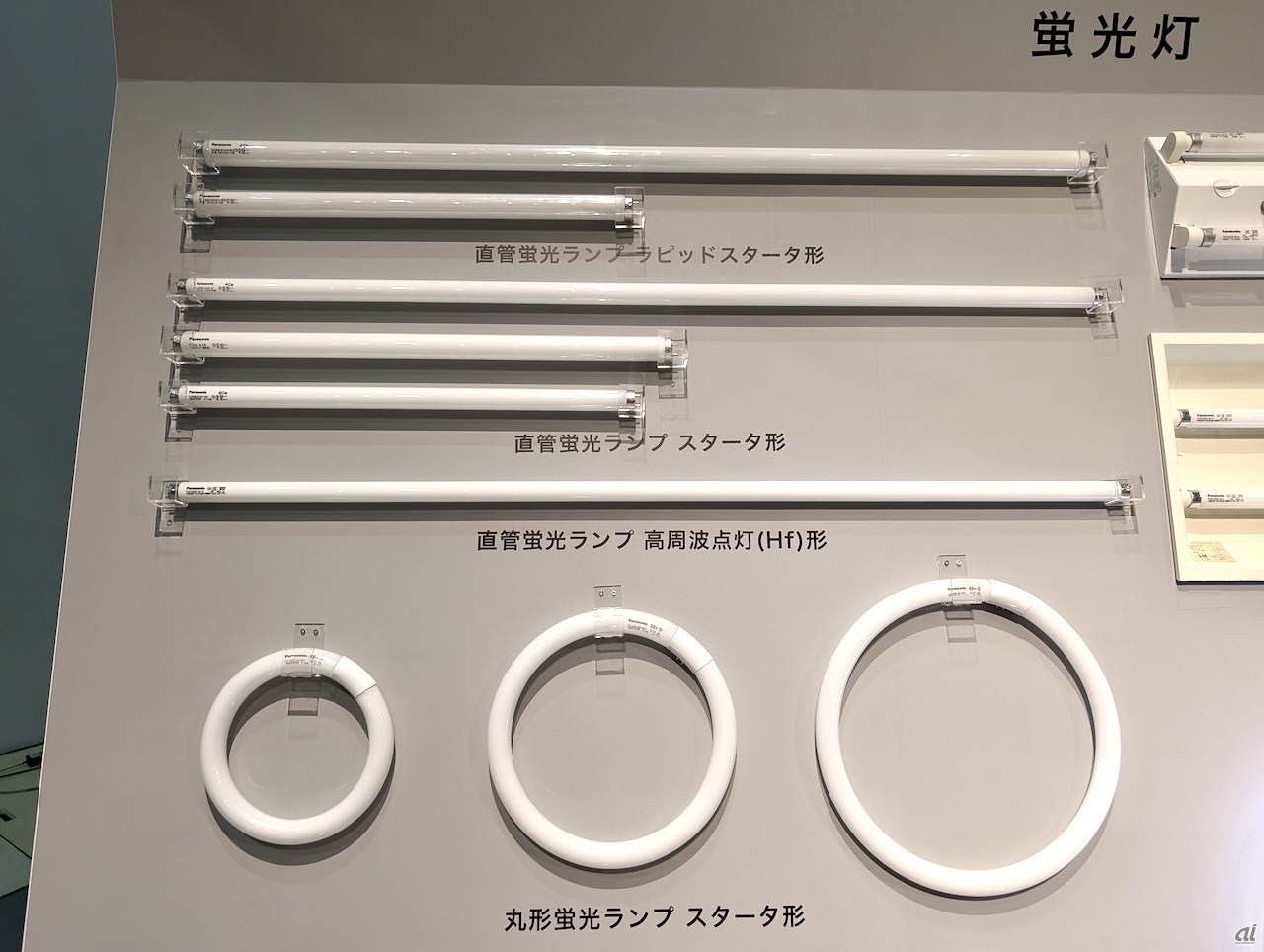
Rumors suggesting that code enforcement will rip fluorescent light fixtures from residential kitchens and basement workshops before the year ends are completely unfounded. Operating existing tubular fixtures remains entirely legal. However, the supply chain keeping those flickering glass tubes alive is shutting down permanently.
Under amendments to the international Minamata Convention on Mercury, global production, export, and import of general-purpose fluorescent tubes will cease by the end of December 2027. Lighting manufacturers have already accelerated their exit timelines. According to an official CNET Report, Panasonic Electric Works will terminate all domestic fluorescent tube manufacturing by September 2027, redirecting resources to its Niigata LED facility. Competitors Toshiba Lighting and Hotalux have outlined identical exit strategies running through late 2027. Once store shelves clear, replacement tubes will vanish. For homeowners, renters, and workspace managers, the coming cutoff offers an overdue opportunity to eliminate harsh commercial glare and transform clinical ceiling boxes into warm, intentional design features.
📌 Executive Brief:
- The Legal Deadline: Fluorescent fixtures are not banned from use, but international manufacturing and import bans take full effect by December 31, 2027.
- Hidden Ballast Hazards: Electronic and magnetic ballasts past their standard 10-year lifespan overheat, leak synthetic pitch, hum loudly, and risk electrical fires when paired with mismatching LED drop-ins.
- Modernization Paths: Solutions range from magnetic fabric diffusers for rental properties to complete ballast-bypass LED retrofits that slash energy draw by up to 60%.
The Regulatory Realities Behind the 2027 Phase-Out
Public confusion regarding the legal status of fluorescent lighting stems from a misunderstanding of international environmental treaties. The Minamata Convention targets mercury additions across industrial categories. Because conventional fluorescent tubes rely on vaporized mercury excited by an electrical discharge to generate ultraviolet light, they fall directly under global elimination mandates.
The law does not require building owners to tear out operational light fixtures on January 1, 2028. You can legally run an existing linear fixture until its current tube burns out. The operational trap lies in inventory depletion. When major domestic producers, including Panasonic, Toshiba, and Hotalux, shutter their tube assembly lines across 2027, wholesale inventories will dry up within months.
Retail prices for remaining old-stock T8, T12, and circular fluorescent lamps are already climbing as distribution networks contract. Maintaining obsolete ceiling hardware will rapidly evolve from a minor maintenance chore into an expensive wild-goose chase for discontinued components. The smart strategic move involves managing your transition before market shortages force emergency electrical decisions.
The Electrical and Fire Hazards of Aging Ballasts
Aesthetics aside, aging fluorescent luminaires carry practical safety hazards rooted in their internal power supplies. Every fluorescent fixture relies on a ballast to regulate voltage and deliver the initial electrical surge required to strike the internal arc. These internal components carry an engineered operational lifespan of roughly 50,000 hours, or roughly 10 to 12 years of standard duty.
Millions of homes and older retail spaces run on ballasts installed decades ago. As these units fail, the potting compound inside, a petroleum-based asphalt asphalt seal, breaks down chemically under thermal stress. This process produces that distinct, acrid fish-and-oil odor familiar to old office buildings, alongside continuous 60-cycle acoustic hums.
In older legacy fixtures installed prior to 1979, failing magnetic ballasts may still contain polychlorinated biphenyls (PCBs), a persistent organic pollutant and known carcinogen that leaches out when capacitors burst. Even in modern fixtures, an aged ballast running at extreme internal temperatures creates a tangible fire risk.
Dropping an entry-level LED tube into an ancient ballast fixture presents another trap. Universal "plug-and-play" (Type-A) tubes rely entirely on the existing ballast for power regulation. If that ballast is deteriorating, the new tube will fail prematurely, flicker erratically, or burn out its internal driver. The safest, most sustainable upgrade strategy bypasses this failure point entirely.
Modernization Pathways: Upgrades, Safety, and Costs
Modernizing an outdated linear strip or recessed commercial troffer requires balancing structural access, electrical competence, and budget. While renters need non-invasive optical camouflage, property owners can execute clean electrical retrofits that permanently eliminate failure points.
| Modernization Strategy | Installation Complexity | Typical Cost (USD) | Safety & Electrical Profile |
|---|---|---|---|
| Magnetic Fabric Diffusers | Zero wiring; surface mount | $20, $45 per panel | Cosmetic only; leaves failing ballasts unaddressed |
| Ballast-Bypass LED Tubes (Type B) | Moderate; requires line-voltage wiring | $8, $20 per lamp | High; removes ballast fire hazard entirely |
| Recessed Troffer Conversion Kits | Moderate; internal housing retrofit | $60, $140 per fixture | Very High; new dedicated driver with architectural aesthetics |
| Architectural Linear Pendant | Full electrical replacement | $120, $350+ per fixture | Optimal; modern grounding and full building code compliance |

Aesthetic Upgrades for Renters: Softening the Glare
For apartment tenants and leased studio operators, cutting into drywall or rewiring metal housing units is not an option. Standard fluorescent troffers are notorious for using prismatic polystyrene lenses. These clear, cracked plastic covers do little to disperse harsh beams, scattering point-source glare directly across screens and work surfaces.
A renter-friendly drop ceiling lighting makeover relies on magnetic light diffuser panels. These flame-retardant fabric panels attach directly to the perimeter of the steel grid with high-strength rare-earth magnets. High-density textile covers neutralize high-contrast shadows without dropping fixture output to zero.
Another effective approach utilizes linen or treated canvas fabric shade diffusers mounted slightly below the ceiling plane. Suspending a tensioned diffusion textile 2 to 3 inches under a bare fluorescent fixture breaks up the harsh linear strip profile, creating the broad, soft light signature of an architectural softbox.
Pairing these cosmetic covers with smart dimmable LED tubes (Type A, if the ballast functions quietly) allows control over lumen output via wireless remotes or smartphone apps. Renters gain modern lighting control without violating their lease agreements.
Direct-Wire Conversions and Color Temperature Curation
If you own the property or have permission to alter the fixture, the gold standard of linear lighting updates is the ballast bypass LED conversion, often designated in commercial catalogs as a Type-B installation.
Executing this upgrade involves shutting off the branch circuit at the breaker panel, opening the central wireway raceway, clipping the ballast completely out of the circuit, and sending mains line voltage (120V or 277V) straight to the lampholders (tombstones). If the fixture features shunted tombstones, they must be swapped for non-shunted variants depending on whether single-ended or double-ended Type-B LED tubes are used.
Bypassing the ballast eliminates high-frequency parasitic energy loss, instantly saving between 3 and 12 watts per fixture that would otherwise be wasted as heat.
Once direct wiring is established, you can correct the single greatest interior design flaw associated with linear lighting: cold color temperature. Commercial fluorescents were historically ordered in utilitarian 4100K or 5000K daylight ratings, giving domestic interiors the clinical ambiance of a hospital breakroom.
An aesthetic LED tube retrofit should prioritize a warm color temperature of 2700K to 3000K alongside a minimum 90 CRI (Color Rendering Index). A 2700K warm white setup replicates the gentle, amber-tinted baseline of incandescent filaments, bringing out the rich grain in hardwood floors, kitchen countertops, and furniture fabrics.
For creative workshops and kitchen islands, blending this warm downlight with indirect lighting accents completely changes room perception. Placing upward-firing, warm-white LED strips along the top perimeter of suspended fixtures bounces light across the ceiling, eliminating the depressing "cave effect" characteristic of low-grade troffer grids.
Transforming Industrial Shells into Architectural Centerpieces
The utilitarian metal spine of a basic 4-foot or 8-foot ceiling light does not need to be hidden away. Designers routinely reclaim these minimalist profiles by converting them into an industrial linear pendant upgrade.
Surface-mounted shop strips attached to low ceilings can be taken down, rewired with braided fabric cords, and suspended from aircraft cables. Sanding back stamped sheet metal and applying matte black, forest green, or brushed metallic powder-coat paint turns an uninspired shop light into an industrial design asset.
For office spaces anchored by commercial T-bar grids, recessed troffer conversion kits offer an efficient modernization route. Rather than ripping entire 2x4 foot metal troffers out of the ceiling, an invasive process that disturbs fire-rated tiles and disperses accumulated insulation dust, these conversion chassis snap directly into the existing steel box.
Featuring integrated curved matte diffusers and architectural center-basket styling, modern conversion kits yield the clean look of recessed architectural luminaires while cutting labor times down to under 15 minutes per housing.
Frequently Asked Questions (FAQ)
Q1: Are fluorescent light tubes illegal to buy right now?
Fluorescent tubes remain legal to buy, sell, and run today. However, international regulatory timelines mandate that all manufacturing and import cease by the end of 2027. Once current manufacturer and supplier reserves are exhausted over the next two years, purchasing replacement glass tubes will become functionally impossible.
Q2: Is a ballast bypass dangerous to do myself?
Direct-wire modifications require basic electrical knowledge: cutting power at the main service panel, identifying line and neutral leads, removing the ballast, and verifying whether your fixture uses shunted or non-shunted lampholders. If you are uncomfortable working with mains line voltage (120V/277V) or checking circuits with a multimeter, hire a licensed electrician. Completing the bypass eliminates ongoing ballast overheating and fire risks.
Q3: Will magnetic diffuser covers cause my fixture to overheat?
Quality magnetic diffusers are constructed from UL-certified, flame-retardant polyester that tolerates operating temperatures far higher than standard fluorescent heat output. However, if your fixture hums loudly or smells of hot chemicals, the problem is a dying ballast inside the housing, not the fabric cover. Swap the old ballast out or bypass it before adding any decorative diffusion accessories.
Modern Ceilings for the Post-Fluorescent Era
The 2027 manufacturing deadline brings an inevitable end to a lighting technology that has dominated factories, classrooms, and kitchens for nearly a century. Linear ceiling fixtures do not need to cast a sterile, flickering shadow over interior spaces.
Addressing hazardous legacy ballasts through direct-wire retrofits eliminates fire vulnerabilities, stops electrical waste, and frees your living space from buzzing ballasts. By introducing lower color temperatures, thoughtful textile diffusers, and architectural suspension kits, standard fluorescent shells transform from institutional relics into clean, contemporary fixtures built to last well beyond the phase-out.
