The Evolution of 100-Yen Silicone Kitchen Lids: From Mug Tops to Pan Covers

What started as a whimsical desk novelty has quietly transformed Japan's daily cooking habits. For years, shoppers at Daiso, Seria, and Can Do picked up small silicone drink covers shaped like kittens or flowers simply to keep dust out of office tea mugs. Today, those modest discs have grown into heavy-duty kitchen essentials capable of sealing frying pans, replacing cling film, and surviving open flames at camp sites.
The transformation reflects a broader retail realignment across Japan's discount retail sector. As detailed in an investigative shopping breakdown by an MSN Report, buyers searching for cookware covers now routinely pass over bulky glass lids in favor of flexible silicone alternatives sold for ¥110 to ¥330. Budget retailers have turned simple thermal physics into a lucrative product category.
📌 Key Takeaways:
- Retail Evolution: 100-yen chains turned decorative office mug toppers into commercial-grade silicone kitchen cookware over five years.
- Functional Physics: A light press on a flexible silicone lid displaces air, creating an airtight vacuum seal that withstands steam and spills.
- Eco-Economic Drivers: Rising household utility costs and plastic-reduction habits make reusable silicone an attractive replacement for single-use cling film.
The Rise of the Desk Suction Seal at Daiso and Seria
Silicone drink lids first gained mainstream traction as office desk accessories. Japanese office workers wanted a quick way to keep dust out of their green tea while maintaining drink temperatures in drafty commercial buildings. Early versions leaned heavily on cute aesthetics, featuring handles styled as ceramic cherries, rubber ducks, or anime mascots.
Function soon overtook form. Consumers discovered that pressing down gently on the center handle expelled enough air to form a powerful seal. A standard Daiso silicone cup cover could lift an entire filled ceramic mug off a desk without breaking suction. That simple demonstration spread rapidly through morning lifestyle television and social video channels, including tests by Japanese variety creator Ike Danchi (known as "100-Yen King"), who showcased how airtight suction lids prevented spills even when tipped completely sideways.
The material properties solved practical household problems. Food-grade silicone remains chemically inert across an extreme temperature range, usually rated from -20°C up to 230°C (-4°F to 446°F). It does not warp like thin polyethylene or shatter like tempered glass. When shoppers realized these cheap covers could jump straight from a hot coffee cup into a microwave, the market opened up.
How Atmospheric Suction Replaced Single-Use Plastic Wrap
The core mechanic behind silicone covers is basic barometric pressure. Resting a flat, flexible disc across a rim creates a level barrier. Pressing the center forces trapped air past the flexible edges. As the silicone snaps back into shape, the lower interior pressure locks the lid against the smooth rim of ceramic, glass, or stainless steel.
This airtight suction lid mechanism transformed food storage in tight Japanese urban apartments. Instead of tearing off sheets of disposable plastic wrap to store leftover soup or rice, home cooks dropped a heat-resistant silicone seal over the bowl. It saved money. It also eliminated the frustrating cling-wrap tangle that plagues home cooks during busy dinner preparation.
In the microwave, the seal functions as an efficient microwave-safe food cover. It holds steam inside the dish to reheat food evenly without drying out edges. If internal pressure builds too high, the flexible edges simply burp excess steam automatically, preventing the messy explosions common with tightly tucked plastic wraps. For households targeting zero-waste routines, the washable disc became a permanent reusable plastic wrap alternative.
Scaling Up: Comparing Mug Covers to Full-Sized Cookware Lids
Recognizing that shoppers used drink lids on cereal bowls, discount brands scaled the concept up. Product engineers widened the diameter from 10 centimeters to 30 centimeters, stiffened the perimeter, and adjusted the handle geometry to accommodate stovetop clearance.
| Product Category | Diameter Range | Standard Retail Price | Primary Kitchen Function |
|---|---|---|---|
| Desktop Mug Cover | 10, 12 cm | ¥110 ($0.75) | Heat retention cup lid, dust barrier, office desk use |
| Multi-Bowl Seal Lid | 14, 18 cm | ¥110 ($0.75) | Refrigerated storage, microwave steaming, bowl sealing |
| Frying Pan Silicone Lid | 22, 30 cm | ¥110, ¥330 ($0.75, $2.20) | Spill and splatter guard, shallow braising, grease shielding |
The larger sizes brought unique structural challenges. A 10-centimeter silicone disc remains rigid through its own thickness. At 26 centimeters, an unsupported silicone sheet sags into hot oil. Retailers solved this by adding molded concentric ridges. These concentric rings serve a dual purpose: they stiffen the surface against drooping while allowing the same lid to rest securely on pans of varying diameters, from 20-centimeter skillets to 26-centimeter woks.
Beyond the Coffee Mug: Splatter Guards and Outdoor Cookware Hacks
The culinary applications expanded beyond simple food preservation. Stovetop cooks discovered that dropping a frying pan silicone lid over cooking bacon or dumplings drastically cut down grease cleanup. Unlike perforated wire mesh screens, non-porous silicone prevents greasy vapor from settling across countertops, wiping clean under hot water in seconds.
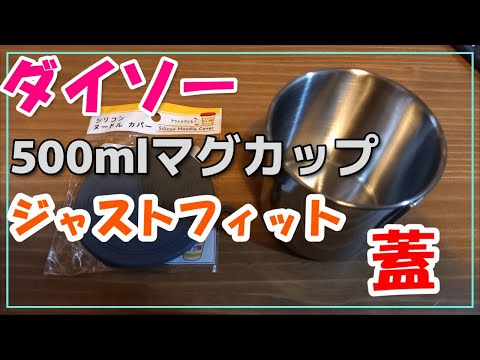
The outdoor community quickly adapted these cheap tools. Japanese camp gear DIY enthusiasts embraced 100-yen silicone lids as essential backcountry gear. Solo campers frequently pair ultralight 450ml and 500ml titanium cups with customized silicone caps. Because commercially branded outdoor lids cost upwards of $15, a ¥110 Daiso or Seria cover provides a lightweight camping mug lid DIY alternative that shaves pack weight, muffles rattling gear, and prevents boiling water from splashing on camp stoves.
Can Do 100-yen cookware lines met this demand by introducing specialized multi-use lids with steam vent notches and integrated rim grooves. A camper can boil water, use the lid as a pot strainer for noodles, and pack it without worrying about bent metal or dented edges.
The Monotone Aesthetic and the Zero-Waste Kitchen Shift
Design shifted alongside functionality. Early silicone housewares were dominated by neon pinks, bright greens, and pastel yellows that clashed with traditional kitchen decor. That aesthetic alienated buyers who favored minimalist interiors.
Seria kitchen goods spearheaded a design overhaul by focusing heavily on monotone kitchen tools. Matte charcoal, slate gray, and pure white lids flooded store shelves. They matched modern enameled cast iron pans and ceramic tableware. The understated color palette transformed silicone from an overtly cheap discount item into an aesthetically pleasing kitchen fixture that looks deliberate on a countertop.
Underneath the stylistic upgrade lies sharp consumer pragmatism. With food and utility prices climbing, saving ¥500 a month on cling wrap and cutting dishwashing detergent use appeals to everyday shoppers. A tool that costs less than a single coffee and lasts years delivers an undeniable return on investment.
Frequently Asked Questions (FAQ)
Q1: Can 100-yen silicone lids withstand direct open flames or stovetop frying?
A1: Silicone lids tolerate ambient pan heat between 200°C and 230°C, making them safe for covering pans of frying or simmering food. They must never come into contact with direct open flames from gas burners, which easily exceed 800°C and will burn or scorch the material instantly.
Q2: How do you remove stubborn food odors and grease stains from kitchen silicone?
A2: Food-grade silicone absorbs volatile food aromas and cooking oils over time. To clean them, soak the lid in warm water mixed with two tablespoons of baking soda for 30 minutes, or wipe down the surface with diluted vinegar before running it through hot water. Avoid abrasive metal scrubbers that can scratch the smooth seal surface.
Q3: Why won't my silicone lid seal tightly against some bowls?
A3: Atmospheric suction requires an uninterrupted, airtight contact point. The lid seals instantly against glossy ceramic, glass, porcelain, and polished metal. It will not create an airtight vacuum over matte pottery with rough textures, bowls with pour spouts, or surfaces with slight rim chips.
The Enduring Appeal of Japan’s Micro-Budget Kitchen Innovations
The shift from miniature drink caps to universal cookware lids illustrates how Japanese 100-yen retailers identify utility in everyday objects. By taking simple polymer manufacturing, refining it with clean monotone palettes, and scaling it to solve everyday kitchen problems, Daiso, Seria, and Can Do changed how households cook.
These silicone tools bridge the gap between frugal living, space-efficient apartment design, and waste reduction. A single pliable disc costing roughly one dollar now does the work of heavy metal lids, disposable plastic sheets, and specialized camping cookware. That quiet efficiency explains why silicone covers remain a permanent fixture on kitchen drying racks across Japan.
