The Evolution of Japan's Keema Craze: From Spice Pots to 15-Minute Skillets
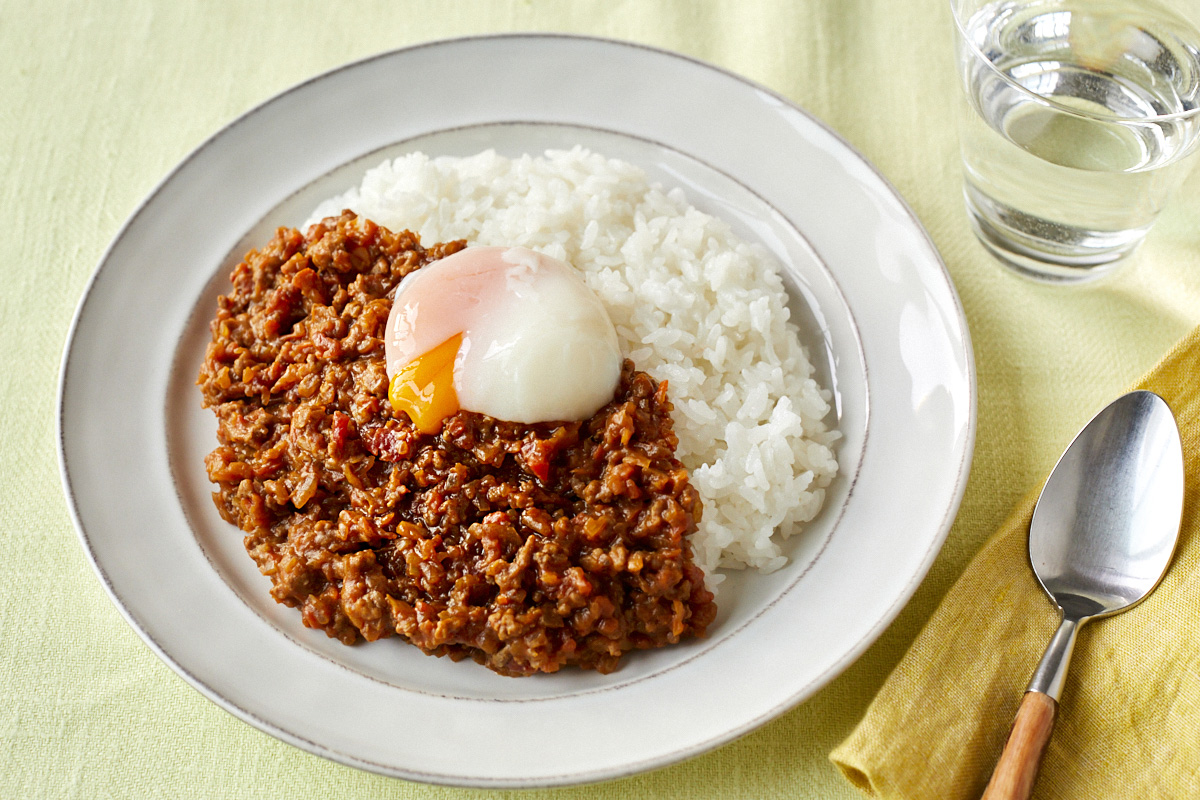
For decades, dinner in Japanese family kitchens smelled like slow-simmered onions and scorched stockpots. Traditional Japanese curry demanded time: thick chunks of beef, dense carrots, and starchy potatoes left to bubble on low heat for hours. That ritual is quietly fading. Across dining tables from Tokyo to Osaka, a nimbler staple has taken over weeknight dinner routines: canned tomato keema curry cooked in a single frying pan in under twenty minutes. As detailed in a recent livedoor ニュース Report, combining off-the-shelf commercial curry roux with a single tin of crushed or whole tomatoes produces restaurant-grade depth without the sluggish simmer of old-fashioned stewing.
This culinary shift reflects changing household economics. With dual-income households at record highs and consumer energy bills climbing, domestic cooks have largely abandoned the two-hour simmer. They want speed, nutrient density, and minimal cleanup. Ground meat cooks in minutes. Canned tomatoes supply instantaneous acidity and concentrated sugars. Together, they turn standard weeknight cooking into an efficient, umami-dense sprint.
📌 Quick Summary:
- The Core Shift: Japanese home cooks are swapping traditional multi-hour stew pots for rapid, 15-minute skillet keema curries made with canned tomatoes.
- The Flavor Engine: Combining high-glutamate canned tomatoes with conventional Japanese curry roux blocks delivers balanced sweetness and savoriness without long simmering times.
- Pantry Variations: Viral internet recipes now incorporate high-protein canned mackerel and low-carb oatmeal pairings, extending the format into healthy meal prep.
The Skillet Shift in Japan's Weeknight Kitchens
The rise of the quick skillet dinner comes down to practical kitchen physics. Thick-cut stewing beef requires sustained enzymatic breakdown to soften tough muscle fibers. Ground pork, chicken, and beef mince, by contrast, offer massive surface area. They brown in roughly four minutes. When paired with a fast-reducing liquid, a flat nonstick frying pan outperforms a deep Dutch oven by evaporating excess moisture across a wider surface plane.
Media analysis from outlets like MSN confirms this trend. Exhausted workers increasingly rely on single-pan skillet curries because they yield a dense, rich consistency without burning at the pan's base. The dish also minimizes dirty dishes to a cutting board, a knife, and one skillet. In high-density Japanese apartments where kitchens frequently feature two-burner induction stoves, cutting out the bulky stockpot frees up stove space and reduces post-dinner washing.
The Umami Chemistry of Canned Tomatoes and Roux
The culinary trick behind canned tomato keema curry relies on simple food chemistry. Traditional Japanese curry roux blocks carry heavy doses of wheat flour, beef tallow, and caramelized onion extract. When dissolved in plain water, they create the familiar thick, velvety gravy found in school cafeterias and train station eateries. Yet adding water dilutes base flavors, forcing cooks to simmer the mixture down to concentrate it.
Substituting water with canned tomatoes fundamentally alters this balance. Canned plum tomatoes contain concentrated free glutamates. When cooks build a minced vegetable sofrito, sweating finely diced yellow onions, carrots, and celery over medium-low heat, the vegetables release natural fructose. Adding ground meat introduces inosinic acid. Blending glutamates from the tomatoes and onions with inosinic acid from the meat triggers an umami enhancement technique that makes quick dishes taste like slow-simmered broths.
Acidity balance remains the only real technical obstacle. Raw canned tomatoes carry sharp citric acid notes that can overpower subtle spices. Japanese chefs counter this by reducing the tomato pulp in the hot pan until the water evaporates and the red fats separate. This brief searing stage mellows the sharp punch into rich, rounded sweetness before the curry roux blocks melt into the meat juices.
Comparing Modern Japanese Keema Variations
While the classic commercial roux method dominates family tables, home cooks split their keema preparation across distinct technical styles depending on health goals, available pantry items, and time limits.
| Curry Format | Core Thickening Base | Typical Cooking Time | Primary Protein Source |
|---|---|---|---|
| Roux Block & Tomato | Commercial roux flour & fats | 15, 20 minutes | Minced pork and beef blend (Aibiki) |
| Red Tin Spice Powder | Tomato paste reduction & vegetable purée | 20, 25 minutes | Ground chicken or diced eggplant |
| Saba-Kan (Canned Mackerel) | Flaked fish solids & reduced juices | 10, 12 minutes | Canned water-packed mackerel |
| Low-Carb Diet Bento | Finely chopped mushrooms & reduced tomato | 12, 15 minutes | Lean ground chicken breast |
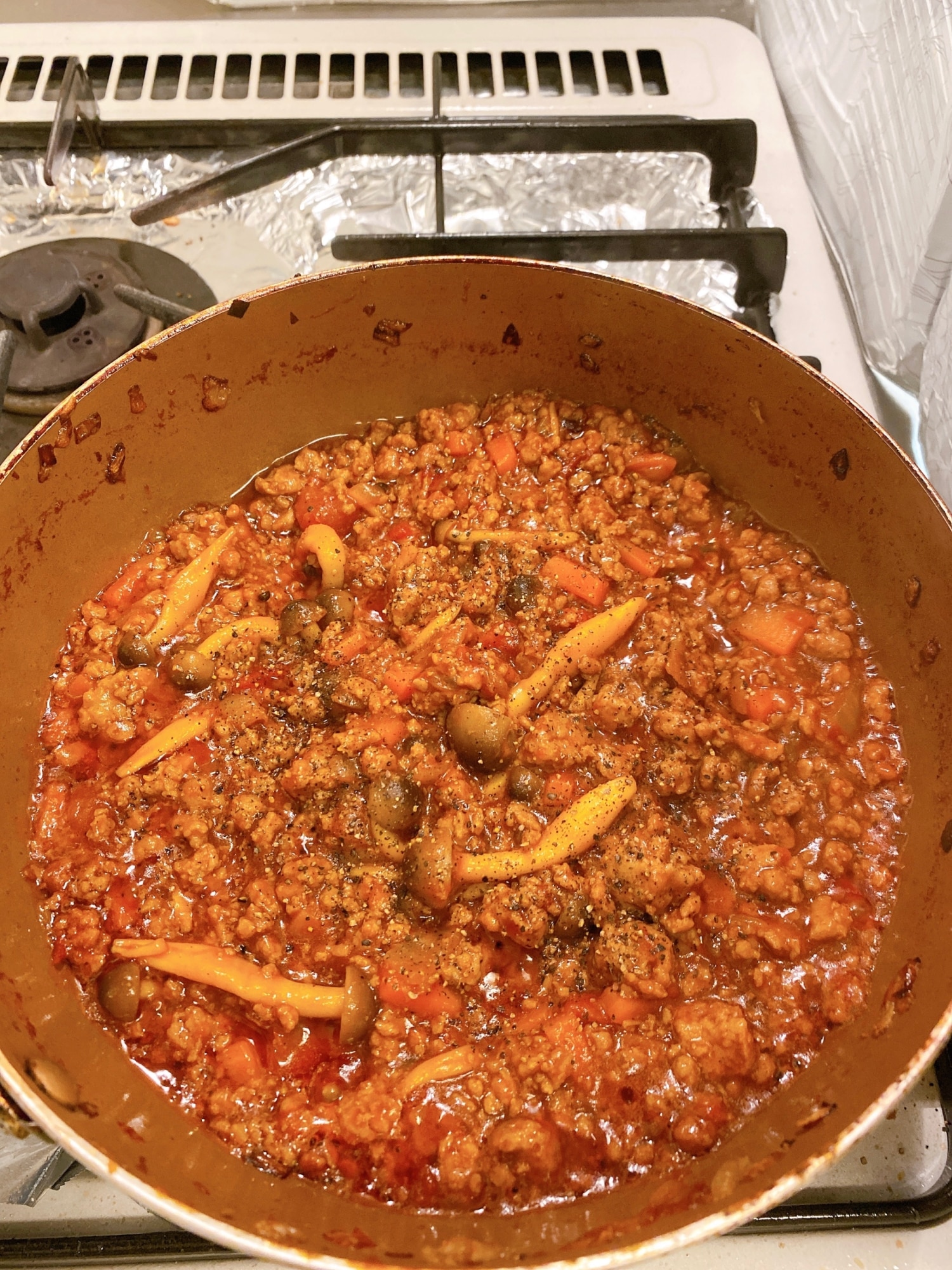
The Low-Carb Wave and the Rise of Canned Mackerel Keema
The standard ground meat curry recipe has also evolved under the influence of social media wellness creators. Registered dietitian Izumi, whose YouTube channel commands over 250,000 subscribers, ignited widespread interest in "yase-ben" (slimming bento boxes). Her recipes replace wheat-heavy commercial roux with pure spices and substitute short-grain white rice with microwave-steamed oatmeal. Canned tomatoes provide moisture, allowing home cooks to produce a rich dry keema curry without added butter or flour thickeners.
Simultaneously, seafood variations have surged. Japanese lifestyle magazine eltha reported on the explosion of canned mackerel curries. By dropping an entire tin of water-packed mackerel (saba-kan) straight into a hot skillet with canned tomatoes and curry spices, cooks bypass the need to thaw raw meat. The natural oils in the fish pack the sauce with omega-3 fatty acids, while the braising liquid from the can injects natural seafood stock straight into the tomato base.
Traditionalists who prefer lighter flavor profiles often reach for iconic S&B curry powder, instantly recognizable across Japan in its retro red-and-yellow metal tin. As culinary site Excite highlighted, tossing diced eggplant with red-tin spice powder and ground meat creates a clean, aromatic Japanese-style dry curry that carries none of the cloying sweetness sometimes found in mass-market roux blocks.
Freezer Prep and Texture Retention
Keema curry holds a clear structural advantage over classic Japanese beef stew: it freezes well. Traditional Japanese curry contains Russet-style potatoes and thick carrot rounds. When frozen and thawed, the water within cooked potato starch crystallizes, leaving behind a spongy, gritty mess. Keema curries completely avoid this issue.
Because the vegetables in a keema base are minced fine and the meat carries little excess moisture, the dish holds its structural integrity during sub-zero storage. A standard batch cooking freezer meal can be portioned into shallow containers, frozen flat, and stored for up to 30 days without losing flavor or breaking down into watery liquid. Reheating in a skillet or microwave quickly restores its saucy texture, making it an ideal option for weeknight meal prep.
Frequently Asked Questions (FAQ)
Q1: Why do canned whole or crushed tomatoes work better than fresh tomatoes in keema curry?
A1: Canned plum tomatoes are harvested at peak ripeness and heat-processed immediately, giving them significantly higher levels of glutamic acid and natural sweetness than out-of-season fresh tomatoes. They also break down smoothly into a uniform sauce without leaving behind tough, rolled-up skin fragments.
Q2: Can I substitute S&B curry powder directly for Japanese curry roux blocks?
A2: Yes, but the consistency will change. Curry roux blocks contain wheat flour, animal fat, salt, and seasonings that naturally thicken the pan juices. If you use pure S&B curry powder, add a pinch of salt and a spoonful of soy sauce, Worcestershire sauce, or ketchup, and cook down the tomato pulp longer to achieve a cohesive, dry keema curry texture.
Q3: How do you prevent keema curry from separating into water and oil when reheating from the freezer?
A3: Cook the sauce down thoroughly before freezing until no pool of clear water seeps out around the edge of the skillet. When reheating, warm it gently covered, then remove the lid for the final minute to let excess condensation burn off.
The Future of Japan's Everyday Skillet Dinners
The rise of canned tomato keema curry illustrates how Japanese domestic cooking continually adapts to modern life. The romantic idea of an all-day simmering pot has ceded ground to practical, high-efficiency skillet cooking. By anchoring fast-cooking ground proteins and shelf-stable canned tomatoes to the comforting flavors of curry roux or historic red-tin spice powders, home cooks have built an everyday dinner format that saves time while preserving rich, deeply satisfying flavor.
