The Evolution of School Bicycle Permits: From Safety Standard to Privacy Nightmare

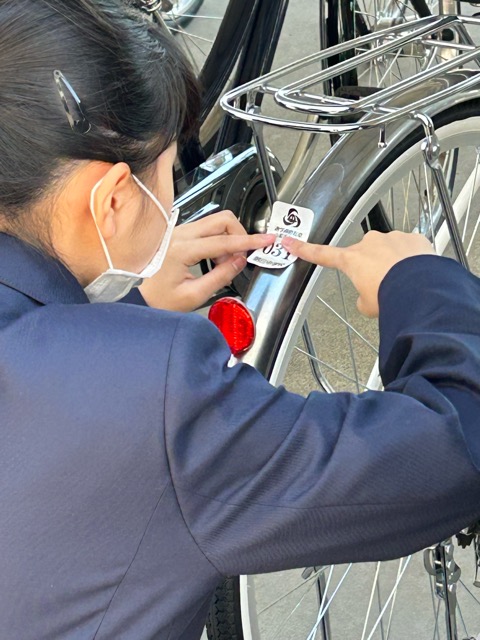
Pedaling to campus has long been a rite of passage across thousands of communities, but the rear fender of a commuter bike carries a quiet vulnerability. For decades, administrators have slapped brightly colored school bicycle permit stickers onto mudguards to manage campus bike parking regulations and spot unregistered bikes during morning arrivals. Yet, as community policing patterns shift and digital tracking anxieties rise in 2026, those reflective badges have turned into an unintended beacon for predators. With a single glance, an observant stranger at a public rack can pinpoint a child’s specific campus, commuter corridor, and often their graduation year or student roster number.
The friction between administrative convenience and youth safety recently surfaced in global headlines when vintage Japanese commuter bikes appeared abroad with decades-old municipal identifiers intact, as highlighted by an investigative MSN Report documenting how permanent bicycle markings preserve private institutional footprints across entire oceans. Back home, parents are pushing back with quiet defiance. Faced with rigid school commuter rules that demand visible decals while offering zero offline data masking, families are turning to DIY concealment methods, magnetic covers, and masking tape to shield their children's identities on public streets.
📌 Quick Summary:
- The Emerging Threat: School bicycle registration decals expose student enrollment details, grade levels, and transit corridors to strangers on open roads.
- The Regulatory Clash: Strict campus enforcement policies penalize altered decals, leaving parents caught between safety compliance and predatory tracking risks.
- Modern Countermeasures: Families are deploying removable silicone guards, magnetic flaps, and anonymized municipal registries to reclaim student privacy.
How Traffic Safety Initiatives Created a Modern Surveillance Hazard
Campus parking systems were built for logistics, not data security. Decades ago, suburban and urban schools faced overcrowded lots and frequent bike theft. Administrators introduced brightly printed stickers to distinguish authorized student commuters from neighborhood trespassers. A student passed an annual safety test, received an inspection stamp, and affixed a numbered foil badge directly to the rear fender.
The system operated smoothly when neighborhood boundaries were tight and public spaces felt insular. It gave hall monitors a quick way to count bikes and deter theft. But as regional transit routes lengthened, those identical badges exposed students to risks administrators never anticipated. A student biking home no longer moves through an isolated village; they cross public train station plazas, commercial strip malls, and dense pedestrian corridors where anyone with a smartphone can catalog patterns of movement.
What was once an innocuous stamp of road readiness has morphed into an unencrypted name tag. By turning each bike into a rolling institutional billboard, schools have inadvertently removed the protective anonymity that children depend on whenever they step beyond campus gates.
The Anatomy of Exposure: What a Bicycle Registration Decal Gives Away
A standard institutional permit contains a surprising amount of sensitive data printed in high-contrast ink. It typically features the school’s full name or unmistakable crest, a bold color indicating the academic cohort, a registration code linking to an internal roster, and occasionally the student's class section.
When a junior high student parks outside a convenience store or regional transit hub, that information becomes public property. Anyone observing the bike can determine where the rider spends five days a week, the approximate direction of their afternoon commute, and their exact age group.
Predatory tracking rarely starts with sophisticated digital hacking. It begins with situational intelligence gathered from everyday habits. A stranger who knows a student attends a specific middle school four kilometers away can deduce their daily route along arterial bike paths. If the decal indicates a third-year status, the observer knows the student’s approximate birth year, making it easy to manufacture false familiarity: "Hey, your principal at West Junior High told me to pick you up." By printing campus affiliations in clear view, administrators create a tangible safety hazard for the students they are trying to protect.
The Great Regulatory Divide: Campus Compliance Versus Physical Security
The tension between school boards and protective parents stems from how each party defines commuter safety. To faculty members managing morning arrivals, an unobstructed decal represents order, property recovery, and liability mitigation. To parents monitoring localized stalking reports, that same decal is an unshielded tracker.
| Commuter Policy Aspect | Traditional School Protocol | Privacy-First Parent Adaptation |
|---|---|---|
| Placement Standard | Prominently displayed on the rear mudguard or outer seat stay. | Hidden under the saddle, on inner frame tubing, or behind masking shields. |
| Commuter Identification | Clear school names, cohort color bands, and assigned roster numbers. | Encrypted barcodes, anonymized district codes, or hidden tags. |
| Inspection Protocol | Visual gate checks; disciplinary marks for obscured decals. | Temporary removal during transit; rapid reattachment at the gate. |
| Theft Deterrence Strategy | School-branded stickers designed to deter commercial reselling. | Independent GPS trackers paired with state police registration tags. |
This split has turned the routine junior high bike inspection into an ideological standoff. In spring equipment audits, teachers examine brake pads, reflector angles, bell chimes, and decal visibility. Students who use vinyl tape or dark covers to shield their school's name on public streets often receive formal policy warnings. The school’s priority is keeping its parking lot organized, but that focus creates a blind spot when it comes to the safety risks students face on their rides home.
Ingenious Concealment: How Students and Parents Mask Public Markers
Rather than waiting for administrative codes to catch up with modern safety realities, families have developed practical workarounds. These solutions aim to satisfy campus gatekeepers while keeping students anonymous on open roadways.
A common tactic uses flexible magnetic strips. Parents stick the school's decal to a flexible magnetic sheet cut to match the fender's curvature. When the student approaches the school gate, the magnet snaps onto the steel frame, fully visible. The moment the child leaves campus, the magnetic badge slides off and slips into an interior backpack pocket.
For bikes made of aluminum or carbon fiber where magnets will not stick, riders often turn to weather-resistant neoprene covers or dark silicone sleeves. These slip over the rear stay or mudguard like an ordinary reflector band, concealing the reflective school logo during public transit. Once parked in the school compound, the sleeve slides down to reveal the registration details for inspection staff.
Other parents use color-matched vinyl tape to cover the school name and student ID number, leaving only the official inspection year stamp visible. While some conservative campus safety committees frown upon these DIY methods, their widespread adoption highlights a real breakdown in trust: parents are no longer willing to sacrifice personal privacy for bureaucratic convenience.
Policy Shifts: Designing Commuter Frameworks That Protect Student Data
Fixing this problem does not mean scrapping campus parking management altogether. Forward-looking school districts are ditching prominent, text-heavy fender stickers in favor of modern privacy protections.
Some schools are switching to minimalist micro-stickers placed under the saddle or beneath the bottom bracket. These locations let parking monitors verify a student's registration using handheld optical scanners without broadcasting the school's identity to oncoming traffic. Other districts have scrapped school names entirely, using district-wide numeric serial numbers verified through a centralized database that only campus security and local emergency responders can access.
This policy shift also solves an old secondary problem: what happens to the bike when a student graduates. When students finish school, their old decals often stay stuck to the frame, revealing where the bike came from even after it is sold. By using easy-to-remove permit designs, schools can manage campus parking effectively without leaving a permanent trail of student data behind.
Frequently Asked Questions (FAQ)
Q1: Why do schools insist on placing bicycle permit stickers in plain view?
A1: Visible placement lets parking staff and volunteer gate monitors quickly verify registration from several meters away. This prevents overcrowding, ensures bikes have passed annual brake and light safety checks, and stops unauthorized commuters from taking up limited campus parking spots.
Q2: Can a student face discipline for covering their bike permit sticker outside school grounds?
A2: Commuter handbooks often require decals to remain fully visible whenever the bicycle is ridden to school. While teachers rarely police public streets, students can face warnings or lose their on-campus parking privileges if they fail to remove covers, tape, or magnetic shields before passing through the campus gates.
Q3: What is the most effective way to protect a student's privacy without breaking school rules?
A3: A removable magnetic base or a slide-on neoprene sleeve offers a practical compromise. These covers shield identifying logos and roster numbers on public roads, then slip off in seconds when the student arrives at the school gate for morning inspections.
Rethinking Campus Rules for Student Safety
Campus safety rules must evolve to match the challenges students face every day. The classic school bicycle sticker served its purpose in an era when parking lots were simpler and neighborhood life felt more self-contained. Today, requiring students to broadcast their school affiliation and personal details across public streets poses an unnecessary safety risk.
Administrators do not need to give up campus oversight to protect student data. Modern privacy techniques, minimal registration tags, and sensible commuter policies make it easy to run an orderly parking lot without putting young riders in harm's way. Until school handbooks adapt to these modern realities, parents will continue to use protective covers and magnetic strips, choosing their children's everyday safety over outdated administrative rules.
