The Evolution of Yukata Dresses: From Traditional Matsuri Wear to Street Style
Summer festivals across Japan have long demanded an unspoken physical sacrifice: tight chest ties, stiff sashes, and heavy cotton wraps that turn stifling within minutes under thirty-five-degree heat. That compromise collapsed over the past two seasons as the "separate yukata" phenomenon took over mainstream street fashion. What began as a domestic DIY hack on sewing forums, turning heirloom summer kimono into breathable dresses, has evolved into a commercial retail boom. As detailed in a June 2026 MANTANWeb Report, Kyoto-based apparel innovators and major retailers are now filing utility patents for modular festival wear, proving that the boundary between heritage attire and everyday summer dresses has permanently blurred.
📌 Key Takeaways:
- The Shift: Japanese summer festival attire has shifted from single-piece robe construction toward two-piece, cache-coeur dresses that convert into casual sundresses in under thirty seconds.
- The Commercial Surge: Retailers like Honeys made waves across May 2026 with ready-to-wear separate yukata, while Kyoto manufacturers secured patents for sash-to-bag accessories that store matching jackets on humid commutes.
- The Craft Movement: Upcycling vintage cotton yukata into zero-waste wrap dresses has revitalized domestic textiles, keeping historic *chusen* hand-dyed fabrics out of landfills.
The Sweltering Origin of Japan's Two-Piece Kimono Shift
For decades, putting on a yukata was an all-or-nothing ritual. Traditional kitsuke (the craft of wearing kimono) requires an under-robe (hadajuban), multiple waist ties (koshihimo), a stiff sash board (maeita), and an obi wrapped tightly around the diaphragm. It creates an iconic silhouette. It also traps sweat relentlessly. As summer temperatures in urban hubs like Tokyo, Nagoya, and Osaka consistently broke 36 degrees Celsius throughout July and August, younger attendees began opting out of festival dressing entirely.
The breaking point arrived in domestic crafting circles. Sewists on Japanese social media began posting patterns that split the garment directly at the waistline. The lower half became a tiered wrap skirt or an elasticated sundress with adjustable shoulder straps. The upper half remained a kimono-cut cropped jacket with characteristic hanging sleeves (furi). When tied together with a soft heko obi, the outfit was indistinguishable from a classical yukata. Once the fireworks display ended and the humid walk to the train station began, wearers could untie the sash, pull off the jacket, and ride the train home in a sleeveless cotton maxi dress.
Practicality drove adoption faster than tradition could police it. Purists raised eyebrows on fashion blogs during the early 2020s, but crowd consensus quickly favored survival over rigid etiquette.
From Fast Fashion to Kyoto Patents: The 2026 Retail Boom
Mass apparel brands did not take long to validate the trend. In May 2026, fashion chain Honeys released its updated seasonal lineup of separate yukata dresses, pricing full sets between ¥4,980 and ¥6,980. The collection sold out multiple print variants within days. The brand built the under-layer as a standalone tiered camisole dress made from slubbed cotton, cut specifically so that buyers could wear it on regular beach days or cafe visits without the upper robe.
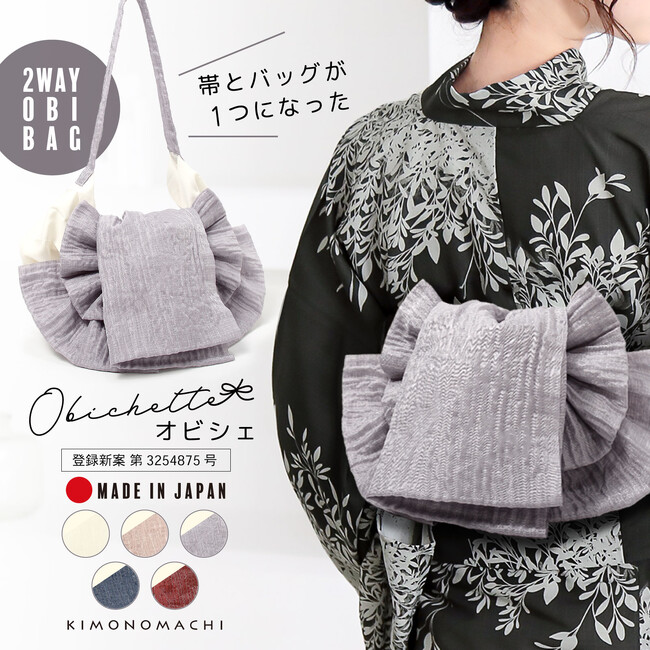
By midsummer, technical apparel companies in Kyoto escalated the concept. Hosai Co., a heritage-rooted textile firm, commercialized a dedicated response to the viral cache-coeur dress trend through its subsidiary label. The company patented the "Obichette" (Utility Model Registration No. 3254875), an engineered hybrid item that combines a pre-tied tsukuri-obi with an integrated pochette.
The utility is remarkably simple: users wear the full traditional silhouette to the festival grounds. When temperatures spike or the event winds down, they unbutton the cropped top, fold it flat, and slide it directly into the hidden compartment of the obi bag. They walk home unencumbered. Functional utility solved the single biggest friction point of festival attendance: the exhausting return transit in damp, binding layers.
| Garment Style | Average Dressing Time | Fabric Source & Cost | Post-Festival Versatility |
|---|---|---|---|
| Traditional Single-Piece Yukata | 15, 30 minutes (requires kitsuke accessories) | New cotton bolt: ¥12,000, ¥35,000 | Zero; strictly worn at summer events |
| Commercial Separate Yukata (Honeys-style) | 2, 3 minutes (pull-on dress + wrap top) | Mass-market poly-cotton: ¥4,980, ¥7,980 | High; base layer serves as casual sundress |
| Upcycled Kimono Remake Dress (DIY) | Instant (slip-on cache-coeur / wrap cut) | Vintage yukata: ¥1,000, ¥4,000 + notions | Everyday streetwear; machine-washable |
The Upcycler’s Blueprint: Transforming Vintage Cotton Bolts into Wrap Dresses
The commercial boom runs parallel to an explosion in handmade upcycling. Secondhand kimono markets across Kyoto, Tokyo's Shimokitazawa, and regional flea markets are flooded with vintage cotton yukata costing as little as ¥1,000 to ¥2,500 ($7 to $17). For DIY sewists, these garments represent premium natural yardage.
Unlike Western garments cut from wide 110-centimeter or 140-centimeter fabric rolls, a yukata is built from a tanmono, a single continuous bolt approximately 36 to 38 centimeters wide and 12 meters long. Traditional construction uses entirely straight cuts with zero fabric waste.
When converting a vintage yukata into a cache-coeur wrap dress or two-piece ensemble, makers maintain that zero-waste logic:
- Careful Deconstruction: Open the seams using an ergonomic seam ripper. Traditional yukata are sewn with loose basting stitches or single-thread lockstitches meant to be undone for seasonal washing (arai-hari). Preserve the straight rectangular panels without shearing into the selvedges.
- Constructing the Base Sundress: Take the two main body panels (migoro). Join them along the back seam, tailoring the waist with soft darts or an elastic channel. Use the narrow overlap panels (okumi) to create self-fabric shoulder straps or neck ties.
- Drafting the Cache-Coeur Bodice: For wrap tops, cut the remaining body panels diagonally across the front chest line to establish the cache-coeur crossover. The original collar band (eri) provides pre-pressed fabric that finishes the neckline without requiring bias tape.
- Sleeve Adaptation: The sleeves (sode) can be left in their sweeping, boxy kimono form for a streetwear aesthetic, or gathered at the cuff to create a contemporary bishop-sleeve blouse.
The end product is a customized cotton wrap dress carrying historic indigo-dyed patterns, shaped with contemporary western tailoring.
Beyond the Robe: Repurposing Vintage Obi Accessories
The upcycling movement does not stop at the cotton robe. The hanhaba obi (half-width sash) and formal brocade sashes that accompany vintage sets present a different crafting challenge. They are structured, thick, and difficult to feed through standard domestic sewing machines.
In September 2026, a tutorial detailing how to transform an inherited mother's obi into an outdoor tote bag without undoing the original stitching went viral on Japanese YouTube, garnering over 140,000 views within weeks. As reported by lifestyle outlet Netorabo, the project struck a chord because it required zero destructive cutting. By utilizing the existing tubular fold of the sash and inserting magnetic snaps, the maker preserved the structural integrity of the weave while creating an everyday structured tote.
Indie designers have adopted similar techniques to produce modern kimono streetwear accessories. Stiff nagoya obi are converted into corset belts, waist harnesses, and crossbody messenger flaps that pair effortlessly with plain linen shirts, oversized blazers, and denim.
Textile Longevity: Cotton Yukata Care and Cultural Context
Working with vintage Japanese cotton requires specific fabric care. Most pre-1990s yukata use artisanal resist-dyeing methods like chusen or indigo immersion. These dyes bleed vigorously if tossed into a standard warm cycle with modern synthetic detergents.
Makers working with vintage pieces should submerge unpicked panels in lukewarm water containing a tablespoon of salt and mild neutral detergent to set fugitive indigo pigments. Hang the panels in indirect shade; direct ultraviolet rays degrade natural vegetable and iron-mordant dyes rapidly. Once dry, pressing the panels with medium steam while the fabric remains slightly damp restores the crisp hand without requiring synthetic sizing starch.
Navigating the cultural ethics of refashioning heritage garments has also settled into a pragmatic groove. In Japan, the destruction of vintage textiles through neglect or domestic disposal is widely viewed as far worse than thoughtful transformation. Thousands of pristine cotton kimono sit abandoned in family cedar chests (tansu), discarded by younger generations who never learned traditional kitsuke. Converting these textiles into wearable, breathable cache-coeur dresses gives seventy-year-old loom work another fifty years of active life on the street.
Frequently Asked Questions (FAQ)
Q1: Can I make a yukata sundress using a standard home sewing machine?
A1: Yes. Vintage yukata are almost exclusively woven from light-to-medium weight breathable cotton. A standard domestic machine equipped with a size 11/75 or 14/90 universal needle and 50-weight cotton thread handles the fabric easily without specialized heavy-duty walking feet.
Q2: How much fabric does a single adult yukata yield for upcycling?
A2: A standard women's yukata contains roughly 11.5 to 12 meters of fabric, but it is cut in narrow panels measuring only 36 to 38 centimeters wide. This provides sufficient yardage for a full-length tiered sundress, a two-piece wrap set, or a midi-length cache-coeur dress with leftover fabric for matching hair ribbons or scrunchies.
Q3: How do retail separate yukatas compare to traditional yukatas in durability?
A3: Fast-fashion separate yukatas from retailers like Honeys generally use polyester-cotton blends designed for regular machine wash cycles, making them more durable for frequent wear but less breathable than 100% vintage cotton. Authentic vintage yukata offer superior moisture-wicking and comfort in extreme heat, but they demand gentle hand-washing to protect traditional dye work.
The Future of Modern Kimono Streetwear
The rapid evolution of the yukata dress reflects a culture renegotiating heritage on its own terms. By discarding the rigid discomfort of multi-layer dressing while honoring the visual identity of traditional woodblock prints and indigo botanicals, Japanese designers and home sewists have ensured the garment’s survival. Whether through mass-market two-piece retail sets, patented utility accessories, or DIY wrap transformations, the yukata has successfully stepped off the pedestal of ceremonial preservation and reclaimed its rightful place: on the street, moving freely through the heat of midsummer.
