The Hidden Canine Perspective Behind Miyuki Nakajima’s Iconic Hit 'Sora to Kimi no Aida ni'
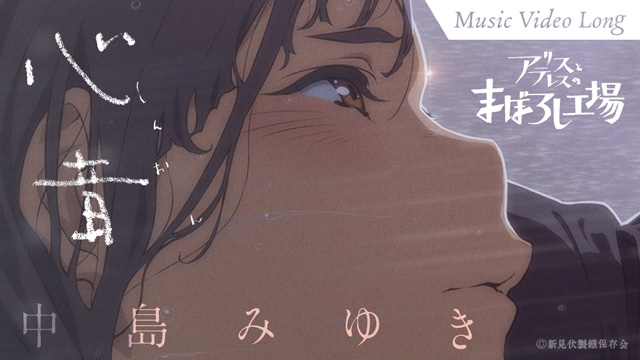
When Japanese television audiences sat down in the spring of 1994 to watch the gritty prime-time drama Ie Naki Ko (Homeless Child), they expected standard melodrama. Instead, they got a cultural earthquake. Millions tuned in weekly to watch twelve-year-old child star Yumi Adachi navigate a brutal world of parental abuse, school bullying, and systemic poverty, hurling her iconic defiance at adults: "If you pity me, give me money!" Soaring over those gut-wrenching scenes was a majestic ballad penned by folk-rock titan Miyuki Nakajima: "Sora to Kimi no Aida ni" (Between the Sky and You). For years, casual listeners assumed the sweeping refrain was a pledge between desperate lovers or a parent’s solemn vow. The reality is far stranger and infinitely more moving: the narrator is actually a dog.
Nakajima has sustained an extraordinary career spanning six decades, from her 1970s acoustic roots to her 44th studio album, Sekai ga Chigatte Mieru Hi, and high-profile cinematic themes detailed in coverage like the CDジャーナル Report. Yet few tracks in her catalog match the subtle subversive brilliance of her 1994 masterpiece. By writing a multi-million-selling theme song entirely from the perspective of Ryu, the white canine companion who refuses to abandon his young owner, Nakajima pulled off one of the sharpest lyrical misdirections in Asian pop history.
📌 Key Takeaways:
- The Hidden POV: The entire lyric of "Sora to Kimi no Aida ni" is delivered from the perspective of Ryu, the faithful dog protecting protagonist Suzu Aizawa in the 1994 television drama Ie Naki Ko.
- Commercial Powerhouse: Paired with "Fight!" as a historic double A-side single, the release sold over 1.47 million physical copies, establishing Nakajima as the only Japanese solo artist to hit number one on the Oricon charts across four separate decades.
- Artistic Legacy: The song serves as a prime example of Nakajima's narrative theatricality, a storytelling method she honed across decades of her avant-garde Yakai stage productions.
The Dark Television Phenomenon That Gripped 1994 Japan
To grasp why the song hit with such force, one must understand the television landscape of 1994. Nippon Television’s Ie Naki Ko was not a gentle coming-of-age story. It was an uncompromising, sensationalist Dickensian drama tailored for a nation sliding into economic stagnation after the asset bubble burst. Suzu Aizawa, played with fierce gravity by Yumi Adachi, endured arson, theft, and adult betrayal across twelve intense episodes. The series finale pulled an astonishing 37.2% viewer rating in the Kanto region, cementing the show as a generational media event.
Producers needed a title track that matched that pitch-black emotional intensity without drowning in cheap sentimentality. They commissioned Miyuki Nakajima. Rather than summarizing the television plot from an omniscient perch, Nakajima studied the show's script and zeroed in on the solitary figure who offered unconditional loyalty: Ryu, a mixed-breed white dog who followed Suzu through the freezing streets. Where adult humans brought deception and transactional cruelty, the animal brought an unyielding, silent vigil.
Decoding Ryu: How the Lyrics Reveal Their Four-Legged Speaker
On the surface, lines like "Between the sky and you, there is a cold rain falling" sound like classic, grand J-Pop romanticism. Look closer at the physical geography embedded in the text, however, and the human illusion collapses entirely.
Consider the opening verses: "Someone looks down at you from a high place, laughing as you cry in the dirt." This is not metaphorical posturing. It is literal. A dog stands ankle-high to the adult tormentors encircling a fallen child. The song constantly tracks sightlines from the ground up: towering figures casting shadows, feet kicking dust, and the open sky above. The narrator does not speak of kissing away tears or offering financial salvation. The speaker offers physical warmth against the pavement.
The chorus delivers the decisive clue: "I will become the sky. Even if you cannot stand, even if you are despised, I will look down on nothing else but you." Nakajima later confirmed on her late-night radio broadcasts that the narrator’s desire to "become the sky" stems from a dog's tragic realization of its own physical limitations. Ryu cannot speak into microphones. He cannot pay off loan sharks. He cannot stop the court system. All he can do is position his body between the elements and the child he loves. By wishing to become the sky, the animal dreams of shielding her from every stone, every rain drop, and every cruel glance hurled from above.
The 1994 Chart Phenomenon: Sales, Formats, and Cultural Reach
Issued on May 14, 1994, on an 8-centimeter mini CD, the single became a juggernaut. It was released as a double A-side single alongside "Fight!", a fierce 1983 album cut about blue-collar survival that had enjoyed renewed public attention through television commercials. The pairing caught fire across generations.
| Single / Track Title | Release Era | Oricon Peak & Certified Sales | Narrative Perspective |
|---|---|---|---|
| Sora to Kimi no Aida ni / Fight! | May 1994 | #1 (Over 1.47M physical copies) | Canine protector (Ryu) / Working-class strugglers |
| Asai Nemuri | July 1992 | #2 (Over 1.05M physical copies) | Urban solitary narrator (Drama: Shin'ai Naru Mono e) |
| Chijou no Hoshi / Headlight Taillight | July 2000 | #1 (Over 1.11M physical copies, 174 weeks on chart) | Nameless engineers & blue-collar pioneers (NHK Project X) |
The single stayed in the Oricon Top 100 for nearly forty weeks. It turned Nakajima into the defining soundtrack of early-1990s Japanese society. The song transcended the series that birthed it, migrating into graduation ceremonies, karaoke parlors, and nationwide radio playlists. Most who sang it had no idea they were channeling a dog standing vigil in the slush of Tokyo's backstreets.

The Theatrical Roots Behind Nakajima’s Shape-Shifting Songwriting
This kind of perspective shift was no accident. Nakajima has never viewed pop songs as mere autobiographical diary entries. Starting in 1989, she launched Yakai (Night Gathering), an ambitious, self-penned theatrical experiment that blended musical theater, literature, and performance art. On the Yakai stage, Nakajima routinely embodied multiple characters: ghosts, historical outcasts, migratory birds, and wounded wanderers.
Writing from Ryu’s viewpoint was a natural extension of that craft. In mainstream J-Pop, love songs rely on predictable personal pronouns: watashi, anata, boku, and kimi. Nakajima strips those dynamics bare. By assigning fierce, selfless passion to an animal, she created a love song free from sexual tension, social status, or personal vanity. The dog loves Suzu not because she is pretty or successful, but simply because she exists. That moral purity gave the track its spine-tingling resonance.
Why Ryu’s Perspective Endures Three Decades Later
Thirty years after its premiere, the song continues to find new generations of listeners. In 2023, Nakajima released her 44th studio album, Sekai ga Chigatte Mieru Hi, demonstrating that her vocal bite and narrative focus remain razor-sharp. When younger listeners discover "Sora to Kimi no Aida ni" through classic drama reruns or digital archives, the reveal regarding Ryu invariably triggers viral discussions across online forums and social media.
The realization shifts how one hears the track. What once felt like a typical anthem of romantic devotion turns into an agonizing, beautiful document of quiet companionship. In an industry saturated with disposable hooks and predictable romance tropes, Nakajima's 1994 anthem stands out because it found profound humanity in the heart of a stray dog.
Frequently Asked Questions (FAQ)
Q1: Did Miyuki Nakajima officially confirm that the song is written from the dog's point of view?
A1: Yes. Nakajima spoke openly about the concept on her radio show and in subsequent interviews following the drama's broadcast, explaining that she wrote the song from the perspective of Ryu watching over Suzu throughout her trials.
Q2: What breed of dog was Ryu in the drama Ie Naki Ko?
A2: Ryu was portrayed by a trained canine actor, predominantly featuring Kishu hound and mixed-breed traits with distinctive white fur, matching the stark visual contrast required for the show's dark backdrops.
Q3: Why was the song released as a double A-side with "Fight!"?
A3: While "Sora to Kimi no Aida ni" was newly composed for the 1994 drama, Nakajima’s 1983 song "Fight!" was experiencing a major resurgence due to high-profile television commercials. Pairing them together created an unbeatable dual package that propelled the release past 1.4 million units.
The Lasting Legacy of Nakajima’s Uncompromising Vision
Miyuki Nakajima never took the easy route in commercial music. When commissioned to write a guaranteed smash for prime-time television, she bypassed conventional romantic tropes and handed the microphone to an abandoned animal. That creative audacity explains why her catalog remains vital decades after its initial release. "Sora to Kimi no Aida ni" is a masterclass in narrative point of view: a reminder that the most devastating anthems of human resilience sometimes belong to the creatures standing quietly at our feet.
