The Hidden Flaws in Uber Eats Receipts Costing You Real Money on Business Expense Reports

Every month, corporate accounting desks quietly send thousands of meal claims back to employees with the same rejection notice: "Insufficient documentation." Business travelers order dinner between meetings, snap a quick screenshot of the order screen or forward the standard email push notification, and assume the charge will clear corporate card reconciliation without friction. Instead, they hit an administrative wall. A simple food delivery confirmation is rarely the legal proof of purchase required by tax authorities and strict enterprise expense software.
The friction has grown so acute across global enterprises that platform providers are overhauling how transaction data travels into enterprise ledgers. As highlighted in a cpapracticeadvisor.com Report detailing a partnership between Expensify and Uber for Business, platforms are racing to replace manual receipt uploads with direct data pipelines. For professionals handling business expense reimbursement manually, understanding what turns an ordinary delivery notice into an audit-proof document is the only way to avoid paying for corporate meals out of pocket.
📌 Key Takeaways:
- The Core Flaw: Mobile screenshots and generic confirmation emails lack mandatory merchant registration numbers, tax breakdowns, and legal issuer identifiers.
- The Essential Document: Finance auditors require an itemized delivery receipt pulled via dedicated PDF receipt export, not an app notification.
- The Systemic Solution: Linking an enterprise profile through Uber for Business integration automates Expensify meal receipts and guarantees tax-compliant corporate card reconciliation.
The Order Summary Trap That Stalls Corporate Expense Reimbursements
The core problem begins with how consumer delivery applications display purchases. When an order arrives, the application surfaces an "Order Details" screen showing a restaurant name, a thumbnail of the dishes, and a single lump-sum total. To a hungry consumer, that looks like a finished transaction. To a corporate auditor or tax authority, that image is essentially useless.
Accounting departments operate under strict audit compliance frameworks. Internal revenue services across North America, Europe, and Asia mandate that any claimed business expense reimbursement verify the legal seller, applicable taxes, and individual line items. A food delivery charge involves multiple financial parties: the restaurant preparing the meal, the courier providing courier logistics, and the platform charging marketplace service fees. When an employee submits a cropped mobile screenshot, accounts payable cannot determine how much went toward food versus convenience charges, or whether prohibited items like alcohol were included.
This missing context disrupts automated expense reporting engines. Modern enterprise systems run incoming receipt images through optical character recognition (OCR). When the scanner encounters an in-app summary without a registered business number or itemized tax breakdown, it automatically flags the transaction, halting the payment queue.
What Accounting Teams Actually Require for Audit Compliance
Corporate travel policies distinguish sharply between convenience records and valid tax receipts. For meal expenses to qualify as legitimate operating write-offs, companies must prove the purchase falls within per diem meal tracking limits and does not mask non-reimbursable personal indulgences.
A standard order notification misses three critical pieces of legal documentation:
- A verified itemized delivery receipt: Finance teams must see every ordered item by name and price to confirm that no unapproved expenses, such as alcoholic beverages or personal retail items, were mixed into the corporate total.
- A transparent breakdown of delivery fees: Platform charges, delivery surcharges, priority delivery fees, and courier gratuities must be clearly separated from the base restaurant invoice. Tax authorities treat prepared food and logistics services under different tax classifications.
- The official business entity and tax registration: Under tax regulations worldwide, such as Japan's Qualified Invoice System or the European VAT framework, deductible documents must state the seller's official tax registration number and display distinct tax rates for each transaction layer.
Without an official document issued by the platform entity, companies risk disallowance during routine tax audits. In response, corporate controllers instruct payroll to reject undocumented expenses immediately.
Delivery Confirmations vs. Legal Receipts: The Documentation Gap
The gap between what users see in an app notification and what finance controllers accept in an enterprise audit creates persistent delays. The table below outlines how common document types compare against baseline accounting criteria.
| Documentation Type | Contents Included | Audit Status | Reimbursement Risk |
|---|---|---|---|
| App Screenshot | Total charge, restaurant name, basic order list | Fails baseline IRS and international tax rules | High; routinely rejected by accounts payable |
| Email Push Notification | Billing summary, credit card last four digits, lump sum | Lacks complete tax entity registration details | Moderate; fails VAT and qualified invoice audits |
| Official Web PDF Export | Itemized dishes, legal corporate entities, itemized fees, split tax tiers | Fully compliant with global tax standards | Zero; passes OCR parsing and auditor reviews |
| Direct Enterprise Integration | Native metadata fed directly into Expensify, Concur, or ERP | Pre-approved digital receipt with cryptographic trace | Zero; reconciles instantly with corporate card |
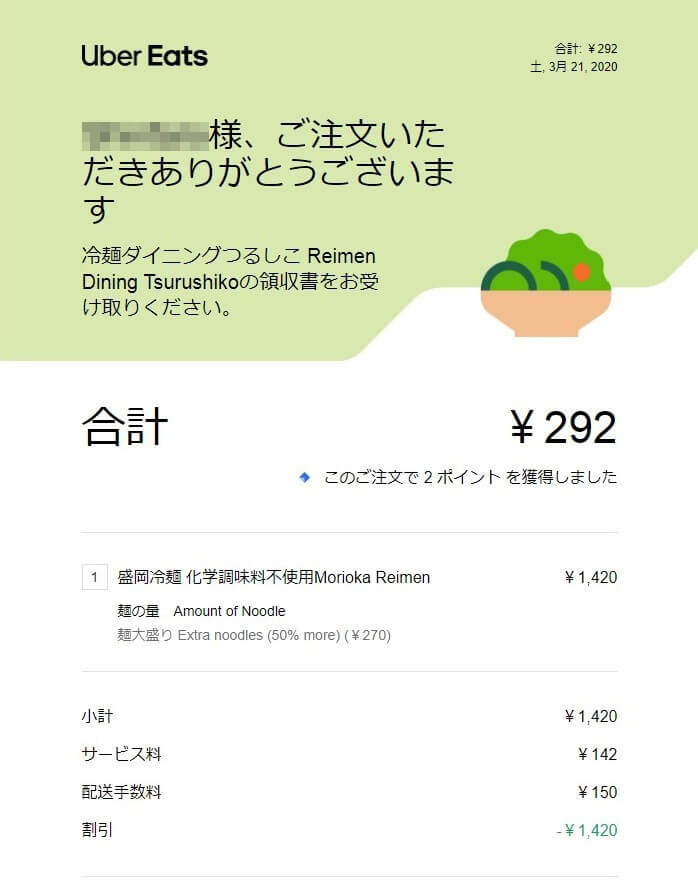
The Exact Steps for a Valid Uber Eats PDF Receipt Export
Generating a legitimate, audit-ready document requires navigating beyond the standard order screen. The mobile app interface prioritizes quick reorders rather than formal administrative downloads. To secure a file that finance teams will accept without hesitation, business travelers must access the platform's central billing records.
Follow these operational steps to secure the correct document:
- Access the Web Portal: Open a desktop browser, navigate to the official Uber Eats portal, and log in to the account used for the order. Downloading receipts via the web interface provides the full legal invoice format rather than a truncated mobile view.
- Locate Account History: Click on your profile icon in the upper-right corner and select "Orders" or "Account Details."
- Select the Relevant Expense: Locate the specific meal, click into the transaction, and search for the button labeled "View Receipt" or "Download Receipt."
- Execute the PDF Receipt Export: Avoid saving the web page as an unformatted text document. Select the dedicated PDF export function. Ensure the resulting document features the formal corporate entity header, the platform's tax identification numbers, and separate subtotal lines for dishes, tips, and delivery surcharges.
- Upload Directly to Your Expense Software: Attach the clean, unaltered PDF directly to your expense management ticket rather than converting it to an image format that degrades resolution.
Enterprise Automation Through Uber for Business and Expensify
Manual receipt retrieval is an inefficient use of company time. Recognizing this friction, enterprise travel programs are shifting away from manual employee expense submissions. In December 2025, Expensify and Uber for Business rolled out an automated integration that synchronizes business travel and meal receipts straight from the platform into expense management queues.
When an employee connects their work email through an enterprise profile, the platform applies business travel policies at the moment of checkout. The transaction bypasses the employee's personal photo album entirely. Instead, cryptographic transaction records travel directly to Expensify meal receipts databases, linking the itemized delivery receipt with the corresponding transaction on the corporate credit card.
This level of integration transforms corporate card reconciliation. Corporate travel managers can establish automated rules: blocking unauthorized late-night room deliveries, setting real-time per diem caps, and ensuring that non-deductible fees get flagged before they reach month-end closing. For the employee, the process removes manual PDF downloads. For the company, it eliminates the risk of tax disallowance during formal financial examinations.
Cross-Border Complications and Local Tax Invoicing Rules
The documentation challenge becomes even more complex when traveling abroad on corporate assignments. Japan presents a clear example. The introduction of the Qualified Invoice System (適格請求書等保存方式) dramatically altered how businesses claim input tax credits across the Japanese market.
In Japan, an official receipt (known as a 領収書) must carry the registered invoice issuer number (登録番号, typically beginning with the letter "T" followed by 13 digits). When an executive orders dinner in Tokyo via an international account, a simple English notification lacks the qualified registration credentials of both the restaurant and the Japanese delivery branch. Japanese accounting departments cannot legally claim tax deductible meal expenses against these transactions without the formal, registered tax documentation.
Employees traveling across Tokyo, Osaka, or European jurisdictions that use similar VAT validation networks must ensure their business accounts are set up to capture regional tax identifiers. Relying on an untethered personal app on a foreign business trip almost guarantees an accounting rejection once the travel report lands back on a domestic desk.
Frequently Asked Questions (FAQ)
Q1: Why is an email confirmation from Uber Eats not enough for my finance department?
A1: An email confirmation generally shows a transaction snapshot rather than a legal tax invoice. It often omits the legal tax registration numbers of the platform and the merchant, fails to separate local food taxes from delivery service taxes, and cannot verify whether prohibited items like alcohol were included in the purchase.
Q2: Can I download compliant tax receipts directly from the Uber Eats mobile app?
A2: While the app allows you to view basic receipts, the mobile interface frequently generates simplified image summaries. To ensure audit compliance, log into your account via a desktop browser and execute an official PDF receipt export, which includes all statutory itemization and corporate identification numbers.
Q3: How does linking an enterprise account resolve rejected meal expenses?
A3: Linking an enterprise profile via Uber for Business integration sends itemized transactional data directly to platforms like Expensify. This automates the breakdown of delivery fees, provides instant corporate card reconciliation, and enforces company meal caps without manual employee uploads.
Corporate Meal Expense Management in 2026
The era of treating food delivery screenshots as acceptable expense documentation is over. As tax agencies deploy automated auditing tools and finance departments lean heavily on OCR-driven expense pipelines, informal order summaries will continue to trigger swift rejections. Securing on-time reimbursements requires adhering strictly to institutional standards.
Business travelers must treat delivery transactions with the same administrative discipline applied to hotel invoices or airline itineraries. Downloading official, itemized PDFs via the central web portal guarantees full compliance for independent submissions. For enterprises seeking to remove manual friction entirely, connecting company accounts directly through platforms like Uber for Business provides the automated, audit-proof trail that modern accounting demands.
