The Master Glue Removal Guide: How to Clean Any Adhesive from Every Surface
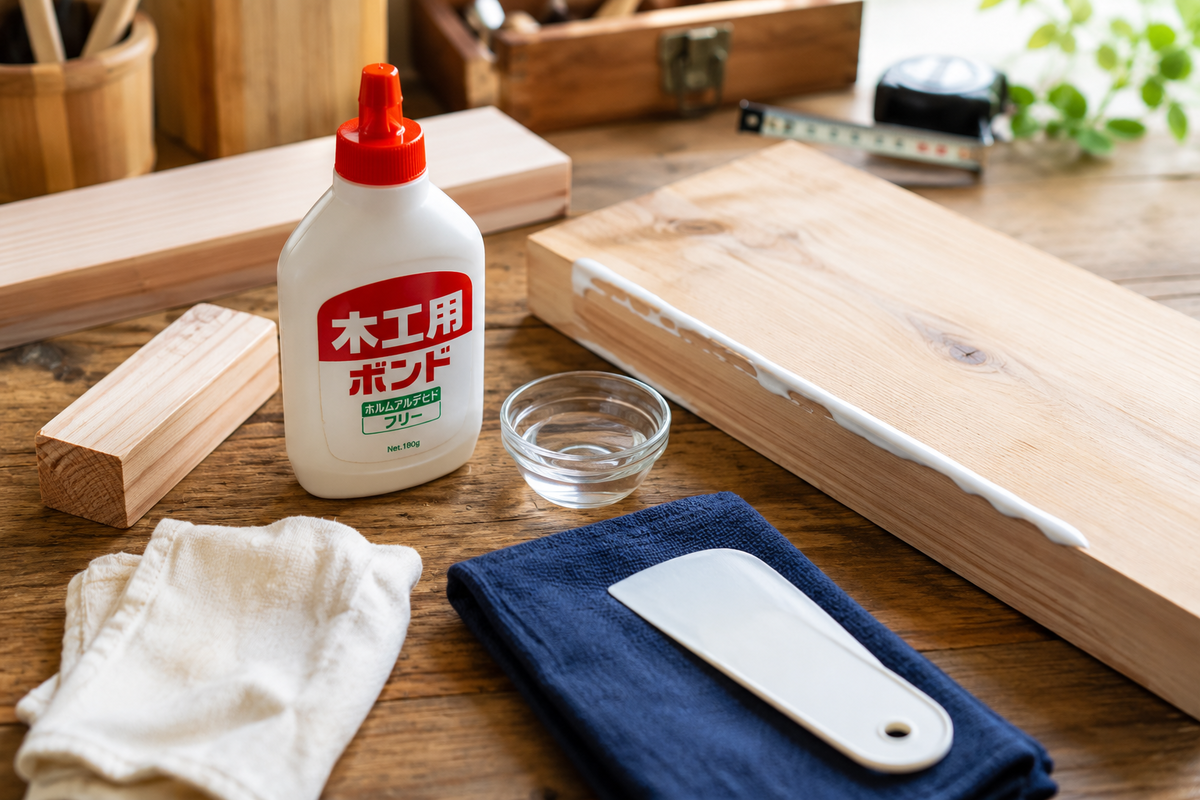
A stray drop of fast-acting adhesive can turn a routine home repair or craft afternoon into an immediate panic. Cyanoacrylate locks onto fingertips in under ten seconds, while polyvinyl acetate, standard woodworking glue, cures into rock-hard amber ridges that grip hardwood and cotton fibers with equal tenacity. Most people instinctively reach for sharp scrapers or harsh chemicals, turning a minor spill into permanent surface damage.
Removing stubborn glue requires working with chemistry rather than brute force. The polymers that give glues their incredible tensile strength break down predictably when exposed to specific thermal thresholds and solvent polarities. Knowing which compound dissolves the bond without destroying the underlying material is the difference between an invisible fix and an expensive repair bill.
💡 At a Glance:
- The Chemical Rule: Super glue cyanoacrylate yields to polar solvents like acetone nail polish remover, while polyvinyl acetate wood glue residue breaks down under heat and water-based acid solutions.
- Substrate Preservation: Plastics, finished wood, and synthetic textiles dissolve under acetone; these vulnerable materials require mechanical softening with mineral spirits or an oil-based paste.
- Emergency Skin Contact: Peeling bonded skin tears the epidermis; safe release relies on warm soapy water, vegetable oil, or a baking soda and oil paste to gently roll the glue free.
The Chemistry of Adhesion: Cyanoacrylates Versus Polyvinyl Acetates
Every commercial adhesive falls into a distinct chemical family. Super glues rely on ethyl cyanoacrylate, an acrylic resin that polymerizes almost instantaneously upon contact with ambient hydroxyl ions found in moisture. The reaction forms exceptionally tight acrylic plastic chains. These chains do not dissolve in water; they require an aggressive organic adhesive solvent capable of attacking the ester bonds. Acetone does this within minutes by breaking the molecular cross-links, rendering the rigid bond into a pliable gel.
Wood glue operates on an entirely different mechanism. Most standard carpentry glues consist of polyvinyl acetate (PVA) emulsified in water. As the water evaporates and wood fibers absorb the moisture, the PVA polymer chains intertwine and solidify. Because cross-linked PVA forms a matrix anchored inside porous wood grain, standard solvents often fail to penetrate deep dried deposits. Breaking these bonds requires re-introducing moisture accompanied by heat to lower the glass transition temperature of the polymer, or deploying acetic acid to weaken the cross-linked chains.
Skin and Delicate Tissue: Freeing Bonded Fingers Without Tearing
Prying bonded fingers apart by force shears the epidermal layer, causing bleeding and painful raw skin. The human body continuously secretes natural oils and sheds dead skin cells, which naturally loosens adhesives within 24 to 48 hours. When immediate release is necessary, standard household kitchen staples work far better than panic-driven pulling.
For accidental cyanoacrylate bonds, soak the affected hands in a bowl of warm, soapy water for five to ten minutes. Once the skin softens, apply a heavy layer of margarine, olive oil, or petroleum jelly around the perimeter. Gently massage the area, rolling the fingers back and forth against each other rather than pulling them apart directly. The friction combined with the lipid barrier slides the acrylic matrix off the skin.
If the bond resists oil, mix equal parts coconut oil and baking soda into a thick paste. The fine sodium bicarbonate particles act as a micro-abrasive, while the fatty acids penetrate beneath the outer edge of the glue. Work the paste around the contact seam with light, circular pressure for three minutes. The adhesive will peel away cleanly without chemical burns or skin irritation.
Textiles and Wardrobe Salvage: Treating Spills on Cotton, Wool, and Synthetics
Glue spills on clothing trigger an immediate urge to rub the stain with a rag. Doing so drives the liquid polymer deep into the fabric weave, creating a permanent composite plastic patch. The first rule of fabric stain treatment is counterintuitive: let the puddle dry completely before attempting removal.
Once hardened, the approach depends strictly on the garment fiber profile:
| Fabric Type | Adhesive Classification | Recommended Agent | Treatment Window |
|---|---|---|---|
| 100% Cotton / Denim | Cyanoacrylate (Super Glue) | Pure Acetone (Spot Test First) | 3, 5 minutes contact |
| Acetate / Rayon / Silk | Cyanoacrylate (Super Glue) | Freezer hardening + Gentle flex | 60, 90 minutes freeze |
| Synthetic Poly-blends | Wood Glue (PVA / Aliphatic) | 50/50 White vinegar solution | 15, 20 minutes soak |
| Wool / Heavy Knits | Sticky Label / Hot Melt | Isopropyl rubbing alcohol (91%+) | 10 minutes dab |
Never expose acetate, triacetate, or rayon garments to acetone. The chemical dissolves these synthetic fibers instantly, melting a literal hole into the clothing. For safe super glue extraction on delicate fabrics, place the item in a plastic bag inside the freezer for one hour. Extreme cold turns the acrylic brittle, allowing you to fracture the bead with the back of a spoon and lift the fragments out with tweezers.
For dried wood glue residue, soak the spot in a heated white vinegar solution mixed with warm water in equal proportions. Acetic acid breaks down the polyvinyl acetate suspension. After twenty minutes of soaking, work an old soft-bristled toothbrush across the weave. Wash the garment in warm water immediately after the residue releases.
Hardwood Floors and Finished Furniture: Protecting Polyurethane and Lacquer
Spilling glue on an expensive dining table or oak hardwood floor creates a double dilemma. Any aggressive solvent that strips the adhesive will melt the clear coat beneath it. Acetone destroys nitrocellulose lacquer, shellac, and standard polyurethane coatings within seconds, leaving behind cloudy white blemishes that require sanding and refinishing.
When dealing with dried wood glue on hardwood, heat provides the safest path. Use the hair dryer heat method: hold the nozzle approximately four to six inches from the dried puddle on medium heat for two to three minutes. PVA glue softens at temperatures between 140°F and 160°F (60°C, 71°C). As soon as the amber droplet turns rubbery, slide a stiff plastic scraper or the edge of an expired credit card flat against the floorboard to shave the deposit off. Wipe the faint ring left behind with a damp microfiber cloth.
Dried super glue on finished lumber demands a non-reactive solvent. Mineral spirits or high-purity odorless paint thinner will not attack cured polyurethane finishes. Dampen a rag with mineral spirits and place it over the cyanoacrylate mound for twenty minutes. The solvent seeps beneath the edges of the acrylic film. Using a plastic blade angled at roughly fifteen degrees, carefully pop the glue from the wood surface. For stubborn residue, a light rub with automotive polishing compound restores the original luster.
Glass, Tile, and Metals: Rapid Decontamination of Non-Porous Surfaces
Hard, non-porous surfaces like window panes, porcelain tile, and bare stainless steel tolerate much firmer mechanical and chemical treatments. Cyanoacrylate does not etch glass; it merely clings to microscopic surface imperfections. You can dissolve it rapidly with zero risk of substrate etching.
Saturate a cotton round with standard acetone nail polish remover and press it directly onto the glass. Hold it in place for two minutes until the perimeter turns milky white. Take a brand-new, single-edge razor blade held at a low thirty-degree angle, lubricating the glass with glass cleaner or soapy water. Slide the blade forward across the surface. The softened super glue lifts in a single curled strip. Never scrape dry glass, as dry sliding drags trapped dust grains across the pane, creating permanent hairline scratches.
Glazed ceramic tiles respond well to isopropyl rubbing alcohol (91% or 99% purity) when clearing construction adhesives and sticky residue clean up from masking tapes. Alcohol breaks down pressure-sensitive adhesives by stripping tackifying resins. Pour a few drops directly over the tacky area, wait ninety seconds, and wipe clean with a coarse microfiber towel.
Plastic and Acrylic Housings: Preventing Clouding and Stress Fractures
Plastics present the highest risk of catastrophic failure during glue cleanup. Most consumer electronics, automotive interior trim pieces, and eyewear frames are molded from polystyrene, polycarbonate, or ABS plastic. Applying acetone or chlorinated solvents to these materials causes immediate solvent welding, dissolving the surface into a cloudy, sticky sludge within seconds.
Surface damage prevention on plastics starts with eliminating aggressive chemical solvents entirely. When super glue cures on an ABS remote control or acrylic display, reach for pure 70% isopropyl alcohol or an oil-based approach. While alcohol works slower than acetone, it will not melt rigid plastics. Dab the glue mound repeatedly with an alcohol-soaked swab, waiting five minutes between passes as the glue outer layer breaks down into chalky dust.
Vegetable oils and commercial citrus-based d-limonene solvents offer an even safer alternative. The natural terpenes in citrus oils soften adhesive matrices without softening the underlying polymer substrate. Apply the citrus solution generously, let it sit undisturbed for thirty to forty-five minutes, and scrape the softened deposit away using a wooden popsicle stick or plastic wedge.
Frequently Asked Questions (FAQ)
Q1: Will nail polish remover damage laminate countertops when removing glue?
A1: High-pressure decorative laminates (like Formica) withstand brief acetone exposure, but prolonged soaking can dissolve the contact cement anchoring the laminate to the underlying substrate. Apply acetone sparingly using a cotton swab directly on the glue spot, work quickly, and wipe the area with a damp soapy rag within two minutes.
Q2: Why does super glue smoke when it touches certain fabrics?
A2: Cyanoacrylate reacts exothermically with cellulose fibers found in cotton and natural wool. The vast surface area of woven fibers accelerates the polymerization chain reaction, releasing rapid heat that can scorch fabric or cause severe skin burns. Never wipe liquid super glue onto cotton clothes or denim; let it air-cure fully before treating it.
Q3: How do I remove Gorilla Glue residue after it expands and cures?
A3: Standard polyurethane Gorilla Glue expands into a tough, closed-cell foam that resists nearly all household solvents once cured. The safest method involves shaving down the bulk of the foam with a fresh utility blade held flat, followed by heat from a hair dryer to soften the root bond, or light mechanical wet-sanding using 400-grit sandpaper.
Substrate Safety First: The Golden Rules of Adhesive Extraction
Rushing to clean adhesive spills almost always magnifies the damage. Before introducing any chemical solvent to an expensive surface, test a single droplet inside an inconspicuous corner, closet interior, or underside seam. Wait five minutes and inspect the test spot under direct light for discoloration, finish dulling, or surface softening.
Match the intervention directly to the underlying material. Glass and steel tolerate sharp blades and pure acetone; plastics require mild alcohol or citrus cleaners; finished hardwoods demand gentle heat and lubricating oils. Working methodically from the least aggressive method to targeted chemical intervention ensures that the glue disappears while the original surface remains pristine.
