The Master Guide to Gateau au Chocolat: Prevention, Temperature, and Fixes
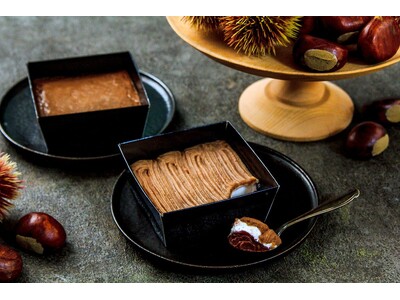
A sharp, acrid smell cutting through the aroma of melted cacao is every baker’s worst nightmare. You open the oven door to find your glossy, decadent gateau au chocolat sporting a blackened top or hardened, carbonized rims. Because high-percentage dark chocolate contains delicate milk solids, volatile cocoa fats, and concentrated sugars, it transitions from rich caramelization to bitter ash in just a few uncontrolled minutes. Recent artisanal patisserie coverage from the エルザ Report highlights how precision thermal management dictates the success of ultra-dense chocolate confections, where even a two-minute window separates silkiness from ruin.
When your cake emerges darker than planned, the instinct is often to discard the entire tin. That is almost always a mistake. With targeted pastry techniques, surgical trimming, and intentional flavor balancing, you can salvage a scorched dessert while setting up bulletproof protocols to ensure it never happens again.
📌 Key Takeaways:
- The Damage Assessment: Surface singeing can be trimmed, shaved, and masked, whereas deep burnt acridity permeating the crumb requires structural reinvention.
- The Thermal Sweet Spot: Ideal gateau au chocolat baking temperature hovers strictly between 150°C and 160°C (300°F, 325°F) to prevent sugar charring before the center sets.
- Strategic Rescue Tools: Microplane rasps, cold ganache coats, and acidity balances neutralize carbon notes without compromising dessert presentation.
The Chemistry of Burned Cocoa: Why Chocolate Scorches Fast
Chocolate does not behave like standard flour-heavy sponge cake batter. A classic gateau au chocolat relies on minimal wheat flour, leaning instead on an emulsion of chocolate, butter, eggs, and sugar. Cocoa solids are exceptionally heat-sensitive. When exposed to dry heat exceeding 170°C (340°F), the proteins and polyphenols in cocoa undergo rapid pyrolysis rather than standard, pleasant Maillard reactions.
The bitterness of dark chocolate masks the early signs of burning. You cannot rely purely on visual inspection because the batter is already deep mahogany. By the time a dark crust turns noticeably black, bitter pyrazines have already formed on the surface. Understanding this chemistry explains why rich chocolate dessert troubleshooting demands immediate thermal intervention the moment surface sugars begin to caramelize too aggressively.
Assessing the Damage: Surface Burn Versus Internal Ruin
Before grabbing a serrated knife, determine how deep the thermal damage extends. Let the cake cool completely in its pan at room temperature for at least 45 minutes, followed by 30 minutes in the refrigerator. Attempting to inspect or cut hot gateau au chocolat will collapse its molten structure, turning a minor scorch into structural soup.
Once chilled, evaluate the cake using three diagnostic criteria:
First, test the surface firmness. A gentle press on the top should yield a light, paper-thin meringue crackle over a dense cushion. If the top feels like hard ceramic, you have severe crust scorching. Second, check the perimeter. Shrunken, pulled-away edges that look hard and black indicate peripheral thermal shock. Third, perform a sensory scrape: lightly run an offset spatula over the crust and taste the crumb flake. If you detect sharp ash or charcoal notes rather than deep dark cocoa, mechanical trimming is required.
Professional Rescue Operations: Trimming, Shaving, and Masking
Salvaging an overbaked gateau au chocolat depends on precision execution. If the cake burned only on the exposed top, use a Microplane grater rather than a knife. Gently rasping the carbonized exterior removes the burnt layer fraction by fraction without carving out the dense interior.
If the burn runs deeper into the crust:
- Trimming scorched cake edges: Take a long serrated bread knife and slice off the outer 2 to 3 millimeters of the perimeter. Keep the blade completely vertical to maintain a clean circular silhouette.
- The inverted leveling cut: If the entire top is deeply singed, use a cake leveler or bread knife to remove the top 5 millimeters. Invert the cake onto a serving board so the perfectly smooth, protected bottom becomes your pristine new top.
- The ganache topping mask: Prepare a rich glaze using equal parts warm heavy cream (minimum 36% fat) and 60% semisweet chocolate. Pouring a glossy ganache over the trimmed, inverted surface seals in interior moisture and creates an impermeable barrier that visually hides structural cuts.
- Counteracting bitter burnt flavor: Fat and acid suppress residual bitter notes on the palate. Serve the trimmed slices alongside unsweetened crème fraîche, mascarpone infused with orange zest, or a tart raspberry coulis. The dairy fats coat the tongue, blocking lingering bitterness.

Baking Temperature Benchmarks and Prevention Protocols
Avoiding burned cakes entirely requires strict environmental control inside your oven. Most residential ovens exhibit thermal swings of up to 15°C (30°F) beyond their digital readouts.
| Baking Method | Target Temperature | Average Bake Time | Burn Risk Level |
|---|---|---|---|
| Direct Dry Heat (Standard) | 170°C, 180°C (340°F, 355°F) | 30, 35 mins | High (Prone to edge charring) |
| Low-Thermal Precision | 150°C, 160°C (300°F, 320°F) | 42, 48 mins | Low (Even heat migration) |
| Bain-Marie (Water Bath) | 140°C, 150°C (285°F, 300°F) | 50, 60 mins | Negligible (Protected perimeter) |
Baking your cake at 150°C to 160°C allows heat to transfer slowly through the dense batter without scorching the outer rim. For ultra-dense recipes akin to modern Japanese terrine-style gateaus, such as the artisanal creations popularized by pastry chefs and Japanese confectionery houses, the water bath baking method provides an unbeatable buffer. Surrounding the springform pan with hot water caps the pan wall temperature at roughly 100°C (212°F), eliminating scorched edges entirely.
Crucial Safeguards: Tenting, Lining, and Thermal Probes
Relying on kitchen timers alone creates inconsistent results. Incorporating mechanical habits into your workflow guarantees complete control over the bake:
Parchment paper lining prevention: Never grease a dark metal cake pan and pour batter directly onto the surface. Dark metal absorbs radiant heat rapidly, scorching fats on contact. Always double-line your pan. Place a round disc of heavy parchment at the base, and line the sides with a parchment collar extending 1 inch above the rim to shield rising batter from directional heat blasts.
The aluminum foil tenting technique: Check the cake at minute 20. If the center is still completely fluid while the top crust shows matte dryness, loosely drape a sheet of aluminum foil tented over the top. The reflective surface deflects direct radiant heat from the top heating element while allowing convective heat to finish cooking the core.
Oven hot spots calibration: Place an independent analog or digital oven thermometer directly on the middle rack where your cake will sit. Many home units run 10°C to 20°C hotter near back exhaust vents. Knowing your oven's true internal output prevents silent scorching.
The internal temperature check: Forget the traditional toothpick test for dense gateau au chocolat. A clean toothpick means your cake is already overbaked, dried out, and approaching burn territory. Instead, insert an instant-read digital probe thermometer directly into the center. Pull the cake when the core registers between 72°C and 76°C (162°F, 168°F). Residual carryover heat will finish setting the custard while keeping the center silky.
Transforming Severely Scorched Cakes: The Upcycling Strategy
When a cake is too deeply scorched across both top and sides for simple trimming, do not throw it in the trash. As long as the interior core has not burned black, you can separate the salvagable crumb from the charred exterior and pivot to an alternative presentation.
Carve away all browned and blackened crusts, saving the dense, fudgy center. Crumble the core into a mixing bowl, blend it with 2 tablespoons of dark rum or espresso, and fold in 50 grams of melted butter or chocolate hazelnut paste. Roll the mixture into tight spheres, chill until firm, and roll them in raw cocoa powder or tempered chocolate to make decadent artisan truffles. Alternatively, dice the dense interior into neat cubes, fold them into vanilla bean gelato, or layer them with whipped mascarpone in glasses for an emergency chocolate trifle.
Frequently Asked Questions (FAQ)
Q1: Why did my gateau au chocolat burn on top while remaining completely raw inside?
A1: This occurs when your oven temperature is set too high (above 170°C/340°F) or the pan sits too close to the upper heating element. High heat crisps surface sugars before radiant energy can penetrate the dense cocoa-and-egg emulsion. Lower your temperature to 150°C (300°F), move the rack to the lower-middle position, and tent with foil midway through baking.
Q2: Can I cover a burnt chocolate cake with standard powdered sugar?
A2: No. Powdered sugar melts into warm cakes and visually highlights dark singes underneath. More importantly, sugar adds sweetness without neutralizing the bitter, carbonized notes of burnt cocoa. Always mechanically trim the scorched surface first, then apply a layer of rich ganache or cocoa dusting over a smooth trimmed base.
Q3: How do I know if the cake is beyond saving?
A3: If the burnt aroma has penetrated into the center of the cake, giving the unburnt center an acrid, smoky aftertaste, the pyrazines have dissolved into the melted fats. Once the fat absorbs the smoke flavor, trimming the exterior will not help, and the batch must be remade.
The Road to Flawless Bakes
Baking errors happen to professional pastry chefs and home cooks alike. The difference between an amateur kitchen disaster and a successful dinner service lies in knowing how to diagnose thermal stress and react calmly.
Equip your kitchen with an accurate digital oven probe, lower your baking temperatures by 10 degrees, and keep aluminum foil within arm's reach. By mastering thermal control and deploying quick rescue techniques, you will never have to surrender another gateau au chocolat to the compost bin.
