THE ONE PIECE Production Timeline: From Initial Reveal to Foosha Village Concept Art

Production teams behind Netflix and Wit Studio's upcoming remake, titled THE ONE PIECE, have peeled back the curtain on Monkey D. Luffy’s formative years. Early sketches and environment layouts place the project’s focal point squarely on Windmill Village, also known as Foosha Village, capturing the exact tavern counter where a reckless seven-year-old boy swallowed a cursed fruit and altered the course of the Grand Line. The materials, revealed across Japanese entertainment outlets, provide the first tangible look at how modern digital compositing and cinematic animation techniques will reframe Eiichiro Oda’s original 1997 manga debut. Merchandising registries and collector archives documented via the Geekissimo Report showcase the enduring resonance of this childhood era, underscoring how deeply rooted Luffy’s origin remains across decades of global fandom.
📌 Quick Summary:
- Production Milestone: Wit Studio has released official Episode 1 concept art detailing Partys Bar and Foosha Village, confirming a grounded visual overhaul for the East Blue Saga.
- Streaming Schedule: The project targets a worldwide debut on Netflix in February 2027, covering the first 50 chapters of Oda's manga across Season 1.
- Narrative Strategy: The adaptation strips away legacy filler, homing in on the emotional gravity between young Luffy, Red Hair Shanks, and the early seeds of his bond with Ace and Sabo.
From Jump Festa Announcement to Wit Studio’s Drawing Boards
When Shueisha, Fuji Television, and Toei Animation first partnered with Netflix to announce THE ONE PIECE at Jump Festa in December 2023, the global reaction split between sheer disbelief and quiet skepticism. Toei’s weekly broadcast anime had already passed 1,000 episodes and was entering the visual tour de force of the Egghead Island arc. Why revisit the East Blue?
The strategic answer lay in accessibility and pacing. For millions of prospective viewers, the original 1999 television adaptation presents an intimidating barrier to entry: standard-definition 4:3 aspect ratios, dated sound design, and pacing dictated by the rigid demands of 1990s broadcast schedules. Wit Studio, celebrated for its raw physical choreography on early seasons of Attack on Titan and the textured, watercolor warmth of Ranking of Kings, stepped in with a mandate to reset the technical baseline.
Production pipelines remained silent for months while the studio assembled a core creative unit capable of handling Oda’s sprawling world. Rather than producing a rushed companion piece to Netflix’s live-action hit, the team treated the remake as an archival reinvention. The directive was straightforward: adapt the source material with modern widescreen composition, nuanced color palettes, and cinematic continuity, starting from the very first frame of Chapter 1, "Romance Dawn."
Rebuilding Partys Bar: What the Concept Art Actually Shows
The latest production art, published via Japanese press outlets including MSN and livedoor News, centers entirely on the rustic interior of Partys Bar in Foosha Village. The location serves as the emotional engine of Luffy’s childhood. The art captures the sunlight pouring through Makino’s tavern windows, cutting across wooden floorboards aged by sea salt and heavy foot traffic.
At the center of the tavern counter sits Red Hair Shanks, relaxed yet observant, flanked by his first mate, Benn Beckman. The character designs lean into subtle, weathered details that Oda could only hint at in his early, minimalist line work. Shanks appears younger, unburdened by the geopolitical exhaustion of his later Yonko status, yet drawn with an unmistakable presence. Beckman leans back against the wall, his rifle balanced within arm's reach, exuding the calm pragmatism of veteran pirates resting in an obscure East Blue backwater.
Between them stands the seven-year-old Luffy. Wit Studio’s character models capture his manic defiance without tipping into cartoonish caricature. The fresh scar beneath his left eye, inflicted by his own hand to prove his bravery, bleeds into the line work with raw visual weight. Sunlight bounces off the open wooden chest on the counter, revealing the swirled, purple skin of the Gomu Gomu no Mi (the Gum-Gum Fruit) resting on velvet lining. This visual framing re-establishes the bar as a place of genuine consequence. In this single room, an innocent conversation about pirate glory triggers the world government’s greatest crisis.
The Production Roadmap: Key Benchmarks Leading to 2027
The rollout of THE ONE PIECE marks a deliberate break from traditional weekly broadcast anime models. By developing the series directly for streaming, Netflix and Wit Studio have structured production around self-contained seasonal blocks. Season 1 will adapt roughly 50 manga chapters, taking Luffy from his childhood in Foosha Village through the trials of Shells Town, Orange Town, and Syrup Village, culminating around the floating restaurant Baratie.
| Phase / Date | Production Milestone | Narrative Scope & Focus |
|---|---|---|
| December 2023 | Initial Studio & Platform Reveal | Announcement of Wit Studio adaptation covering the East Blue Saga. |
| May 2026 | Foosha Village Concept Art Drop | Visual reveal of young Luffy, Shanks, Beckman, and Makino’s tavern. |
| June 2026 | Episode 1 Art & Pacing Confirmation | Confirmation of a 50-chapter scope, reaching the Baratie storyline. |
| February 2027 | Global Streaming Premiere | Worldwide multi-language release on Netflix. |
This structured cadence eliminates the dreaded filler episodes that plagued long-running 1990s serials. In the original 1999 television anime, Luffy’s childhood backstory was delayed, chopped up, and repackaged after introducing him as an adult popping out of a barrel. The Wit Studio remake restores the chronological precision of Oda’s original panels, ensuring that viewers understand the emotional price of Shanks’s sacrificed arm before watching Luffy embark on his solitary voyage.
Retaining Makino’s Warmth Against the Looming Shadow of Goa Kingdom
Capturing Luffy’s youth requires more than drawing a high-energy child eating meat. The narrative weight of Windmill Village relies heavily on Makino’s maternal grounding. As the proprietor of Partys Bar, Makino provided the basic domestic warmth that the young protagonist was denied by his absent grandfather, Marine Vice Admiral Monkey D. Garp.
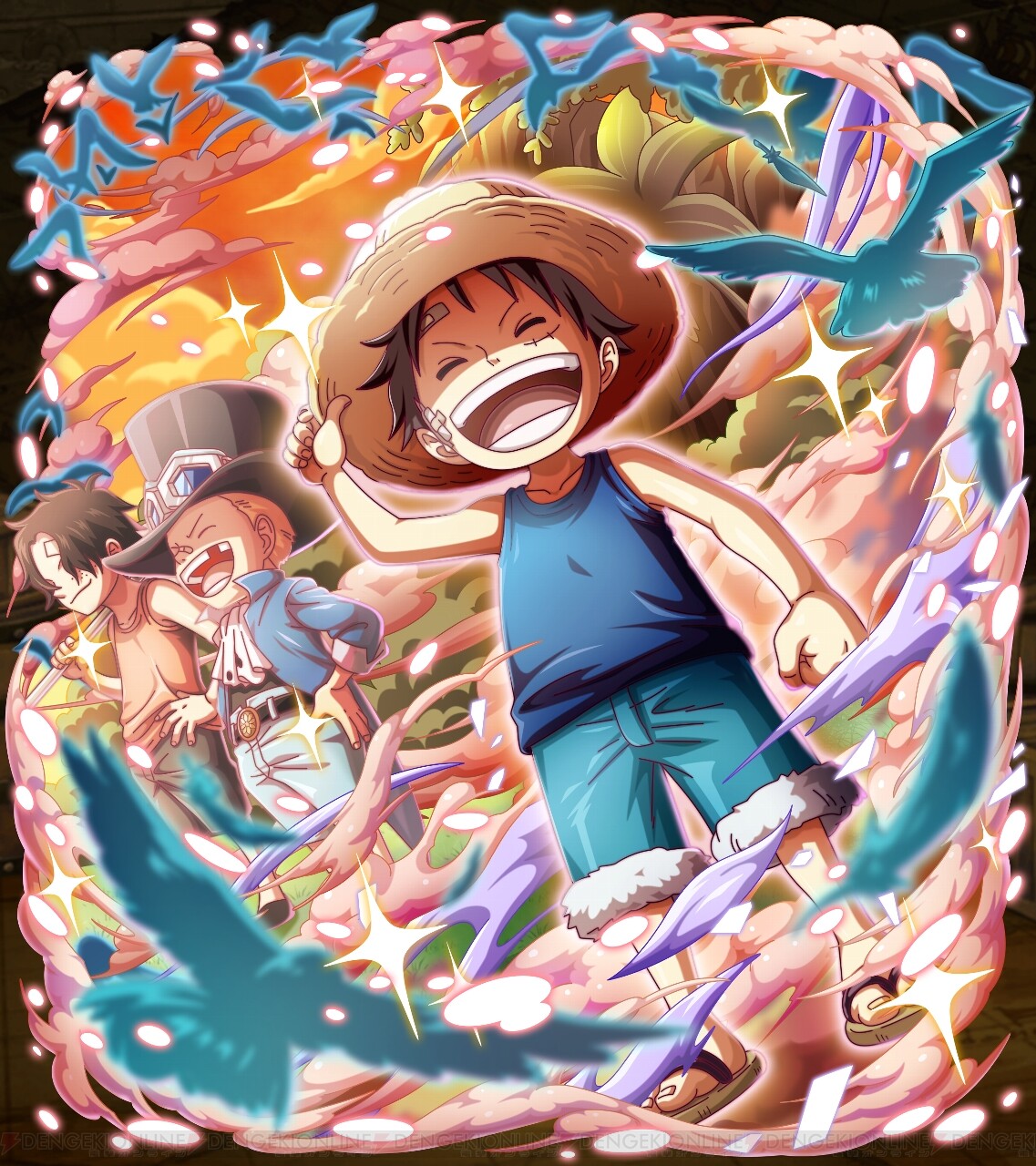
Early lighting studies from the studio emphasize this domestic sanctuary. The rustic tavern serves as a temporary haven where local villagers, seasoned pirates, and an untamed orphan coexist peacefully. Yet beneath this pastoral tranquility sits the darker reality of the surrounding Goa Kingdom. While Season 1 will focus on the immediate incident involving the mountain bandit Higuma, the visual groundwork acknowledges the deeper layers of Luffy's youth: the trash-heaped expanse of the Gray Terminal and the blood pact he forged with Portgas D. Ace and Sabo.
By planting these seeds early, the animation team builds a cohesive bridge between Luffy's comedic antics and his instinctive distrust of societal nobility. His childhood was not idyllic; it was forged through early abandonment, physical survival, and the irreplaceable gift of Shanks’s straw hat. Wit Studio’s visual direction honors that complexity by ensuring the environments feel lived-in, muddy, and authentic rather than clean and sterile.
Why the East Blue Reboot Carries High Stakes for Shueisha and Netflix
The commercial investment behind THE ONE PIECE reflects a broader transformation in the streaming entertainment market. Japanese animation is no longer treated as niche licensed content; it serves as a central pillar for international subscriber retention. Netflix’s live-action adaptation proved that Western mainstream audiences possess an enormous appetite for Oda’s story when freed from endless recaps and agonizing episode bloat.
By funding a high-end, seasonal remake of the source material, Netflix and Shueisha are future-proofing the brand for decades. The original Toei series will continue to serve longtime weekly viewers through the manga’s final saga. Concurrently, the Wit Studio project targets the next generation of global viewers who demand cinematic pacing, consistent animation quality, and streamlined storytelling.
The pressure on these early Foosha Village sequences is severe. If the remake fails to convey the raw emotional gut-punch of Shanks offering his left arm to the Lord of the Coast, the entire enterprise loses its foundation. The concept sketches indicate that Wit Studio understands this responsibility: they are not simply remaking an anime, but rebuilding the emotional cornerstone of modern pop culture.
Frequently Asked Questions (FAQ)
Q1: Will THE ONE PIECE remake replace Toei Animation's ongoing anime?
No. Toei Animation continues to produce the weekly broadcast anime, which is currently adapting the climactic final arcs of the manga. The Wit Studio series is an independent remake running in parallel, designed as a seasonal streaming adaptation on Netflix.
Q2: How many chapters of the manga will Season 1 cover?
Official production releases confirm that Season 1 covers approximately the first 50 chapters of Eiichiro Oda's manga, tracking the East Blue narrative from Foosha Village through the restaurant Baratie arc.
Q3: Does the new art mean Ace and Sabo will appear in Episode 1?
The newly released art focuses specifically on Foosha Village, Partys Bar, and the Red Hair Pirates as depicted in Chapter 1. While hints of Luffy’s broader childhood with Ace and Sabo may be subtly foreshadowed, their full backstory belongs to the post-Marineford flashback arc unless the writing staff alters chronological continuity.
Visual Foundations for the Next Generation
The initial glimpse of young Luffy sitting beside Shanks and Benn Beckman inside Partys Bar confirms that THE ONE PIECE is being built with deliberate patience. Wit Studio has resisted the urge to modernize through superficial visual clutter, opting instead to heighten the natural light, expressive character acting, and coastal grit that made Foosha Village unforgettable in 1997. As the production heads toward its February 2027 premiere, the remake appears poised to offer both nostalgic veterans and brand-new audiences a fresh, unfiltered window into the boy who set out to become King of the Pirates.
