The Physiology of Post-Crying Puffy Eyes: What Works, What Fails, and True Recovery Times
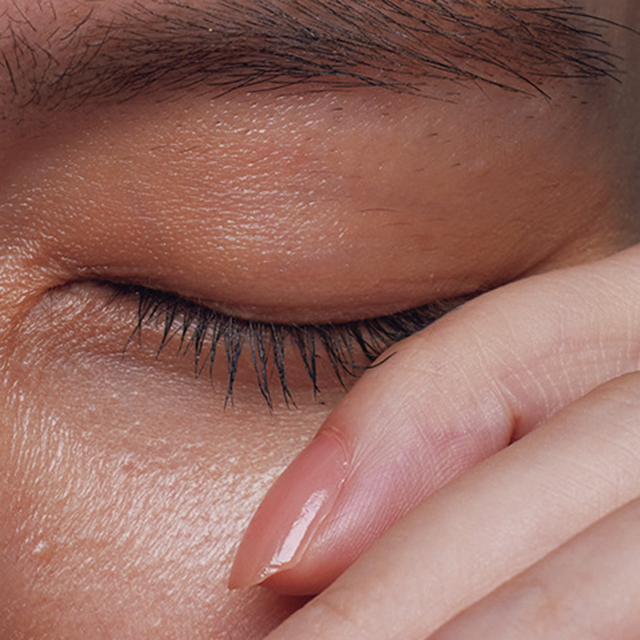
A sudden emotional release leaves unmistakable marks across the human face. Within twenty minutes of heavy weeping, eyelids balloon, the skin turns crimson, and the gaze feels tight and heavy. While casual observers dismiss the reaction as simple inflammation, the underlying mechanism is an intricate hemodynamic and osmotic cascade. Clinical analysis highlighted in a recent Real Simple Report explains that psychic or emotional tears differ chemically and physically from the baseline tears that lubricate daily blinks, setting off localized tissue distension that standard skincare routines struggle to resolve quickly.
Online advice often complicates the issue. Viral social media platforms push aggressive home hacks, while digitally altered imagery and AI-generated portraits of distress distort what normal post-cry recovery actually looks like. Understanding the true physiology of swollen eyes cuts through internet folklore, offering practical, anatomically sound methods to calm inflamed facial tissue.
📌 Key Takeaways:
- The Fluid Dynamic: Emotional tears possess lower solute concentrations than surrounding skin cells, creating an osmotic gradient that pulls water into loose periorbital connective tissue.
- The Vascular Trigger: Autonomic nervous system activation during emotional distress drives capillary vasodilation, flooding fragile eyelid tissue with localized fluid retention.
- Recovery Expectations: Unassisted swelling typically takes between 4 and 24 hours to clear entirely, but targeted thermal and lymphatic interventions can reduce visible volume by up to 60% in 30 minutes.
The Osmotic Cascade: Why Psychic Tears Trigger Periorbital Edema
The human eye produces three distinct categories of tears: basal, reflex, and psychic. Basal tears coat the cornea continuously, carrying an osmolarity closely aligned with blood serum at roughly 290 to 310 mOsm/L. Psychic tears, triggered by the limbic system during emotional distress, pour out in high volumes under autonomic direction. These tears contain significantly higher water content and lower salt concentrations.
This variance creates an osmotic dilemma. When watery emotional tears bathe the ocular surface, the sudden drop in sodium tear osmolarity forces fluid into the surrounding periorbital cells. Skin surrounding the ocular orbit is the thinnest on the human body, measuring barely 0.5 millimeters thick. It lacks subcutaneous adipose tissue and firm connective architecture. Instead, it features loose cellular spacing that easily accommodates fluid retention around eyes.
Simultaneously, emotional crying activates the parasympathetic nervous system, prompting lacrimal gland swelling and widespread capillary vasodilation throughout the face. Microscopic vessels dilate to handle increased localized blood circulation. As vessel walls stretch, plasma filters out into interstitial spaces. The combination of hyper-dilated microvasculature, heightened interstitial permeability, and frantic mechanical tissue rubbing produces severe periorbital edema within minutes.
Clinical Recovery Windows Across Common Interventions
Left alone, the lymphatic system gradually reabsorbs stagnant periorbital fluid. Gravity, blinking action, and normal capillary pressure slowly drain the tissue, but the natural swollen eyelid recovery time stretches across an entire day if vascular irritation persists. Controlled clinical techniques, however, alter this timeline dramatically.
| Protocol & Mechanism | Active Recovery Window | Clinical Efficacy |
|---|---|---|
| Passive Rest (Zero Intervention)Natural hydrostatic filtration and basal lymphatic drainage. | 8, 24 hours | Baseline clearance; high risk of prolonged morning swelling if crying occurred before sleep. |
| Cold Compress TechniqueTemperature reduction (45°F, 55°F) induces rapid vasoconstriction. | 1, 3 hours | Reduces local blood volume by roughly 40, 50%; halts microvascular leakage immediately. |
| Chilled Tea Bags (Topical Caffeine)Adenosine receptor antagonism paired with cool thermal contact. | 45, 90 minutes | High; astringent tannins firm tissue while caffeine contracts small arterioles. |
| Targeted Manual Lymphatic DrainageMechanical stimulation directing fluid toward preauricular lymph nodes. | 30, 60 minutes | Highest immediate reduction for post-weeping pooling; requires light pressure. |
Sleeping flat after an emotional episode exacerbates the timeline. In a supine position, hydrostatic pressure inside the upper body rises, preventing the natural gravitational descent of lymph fluid into cervical collectors. Elevating the head with two pillows reduces morning puffiness by an estimated 30% compared to lying completely horizontal.
Debunking Internet Hacks: Spoons, Ointments, and Misinformation
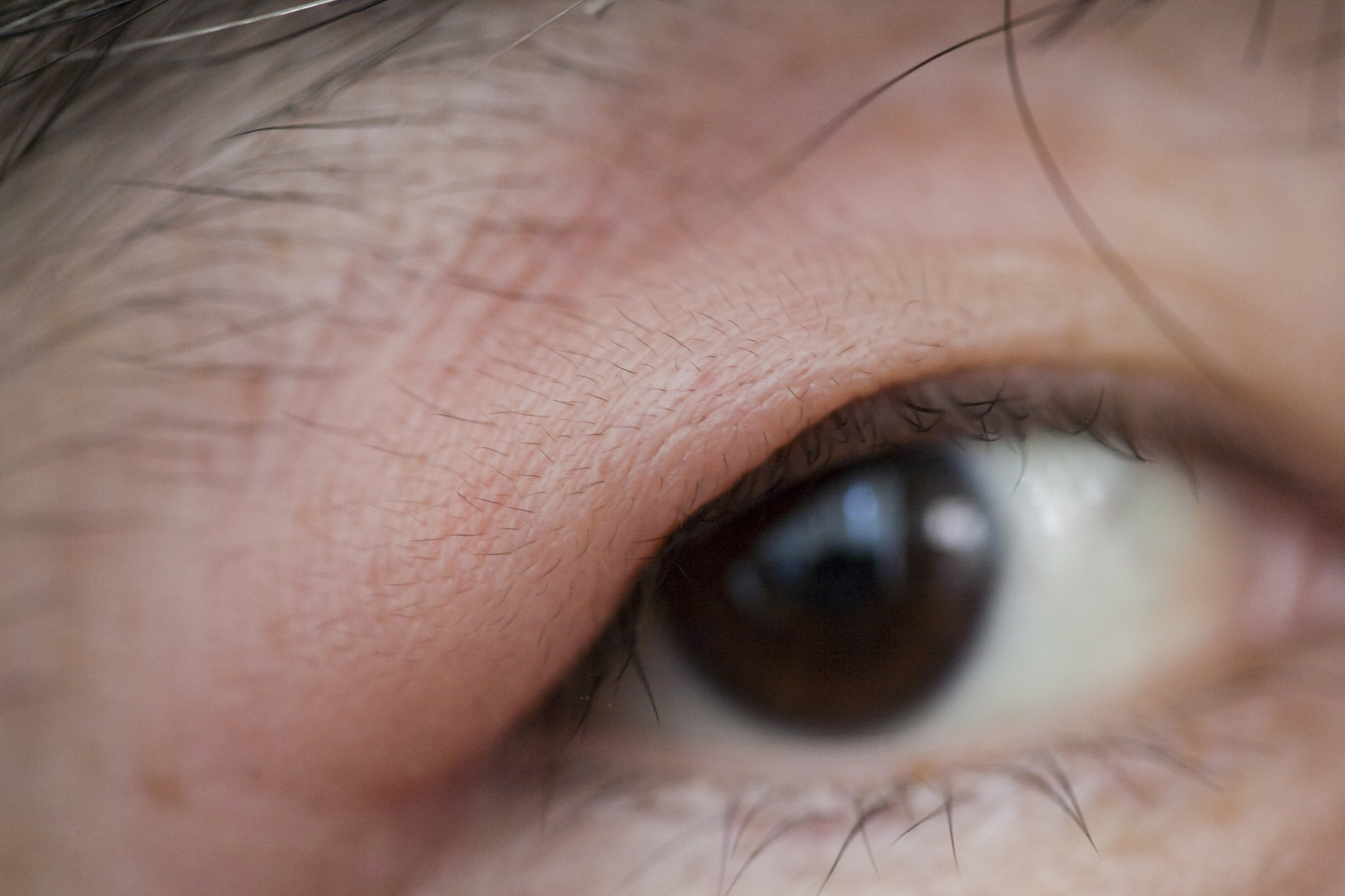
Digital platforms are awash in questionable home remedies. Fact-checking monitors and independent investigations regularly expose manipulated imagery depicting hyper-swollen eyes, often tied to viral beauty trends or generated by artificial intelligence. Rumor Scanner, for instance, debunked viral claims that circulated extreme microscopic photographs falsely billed as human eyes after weeping. The online appetite for dramatic physical transformations fuels dangerous self-treatment habits.
Chief among these errors is applying hemorrhoid creams to the periocular area. While hydrocortisone or phenylephrine in these formulations constricts blood vessels, the delicate skin around the eyes absorbs steroids rapidly. Prolonged use risks severe skin thinning, telangiectasia, and spikes in intraocular pressure that can lead to glaucoma. Furthermore, inadvertent contact with the conjunctiva causes severe chemical conjunctivitis.
Direct freezer contact is another widespread mistake. Pressing sub-zero metal spoons or raw ice cubes directly onto eyelid skin causes thermal burn injuries and epidermal necrosis. Extreme cold triggers reactive vasodilation: the body interprets freezing temperatures as cellular trauma and rebounds by surging blood to the region, aggravating the swelling. Safe thermal tools must sit between 40°F and 55°F (4°C to 13°C), buffered by a soft barrier.
Mechanical Relief: Facial Cooling Tools and Gentle Lymphatic Work
Restoring clear eye contours demands a two-phase mechanical approach: calm vascular dilation first, then move trapped fluid out through established physiological channels.
Modern facial cooling tools, such as medical-grade stainless steel cryo globes, jade rollers kept in the refrigerator, or gel masks, offer consistent thermal stabilization without the danger of frost injury. Rolling these tools across the supraorbital margin and under-eye space cools tissue evenly, halting capillary leakage without triggering reactive shock. Ten minutes of controlled cooling typically yields peak vasoconstriction.
Once vascular tone stabilizes, fluid evacuation must occur via lymphatic drainage face routines. The lymphatic network lacks a central pump; it relies entirely on muscular movement and external pressure. Around the eyes, fluid empties outward toward the preauricular nodes directly in front of the ears, continuing down to the deep cervical nodes in the neck.
Under-Eye Area ───► Preauricular Nodes (Front of Ear) ───► Cervical Nodes (Neck)
▲ │
│ ▼
Inner Canthus Venous System
To execute this properly:
- Dispense a slick, non-comedogenic serum to eliminate surface friction.
- Place ring fingers at the inner canthus of the lower eyelid.
- Apply feather-light pressure, no heavier than the weight of a nickel, and glide smoothly toward the hairline.
- From the preauricular node at the jaw hinge, sweep fingers down the side of the neck to the clavicle.
- Repeat for ten deliberate strokes. Pressing aggressively crushes shallow lymphatic vessels, blocking fluid evacuation entirely.
Dermatologist Depuffing Tips: Topicals, Caffeine, and When to Seek Care
Topical agents amplify mechanical and thermal therapy. Dermatologist depuffing tips prioritize vasoconstrictive actives and moisture barriers that balance sodium disruption.
Using chilled tea bags caffeine remains an evidence-backed favorite for good reason. Black and green tea varieties carry natural methylxanthines, particularly caffeine, alongside astringent tannins. When applied cool to closed lids for 10 to 15 minutes, caffeine penetrates superficial layers to inhibit adenosine receptors, constricting swollen micro-capillaries. Tannins gently precipitate surface proteins, firming lax eyelid tissues. Ensure tea bags are thoroughly drained and free of synthetic flavorings or fragrances that could spark contact dermatitis.
For over-the-counter skincare, formulations housing caffeine (3% to 5%), peptide complexes (such as acetyl tetrapeptide-5), and pure niacinamide offer the best outcomes. Peptides work by reducing vascular permeability, preventing fluids from leaking into surrounding tissue. Layering a chilled, humectant-rich eye gel restores hydration to desiccated skin without overburdening fragile cellular spaces.
Most crying-induced swelling clears within a day. Persistent periorbital edema lasting beyond 48 hours, however, signals a different clinical issue. If asymmetric swelling occurs, or if symptoms include blurred vision, severe ocular pain, photophobia, or thick discharge, consult an ophthalmologist immediately. These indicators point to periorbital cellulitis, dacryoadenitis, or allergic conjunctivitis rather than routine emotional tears.
Frequently Asked Questions (FAQ)
Q1: Why does post-crying eye puffiness look so much worse the following morning?
A1: Crying late in the evening pairs active periorbital fluid leakage with horizontal sleep positioning. Lying flat removes gravitational drainage, allowing lymph and blood to pool unchecked in the loose periorbital tissues overnight. Elevating your head with multiple pillows directly curbs this morning pooling.
Q2: Can washing my face with warm water speed up recovery after crying?
A2: Warm water accelerates capillary vasodilation and exacerbates local inflammation, making puffiness significantly worse. Rinse face and eyes with cool or lukewarm water (around 60°F to 65°F) to clear salt residues without aggravating delicate micro-vessels.
Q3: How soon after an emotional cry can I wear contact lenses or makeup?
A3: Wait at least 60 to 90 minutes before reinserting contact lenses or applying cosmetic products. Crying alters the ocular tear film, dries the cornea, and leaves tissues inflamed. Immediate lens insertion causes corneal abrasions and traps irritants beneath the lens surface.
Managing Post-Cry Recovery With Clinical Precision
Post-cry swelling is an entirely normal, albeit uncomfortable, consequence of autonomic regulation and ocular fluid dynamics. By steering clear of extreme internet remedies, respecting the fragile vascular network of the eyelids, and applying gentle cold therapy and lymphatic drainage, you can cut recovery times down to a fraction of their normal duration. Patience and soft, methodical techniques will restore comfort and clarity long before the day runs out.
