The Raw Truth Behind Hakata Nagahama Ramen Miyoshi: Why Purists Swear By It
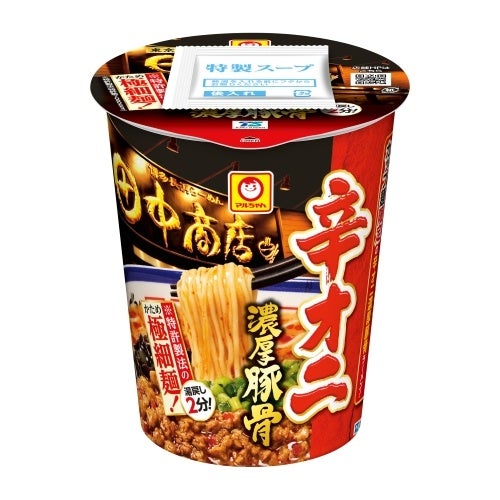
Past midnight along Kyoto’s Takase River, the smell of boiling marrow cuts through the damp air of Kiyamachi. A red paper lantern hangs above a narrow wooden counter where cooks drop wire baskets into bubbling cauldrons for exactly ten seconds. This is Hakata Nagahama Ramen Miyoshi. While industrial food conglomerates and station retail corridors push pre-packaged, emulsified pork soups into every corner of Japan, Miyoshi operates on the same blistering, stripped-down formula it adopted decades ago. As commercial ramen continues its corporate sprint, exemplified by convenience store tie-ins detailed in a recent PR TIMES Report regarding national retail releases of heavy tonkotsu bowls, purists still queue outside this open-air Kyoto institution for a taste of authentic Hakata pork bone broth that refuses to compromise.
📌 Key Takeaways:
- The Core Distinction: Miyoshi preserves the lighter, savory, fast-cooked Nagahama style tonkotsu rather than the thick, fatty emulsion favored by modern commercial chains.
- The Kyoto Connection: Operating in Sanjo Kiyamachi since 1982, the shop transplanted Kyushu dockworker fuel directly into the nightlife district of Japan’s ancient capital.
- The Ordering Protocol: Mastering the barikata noodle firmness and the rapid kaedama noodle refill system remains essential to experiencing the dish as intended.
The Fish Market Origins That Forged Nagahama Broth
Understanding Miyoshi requires looking four hundred miles southwest to the shores of Hakata Bay. In the late 1950s, the wholesale fish market of Fukuoka moved from the crowded central ward out to Nagahama. The dockworkers handling morning catches needed breakfast immediately. They had neither the time nor the inclination to sit through a lengthy boil. Food stalls surrounding the docks adapted by switching from standard Chinese wheat noodles to ultra-thin straight noodles that could cook through in seconds.
Because these thin strands swell and turn soggy rapidly in hot liquid, stall owners served smaller portions. To compensate for smaller bowls, they invented kaedama: a rapid refill system where a customer requests another bundle of noodles dropped directly into their leftover soup. The broth had to accommodate this rhythm. Unlike the heavy, gelatin-rich broths native to Kurume, classic Nagahama broth emerged as a lighter, pale soup brewed with pork bones at high heat without excessive fat backings. It offered clean, punchy umami, sustaining hard-working fishmongers without leaving them incapacitated by midday sluggishness.
How a Hakata Street Stall Ended Up Ruling Kyoto’s Kiyamachi
Transporting this dockside food directly to Kyoto was an anomaly. Kyoto’s local culinary baseline historically favored dashi-driven clear broths, delicate seasonal greens, and refined presentation. Yet in the late twentieth century, the entertainment corridor between Sanjo and Shijo along Kiyamachi developed a sprawling network of bars, clubs, and late-night cabarets. Revelers and hospitality workers pouring out into the streets at 3:00 AM had zero interest in delicate dashi.
Miyoshi set up shop directly against this nocturnal flow. Instead of constructing an enclosed restaurant with polished tables and automated ticketing machines, the shop maintained an exposed street-facing counter protected only by clear plastic curtains and traditional red banners. The kitchen sits inches from the sidewalk. Cooks shave char siu pork to order, blast pork femurs in massive stockpots, and flick boiling water off noodles with violent, rhythmic wrist snaps. The shop became an instant fixture for Kyoto night owls, university students from nearby campuses, and touring musicians who slipped onto the counter's vinyl stools after midnight gigs.
Street Counter Craft Versus Commercial Station Terminals
The modern tonkotsu market looks vastly different than it did during Miyoshi's early days. Travelers passing through transit hubs like Hakata Station frequently encounter commercial ramen stadiums featuring outlets such as Nagahama Number One or Mohikan inside underground facilities like Hakata Deitos. These station hubs offer climate-controlled convenience and predictable menus engineered to accommodate rolling luggage. However, their broth profiles have steadily shifted toward standardized viscosity, using concentrated animal fats to achieve an accessible, creamy mouthfeel for tourists.
Miyoshi rejects this homogenization. The soup here retains the mineral salinity and distinct bone pungency of traditional street stalls. It carries a thin sheen of clear pork oil on top of a cloudy, bone-white base rather than the thick, gravy-like consistency popularized by modern franchises.
| Operational Metric | Kyoto Kiyamachi Miyoshi | Commercial Station Chains |
|---|---|---|
| Broth Consistency | Lighter bone extraction; fast-boil pork marrow; low gelatin | Emulsified, high-fat density; often supplemented with pork back-fat paste |
| Base Bowl Price (2024, 2026) | ¥750, ¥850 | ¥950, ¥1,250 |
| Dining Environment | Open-air alley counter, manual payment, tight elbow clearance | Multi-terminal ticket vending, luggage storage spaces, indoor air-conditioning |
| Peak Operating Hours | 11:00 PM, 4:30 AM (nightlife surge) | 11:30 AM, 2:00 PM and 6:00 PM, 9:00 PM (transit commute) |
The Mechanics of Barikata Noodle Firmness and Kaedama Refills
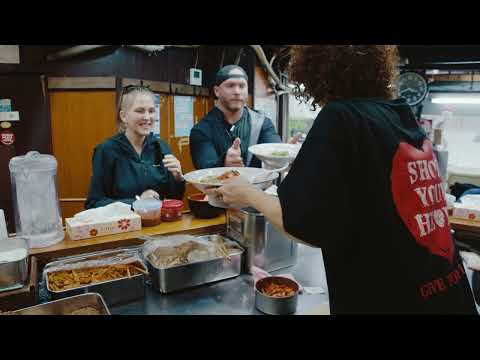
Ordering at Miyoshi follows a distinct linguistic cadence. When taking your seat, you specify noodle firmness immediately. The ladder ranges from futsu (standard, roughly 45 seconds in the water) down to katame (firm), barikata (extra firm, 10, 15 seconds), and harigane (wire-hard, dunked for less than 7 seconds).
Purists universally select barikata. The thin gauge of the noodle means that residual heat in the soup continues cooking the core the moment the bowl hits the wood. If you order soft noodles, the bowl loses structural integrity within two minutes.
Eating here is an exercise in pacing. You consume the initial bundle of noodles swiftly while leaving at least half of your broth untouched in the bowl. Once you reach the final mouthfuls of the first serving, call out your refill request to the line cook: "Kaedama, barikata." Within thirty seconds, a fresh bundle drops onto your plate or directly into your bowl via tongs. Because the added noodles dilute the seasoning, you grab the dark bottle of ramen tare (concentrated soy sauce and seasoning blend) resting on the counter and squirt a single turn directly over the fresh noodles.
Table Accoutrements: Why White Sesame and Beni Shoga Matter
The stainless steel counter at Miyoshi features an array of communal condiments. These are not ornamental garnishes; they are operational tools designed to reshape the bowl across your meal.
Pickled red ginger (beni shoga) provides sharp acidity. In a soup base constructed entirely from pork marrow and fat, the acetic acid cuts through rich lipids and cleanses the palate between noodle pulls. However, novice eaters often drop ginger into the soup immediately upon arrival. This stains the pale broth red and overwhelms the delicate bone flavor. Veteran diners wait until their first refill before adding ginger.
White sesame seeds, ground fresh through handheld dispensers, introduce nutty roasted oils into the surface broth. Paired with fine white pepper and pungent crushed raw garlic, these additions let you customize each round of noodles. The first bowl highlights the unadorned broth; the refill transforms into a spicy, garlic-heavy variant tailored for late-night replenishment.
Navigating the Night: Who Appreciates Miyoshi and Who Hates It
Miyoshi is deliberately not built for every palate or travel style. The shop has maintained its position by ignoring modern hospitality trends that cater to tourist comfort.
Who Should Eat Here:
Diners seeking historic street-level authenticity will find Miyoshi unmatched in Kansai. Solo travelers, night-shift workers, and enthusiasts of genuine Kyushu food culture appreciate the shop's rapid service, unvarnished counter setting, and bone-dry dedication to thin noodles. It offers the fastest, most satisfying late-night meal along the Sanjo corridor for under ¥1,000.
Who Should Steer Clear:
Travelers expecting spacious seating, family-friendly accommodations, or quiet dining should look elsewhere. The counter seats fewer than a dozen people shoulder-to-shoulder directly exposed to street noise and weather. If you carry large luggage or prefer heavily sweetened, ultra-creamy tourist broths loaded with soft braised pork belly, Miyoshi’s rustic, salt-forward profile will feel jarring.
Frequently Asked Questions (FAQ)
Q1: How do I order a kaedama refill without disrupting the cooks?
A1: Wait until you have about two bites of your initial noodle portion left, make brief eye contact with the cook behind the boiling station, and state your firmness preference: "Sumimasen, kaedama barikata kudasai." Keep at least half of your broth in the bowl; stalls do not supply free extra soup with refills.
Q2: Is Miyoshi affiliated with corporate station chains in Hakata?
A2: No. Miyoshi is an independent, single-location legacy establishment in Kyoto that adheres to the traditional Nagahama preparation methods pioneered at the Fukuoka fish docks.
Q3: How much cash should I carry when visiting Miyoshi?
A3: Miyoshi operates primarily on manual cash payments. Bring small bills and coins. A complete meal featuring a base bowl, a kaedama refill, and a beer runs between ¥1,000 and ¥1,500 per person.
Preserving Pure Tonkotsu Culture Past 2026
As commercial ramen brands expand their retail footprint through convenience store shelves and airport concourses, real-world street stalls face mounting operational pressures. Rising energy costs, climbing pork bone supply prices, and real estate development continuously threaten low-margin, small-footprint operators across urban Japan.
Yet Miyoshi persists because it fulfills a specific human necessity. It does not sell an aspirational lifestyle brand or an engineered social media backdrop. It provides hot, salty bone broth and firm wheat noodles to people walking the Kyoto streets in the cold hours before dawn. That direct, unpretentious transaction separates authentic street craft from modern commercial convenience, keeping Miyoshi’s red lanterns glowing while corporatized trends fade.
