The Science Behind the Pomeranian 'Angry Face': Fur Shrinkage, Body Language, and Memes
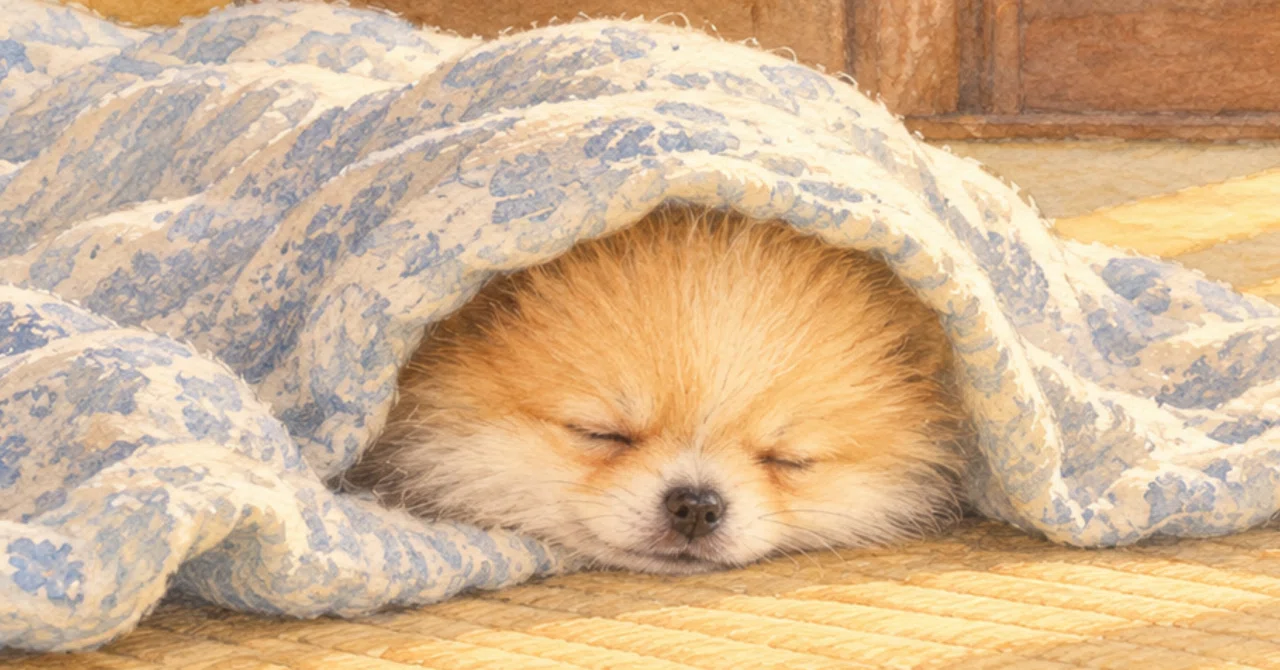
Few domestic dog breeds possess the visual elasticity of the Pomeranian. Under ordinary circumstances, the breed presents as a buoyant sphere of undercoat and guard hairs, masking a delicate skull structure barely larger than three fingers across. Yet when water disrupts that architectural shield, or when grooming triggers defensive boundaries, the breed’s appearance shifts violently from plush toy to intense predator. The internet colloquially calls this the "pomeranian angry face," a viral fixation fueled by short-form video clips of bath times, river dives, and snarling micro-dogs.
The aesthetic transformation is jarring. A notable livedoor ニュース Report documented this exact visual whiplash when YouTube channel "Pomeranian Soy" published footage of a typical home bath session, where the dog’s fluff collapsed instantly, leaving a narrow, alien visage that looked nothing like its dry self. Similar viral moments, such as the TikTok account "Pomeranian Ebisu" capturing their dog resurfacing from a river plunge with an unrecognizable, ferocious gaze viewed over 29,000 times, highlight a growing cultural curiosity. Behind the humor lies an intricate mix of physical fur mechanics, subtle canine facial expressions, and misdiagnosed behavioral stress.
📌 Key Takeaways:
- Physical Collapse: Water strips 70% to 85% of a Pomeranian's visible head volume, suddenly unmasking cranial bone structure, taut skin, and baseline canine facial expressions normally obscured by double coats.
- Ethological Conflict: Many viral moments celebrate what users perceive as comical rage, yet the line between an appeasement "submissive grin" and an imminent defensive bite involves subtle dog body language signals that owners frequently overlook.
- Welfare Priority: Modern behavioral science treats intense Pomeranian grooming stress not as an internet punchline, but as an acute trigger for toy breed vocalization and learned defensive aggression.
The Visual Shock of Wet Fur Shrinkage
The visual mechanics of a Pomeranian bath reaction rest entirely on the physics of the canine double coat. The Pomeranian coat consists of a dense, woolly undercoat engineered to trap air and insulate, coupled with a longer, harsher outer coat that shields against debris. When submerged, capillary action binds the hairs together, forcing trapped air pockets out and causing dramatic volume collapse. What viewers perceive as a sudden hardening of facial expression is largely an illusion of structural exposure.
When the fur sits dry, the dog's ocular margins, commissures of the lips, and frontal sinuses are insulated by rounded puff. When saturated, the underlying skull geometry asserts itself. The stop, the transition from muzzle to forehead, appears dramatically steeper. The eyes, usually framed softly by fur cushions, appear protruding or hardened. In the viral clips of Ebisu diving into running river water, observers commented that the pet's face looked like a wild woodland creature rather than a domestic toy. Wet fur shrinkage strips away human projection, leaving bare anatomy in its place.
Canine Facial Expressions Behind the Woolly Mask
Removing the double coat's visual dampener makes fleeting canine facial expressions glaringly obvious. Dogs communicate primarily through micro-movements across four anatomical zones: the commissures of the lips, the forehead and brow musculature, the pinnae (ears), and the sclera (the whites of the eyes). In a fully fluffed Pomeranian, mild tension in the levator nasolabialis muscle, the tissue responsible for lifting the upper lip, can go unnoticed. When wet, that same tension looks like a stark, sharp snarl.
Ethologists focus closely on the exposure of the sclera, commonly called "whale eye." During high-arousal washings or restraint, a Pomeranian will often fixate on a handler's hands while keeping its head stiff. In dry condition, this gives the impression of a cartoonish side-eye glance. When wet, the exposed orbital rims make the widening of the palpebral fissure stand out starkly. The resulting look is intensely predatory or panicked, fueling the misconception that the dog has suddenly developed malicious human anger.
Submissive Grin vs Snarl: Decoding Behavioral Signals
A primary point of confusion in viral dog memes involves distinguishing a defensive snarl from a submissive grin. Pomeranians frequently display tooth-baring behaviors during tense interactions, but the underlying neurological motivation dictates whether the dog is trying to de-escalate or prepare for a bite. A submissive grin features retracted lips pulled horizontally backward toward the ears, displaying the premolars while keeping the eyes squinted, body posture low, and tail loosely wagging. It acts as an active appeasement signal, an attempt to say, "I am non-threatening, please back off."
A defensive snarl works along different vectors. The lips retract vertically, wrinkling the bridge of the nose and exposing the upper canines and incisors. The commissures remain short and pushed forward. The body hardens into rigidity, the weight transfers forward, and toy breed vocalization shifts from high-pitched whines to low-frequency defensive rumbles. Conflating these two postures can lead directly to handler injury.
| Observable Marker | Submissive Grin (Appeasement) | Defensive Snarl (Aggression Warning) |
|---|---|---|
| Lip Movement | Horizontal retraction, long commissures, teeth bared without nose wrinkle | Vertical retraction, short commissures, pronounced dorsal muzzle wrinkling |
| Ear Posture | Folded flat back against head, soft, fluid movement | Pinned rigidly backwards or held stiffly erect toward trigger |
| Eye State | Soft squinting, blinking, avoiding direct hard stare | Hard stare, dilated pupils, visible sclera ("whale eye") |
| Vocal Profile | Silence or high-pitched appeasement whines (800, 2,000 Hz) | Low-frequency guttural growls (150, 450 Hz) with sharp snaps |
| Body Weight Distribution | Lowered center of gravity, slinking, curved spine | Braced, frozen forward lean, extreme muscular rigidity |

Small Dog Aggression Triggers in Bath and Grooming Scenarios
The environment of the bath basin acts as an ideal pressure cooker for canine stress indicators. Because of their diminutive stature, often weighing between 3 and 7 pounds, Pomeranians frequently experience spatial insecurity on slippery ceramic or stainless-steel surfaces. The loss of stable paw traction immediately elevates baseline cortisol. When combined with the sensory assault of forced warm water, high-velocity blow dryers, and physical restraint, the animal quickly runs out of flight options.
Canine behavioral medicine recognizes that small dogs are uniquely vulnerable to learned helplessness and sudden defensive escalation. Handlers frequently violate a toy breed's personal space in ways they would never attempt with a 75-pound German Shepherd. A Pomeranian baring teeth over a slick bathroom sink is often offering its final communication tier after subtle appeals, lip licking, head turning, yawning, were ignored. When humans laugh or lean closer with a smartphone to capture the face, the dog learns that low-level warnings fail, accelerating its leap to direct biting.
From Viral Dog Memes to Ethical Companion Handling
The commercialization of the angry Pomeranian face sits uncomfortably between genuine comedy and animal welfare. Digital algorithms reward contrast: the fluffier the animal usually appears, the funnier its apparent fury looks on screen. Yet the physiological burden falls entirely on the dog. During acute bathing distress, heart rates in toy breeds routinely climb to 160, 190 beats per minute, turning a standard hygiene procedure into a sustained trauma response.
Owners who practice cooperative care achieve completely different outcomes. By swapping out non-slip rubber mats, applying warm towels rather than direct high-pressure water streams, and pairing handling with high-value food reinforcers, the dramatic "angry face" vanishes. In its place is a relaxed, compliant toy breed that maintains neutral facial muscular tone throughout the wash. The comical visage may generate fewer social clicks, but it protects the pet's behavioral equilibrium and safeguards the human-animal bond.
Frequently Asked Questions (FAQ)
Q1: Why does my Pomeranian look completely like a different animal when it gets wet?
A1: Pomeranians feature a dense double coat consisting of a thick undercoat and protective guard hairs that add roughly 75% of false volume to the head and neck. Water immediately strips out trapped air, forcing the fur to stick flush to the skin and exposing the narrow skull, angular jaw, and facial musculature typically hidden from view.
Q2: Is a wet Pomeranian baring its teeth always being aggressive?
A2: Not necessarily. It is vital to assess whether the dog is offering a submissive grin (appeasement posture featuring horizontal lip retraction and soft eyes) or a true defensive snarl (vertical muzzle wrinkling, hard eye contact, and vocal growls). Misinterpreting a genuine warning as a harmless smile can lead to sudden bites.
Q3: How often should I bathe a Pomeranian to avoid unnecessary grooming stress?
A3: Healthy Pomeranians generally require a bath only once every 3 to 6 weeks, unless they become visibly soiled. Bathing more frequently can strip natural protective oils from their skin, exacerbate matting in the undercoat, and cause chronic behavioral anxiety if the pet dislikes the water.
Actionable Grooming Protocols for 2026
Transforming the bath from a viral battleground into a cooperative routine requires deliberate structural adjustments. Handlers should begin by laying down high-traction silicone mats on the basin floor before adding water, eliminating the limb slippage that immediately spikes toy dog adrenaline. Water should remain lukewarm and be applied with a gentle, low-pressure handheld cup or washcloth around the cranium, completely avoiding direct hose blasts to the ears and eyes.
Equally critical is respecting the dog's early stress ladder. If a Pomeranian shows lip-licking, whale eye, or postural freezing, the session should slow down rather than speed up. Forcing a pet through grooming while recording its distress for social media feeds negative behavioral loops that persist for years. When owners learn to view the "angry face" through the lens of veterinary science rather than internet entertainment, they replace avoidable friction with genuine trust.
