The Secret Behind Baketa-kun Crafts: How One Little Ghost Sparked a Childcare Craze
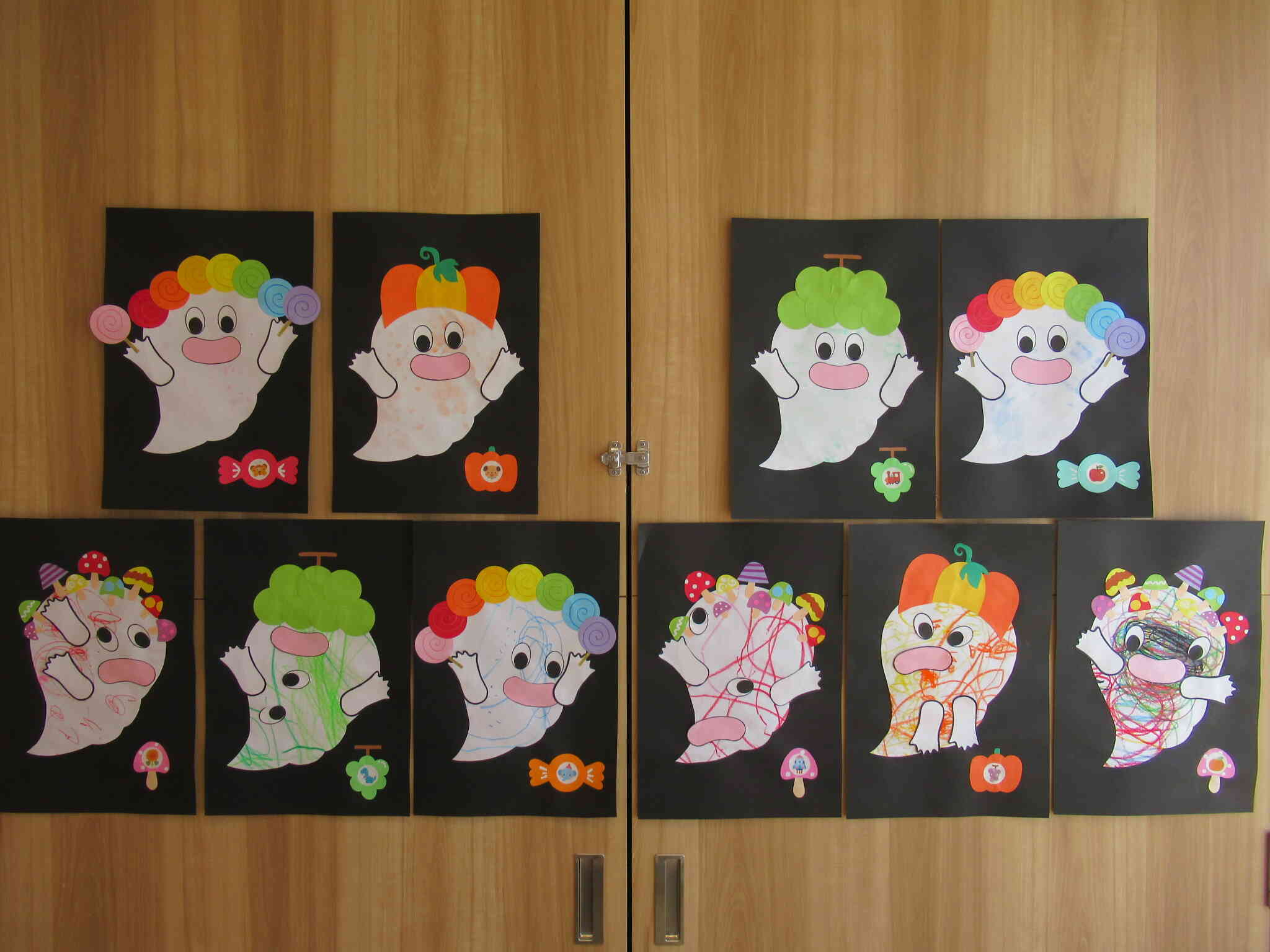
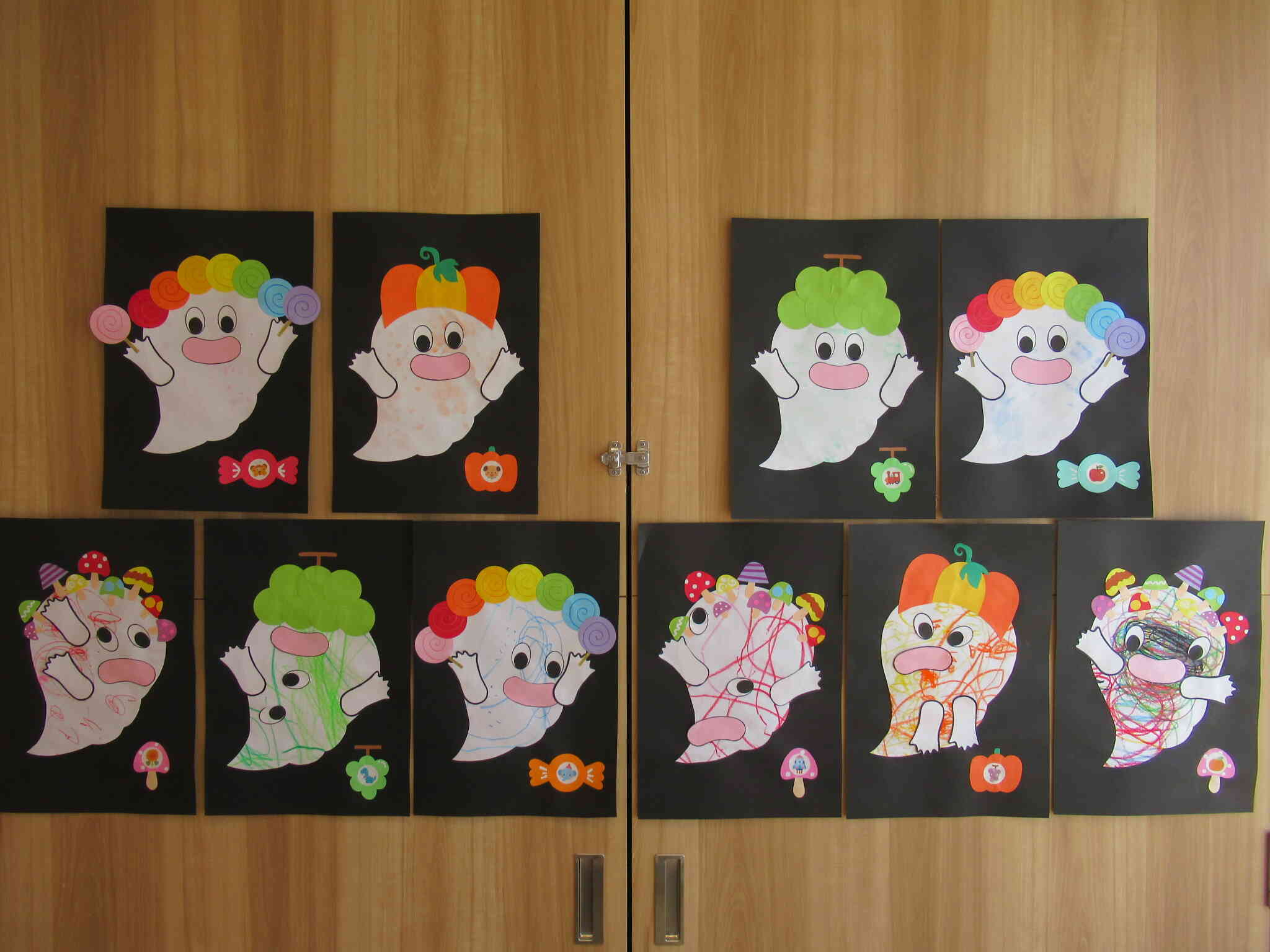
Step into almost any nursery classroom in Japan during autumn, and you will encounter the same wide-eyed, ravenous ghost. His name is Baketa-kun, the titular character of Kaori Sawa's hit picture book series. He cannot resist snacking, and every time he gulps down a strawberry, an ear of corn, or a bowl of ramen, his translucent belly morphs to match the snack's texture and shade. Over the past three years, this playful narrative gimmick broke out of Japanese preschools and sparked a global DIY trend among early childhood educators and parents.
What started as simple nursery school art ideas has grown into an international movement of interactive picture book crafts. Teachers across North America, Europe, and Australia are now recreating these food transformation paper craft exercises to teach sensory perception, color theory, and fine motor coordination. The project strips away passive screen time, handing children low-cost everyday materials, clear plastic folders, colored tissue paper, and paper plates, that bring a static storybook character to life with physical optical tricks.
📌 Key Takeaways:
- The Viral Mechanic: Baketa-kun picture book crafts rely on clever, low-tech mechanical tricks, such as black-sheet optical reveals and rotating paper disks, to mimic the character's instant food transformations.
- Developmental Value: Early childhood educators use the color-changing ghost craft to bridge sensory tactile play, hand-eye coordination, and early nutritional curiosity without digital devices.
- Low Implementation Cost: Standard classroom projects run between $0.35 and $1.15 per child, requiring basic supplies like clear document files, dry-erase markers, and paper plates.
From Japanese Storybooks to Global Classrooms: The Rise of Baketa-kun
Baketa-kun debuted in Japan as an eccentric picture book hero created by author Kaori Sawa. Unlike traditional, spooky folklore spirits, this mischievous ghost endears himself to children through his sheer gluttony. Whenever Baketa-kun raids the refrigerator, the foods he consumes alter his entire body. Eat a juicy strawberry, and he turns speckled red with leafy green hair. Slurp up squid ink pasta, and he turns jet black. This visual punchline hooks toddlers instantly.
Japanese kindergarten art activities often build hands-on lessons around picture books (*ehon*), transforming read-aloud sessions into physical play. Teachers began devising their own preschool ghost craft ideas to let students "feed" Baketa-kun during circle time. As teachers posted video clips of sliding paper optical illusions on Instagram and TikTok throughout 2024 and 2025, bilingual educators and Western art instructors took notice. The phenomenon crossed borders because the visual gag requires zero language translation. A ghost turning into a slice of watermelon is instantly hilarious in any language.
The Optical Illusion: Building the Clear File Magic Craft
The centerpiece of this craft craze is the clear file magic craft, often called a "magic screen" or "magic theater" in nursery school art circles. The illusion appears high-tech to a three-year-old, yet it relies on basic contrast optics and everyday office supplies.
To set up the trick, the educator takes a standard clear A4 plastic document folder and traces the outline of Baketa-kun onto the transparent front cover using a permanent black marker. The educator then draws the transformed version, such as the red strawberry flesh, green crown, and yellow seeds, on a sheet of white paper slipped inside the folder. Crucially, a piece of black construction paper is inserted directly between the clear front cover and the illustrated white sheet.
When the black paper rests in place, the colorful drawing behind it disappears against the dark backdrop. The child only sees the black marker outline of the transparent ghost. When the teacher pulls the black sheet out, or slides a paper "flashlight" cutout between the layers, the vibrant colors burst into view. The sudden shift produces gasps from young audiences. Teachers frequently pair this mechanism with cutout cardboard strawberries or purple grapes, pretending to push the fruit into Baketa-kun's mouth seconds before sliding the tab.
Comparing Core Baketa-kun Craft Methods Across Age Groups
Not every classroom can handle precise utility-knife cuts or layered plastic sheets. Japanese daycares routinely split Baketa-kun craft plans across distinct age brackets, adjusting manual complexity while preserving the transformation gag.
| Craft Variant | Target Age Bracket | Key Materials | Average Prep Time |
|---|---|---|---|
| Sensory Bag Ghost | 1, 2 Years Old | Clear poly bags, dyed tissue paper, sticker eyes | 5, 10 minutes |
| Paper Plate Dial | 3, 4 Years Old | Paper plates, brass split pins, crayons, safety scissors | 15, 20 minutes |
| Clear File Magic Screen | 4, 6 Years Old | Clear A4 folders, black cardstock, oil-based markers | 20, 30 minutes |
| Sliding Envelope Box | 5, 6 Years Old | Cardboard milk cartons, pull-tabs, yarn, glue sticks | 25, 35 minutes |
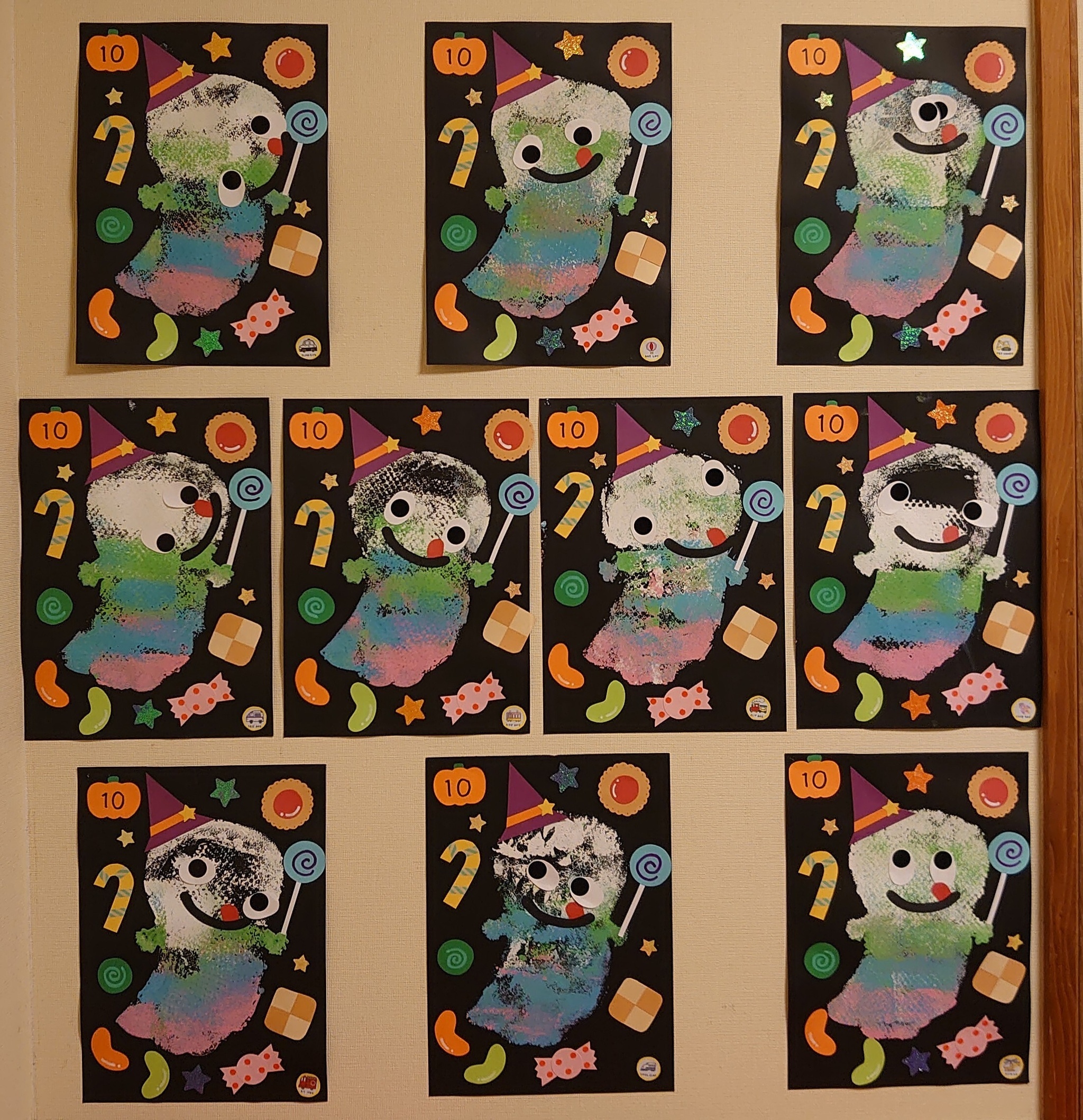
Tactile Paper Plate Rotations and Toddler Sensory Bags
For toddlers who lack the dexterity to manipulate delicate plastic sleeves, the paper plate Baketa-kun activity offers an accessible alternative. Teachers stack two ordinary paper plates on top of each other, pinning them together through the center with a brass brad. On the top plate, the teacher cuts out a pie-slice wedge representing Baketa-kun's stomach. On the bottom plate, children color different sections to represent foods: yellow for bananas, orange for carrots, and blue for shaved ice.
As the child spins the bottom plate with their thumbs, the character's stomach changes pattern instantly. This simple rotation reinforces wrist isolation and thumb-finger grasp, foundational mechanics for early pencil holding. Children experience direct cause and effect. Turn the wheel, and the ghost changes.
Infant and toddler sensory art projects take an even softer route. Daycares fill clear Ziploc bags or transparent bread sacks with crumpled Japanese tissue paper (*ohana-gami*). Toddlers scrunch red, yellow, and green tissue balls with their palms, practicing tactile pressure before shoving the colorful bundles into the ghost's body. Teachers seal the bag with tape, slap two circular sticker eyes on the front, and the toddler walks away with a squishy, three-dimensional Baketa-kun. The project demands minimal cleanup while letting children explore texture and volume.
Why Transformation Art Resonates in Early Childhood Psychology
Child development specialists point out that early childhood creative play thrives on rapid visual feedback. Children between the ages of two and five are working through cognitive milestones involving object permanence and symbolic thinking. They are fascinated by things that vanish, reappear, or change form.
Psychologists note that monsters and ghosts can trigger bedtime anxieties in toddlers. Baketa-kun flips this dynamic entirely. Instead of haunting dark corners, this ghost is silly, hungry, and easily influenced by what he eats. Constructing a color-changing ghost craft gives young children a sense of narrative agency. They decide what the ghost eats, which color he adopts, and when he turns back into plain white air. Fear gives way to playful mastery.
Preschools also use the character to open conversations about balanced nutrition. A child who refuses to touch broccoli at lunch often giggles when making Baketa-kun turn green with little florets sticking out of his ears. The ghost normalizes curiosity around unfamiliar vegetables and fruits, turning mealtime resistance into storytelling.
Classroom Adaptations: Seasonal Halloween Projects and Food Education
October remains the high season for these projects. Western schools planning Halloween preschool craft projects often look for alternatives to generic paper pumpkins and spooky skeletons. Baketa-kun fits neatly into autumn schedules without frightening sensitive children.
Educators regularly adapt the ghost to regional food culture. In California classrooms, teachers introduce Baketa-kun transformations based on avocados, oranges, and sourdough bread. In northern European preschools, children feed the ghost lingonberries and rye crackers. Teachers often set up an interactive classroom stage: a giant cardboard Baketa-kun mounted beside a basket of toy vegetables. During morning meetings, children take turns "feeding" the ghost while practicing descriptive vocabulary, naming colors, flavors, and food textures aloud.
Frequently Asked Questions (FAQ)
Q1: What markers work best for the clear file magic craft?
Oil-based permanent markers, such as standard Sharpies or Japanese Posca paint pens, work best on plastic sleeves. Standard water-based markers will bead up, smear, and rub off on children's fingers during handling.
Q2: Can toddlers do these projects without adult scissors?
Yes. For toddlers ages one to three, educators should prepare the cutouts in advance. Focus the children's activity on scrunching tissue paper, placing stickers, and scribbling directly on paper plates. The sensory experience remains just as engaging without sharp tools.
Q3: How much does it cost to supply a classroom of 20 students?
Baketa-kun projects are budget-friendly. A bulk pack of 100 clear plastic sleeves costs roughly $8 to $12, a pack of paper plates runs under $4, and a ream of black construction paper costs $6. The material cost per child rarely exceeds $0.60.
The Enduring Appeal of Tangible Interactive Play
In an early childhood education landscape increasingly saturated with tablets and animated storytelling apps, the enduring popularity of Baketa-kun crafts underscores a vital truth: children still crave tangible mechanics. A sliding strip of paper or a spinning paper plate delivers a tactile thrill that tapping a glass screen cannot replicate.
By blending whimsical Japanese storytelling with accessible household materials, these ghost crafts prove that the most memorable classroom innovations are often low-cost, hands-on, and delightfully simple. As educators continue sharing and adapting these techniques across borders, Baketa-kun's colorful appetite will keep captivating young minds for school years to come.
