The Secret History of Noguchi-San: How Momoko Sakura Built a Cult Comedy Icon
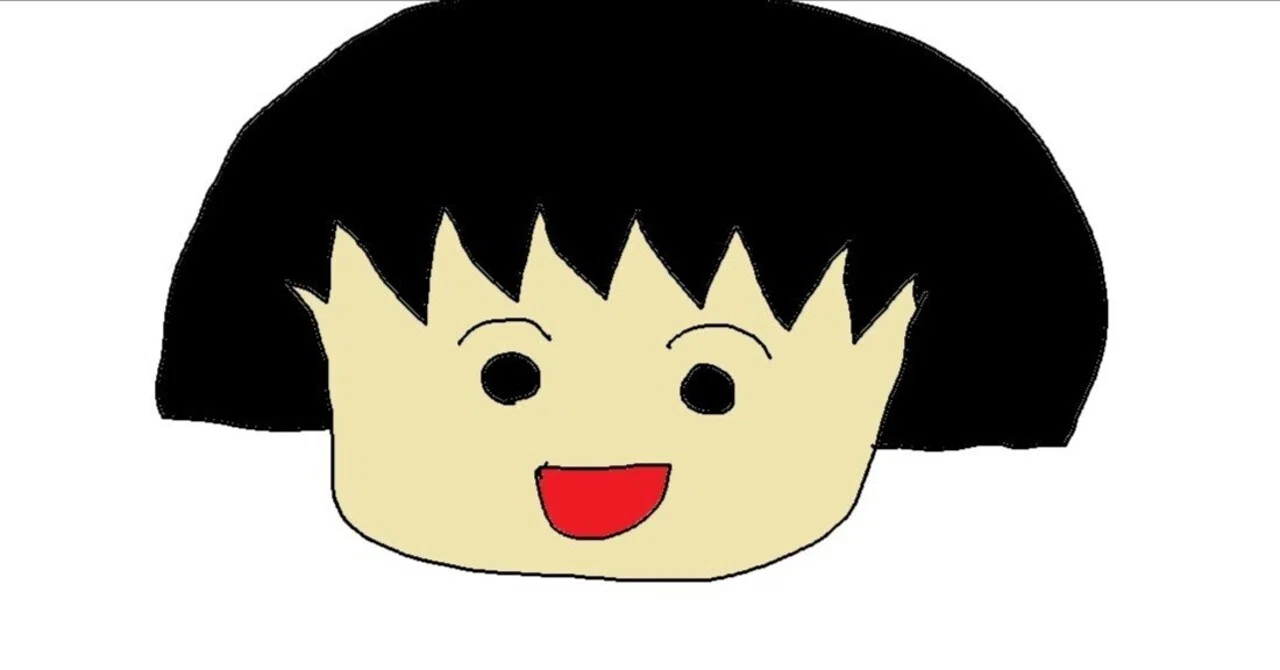
Every long-running animated universe possesses its emotional anchor, its loudmouth contrarian, and its sunny protagonist. In Chibi Maruko-chan, Momoko Sakura’s sprawling portrait of 1974 suburban life, those slots were filled early by Maruko, her anxious best friend Tama-chan, and the aristocratic Hanawa-kun. Yet the character who captured the subversive heart of Japanese television arrived quietly, hovering in door frames and parting dark bangs over pitch-black eyes. Emiko Noguchi, known universally to audiences as Noguchi-san, changed the comic rhythm of the series forever.
Three decades after her screen debut, she commands an obsessive following that outstrips far more talkative cast members. As documented in a recent MSN Report covering anniversary goods, her visage now headlines everything from sold-out novelty sauna hats to character merchandise marking Nippon Animation’s landmark runs. She does not scream, posture, or moralize. She simply watches, chuckles behind cupped hands, and vanishes.
📌 Key Takeaways:
- The Paradoxical Design: Emiko Noguchi’s given name uses the kanji for "smiling child" (笑子), an intentional irony crafted by Momoko Sakura to subvert classic shōjo conventions.
- Comedy Connoisseurship: Beneath her gloomy exterior lies an elite obsession with Japanese owarai culture and stand-up performance shared with Maruko and her grandfather, Fujio.
- Lasting Cultural Imprint: Reaching past her original role as an occasional gag player, Noguchi-san represents one of the earliest mainstream deadpan anti-heroines in commercial anime history.
The Quiet Disruption of Shimizu’s Sunlit Classrooms
The nostalgic world of Chibi Maruko-chan is set against the coastal backdrop of Shimizu, Shizuoka Prefecture. Most classroom narratives from the late Showa era leaned heavily on vibrant, exaggerated kid behaviors. Classmates like the ambitious class rep Maruo shouted bylaws, while Migiwa swooned openly. Noguchi-san entered as an intentional counterweight to this noisy elementary school ecosystem.
She did not participate in childish games, nor did she chase social validation. Instead, she stood at the perimeter, observing the foibles of her peers with chilling emotional detachment. While other children panicked over tests or squabbled during recess, Noguchi tracked human folly like an amateur ethnographer. Her posture was stoic, her speech minimal, and her entrance heralded only by a sudden shadow falling across the edge of the screen.
This presence disrupted the conventional warmth of the show without breaking it. Momoko Sakura designed her not as a villain or a schoolyard outcast, but as a silent spectator who discovered supreme amusement in ordinary embarrassments. Where others felt humiliation, Noguchi found art.
The Irony of "Emiko" and the Secret Owarai Underground
Noguchi’s full name carries one of the finest linguistic jokes in postwar manga. Written with the kanji characters for "laughter" (笑) and "child" (子), Emiko translates literally to "smiling child." Yet Noguchi rarely smiles in public. Her lips remain pressed in a straight, impassive line, broken only when she lowers her head to produce her signature snicker: "Kukuku..."
Her private life, however, contradicts her gloomy classroom demeanor. Noguchi is an unapologetic comedy fanatic. While mainstream classmates watched sugary variety programs, Noguchi absorbed classic rakugo storytelling, cutting-edge manzai double-acts, and absurdist stage routines. Her home life centers around her grandfather, Fujio Noguchi, an equally eccentric elderly man who shares her fixation on performance arts and ventriloquism.
This hidden life forms the spine of the Maruko and Noguchi friendship. Maruko accidentally discovers Noguchi’s secret during a neighborhood festival or comedy broadcast, expecting rejection. Instead, the two form an unspoken bond. They are fellow eccentrics who trade jokes outside the purview of the polite, well-behaved crowd.
Architecting the Deadpan Gag: Shadow Movement and Iconic Catchphrases
Comedic timing in animation often relies on kinetic energy and wild takes. Noguchi-san’s comedy works in reverse: absolute stillness followed by an icy verbal drop. Nippon Animation mastered this contrast through rigid character boarding and the iconic, low-register voice acting of Mizutani Yuko, succeeded later by Nara Hashiya.
| Classmate Archetype | Comedic Strategy | Dynamic with Maruko | Signature Visual / Audio Cue |
|---|---|---|---|
| Noguchi-san (Emiko) | Deadpan eavesdropping & dry irony | Underground comedy co-conspirator | The dark chuckle: "Kukuku..." |
| Tama-chan | Straight-man reality anchor (Tsukkomi) | Gentle confidante and voice of reason | Worried brow and round glasses adjust |
| Maruo-kun | Neurotic, rule-bound hyperactivity | Aggressive academic rival and foil | Swirling spiral lenses: "Zubari!" |
| Hanawa-kun | Wealth-gap absurdity & worldly flair | Casual benefactor and odd classmate | Hair flip: "Hey, baby..." |
Noguchi’s visual delivery depends on sudden spatial invasion. She materializes behind utility poles, rises from behind desks, or looms over Maruko’s shoulder precisely when Maruko says something selfish or dishonest. Then comes the catchphrase that cemented her status across millions of Japanese living rooms:
"I saw it..." (言えやしない、言えやしないよ / 知ってしまったね…)
The punchline is rarely malicious. Noguchi wields information not to blackmail her classmates, but to enjoy the psychological panic that ensues. Her deadpan stare destabilizes the self-important social dynamics of third grade, holding up a mirror to the petty vanities of children and adults alike.

Japanese Owarai Heritage in Momoko Sakura’s Universe
Momoko Sakura was an obsessive student of Japanese comedy history. When she expanded the cast of Chibi Maruko-chan across the 1990s, she infused the writing with authentic comedic mechanics borrowed from traditional Kansai and Tokyo stages. Noguchi represents the viewer inside the frame, the ultimate comedy critic who judges everyone by their comedic value.
Her family dynamic emphasizes this dedication. Her grandfather Fujio serves as her stage partner. The pair routinely act out private manzai routines at home, trading lines with stony expressions before dissolving into quiet mutual chuckles. When Maruko visits the Noguchi residence, she enters an almost surreal comedy salon where the standard rules of suburban Shimizu vanish.
By contrasting Fujio’s eccentric elderly obsessions against Noguchi’s miniature stoicism, the show sidestepped predictable tropes. She was not a sad child trapped in a broken home; she was an eccentric kid living in an eccentric home, entirely comfortable with who she was. That self-possession gave her an effortless, untouchable cool.
The 35th Anniversary Merchandise Boom and Modern Subcultural Fame
As Chibi Maruko-chan reached its historic 35th television broadcast milestone in 2025 and 2026, Nippon Animation observed an interesting demographic pivot. While Maruko and Tama-chan remain universally loved by families, Noguchi-san has become a runaway favorite among adults in their twenties and thirties.
Her resurgence reflects a broader cultural appreciation for anti-performative personalities. In an online era saturated with hyper-curated enthusiasm, Noguchi’s refusal to smile for anyone feels distinctly refreshing. Japanese lifestyle retailers have capitalized on this appeal. Specialty sauna accessories, desk figurines, and apparel showcasing her unblinking stare sell out within hours of release.
She operates as a countercultural mascot. Where other characters demand your affection, Noguchi merely tolerates your presence, waiting for you to say something foolish enough to merit her quiet amusement.
Frequently Asked Questions (FAQ)
Q1: Was Noguchi-san based on an actual classmate from Momoko Sakura’s childhood?
A1: Unlike Maruko, Tama-chan, and Hamaji, who were directly inspired by real individuals Sakura attended school with in Shimizu, Noguchi-san was an original fictional creation introduced later into the manga and anime to shake up class dynamics and explore specialized comedic writing.
Q2: Why does Noguchi-san laugh with "Kukuku" instead of laughing normally?
A2: Her repressed laughter reflects her persona as a quiet eavesdropper. She treats comedy as a private, connoisseur-level pleasure rather than a shared group activity, muffling her amusement behind her hand to remain in the shadows.
Q3: What role does her grandfather Fujio play in her character development?
A3: Fujio Noguchi establishes that Emiko’s dry, comedy-obsessed eccentricities are hereditary. He normalizes her behavior within the narrative, showing that her oddities are celebrated at home rather than treated as a behavioral flaw.
The Lasting Subversion of Shimizu’s Quietest Observer
Momoko Sakura left behind a body of work that treated ordinary childhood not as an idyllic paradise, but as a dense comedy of manners. Characters were often lazy, petty, vain, and misguided. In that landscape, Emiko Noguchi served as the supreme chronicler of truth.
She did not need grand redemptive character arcs, romantic subplots, or sudden transformations into a bubbly schoolgirl. Decades after stepping out from behind her first telephone pole, Noguchi remains exactly as she began: hands tucked away, hair falling over dark eyes, watching the chaos of the classroom with patient, merciless joy.
