The Secret Meaning Behind DREAMS COME TRUE's 'LAT.43°N' That Fans Missed
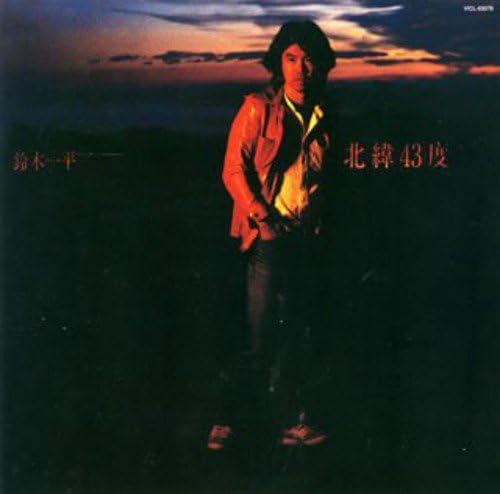
When DREAMS COME TRUE dropped their fourth single in late November 1989, standard J-pop marketing playbooks expected another upbeat, Motown-inflected radio earworm. The trio had built momentum on sunny bounce and exuberant romantic optimism. Instead, record buyers found a cold, melancholic coordinates label printed on the jacket: "LAT.43°N 〜forty-three degrees north latitude〜." Decades later, listeners still spin the track the moment winter settles over northern Japan, drawn to its icy balance of pop polish and private desolation.
The track sounds like crisp winter air hitting an overheated room. While generations of karaoke singers know the soaring chorus by heart, the exact geographic and emotional trauma pinned to that latitude line remains widely misunderstood. This is not simply a generic holiday lament about missing a partner. It is a hyper-specific autopsy of a long-distance romance collapsing across the snowy gap between Tokyo and Sapporo.
📌 Key Takeaways:
- The Geographic Anchor: The song’s title designates the 43rd parallel north, which cuts directly across central Hokkaido and runs right through the heart of Sapporo.
- The Lyric Narrative: Miwa Yoshida drew on the harsh dislocation between urban Tokyo and the snowy north to chart a relationship dying across a telephone line and a frozen airport tarmac.
- Arrangement Innovations: Masato Nakamura paired cold synthesizers with heavy bass and jazz chords, rejecting conventional holiday pop sweetness for atmospheric tension.
Mapping the Distance Between Sapporo and Tokyo
The 43rd parallel north circles the globe through northern landscapes: southern France, the American Midwest, and the sweeping expanses of central Hokkaido. In Japan, that parallel carries immediate cultural resonance. Sapporo sits at approximately 43°03′N. For young adults living through the late Showa and early Heisei eras, the gap between Tokyo (resting around 35°N) and Hokkaido was a formidable barrier. Domestic airfare cost a small fortune, bullet trains had not penetrated the northern wilderness, and mobile phones did not exist.
Long-distance couples lived by landline schedules and expensive cross-island plane tickets. The single arrived during the final gasp of Japan's economic bubble, an era marked by conspicuous luxury and commercialized romance. Yet Yoshida’s writing stripped away the champagne glow. The song isolates its protagonist at that exact northern latitude, turning an abstract navigational coordinate into a symbol of emotional abandonment.
The spatial gap dictates every beat of the lyric. When one partner lives beneath the snowdrifts of the north while the other moves through the neon hum of Tokyo, communication turns brittle. Every call carries the weight of long-distance charges, and missed cues morph into fatal misunderstandings. The coordinate is not an aesthetic accessory. It marks the edge of reach.
Miwa Yoshida's Unspoken Hokkaido Roots and Snowy Imagery
To understand the gut-punch of the lyrics, consider where Miwa Yoshida came from. Born in Ikeda, a small Tokachi plains town in eastern Hokkaido, Yoshida understood northern winters on an instinctual level. Winter in Hokkaido is not a picturesque dusting of powdery flakes; it is a paralyzing, monochromatic force that grounds flights, cancels trains, and confines people indoors.
Most lyricists writing winter pop defaults to twinkling streetlights, roaring hearths, or Christmas shopping crowds. Yoshida deliberately looked away from holiday festivities. She anchored the song in New Chitose Airport, the primary transit artery that connects Sapporo to the main island of Honshu. The narrative captures the cold sting of arriving on an icy runway only to find the relationship already dead on arrival.
Her phrasing is sparse and unforgiving. She writes of breath turning white in freezing air, the lingering silence across receiver cables, and the realization that cold weather alone is not what freezes a lover's heart. By filtering her youth in Tokachi through the heartbreak of an adult living in metropolitan Tokyo, Yoshida captured a specific brand of northern isolation that city-born songwriters could never counterfeit.
Masato Nakamura's Cold Sonic Architecture
The music matches the biting temperature of the text. Bassist and primary composer Masato Nakamura avoided the sugary bell-chimes and sweeping orchestral strings standard in late-80s Japanese ballads. He treated the production with a sharp, percussive bite that evokes freezing sleet bouncing off asphalt.
Keyboards carry a sharp, glassy resonance. Nakamura layered synth pads with short decay times beneath a dry, punchy rhythm track, creating an acoustic environment where Yoshida’s voice sounds exposed to the elements. Backed by Takahiro Nishikawa’s synthesizer textures, the arrangement leans on minor-ninth and suspended chords that refuse to resolve comfortably. The song lingers in emotional limbo.
| Song Title | Release Window | Geographic / Spatial Theme | Dominant Soundscape |
|---|---|---|---|
| LAT.43°N | November 1989 | Sapporo (43°N) vs. Tokyo air-transit axis | Glassy synthesizers, dry bass, unresolved jazz tensions |
| Yuki no Christmas | November 1990 | Urban Tokyo streetscapes under sudden snow | Gospel-influenced vocal harmony, sweeping orchestral strings |
| Snow Dance | December 1999 | Transient, digital-era relationship spaces | Modern R&B swing, sampled beats, warm Rhodes piano |
Nakamura’s basslines in the late 1980s favored tight funk phrasing. Here, he slowed his approach down, allowing low frequencies to sustain like a cold wind whistling under a doorframe. Yoshida’s vocal delivery mirrors that control. Instead of leaning into her trademark powerhouse melismas, she begins the verses with tight, suppressed tones, only letting her vocal power break open in the chorus when the character’s emotional restraint finally snaps.
Snowfall Over Chitose: Decoding the Broken Promise
The turning point of the song centers on missed connection and unspoken resignation. Yoshida sketches an interaction where words are spoken, yet nothing meaningful is shared. The protagonist notices tiny shifts in posture, the hesitation before hanging up the receiver, the sudden chill in a partner’s casual conversation.
Travel between Honshu and Hokkaido during severe winter conditions has always been precarious. Snowstorms ground domestic flights without warning, stranding passengers inside terminal lounges. Yoshida uses this meteorological unpredictability as a mirror for human betrayal. When a lover stops fighting the bad weather to come visit, the storm is not keeping them away; their vanishing devotion is.
The tragedy in the writing is the absence of a furious confrontation. Nobody screams. No dramatic ultimatum lands on the table. The song registers the quiet realization that one person has checked out, leaving the other holding tickets to a destination that no longer offers warmth. That understated emotional devastation explains why the song cuts so deep.
Why the 43rd Parallel Still Resonates Decades Later
Decades after its 1989 release, "LAT.43°N" remains a regular fixture on Japanese streaming charts whenever the first sub-zero temperatures sweep across northern prefectures. While DREAMS COME TRUE went on to score multi-million-selling anthems like "Ureshii! Tanoshii! Daisuki!" and "Love Love Love," this early single commands unique reverence among dedicated listeners.
The track laid the groundwork for the modern J-pop winter canon. Prior to this release, winter singles were dominated either by tear-jerking folk laments (enka) or bright, corporate holiday campaign songs designed to sell ski gear. "LAT.43°N" proved that a mainstream pop act could write a sophisticated, atmospheric winter ballad rooted in authentic personal heartbreak and geography without cheap seasonal gimmicks.
The song has crossed borders and generations. American vocal group Boyz II Men recorded an English-language adaptation, testifying to the durability of Nakamura’s chord progression and melodic arc. Yet the definitive magic stays bound to the Japanese original. When Miwa Yoshida sings that coordinate, you feel the engine rumble on a snowy runway, and you taste the frost on the glass.
Frequently Asked Questions (FAQ)
Q1: Why is the song called "LAT.43°N"?
A1: "LAT.43°N" stands for forty-three degrees north latitude. The coordinate runs directly across Hokkaido through Sapporo, anchoring the song to northern Japan to highlight the physical and emotional distance separating two lovers.
Q2: On which album was the song originally released?
A2: The song debuted as DREAMS COME TRUE's fourth standalone single on November 22, 1989, and was featured on their landmark second studio album, LOVE GOES ON..., released in December of that same year.
Q3: Who wrote and composed "LAT.43°N"?
A3: Lead vocalist Miwa Yoshida wrote the Japanese lyrics, while bassist Masato Nakamura composed the melody and handled the musical arrangement alongside the band's original keyboardist, Takahiro Nishikawa.
The Frozen Coordinate That Never Thaws
Pop songs about breakups come and go with the seasons. Most age poorly, tied to the ephemeral recording trends or slang of their debut years. "LAT.43°N" survives because it is grounded in real topography and emotional reality. Weather changes, communication tech upgrades from dial-up phone lines to optical fiber, but the bitter sensation of loving someone who lives miles away while pulling away emotionally remains unchanged.
Miwa Yoshida and Masato Nakamura turned a map coordinate into an emotional landmark. When winter clouds roll across the Ishikari Plain and snow blankets the runways of Chitose, that icy bassline still rings true. The parallel stands as a permanent marker for love lost in the cold.
