The Ultimate 2026 Fabric Softener Guide: Best Perfume Scents, Retail Stockists, and Expert Picks
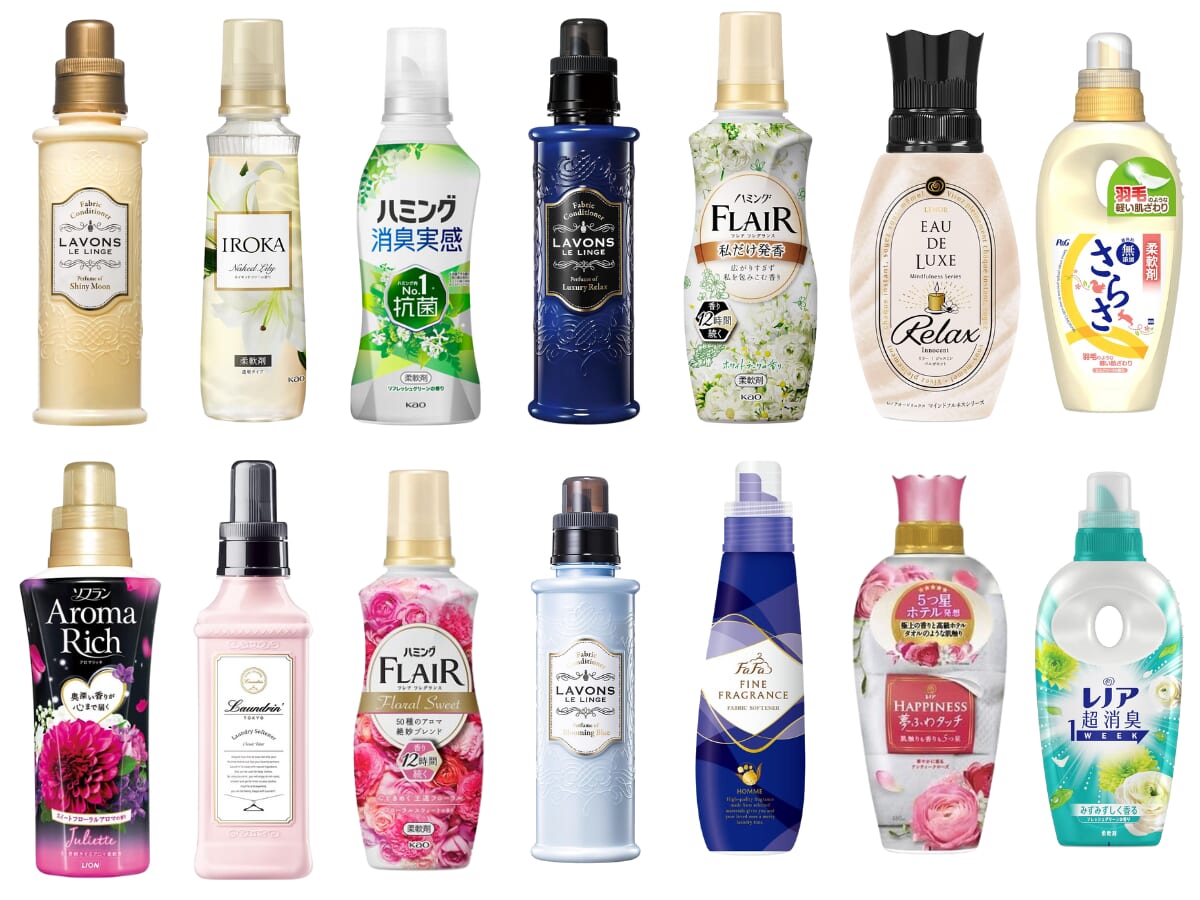
Walk down the laundry care aisle of a Tokyo drugstore like Matsumoto Kiyoshi, and the sensory experience feels less like a grocery run and more like an upscale fragrance counter. Shelves gleam with translucent pastel bottles promising scents of white tea, French lily, and crisp linen. Known locally as junanzai (柔軟剤), Japanese fabric softeners have evolved far beyond utilitarian household fluids. They are engineered personal fragrances, meticulously formulated to withstand high humidity, indoor drying, and close-quarters commuting.
Western laundry aisles often rely on heavy, sweet florals or sharp chemical freshness. In contrast, Japanese formulations prioritize nuanced olfactory pyramids that evolve throughout the day. Consumer testing from home-care evaluations, such as the Good Housekeeping Report on standout conditioning formulas, shows that modern consumers increasingly demand fabric treatments that balance fiber preservation with long-lasting scent. This shift explains why imports of Japanese laundry products have surged across global boutique markets, turning domestic brands like Laundrin, IROKA, and Flair into prized beauty staples.
📌 Quick Summary:
- The Olfactory Difference: Japanese fabric conditioners borrow luxury perfumery notes, musk, amber, and subtle botanicals, delivering a long-lasting scent without cloying synthetic trails.
- Functional Chemistry: Formulations combine static cling reduction and antibacterial room-drying shields with high-efficiency washer safe rinsing profiles.
- Sourcing Strategies: Specialist importers and Asian grocers now carry authentic refill pouches, helping international shoppers bypass inflated secondary-market markups.
Why Japan’s Obsession with Laundry Fragrance Surged
The widespread cultural prominence of premium fabric softener in Japan stems from real estate constraints and social etiquette. Most urban residents live in dense apartment complexes without outdoor clotheslines or tumble dryers. Laundry dries on balconies or inside compact living rooms.
Indoor drying introduces a major household hurdle: damp-odor bacterial colonization (commonly caused by Moraxella osloensis). Japanese chemical manufacturers spent the past two decades perfecting antimicrobial rinses. These formulas neutralize stale moisture odors at the molecular level. Once companies conquered moisture defense, fragrance became the competitive differentiator.
Social etiquette also dictates scent intensity. Wearing heavy spray cologne on a packed morning subway train in Shinjuku is frowned upon as sumehara (smell harassment). Lightly scented clothing provides a polite alternative. A soft trace of tea rose or cedar clinging to a cotton collar smells intentional yet unobtrusive. This distinct cultural demand pushed brands like Kao, Lion, and NatureLab to treat laundry rinses as subtle, wearable perfumes.
Decoding the Fragrance Architecture: Perfume Microcapsules vs. Pure Botanicals
Traditional western softeners typically rely on synthetic fragrance oils suspended in cationic surfactants. These coat fabrics in a uniform, static film. Japanese formulators approach scent using classic perfume construction, layering distinct top, middle, and base notes.
[Top Notes] Bergamot, Green Apple, Pear (First 1, 2 hours: Clean, uplifting burst)
│
[Middle Notes] Lily of the Valley, Magnolia, Tea (Active wear: Soft floral heart)
│
[Base Notes] White Musk, Cedarwood, Amber (All-day wear: Warm, skin-scent drydown)
Many high-street commercial blends employ perfume microcapsules. These microscopic spheres bond to woven threads during the final rinse cycle and rupture under friction. When you roll up your sleeves or adjust your coat, the microcapsules break, releasing fresh fragrance bursts throughout the day.
However, regulatory changes and consumer preferences have altered this landscape. Concerns regarding microplastic residues in waterways have prompted companies to develop plant-based fabric softener alternatives. Newer premium lines use biodegradable cationic agents derived from palm oil and sugar beets, pairing them with natural essential oils rather than plastic-encapsulated synthetics. These formulas offer a sensitive skin formula profile while retaining effective static cling reduction, proving that green formulations can deliver sophisticated scents.
The Heavy Hitters: Japan's Top Four Fabric Softener Brands
Choosing between the dozens of bottles lining store shelves requires understanding the distinct personality of each brand line. The domestic market divides into clear tiers: luxury daily wear, antibacterial clinical care, natural skin-safe bases, and high-impact perfumed rinses.
| Brand & Flagship Line | Signature Scent Profile | Key Functional Advantage | Average US Import Price |
|---|---|---|---|
| Laundrin' Classic Floral (NatureLab) | Chypre floral, peach, rose, amber, clean musk | Hypoallergenic laundry softener; safe for baby clothes | $14, $18 (600ml) |
| Flair Fragrance IROKA (Kao) | Naked Lily: aquatic melon, magnolia, translucent musk | Natural fragrance oils; mimics skin warmth | $16, $22 (570ml) |
| Soflan Aroma Rich (Lion) | Juliette: sweet vanilla, blackcurrant, dark florals | Dynamic scent stability; resists food and smoke odors | $11, $15 (520ml) |
| Sarasa Free & Gentle (P&G Japan) | Unscented or subtle botanical citrus whisper | Zero synthetic dyes; dermatologist-approved purity | $12, $16 (480ml) |
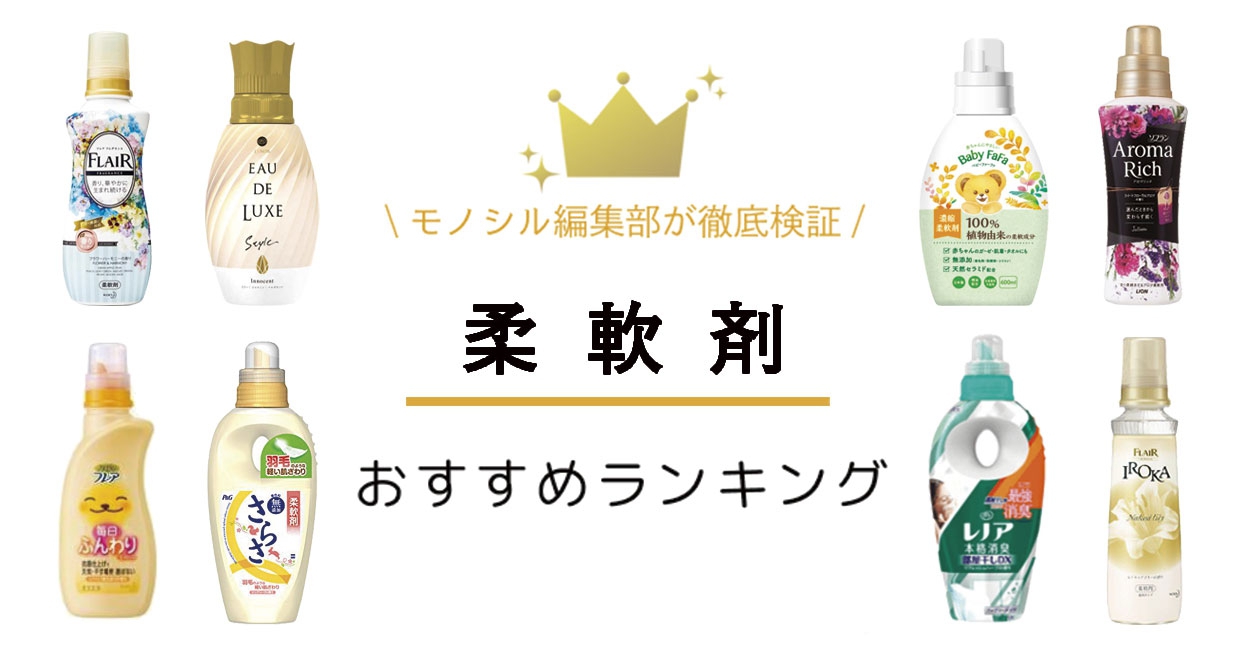
Laundrin' Classic Floral remains the undisputed crossover star. It draws frequent comparisons to Chloe Eau de Parfum, featuring an elegant rose-and-amber balance that lingers for days without turning cloying. For those seeking absolute minimalism, Sarasa provides gentle conditioning using plant-derived softening bases, making it popular for infants and sensitive skin.
The Hidden Costs: Machine Residue, Towels, and Fiber Degradation
Despite their seductive scent profiles, fabric conditioners carry clear mechanical trade-offs. The active ingredients that make fabrics feel soft, typically quaternary ammonium compounds (quats) or esterquats, work by depositing a thin, water-resistant lubricating film over fiber strands.
This coating neutralizes static electrical charges and makes synthetics feel silky. However, it steadily degrades towel absorbency over repeated cycles. Cotton terry cloth treated with heavy softeners loses its ability to draw moisture away from the skin. The loops become slick with silicone and fatty acids, turning plush bath towels into water-repellent mats.
Conditioner Overuse Cycle:
Surfactant Deposition ──► Hydrophobic Coating ──► Loss of Absorbency
▲ │
└──────── Washing Machine Slime / Residue ◄──────┘
Furthermore, excessive dosing leads to washing machine residue. Thick conditioning fluids accumulate inside the outer drum basin, detergent drawer, and rubber door gaskets. When combined with cold wash cycles, this buildup creates a breeding ground for mildew, commonly called washing machine slime.
To preserve your appliances and textiles, keep these rules in mind:
- Never use conditioning rinses on bath sheets, microfibers, or gym wear. Synthetic elastane and moisture-wicking weaves will clog, trapping body oils and bacteria inside the seams.
- Always follow high-efficiency washer safe guidelines. Front-loading washers use far less water than traditional Japanese top-loaders. Reduce the bottle’s suggested dosage by 30% to 50% to prevent gummy dispenser drawers.
- Run an empty maintenance cycle once a month with hot water and washing soda or oxygen bleach to dissolve surfactant buildup.
If you want the fragrance without fiber coating, look to dryer sheet alternatives like felted wool dryer balls lightly misted with essential oils, or separate laundry scent boosters designed to dissolve completely during the wash.
Where to Buy Authentic Bottles and Refills Overseas
Sourcing Japanese laundry goods outside East Asia used to require carrying heavy bottles home in checked luggage. The supply chain has opened considerably, though smart shopping is required to avoid inflated prices.
Physical Asian supermarket chains, such as Mitsuwa Marketplace, H Mart, 99 Ranch Market, and Don Quijote’s international outposts (Don Don Donki), regularly stock full bottles and eco-refill pouches. Refill pouches generally sell for 40% less than the rigid plastic pump bottles and contain equal volume.
Online shoppers will find reliable inventories through specialty retailers like Dokodemo, YesStyle, and Tokyo Central. While Amazon and specialized third-party sellers carry Laundrin and IROKA, monitor unit pricing carefully. A bottle that sells for 650 yen in Shibuya (roughly $4.50) can easily run upwards of $24 on Western e-commerce platforms. Buying bulk multi-pack refill pouches directly from cross-border Asian storefronts yields the lowest cost per load.
Frequently Asked Questions (FAQ)
Q1: Are Japanese fabric softeners compatible with Western front-loading HE washers?
Yes. They are high-efficiency washer safe, but concentration levels matter. Japanese formulations are thin and liquid rather than thick and viscous, which helps them disperse cleanly. However, because modern HE machines use minimal rinse water, use roughly half of the cap measurement indicated on the bottle to prevent buildup in the dispenser tray.
Q2: Will using these products trigger skin irritation or allergic contact dermatitis?
It depends on the formula. Heavily perfumed lines like Soflan or Flair use synthetic fragrance components that may irritate eczema-prone skin. If you have reactive skin, choose a hypoallergenic laundry softener like Sarasa or Laundrin's Botanical series, which rely on plant-based softening agents and avoid artificial colorants.
Q3: How do Japanese fabric softeners compare to laundry scent boosters?
Laundry scent boosters are solid dissolvable beads made primarily of polyethylene glycol (PEG) saturated with concentrated perfume oils. They add scent without softening fabrics or reducing static. Japanese fabric conditioners are dual-action liquids that actively soften threads, cut static cling, and introduce fragrance in a single step.
Finding Your Signature Scent
The popularity of Japanese fabric softeners reflects a broader shift in how people view basic home care. Doing the wash is no longer just a chore to clear the hamper. It has evolved into an accessible ritual of personal comfort and sensory pleasure.
Experimenting with brands like Laundrin, IROKA, or Soflan transforms everyday fabrics, turning sweaters, dress shirts, and bedding into vehicles for subtle perfumery. By dosing these formulas carefully, skipping them on athletic wear, and sourcing refill pouches through reliable importers, you can enjoy these sophisticated Japanese scents every day while keeping your clothes and washing machine in top condition.
