The Ultimate Gapao vs. Taco Rice Guide: Recipes, Substitutions, and Ordering Tips

Walk into nearly any neighborhood cafe or grab-and-go deli counter across Tokyo, Osaka, or Naha, and you will encounter two perennial staples resting side by side: gapao rice and taco rice. Both center on seasoned minced meat over white rice, yet their cultural lineages, foundational spices, and flavor chemistry come from entirely different culinary worlds. While diners frequently lump them together as quintessential comfort bowls, an analysis highlighted by a livedoor ニュース Report clarifies that while gapao rice represents a localized Japanese adaptation of a fiery Southeast Asian stir-fry, taco rice is an indigenous mid-century Okinawan innovation born directly out of post-war military history.
📌 Key Takeaways:
- Culinary Origins: Gapao rice adapts Thailand's street classic phat kaphrao, whereas taco rice originated in 1980s Okinawa as a fusion of Mexican-American military rations and Japanese short-grain rice.
- Aromatics and Sauces: Gapao demands the peppery bite of holy basil alongside fish sauce and oyster sauce; taco rice relies on cumin-heavy Tex-Mex seasoning, shredded cheddar, and tomato salsa.
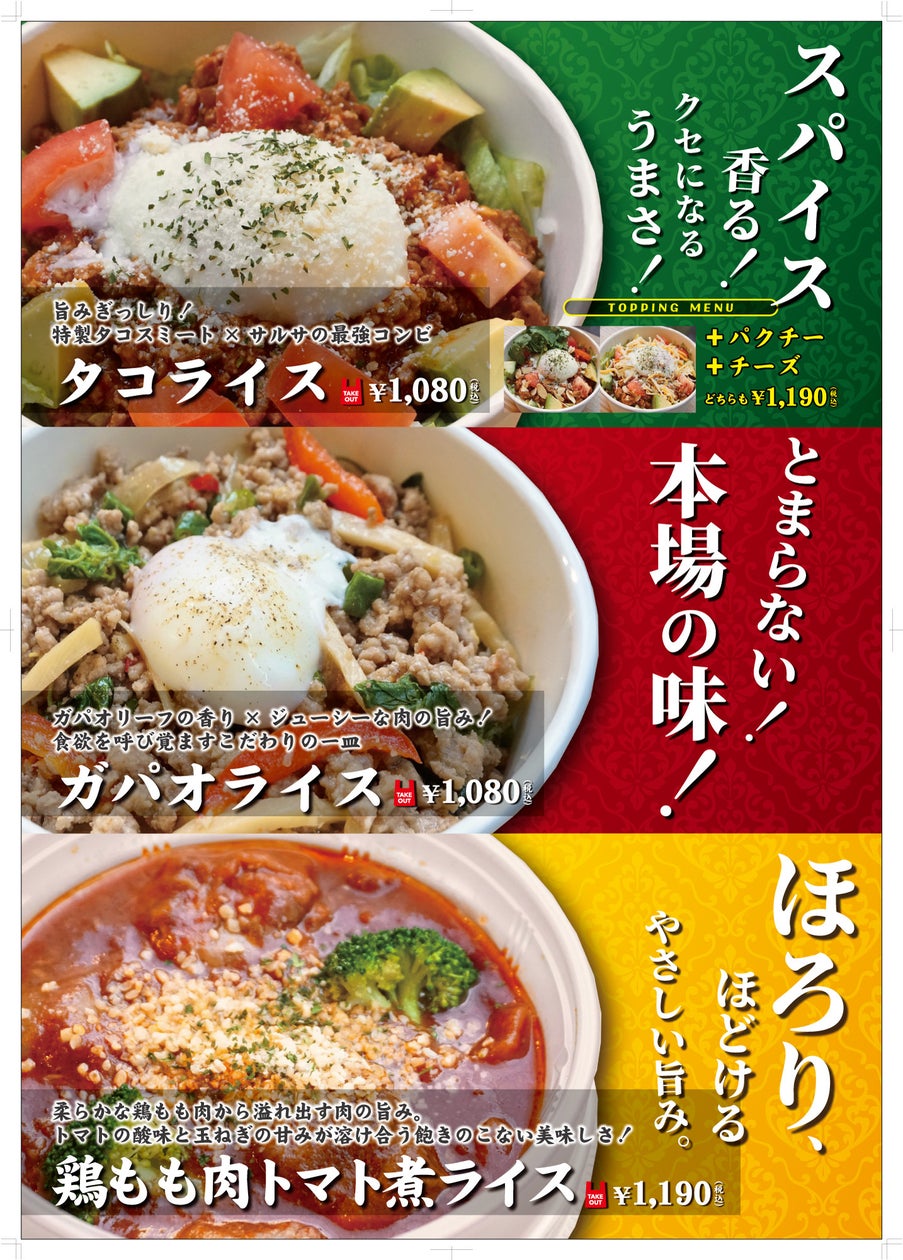
- Protein and Texture: Authentic gapao typically showcases coarsely hand-minced pork or chicken topped with a crispy fried egg, while taco rice pairs seasoned ground beef with cool shredded lettuce and melted cheese.
Two Global Diasporas on Japanese Cafe Menus
The omnipresence of these two dishes across Japan reflects how domestic food service reimagines foreign foodways. During the cafe boom of the late 1990s and early 2000s, urban dining spots sought vibrant single-plate lunches that offered international flair without alienating local palates. Both offerings fit the criteria seamlessly, providing fast assembly, bright colors, and intense umami notes.
This cross-pollination created unique domestic conventions. Japanese menus adopted the label gapao raisu, transforming what Thais call phat kaphrao, a stir-fry served alongside rice, into a compound Japanese noun that treats the holy basil leaf itself as the dish's name. Across town, regional food service chains pushed taco rice from its subtropical home islands into nationwide convenience stores. In major metropolitan areas, creative chefs have even started merging the concepts, serving crossover bowls topped with both holy basil and melted cheese, highlighting the constant evolution of these casual classics.
Thai Holy Basil and Stir-Fry Foundations: The True Anatomy of Gapao
The engine of genuine gapao is Ocimum tenuiflorum, known widely as Thai holy basil (kaphrao). Unlike sweet Italian basil or floral Thai sweet basil (horapha), holy basil delivers an astringent, clove-like heat and a numbing peppery finish when exposed to high heat. Authentic Bangkok street stalls mince chicken, pork, or beef with a cleaver to create varied textural chunks, tossing the protein into smoking woks with sliced bird's eye chilies and crushed garlic.
The pan sauce requires a balance of salt, sweetness, and fermented depth. Cooks blend fish sauce (nam pla), dark sweet soy sauce, regular thin soy sauce, and oyster sauce. The leaves hit the pan during the final five seconds of cooking, wilting instantly under high heat to trap volatile aromatic oils within the rendering fats.
No plate of gapao is complete without a khai dao, an egg fried in deep, hot oil until its frilly edges turn lacy, crisp, and golden brown while the center yolk stays molten. Puncturing the yolk over the short-grain rice tempers the blistering chili heat, creating a rich sauce that coats the seasoned minced meat.
Okinawan Base Culture and American Rations: How Taco Rice Was Born
Taco rice carries no roots in Southeast Asia; its birthplace sits along the perimeter of Camp Hansen in Kin Town, Okinawa. In 1984, Matsuzo Gibo, founder of Parlor Senri and King Tacos, sought an affordable, calorie-dense meal that would satisfy US Marines stationed nearby on modest food allowances. Gibo recognized that while soldiers craved the familiar flavors of Tex-Mex ground beef, taco shells were fragile, expensive, and less filling than local pantry staples.
His solution was straightforward: ladle seasoned taco meat, shredded iceberg lettuce, diced tomatoes, and grated cheese straight onto a mountain of steaming Japanese white rice. The resulting dish became an immediate sensation. By the 1990s, taco rice entered school lunch rotations across Okinawa prefecture, eventually establishing itself as a recognized regional culinary treasure.
The dish relies on an entirely different spice cabinet than its Thai-inspired counterpart. Ground beef simmers with ground cumin, chili powder, onion powder, garlic, oregano, and paprika. When piled hot onto rice, the seasoned beef melts the layer of processed cheddar or gouda cheese beneath crisp strips of cold lettuce, topped off with a sharp tomato-based salsa.
| Culinary Dimension | Gapao Rice (Phat Kaphrao) | Okinawan Taco Rice |
|---|---|---|
| Origin & Era | Central Thailand (Mid-20th Century) | Kin Town, Okinawa, Japan (1984) |
| Primary Protein | Coarsely chopped pork or chicken | Finely ground beef or beef-pork blend |
| Signature Aromatics | Thai holy basil, bird's eye chili, garlic | Cumin, chili powder, oregano, paprika |
| Sauce Profile | Fish sauce, oyster sauce, dark soy | Tomato salsa, hot sauce, Worcestershire |
| Standard Garnishes | Crispy fried egg (runny yolk) | Shredded lettuce, cheese, fresh tomato |
| Average Calorie Range | 620, 750 kcal per serving | 680, 850 kcal per serving |
Flavor Chemistry: Fish Sauce Umami Meets Tex-Mex Spice Blends
Understanding why these dishes stimulate distinct cravings comes down to how their core seasonings interact with salt and fat. Gapao relies heavily on fermentation chemistry. Fish sauce yields high levels of naturally occurring glutamates, which bond with the inosinate in minced meat to produce a lingering, savory backbone. When paired with fiery capsaicin from fresh chilies, the dish delivers an aggressive upfront kick that is quickly smoothed out by the runny egg yolk.
Taco rice, conversely, leverages lipid-soluble spices and bright acid. Ground cumin and paprika release their signature earthy profiles as they bloom in rendered beef fat. The dish uses acid from fresh tomatoes and vinegar-laced salsa to cut through the heavy layer of melted cheese. Rather than a singular hot wok sear, taco rice creates a temperature contrast: sizzling meat and warm rice sit directly under cool shredded iceberg lettuce and cold salsa, creating a crisp, refreshing crunch in every bite.
Kitchen Adaptations, Ingredient Swaps, and Calorie Metrics
Home cooks frequently struggle to find authentic ingredients outside specialty grocers, but practical substitutions can keep both meals accessible on weeknights:
- If true holy basil (kaphrao) is unavailable, common Italian sweet basil lacks the necessary clove profile. The closest approximation combines fresh sweet basil leaves with a handful of fresh mint and a pinch of ground black pepper to mimic holy basil's spicy edge.
- While commercial taco spice packets work in a pinch, blending ground cumin, smoked paprika, garlic powder, and a dash of Worcestershire sauce directly into the meat pan creates a deeper, less sodium-heavy profile.
- Nutritional Considerations: A standard restaurant serving of taco rice lands higher on the caloric scale (typically 680 to 850 calories) due to substantial portions of cheddar cheese and ground beef. Gapao rice averages 620 to 750 calories, driven primarily by the oil used to flash-fry the egg. Diners managing macronutrients can lighten taco rice by choosing lean turkey mince and reducing the cheese, or lighten gapao by poaching the egg and reducing the cooking oil in the stir-fry.
Frequently Asked Questions (FAQ)
Q1: Can I make authentic gapao rice using ordinary Italian sweet basil?
A1: Italian sweet basil contains high levels of sweet linalool and lacks the pungent, clove-like heat of authentic holy basil (*Ocimum tenuiflorum*). While tasty, it creates an entirely different flavor profile; adding fresh mint and black pepper helps replicate the intended bite.
Q2: Why is the dish called "Gapao Rice" in Japan instead of its Thai name?
A2: In Thailand, the dish is known as *phat kaphrao* (meaning "stir-fried holy basil"). When Japanese casual restaurants began popularizing the dish, they adopted the Thai word for the herb (*kaphrao/gapao*) and attached the English loanword *raisu* (rice) to clarify that it was served as a single-plate lunch bowl.
Q3: Is taco rice considered authentic Mexican food?
A3: No. Taco rice is an Okinawan fusion creation invented in 1984 by local restaurateur Matsuzo Gibo. It adapts Tex-Mex seasoned ground beef toppings designed for American military personnel, serving them over Japanese short-grain rice rather than inside a tortilla or hard taco shell.
Mastering Japanese Cafe Rice Bowls in 2026
Both gapao and taco rice prove that cross-cultural comfort food thrives through adaptation rather than rigid purism. Whether you crave the sharp, herbal heat of a Thai wok stir-fry or the layered, cheesy crunch of an Okinawan post-war staple, each bowl delivers distinct satisfaction rooted in its own remarkable history. Keeping their foundational aromatics, sauces, and proteins clear will transform your home kitchen repertoire and ensure you always order with total confidence.
