The Ultimate Guide to Bear Cupcakes in Japan: Where to Buy, Prices, and Gifting
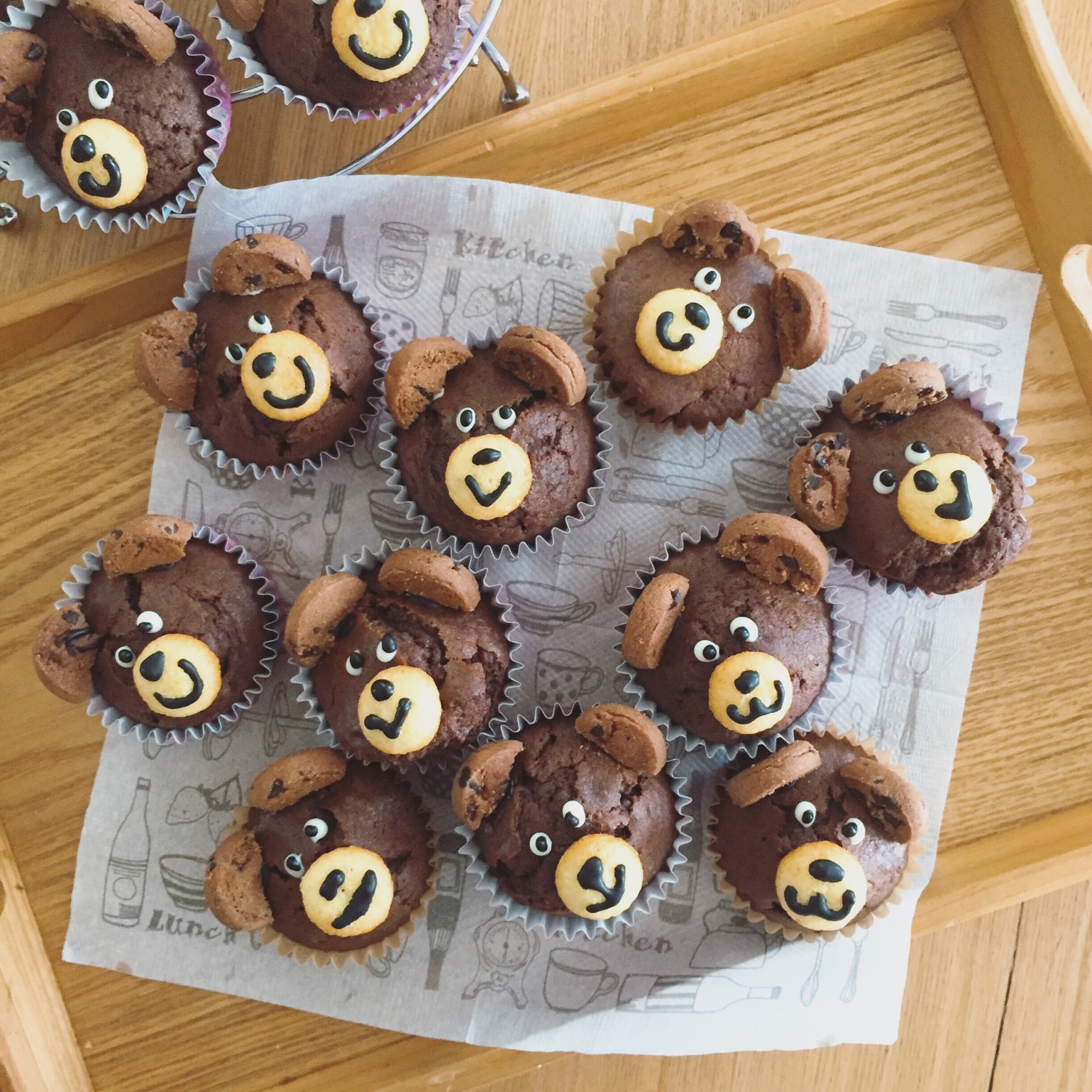
Pastry showcases in Tokyo treat confectionery as a branch of sculptural art. Walk through the subterranean labyrinth of Tokyo Station or scan the refrigerated display case of an everyday neighborhood convenience store, and you will encounter animal-shaped pastries engineered with millimeter-level precision. At the center of this culinary fascination sits the bear cupcake, known locally as kuma no kappu keiki, a sweet that bridges nostalgic character culture with sophisticated French baking techniques. While commercial retail trends have made these confections a staple of limited-edition bakery runs, tracked across retail industry updates such as this livedoor ニュース Report on viral convenience store rollouts, their appeal spans far beyond fleeting social media fads.
Today, finding these edible treats requires navigating a dense ecosystem of high-speed transit hub kiosks, boutique dessert studios, and corporate tie-ins. From premium souvenir boxes engineered to survive bullet train commutes to hyper-detailed fondant designs tucked inside quiet residential neighborhoods, purchasing cute character sweets in Japan involves specific rules around shelf life, pricing structures, and regional availability.
📌 Key Takeaways:
- Retail Epicenters: Artisan fresh-cream bear cupcakes cluster inside train station retail hubs like Gransta Tokyo, while mass-market seasonal drops appear briefly in convenience store chilled dessert cases.
- Price Spectrum: Single artisanal cupcakes range between ¥500 and ¥650, whereas luxury gift sets and collaborative souvenir boxes span ¥880 to ¥3,200 depending on packaging and brand licensing.
- Preservation Limits: Fresh buttercream and mousse creations require consumption within 2 to 4 hours unless packed with insulated dry ice, making baked honey sponge alternatives the practical choice for long-distance travel.
The Artisan Epicenter at Tokyo Station’s Fairycake Fair
JR Tokyo Station houses one of the country's most famous destinations for animal-themed baked goods. Located on the basement level inside the ticket gates of the Gransta Tokyo complex, Fairycake Fair treats character confectionery as high culinary craft. The shop, developed under the creative direction of food stylist and pastry specialist Akiko Igarashi, approaches each piece using classic British and French foundations instead of generic commercial sheet cake.
Their signature chocolate bear cupcake balances dense chocolate sponge with whipped chocolate buttercream, capped with hand-piped ears and delicate chocolate facial features. It is not merely decorative sugar. The shop balances bitter cocoa notes with subtle caramel or hazelnut ganache cores, preventing the cloying sweetness typical of Western novelty bakes. Beside the permanent chocolate bear, Fairycake Fair routinely rotates seasonal companions. During autumn and early winter campaigns, display cases feature bears sporting miniature pumpkin caps or costumed animal friends, transforming simple afternoon tea sweets into collectible seasonal markers. Pricing for individual fresh cupcakes sits consistently between ¥520 and ¥600.
Buying here requires awareness of railway retail dynamics. Because the counter sits inside the central turnstiles, shoppers without an active JR train ticket must purchase a station platform ticket (nyūjōken) for roughly ¥150 to access the storefront. Queues during Friday evening commute hours and holiday weekends regularly stretch outward along the concourse, with high-demand character assortments selling out before early evening.
Convenience Store Cult Hits and Ephemeral Confectionery Drops
At the opposite end of the distribution spectrum lies Japan's convenience store dessert aisle. The chilled sweets counter, known universally as chilled sweets, functions as an aggressive testing ground for dessert trends. Convenience chains like Lawson, 7-Eleven, and FamilyMart release new dessert batches on Tuesday mornings, frequently introducing animal cupcakes that run for only two to three weeks before disappearing from production entirely.
These retail creations prioritize accessibility and texture. Rather than heavy fondant or dense European buttercreams, convenience store bear cupcakes rely heavily on light sponge bases topped with airy dairy whip, milk chocolate mousse, or custard fillings. Priced affordably between ¥280 and ¥380, these items cater to casual commuters seeking a solitary evening indulgence. They are fragile, strictly cold-chain products meant to be consumed within hours of purchase.
The speed of these product cycles has turned tracking bear desserts into an informal hobby for urban dessert hunters. Major releases generate instant tracking campaigns across social platforms, where pastry fans trade real-time store inventory updates across major metropolitan districts like Shinjuku, Shibuya, and Ikebukuro before limited nationwide allocations run dry.
Disney SWEETS COLLECTION and the Pooh Honey Cake Phenomenon
When character confectionery transitions into formal corporate gifting, packaging and shelf life take precedence over fresh cream. A prominent example sits inside Tokyo Station's Disney SWEETS COLLECTION counter, an exclusive retail collaboration between Tokyo Banana and Disney. Their signature creation centered on Winnie the Pooh demonstrates how character branding intersects with Japan's historic omiyage (souvenir gifting) economy.
The collection's centerpiece is a steamed, bear-faced honey sponge cake, produced using genuine honey and milk custard cream. For major commercial milestones, such as the 100th anniversary commemorations of the original story debut, the brand issued commemorative packaging configurations: a 4-pack priced at ¥880 and an 8-pack priced at ¥1,780. The cakes feature varied Pooh expressions pressed into the golden sponge exterior, offering consistent visual charm without relying on temperature-sensitive frostings.
Retail strategy around these drops targets serious brand collectors. During coordinated mid-summer promotions leading up to Japan's annual "Honey Day" (observed on August 3), the brand paired these gift boxes with tiered incentives, offering specialized die-cut puffy stickers for transactions exceeding ¥2,000. Unlike fresh-cream cupcakes that collapse in summer humidity, these sealed sponge packages boast shelf lives ranging from 7 to 14 days, making them the standard option for travelers boarding international flights or the Tokaido Shinkansen.

Where to Buy Bear Cupcakes Across Tokyo: Price and Shelf-Life Breakdown
Tokyo's dessert retail landscape divides sharply across price, transportability, and artistic intricacy. Travelers purchasing gifts must balance aesthetic visual impact against the harsh realities of refrigeration requirements and transit times.
| Location / Brand | Product Style | Typical Price Range | Effective Shelf Life |
|---|---|---|---|
| Fairycake Fair (Gransta Tokyo) | Handmade fresh-cream & chocolate bear cupcakes | ¥520, ¥600 per piece | Same day (Refrigerate within 2 hours) |
| Disney SWEETS COLLECTION | Steamed honey sponge character cakes | ¥880 (4-pack), ¥1,780 (8-pack) | 7, 14 days (Room temperature below 25°C) |
| Major Convenience Stores (Lawson, 7-Eleven) | Chilled mousse & sponge mini cakes | ¥280, ¥380 per piece | 1, 2 days (Continuous refrigeration required) |
| Specialty Boutique Studios (Harajuku / Koenji) | 3D sculptural buttercream & fondant custom bears | ¥750, ¥1,200 per piece | Same day to 24 hours (Keep cool) |
Evaluating your storage capacity before purchase avoids ruined pastries. If you lack access to an immediate mini-fridge or intend to carry desserts on an extended walking tour through central Tokyo, skip raw cream options entirely in favor of sealed sponge collections.
Navigating Gifting Etiquette and Packaging for Travel
In Japanese gift culture, how an item is packed matters as much as how it tastes. When buying fresh bear cupcakes from an artisanal counter, staff will consistently ask how long you plan to travel (mochiaruki jikan). Most bakeries supply complimentary ice gel packs (horeizai) calculated to preserve dairy cream for up to 90 to 120 minutes.
Travelers intending to carry these confections across greater transit distances should ask for extended insulation. Many train station pastry counters offer foil insulated bags (ho-reibaggu) for an added fee of ¥300 to ¥500, extending freshness windows up to four hours. For airplane travel, airport security rules strictly regulate gel packs; frozen gel pads pass through domestic checkpoints without issue, but international aviation screenings classify thawed ice packs as liquids, resulting in confiscation at border security.
Gift presentation also dictates purchase formats. If you buy for business associates or acquaintances, opt for rigid gift boxes with internal structural cardboard collars that prevent the bear's delicate ears and piped noses from smudging against the clear plastic container during transport. Artisanal shops pack single items in tailored cradles specifically designed to absorb the tremors of urban pedestrian transit.
Custom Decorated Studios and the Rise of Edible Food Art
Beyond commercial transport centers, boutique cake studios tucked inside residential and youth-culture districts treat bear confectionery as bespoke design. Neighborhoods like Koenji, Harajuku, and Nakameguro support specialized cake ateliers where bakers utilize dense American-style buttercreams and Italian meringue frostings to engineer three-dimensional animal shapes that withstand warm room temperatures better than light Japanese dairy foam.
These studios frequently cater to event orders, offering customized color palettes, edible glitter accents, and chocolate messaging plaques. Patrons select base flavors ranging from dark chocolate and matcha to Earl Grey tea, topped with hand-sculpted bears holding edible flowers or seasonal fruit pearls. Pricing reflects this artisan overhead: bespoke single cupcakes start at roughly ¥750 and easily reach ¥1,200 for multi-tiered customized displays.
These independent shops usually require online reservation slots several days in advance, communicating strictly via web booking forms or direct social platform inquiries. Visitors hoping for walk-in purchases should arrive immediately at opening time; daily display production in these micro-kitchens rarely exceeds 30 to 50 individual character cupcakes per shift.
Frequently Asked Questions (FAQ)
Q1: Can I transport fresh bear cupcakes on an international flight from Tokyo?
A1: It is not recommended for fresh-cream items. Fresh cupcakes spoil without continuous refrigeration, and the ice packs required to keep them cold exceed airport carry-on liquid limits once thawed. Travelers heading abroad should instead choose sealed, room-temperature sponge gift boxes, such as Tokyo Banana's Winnie the Pooh collection, which pack securely and comply with carry-on guidelines.
Q2: Where can I find bear cupcakes if I am outside Tokyo?
A2: Regional department store basements (depachika) across major hubs like Osaka (Umeda, Namba) and Kyoto (Kawaramachi) house high-end pastry counters with animal collections. Additionally, nationwide convenience store networks like Lawson frequently introduce limited-run bear sweets simultaneously across all Japanese prefectures.
Q3: Are bear cupcakes in Japan suitable for people with dairy or egg allergies?
A3: Rarely. Traditional Japanese pastry relies heavily on eggs, milk cream, and wheat flour. While some dedicated vegan bakeries exist in Shibuya and Kichijoji that offer plant-based animal sweets using soy cream and rice flour, major retail counters like Fairycake Fair and commercial souvenir stands do not offer allergen-free versions.
Planning Your Tokyo Sweets Hunt in 2026
Sourcing bear cupcakes across Tokyo requires aligning your culinary priorities with your daily itinerary. If your goal is consuming an exquisite, freshly piped treat while taking in the city, visit the basement counters of Gransta Tokyo inside JR Tokyo Station early in the morning, grab an iced espresso, and enjoy the confection immediately at one of the open concourse resting areas. Those hunting for gifts should ignore the fragile fresh-cream display entirely and head directly to the sealed souvenir counters stocking character honey sponges, which travel well and preserve their visual charm intact.
For casual neighborhood strolls, check the refrigerated display cases of local convenience chains each Tuesday to catch ephemeral design drops before store inventories rotate. Tokyo's character pastry market rewards both spontaneous curiosity and careful logistical timing.
