The Ultimate Guide to Japan's Rhythm Comedy Stars: Icons, Acts, and Where They Are Now

The Ultimate Guide to Japan's Rhythm Comedy Stars: Icons, Acts, and Where They Are Now
Few genres inside Japanese entertainment command the immediate physical pull of *rhythm neta* (リズムネタ). A single kinetic catchphrase paired with a driving cadence can turn an unknown performer into an overnight sensation across morning television, schoolyards, and social feeds. Yet for decades, domestic comedy purists viewed these musical gags as a double-edged sword: an explosion of fame followed almost inevitably by commercial burnout. That historical curse has broken down. Commercial conglomerates and digital platforms now look directly to rhythmic physical performers for long-term brand equity, culminating in major industry revivals such as Recruit's sprawling "Rhythm Neta Relay" advertising campaign detailed in a recent PR TIMES Report.
The genre has shifted from disposable slapstick to one of the most durable formats in Japanese television and digital variety. Veterans who once rode brief cultural waves during the mid-2000s have retooled their careers into streaming juggernauts, theatrical staples, and educational franchises. Meanwhile, a younger generation of performers is leveraging viral video algorithms to build sustainable stage work from rhythmic beats. From corporate commercial crossovers to dedicated arena showcases, musical timing remains Japan's most versatile comedic export.
📌 Key Takeaways:
- The Commercial Rebound: Major corporate brands like Recruit are actively investing in classic rhythmic acts, uniting stars like Yoshio Kojima and Chocolate Planet for large-scale web and television campaigns.
- The Survival Formula: Early pioneers avoided the dreaded "one-hit wonder" trap by branching into YouTube production, gaming livestreams, and children's education without abandoning their trademark cadences.
- The Modern Hybrid: The boundaries between pure rhythm comedy and dark satire have collapsed, giving rise to multi-instrumental stage events like the Uta Neta Festival alongside competitive solo tournaments.
The Enduring Architecture of Japanese Rhythm Comedy
Rhythm comedy functions through immediate, involuntary psychological payoff. Unlike traditional *manzai* (stand-up double acts) or *konta* (narrative sketches), which require elaborate narrative setups and wordplay, rhythm gags bypass complex premises in favor of synced physical beats. The formula pairs simple, highly repeatable syllables with a driving tempo, establishing an earworm that demands repetition. When an entire classroom or corporate office can recite a routine after two viewings, an act achieves escape velocity.
This kinetic accessibility made the format standard viewing on iconic variety shows like *Bakusho Red Carpet* and *Enta no Kamisama* throughout the 2000s and 2010s. The challenge was rarely achieving cultural reach; it was surviving it. Because rhythm gags embed themselves so violently into the public consciousness, audiences historically fatigued quickly. Performers who could not pivot to unscripted studio banter (*hina-dan*) or long-form theater often found their booking calendars empty within eighteen months. The survivors of that television era are the ones who turned their rhythmic cadence into a foundational signature rather than a finite routine.
The Evolution of the Masters: From Flash Sensations to Media Fixtures
The roster of performers anchoring modern corporate revivals reflects two decades of hard-fought reinvention. Take Yoshio Kojima, who debuted in 2007 clad in a single pair of swim trunks, flexing his quadriceps to the chant "Sonna no Kankei Nee!" (That doesn't matter!). Rather than burning out, Kojima took his hyper-kinetic timing to elementary schools and family YouTube channels. He transformed himself into a fixture of early-childhood fitness and mathematics instruction, turning what critics dismissed as naked clowning into an enduring family enterprise.
Similarly, Fujisaki Market confronted the rhythm trap head-on. Their "La-La-La Rairai" routine, performed in black exercise singlets, became such an oppressive sensation in 2007 that the duo voluntarily shelved the bit to preserve their sanity and artistic standing in Kansai stand-up. Today, their reappearance in commercial campaigns carries nostalgic warmth precisely because they spent intervening years establishing baseline credibility as versatile sketch actors and live hosts.
Then there is Eiko Kano, whose pompous host persona and rhythmic self-serenades initially framed him as the quintessential target of variety show pranks. Kano navigated the shift toward online streaming by bringing that exact deadpan musical timing to YouTube, where his chaotic gaming streams now pull millions of views per session. Joining him is Nagano, whose frenzied, head-banging chants proclaiming that he "likes dolphins more than Picasso" established a surreal subgenre of rhythm comedy. Nagano leveraged that eccentric persona into sharp, razor-tongued cultural criticism, earning widespread respect across late-night radio circuits.
Commercial Resurgence: Inside the Recruit Rhythm Neta Relay
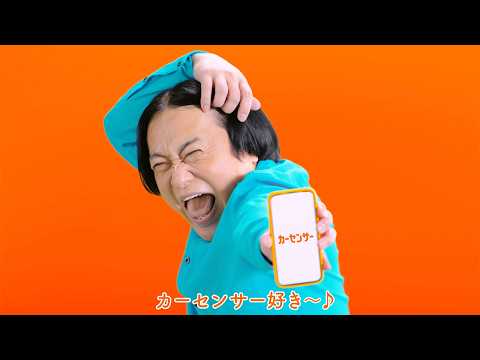
The contemporary viability of these performers culminated in Recruit's multi-brand campaign titled the "Rhythm Neta Relay." The initiative brought five major comedy acts together across web and television spots to market everyday consumer portals, including real estate advisory service SUUMO Counter, reservation hub Hot Pepper Beauty, and travel planning engine Jalan.
| Comedy Act | Signature Rhythm Archetype | Modern Career Evolution |
|---|---|---|
| Yoshio Kojima | High-tempo physical conditioning chants | Educational family media, fitness programs, and corporate promotions |
| Chocolate Planet | Syncopated prop routines (TT Brothers) | Prime-time variety anchors and dominant YouTube sketch creators |
| Fujisaki Market | Exercise-driven rhythmic cadences | Stage-focused theatrical manzai, radio broadcasting, and veteran comedy hosts |
| Eiko Kano | Melodramatic personal anthems and host gags | High-tier gaming streamer, television personality, and viral internet icon |
| Nagano | Surreal, high-intensity rock-beat mantras | Underground talk specialist, media critic, and late-night television guest |
What makes this campaign historically significant is the participation of Chocolate Planet (Shohei Osada and Shun Matsuo). Unlike acts who rely on a single breakthrough year, Chocolate Planet deliberately engineered rhythm bits, most notably their chart-topping "TT Brothers" routine, as modular assets inside a broader creative portfolio. By rotating their musical sketches alongside deadpan impersonations and character studies, Osada and Matsuo proved that rhythm bits can function as strategic tentpoles rather than creative dead ends. Recruit’s decision to group them alongside Kano, Kojima, Nagano, and Fujisaki Market underlines an industry shift: rhythm comedy is no longer an amateur phase, but an established artistic discipline that instantly commands consumer attention.
The Musical Comedy Circuit: Uta Neta, Stage Festivals, and Arena Crowds
Parallel to television commercials, the live circuit has coalesced around *uta neta* (歌ネタ), where musical craft meets sharp observation. The premier theatrical production Uta Neta Fes: Bakusho Rhythm Tengoku gathers cross-generational masters of melodic parody, demonstrating the immense box-office power of comedy backed by acoustic guitars and rhythm tracks.
The foundation of this scene rests on veterans like Tetsu and Tomo, whose ubiquitous red-and-blue jersey routine ("Nande Daro~", or "Why Is That?") has entertained live corporate halls, regional stages, and variety hours for over twenty-five years without losing an ounce of comedic friction. Alongside them stands AMEMIYA, whose acoustic breakdown "Hiyashi Chuka Hajimemashita" (I Started Serving Cold Chinese Noodles) spun a melancholy rock ballad into a long-lasting brand campaign staple.
The genre is also pushing into sharper territory. Solo comic Omiokuri Geinin Shinichi, who claimed the R-1 Grand Prix title in 2022, weaponizes an acoustic guitar to deliver stinging, cynical jabs wrapped in sweet pop melodies. His biting verses highlight how modern rhythm acts manipulate the contrast between musical warmth and misanthropic writing. On the modern troupe front, acts like Linda Color Infinity inject stylized fashion, runway-inspired beats, and charismatic posing into modern ensemble routines, drawing significant traction from teenage demographics on short-form video platforms. The inclusion of acts like Ehara Masahiro, Tomoda Ore, and Yancy & Mariconne in these lineups shows that musical comedy now commands the same technical respect as competitive theater.
Why Digital Platforms Changed the Rhythm Comic Lifecycle
The traditional television lifecycle once worked like an industrial press: a performer was discovered, featured nightly across every major channel, overexposed, and discarded. Short-form video altered that dynamic entirely. On platforms like TikTok and YouTube Shorts, a tightly constructed three-second musical cadence is the exact unit of currency required to achieve international algorithmic spread.
Performers are no longer bound by network programmers who dictate when an act is past its prime. Instead, artists build direct production pipelines. When an act crafts a syncopated movement today, they can independently release alternate tracks, behind-the-scenes rehearsals, and creator collaborations. The rhythm bit serves as the top-of-funnel discovery tool, funneling viewers toward hour-long talk podcasts, livestreams, or theater ticket sales. Rather than a creative trap, rhythm comedy has become the most cost-effective gateway to building an independent comedic brand in contemporary Japanese entertainment.
Frequently Asked Questions (FAQ)
Q1: What is the main difference between rhythm neta and standard uta neta?
A1: While both utilize auditory timing, *rhythm neta* typically relies on short, repetitive phrases driven by a physical beat, body percussion, or a simple backing track. In contrast, *uta neta* features structured songwriting, parodies of existing musical genres, and live instrumentation such as acoustic guitars.
Q2: Why did Japanese comedians historically fear doing rhythm routines?
A2: During the mid-2000s, television variety shows relied heavily on rapid-fire short comedy routines, which led to severe overexposure. Comedians who broke through with rhythm bits were often labeled "ippatsu-ya" (one-hit wonders) and struggled to find work once audiences grew tired of their catchphrases.
Q3: How have modern acts avoided fading from the public eye?
A3: Modern performers treat rhythm routines as one component of a diversified career. Acts like Chocolate Planet and Yoshio Kojima balance physical sketches with YouTube channels, unscripted variety television appearances, acting roles, and educational workshops.
Where Japanese Musical Comedy Goes from Here
The narrative surrounding Japanese rhythm comedy has permanently shifted. The era when an earworm routine meant immediate career jeopardy has given way to an environment that rewards musicality, precision, and personal reinvention. Commercial campaigns from top-tier brands treat these performers not as fleeting internet memes, but as enduring cultural figures capable of generating cross-generational goodwill.
As live events like the Uta Neta Festival sell out regional halls and streaming platforms reward short-form physical synchronization, the rhythm comic stands at the center of Japan’s media landscape. Far from being a creative compromise, masterfully executed physical rhythm remains the fastest, most effective way to cut through digital noise and make an audience laugh together.
