The Ultimate Guide to Korean Live Entertainment: Platforms, Adaptations, and Real-Time Fan Hubs
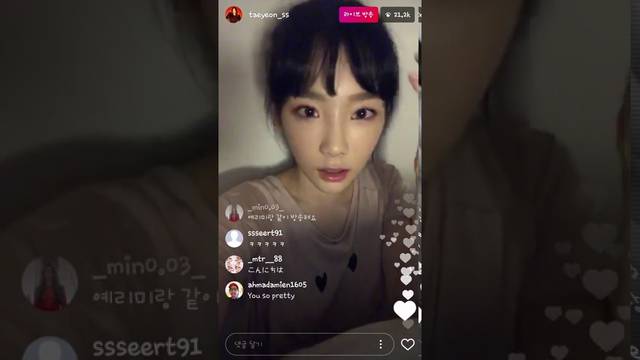
When Amazon-owned Twitch pulled the plug on its South Korean operations in early 2024 citing network fees ten times higher than in other territories, the country's hyper-connected entertainment ecosystem did not fracture. Instead, it reorganized at blistering speed. Millions of daily active viewers migrated overnight to homegrown networks, transforming how domestic audiences and international fans interact with Korean creators, competitive gamers, and pop icons in real time. At the same time, live broadcast chats and community watch hubs have emerged as digital gathering grounds where fans track major international developments, such as director Park Chan-wook's move to adapt his legendary film Oldboy into an English-language television series, detailed in an official animenewsnetwork.com Report.
From the corporate restructuring of legacy video services to real-time creator-to-fan live chat applications, Korea's live digital environment operates under structural rules distinct from Western counterparts. Understanding this infrastructure requires examining both the technical platforms hosting these broadcasts and the cultural mechanisms governing how real-time interactions unfold.
📌 Key Takeaways:
- The Platform Duopoly: Following Twitch's regional shutdown, South Korea's live streaming sector consolidated around Naver's gaming-centric platform Chzzk and SOOP (the rebranded AfreecaTV), alongside HYBE's specialized fan service Weverse.
- The Transnational Adaptation Hub: Korean entertainment communities increasingly serve as real-time reaction hubs for ambitious adaptations, spanning Park Chan-wook's upcoming Oldboy series with Lionsgate to director Yeon Sang-ho's Netflix hit Parasyte: The Grey.
- Strict Chat Governance: Unlike open-forum Western video services, Korean live chat ecosystems demand real-name verification, stringent automated moderation, and distinct linguistic etiquette, creating high barriers to entry for international participants.
The Real-Time Migration: Naver’s Chzzk and SOOP Redefine Domestic Streaming
The departure of Twitch created an immediate vacuum for roughly 20,000 active Korean partners and affiliates. Search giant Naver responded by launching Chzzk, rolling out a greenfield platform backed by its existing payment rails, search engine index, and identity infrastructure. By integrating 1080p video delivery, smooth Twitch account transition tools, and Naver Pay wallet mechanics, Chzzk captured a massive share of gaming broadcasters within weeks of entering public beta.
Concurrently, AfreecaTV, the longest-standing native streaming network in the country, initiated a sweeping corporate overhaul. The service rebranded its domestic and global presence to SOOP in 2024, dismantling long-criticized legacy terminology such as "Broadcasting Jockey" (BJ) in favor of international standards. The platform re-engineered its user interface to attract diaspora viewers, esports tournament organizers, and variety streamers seeking higher revenue splits through virtual gift economies.
Together, Chzzk and SOOP command the vast majority of South Korea's PC and mobile real-time video traffic. While YouTube Live maintains deep penetration for political talk shows, news broadcasts, and independent vloggers, gaming and interactive entertainment remain firmly anchored within these two domestic giants.
Interactive Watch Hubs: Tracking the Boom in Live-Action Adaptations
Real-time chat channels no longer function solely as sideboards for video gameplay; they have evolved into live watch hubs where fandoms dissect transnational adaptations. South Korea's creative pipeline has moved from importing foreign intellectual property to exporting high-budget reinterpretations across global streamers.
A prime example of this cross-border flow occurred when Lionsgate Television partnered with director Park Chan-wook to produce an English-language television series based on his 2003 masterpiece Oldboy, itself an adaptation of Garon Tsuchiya and Nobuaki Minegishi's Japanese manga. Community message boards and live review streams lit up instantly upon the announcement. Film enthusiasts debated whether the television format could retain the psychological visceral weight of the film's hallway hammer sequence or its devastating climax.
This follows the critical and commercial reception of Netflix's Parasyte: The Grey, directed by Yeon Sang-ho (Train to Busan). Rather than producing a direct remake of Hitoshi Iwaaki's iconic sci-fi horror manga, Yeon expanded the lore into a contemporary Korean setting with new protagonist Jeong Su-in, portrayed by Jeon So-nee. When teaser trailers dropped highlighting the escalating conflict between parasitic organisms and the specialized police task force "Team Grey," live reaction streams registered millions of impressions. Korean adaptations of Japanese manga are not novel, the 2012 television adaptation of Hisaya Nakajo's school romance manga Hana-Kimi (broadcast as To the Beautiful You) set early precedents, yet the current era operates on an unprecedented global scale.
Comparing Korea's Primary Live Streaming Platforms
To navigate the Korean live broadcasting ecosystem, users must weigh differing content priorities, translation capabilities, and verification requirements across major services:
| Platform | Core Content Focus | Global Chat Accessibility | Identity Verification Barrier |
|---|---|---|---|
| Naver Chzzk | Esports, indie gaming, variety creators, pop culture watch parties | Low to Moderate; Korean UI dominates; automated translation rolling out | High; requires Naver ID, often tied to mobile or passport verification |
| SOOP | Esports leagues (StarCraft, LoL), talk shows, lifestyle, virtual streamers | Moderate; international site offers multi-language client support | Moderate; foreign registration available via email or social logins |
| Weverse Live | K-pop idol streams, backstage Q&As, album listening events | Very High; native real-time AI subtitles in 10+ global languages | Low; open global account creation via standard email or Apple ID |
| YouTube Live | News broadcasting, commentary, independent pop culture analysis | Universal; standard YouTube live chat window with localized settings | Low; standard Google account security authentication |
Etiquette, Moderation, and Real-Time Chat Dynamics
Interacting inside a Korean live broadcast demands strict adherence to community norms. Unsolicited English spam or intrusive personal inquiries can trigger immediate bans from community managers and automated filters.
South Korean chat rooms operate under stringent regulatory frameworks. Platforms implement real-name verification systems (본인인증) to curb cyberbullying, defamation, and illicit transactions. Automated CleanBot utilities actively suppress hateful rhetoric, sexual harassment, and unauthorized financial links before text appears on screen. Users who circumvent these parameters risk permanent suspension tied directly to their national identification numbers or verified foreign passports.
Linguistic customs dictate user interactions. Broadcasters use honorifics (jondaenmal) when addressing their chat rooms, and viewers reciprocate unless the streamer explicitly establishes an informal "banmal" community atmosphere. Viewers utilize text-to-speech (TTS) donation systems, transmitting concise messages voiced by synthetic character models. Understanding localized web jargon, such as typing "ㄱㄷ" (wait) or "ㅇㅈ" (agreed), remains critical for non-native viewers hoping to parse fast-moving comment feeds during competitive matches.
The Direct-to-Consumer Engine: From Virtual Gifts to Private Subscriptions
The monetization structure of Korean live hubs relies on voluntary user patronage rather than pure programmatic pre-roll advertising. SOOP built its financial empire on Star Balloons, virtual items costing 110 KRW (roughly $0.08 USD) each that viewers purchase and award to broadcasters. Top-tier creators generate hundreds of thousands of dollars annually through continuous micro-donations during marathon talk streams.
In the idol and pop culture sphere, the interaction model shifts toward direct, premium messaging. Platforms such as DearU bubble and Weverse DM package parasocial interactions into monthly subscription services running approximately $3.50 to $4.50 per artist. Fans receive real-time push notifications structured identically to private instant messengers, reading texts, voice notes, and candid photos transmitted directly from musicians and actors. Replies are aggregated into a unified live feed that the artist reads on a dedicated console, bridging intimate communication with high-volume digital commerce.
Frequently Asked Questions (FAQ)
Q1: Can overseas viewers legally create accounts and chat on Naver Chzzk?
A1: Yes, international users can register for Naver accounts using non-Korean mobile phone numbers or passport identity checks. Certain premium monetization features and age-gated 19+ broadcasts remain restricted to users verified with domestic Korean carrier accounts.
Q2: Why do Korean live chats frequently move faster than Western streams with similar viewership?
A2: Korean typography relies on Hangul, an alphabetic script grouped into syllabic blocks. Users convey complete sentences or complex reactions using three to four characters or two-letter initialisms (choseong), drastically reducing typing time and accelerating message frequency relative to Latin-alphabet text.
Q3: How do creators manage toxicity when hosting live adaptation watch parties?
A3: Broadcasters deploy strict keyword blacklists targeting spoilers, unreleased plot details, and personal attacks. Channels on Chzzk and SOOP commonly require viewers to have verified account histories running from 24 hours to 30 days before gaining commenting privileges during major premiere streams.
The Path Forward for Korean Digital Entertainment
The convergence of advanced streaming software, rigorous chat governance, and worldwide narrative adaptations has transformed Korean live video into a major digital force. As creators like Park Chan-wook expand their cinematic visions into serialized international television and visionary directors translate iconic manga properties for global audiences, the real-time interaction layer serves as the ultimate sounding board. For viewers worldwide, entering these digital rooms provides a front-row seat to the creative, cultural, and commercial forces driving Asian pop culture forward.
