The Ultimate Monjayaki Beginner's Guide: How to Cook, What to Order, and Top Spots
Steam rises through the narrow alleyways off Nishinaka Dori in Tokyo’s Chuo Ward, carrying the unmistakable scent of scorched soy sauce, cabbage, and dried bonito flakes. Tsukishima Monja Street remains the undisputed epicenter of monjayaki, Tokyo’s runny, communal griddle dish that defies conventional culinary aesthetics. While regional franchises are rapidly expanding nationwide, demonstrated by market launches highlighted in a recent PR TIMES Report detailing new multi-city griddle concepts, the heart of this food culture stays grounded in long-running shitamachi parlors like Shinanoya (しなのや). For visitors standing over a 200°C iron plate for the first time, cooking this liquid batter requires understanding specific table choreography, precise heat management, and an appetite for communal dining.
📌 Key Takeaways:
- The Essential Structure: Monjayaki relies on an ultra-watery dashi broth base folded into shredded cabbage, distinctly thinner than dense Kansai-style okonomiyaki.
- The Griddle Technique: Diners build a cabbage ring (*dote*) directly on the teppan to contain the simmering broth before combining and caramelizing the entire mass.
- The Golden Rule: You never eat monja with chopsticks; small metal spatulas called *hagashi* press the batter flat against the hot iron to pull off sizzling, crispy *okoge* bits.
The Shitamachi Origins of Tokyo's Runny Griddle Classic
Monjayaki originated as an improvised snack in the working-class eastern districts of Tokyo during the late Edo and early Meiji eras. Scarcity forced street vendors to mix tiny rations of wheat flour with water and cheap condiments. Stalls lacked paper and ink, so shopkeepers taught neighborhood children the Japanese syllabary by tracing letters directly onto hot metal plates using runny batter. Locals called this educational snack mojiyaki ("character frying"), which eventually degraded phonetically into modern monjayaki.
Following post-war reconstruction, Tokyo’s reclaimed island of Tsukishima adopted the dish as affordable sustenance. As real estate developments transformed Chuo Ward into a landscape of luxury residential towers throughout the 2000s and 2010s, Tsukishima's central arcade preserved over 70 family-run stalls along four interconnected street blocks. Establishments such as Shinanoya maintained the unvarnished charm of 20th-century Tokyo, serving blue-collar workers and students around low communal tables fitted with cast-iron griddles.
The dish never evolved into a neat, sliceable pancake. It remained deliberately loose, fluid, and participatory. That structural messiness is its main appeal: monjayaki cannot be ordered as takeout or reheated at home without losing its textural magic. It demands active presence at the table.
Step-by-Step Mastery of the Teppan Griddle Technique
Sitting down at a traditional parlor leaves the cooking duties entirely in your hands unless you explicitly ask the staff for help. Getting the texture right depends on keeping the ingredients organized and respecting the surface temperature of the flat top.
Every bowl arrives separated into two distinct layers: a thick mound of shredded cabbage, pickled ginger, seafood, and assorted proteins sitting on top of a pool of seasoned dashi broth. Tipping the entire contents onto the hot plate at once creates an unmanageable puddle that scorches unevenly. The standard two-spatula method breaks down into four controlled steps:
- Grease and Separate: Lightly oil the teppan using a paper cloth held with tongs. Use two metal spatulas to hold back the broth while shoveling only the solid cabbage and meat onto the center of the griddle.
- Chop and Soften: Work the large spatulas rhythmically like cleavers, chopping the cabbage ribbons into tiny bits while frying the proteins through. This takes roughly 3 minutes until the vegetables wilt under high heat.
- Construct the Dote: Shape the chopped cabbage into a neat circular wall with a broad, empty clearing in the center, resembling a miniature volcanic crater. Pack the outer ring tightly to eliminate gaps.
- Pour and Stir in Batches: Pour roughly one-third of the reserved dashi broth base into the empty center. The liquid will boil instantly. Stir the bubbling pool gently with the edge of a spatula without puncturing the outer cabbage dam. Once it thickens into a glossy paste, pour the remaining liquid, let it boil up, and then fold the cabbage wall inward, blending everything into a single bubbling spread across the iron.
Essential Orders on the Shinanoya Monjayaki Menu
The menu board at Shinanoya illustrates decades of iterative shifts in Japanese street food. While purists stick to simple dried squid and pickled ginger toppings, modern Tsukishima dining is defined by heavy savory and dairy combinations.
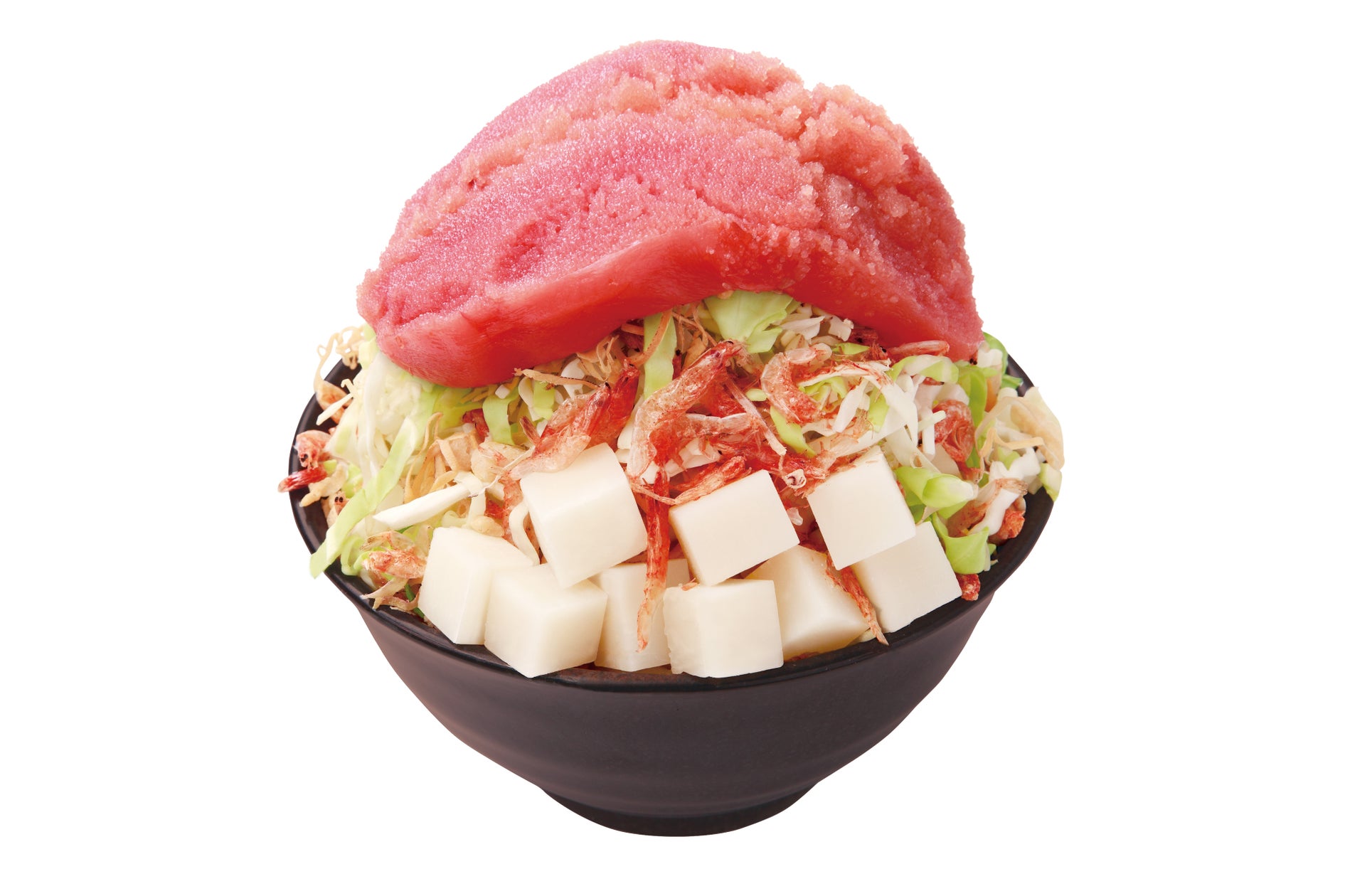
The undisputed benchmark across all Tsukishima menus is mentaiko mochi cheese. Whole sacks of spicy marinated pollock roe (mentaiko) sit over thin slabs of glutinous rice cake (mochi) and shredded processed cheese. When integrated on the griddle, the heat melts the starch and dairy into the dashi, transforming the cabbage liquid into an elastic, chewy layer with sharp salinity and mild chili spice.
Other classic variations lean into nostalgia:
- Crushed packets of crispy, pre-seasoned dry ramen noodles dumped directly into the batter. The noodles absorb broth while keeping pockets of crunchy texture.
- Sujikon (Beef Tendon and Konjac): Slow-braised beef sinew paired with diced konjac jelly, scallions, and Worcestershire-style sweet sauce. This option delivers richer fat profiles and gelatinous mouthfeel.
- Seafood Deluxe (Kaisen): Baby scallops, raw squid rings, octopus tentacles, and fresh shrimp. Requires chopping the seafood into smaller dice on the griddle to ensure even cooking throughout the batter.
Griddle Styles: Monjayaki Compared with Regional Counterparts
Travelers often confuse monjayaki with okonomiyaki, its famous cousins from Osaka and Hiroshima. The divergence lies in moisture ratios, flour density, and structural intention.
| Feature | Tsukishima Monjayaki | Osaka Okonomiyaki | Hiroshima Modanyaki |
|---|---|---|---|
| Batter Consistency | Fluid, watery dashi (flour-to-water ~ 1:10) | Thick batter (flour-to-water ~ 1:2) | Thin crêpe base stacked with layers |
| Final Form Factor | Semi-molten sheet stuck to the iron | Thick, flip-ready savory pancake | Tall, multi-layered noodle stack |
| Primary Utensil | Miniature scraper spatula (*hagashi*) | Full-size cutting spatula or chopsticks | Heavy metal spatula and chopsticks |
| Ideal Texture Goal | Gooey surface with charred *okoge* base | Fluffy interior with crisp outer shell | Firm yakisoba noodles, steamed cabbage |
| Average Price Range (2026) | ¥1,100, ¥1,800 ($7.50, $12.50) | ¥900, ¥1,500 ($6.00, $10.20) | ¥1,200, ¥1,900 ($8.20, $13.00) |
Where western Japanese varieties emphasize structure, symmetry, and heavy toppings of mayonnaise and sweet brown sauce, monja draws its depth from the underlying broth. The umami comes cooked into the batter itself, avoiding the thick, sugary glazes characteristic of western styles.
Table Manners and the Hagashi Spatula Etiquette
Monjayaki has a dedicated set of dining tools and customs. Grasping table protocols spares beginners both burned fingers and odd looks from neighborhood regulars.
The most critical implement is the hagashi (sometimes called kote or hera). These palm-sized stainless steel spatulas are designed for extraction, not cutting.
To eat properly, hold the handle with your index finger extended along the shaft for leverage. Position the flat edge at the perimeter of the batter, press down firmly against the cast-iron plate, and drag the blade toward you along the metal. A thin layer of batter clings to the spatula, crisping on the iron into a golden crust known as okoge. Lift the spatula directly to your mouth, tasting both the molten, gelatinous upper layer and the crunchy browned underside in one bite.
A few dining missteps to avoid:
- Never scrape toward other diners: Always drag the spatula inward toward your own seat. Scraping outward splatters boiling sauce across the communal table.
- Do not dump raw batter on the griddle in one motion: Forcing staff to clean charred broth floods because you neglected to build the cabbage dam will earn stern rebukes in heritage shops.
- Keep your spatula off the cold edges: Resting dirty scrapers on the cool steel borders allows charred dashi starch to dry like cement. Leave the tip resting flat on the warm perimeter of the griddle surface.
Navigating Tsukishima Monja Street and Regional Hotspots
Visiting Tsukishima requires some tactical planning. Located directly off Tsukishima Station on the Tokyo Metro Yurakucho and Toei Oedo lines (Exit 7), the main street, Tsukishima Nishinaka Dori, stretches across four distinct blocks. Shinanoya sits nestled among these alleys, favored by patrons who appreciate seasoned dashi formulas that have avoided corporate dilution.
Expect heavy queues between 6:00 PM and 8:30 PM on weekends. Peak dining times often push waits past 45 minutes at premier parlors. Arriving around 4:30 PM or targeting late weekday lunch services (1:30 PM, 3:00 PM) guarantees an unhurried table where staff have the time to guide first-time cooks through their initial batch.
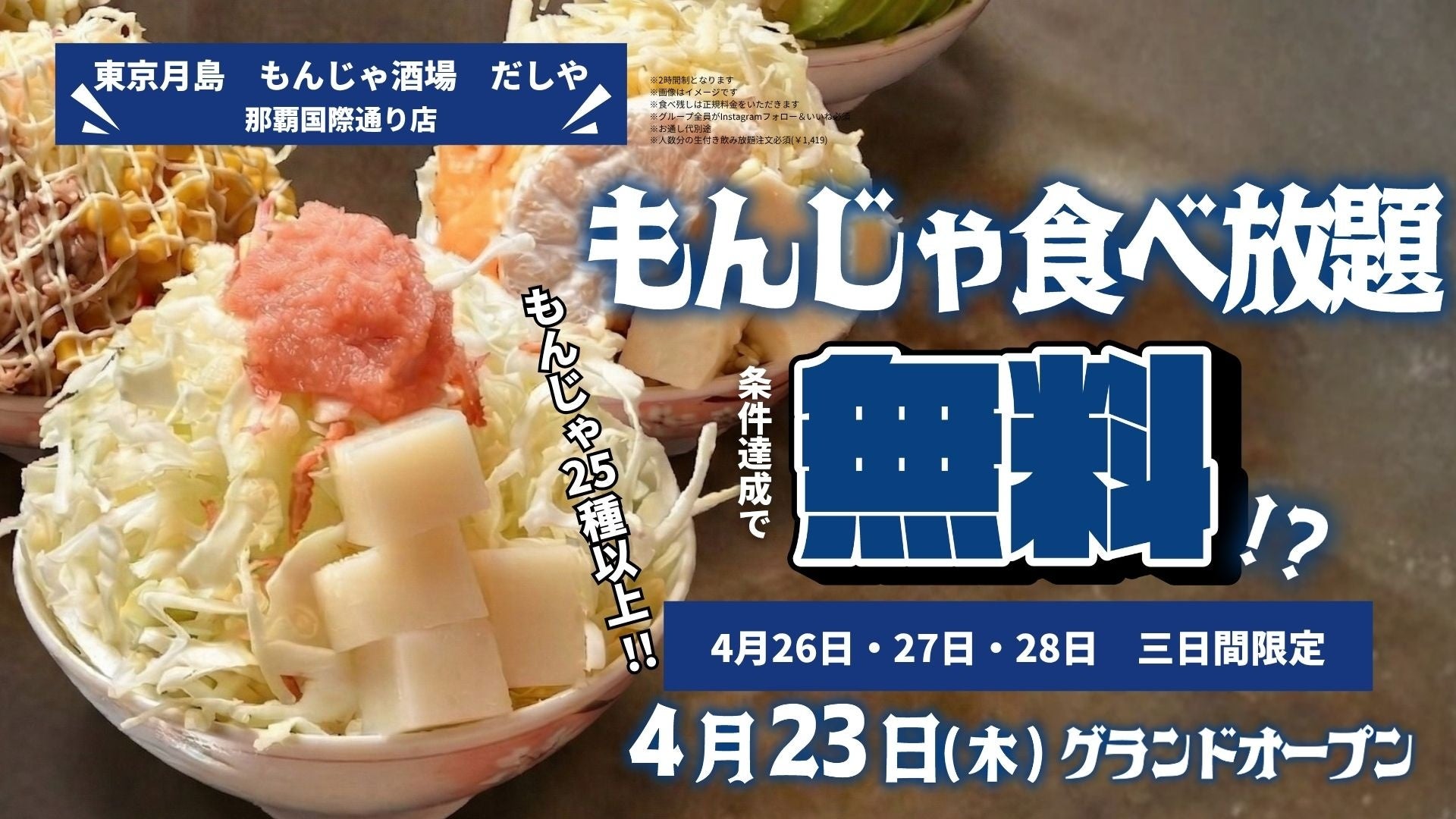
Monjayaki’s footprint is no longer confined to Tokyo’s waterfront. Recent hospitality rollouts have brought genuine Tsukishima dashi methods to unexpected regions, including high-traffic entertainment districts in Sendai and Naha. Whether enjoying an iron plate in a neon-lit franchise in northern Japan or squeezed onto a low wooden stool inside a vintage Tsukishima storefront, the core experience stays fundamentally unchanged: scraping hot iron, drinking draft beer, and tending a bubbling griddle with good company.
Frequently Asked Questions (FAQ)
Q1: Is monjayaki actually supposed to look undercooked?
A1: Yes. Monjayaki never firms up into a solid pancake. Its high moisture content is engineered to keep the top layer thick and saucy while the bottom layer caramelizes against the cast iron plate.
Q2: Can I ask the restaurant staff to cook it for me?
A2: Absolutely. While self-cooking is the cultural norm, servers at almost every Tsukishima restaurant will happily cook your first bowl if you say "Onegaishimasu" (please) or "Monja hajimete desu" (This is my first time having monja).
Q3: How do you avoid smelling like fried cabbage after eating?
A3: Most traditional shops provide large plastic bags under your seat to stow coats, purses, and scarves before you ignite the burner. Monjayaki vapor permeates fabrics quickly; leave valuable wools and dry-clean-only garments at your hotel.
The Living Iron of Tokyo's Downtown Food Culture
Monjayaki stands in contrast to the immaculate, hyper-curated dining formats that often dominate modern impressions of Tokyo. It is smoky, unpretentious, deliberately chaotic, and social.
Mastering the iron plate requires slowing down, managing the heat yourself, and scraping up hot bites one small spatula at a time. Long after the high-rise cranes have finished reshaping Tsukishima’s shoreline, the rhythm of metal blades clacking across seasoned griddles remains the real soundtrack of Tokyo’s historic shitamachi.
