The Ultimate Osaka-jo Hall Standing Room Survival Guide for Johnny's and STARTO Concerts
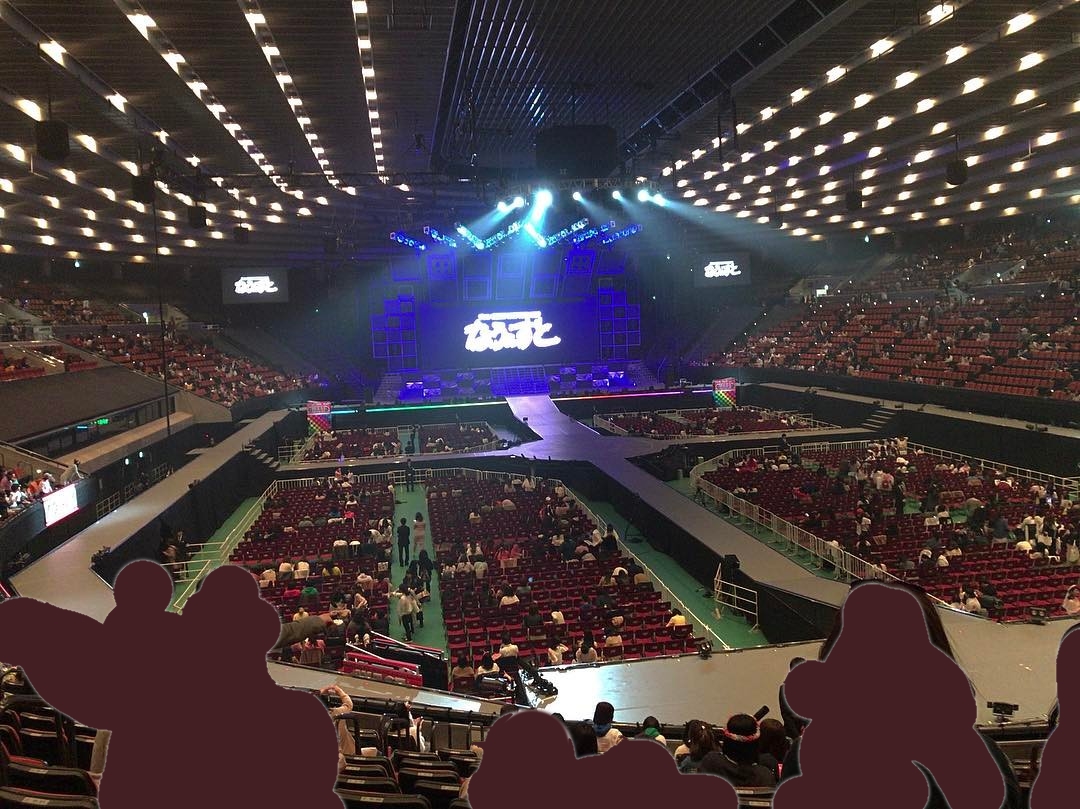
Securing a ticket through the STARTO ENTERTAINMENT live tour fan club lottery is an adrenaline rush, even when the digital slip reads tachimi (standing room). For decades, Johnny's fandom veterans have treated Osaka-jo Hall standing tickets with a blend of reverence and tactical dread. The venue, affectionately known as Jo-Hall, offers intimate arena acoustics, but its standing spaces demand rigorous physical preparation, split-second positioning, and an intimate understanding of entry logistics.
Standing room does not mean being crammed into an open general admission pit on the arena floor. Instead, ticket holders occupy a narrow, concrete concourse perched directly behind the highest row of the venue's permanent bowl seating. Navigating this elevated rim requires strict adherence to venue protocol, sharp binocular optics, and an unwavering plan for four hours on your feet.
📌 Key Takeaways:
- The Space: Osaka-jo Hall standing tickets place you behind Row 22 of the Stand blocks, resting directly against safety railings at the venue's perimeter.
- Entry Dynamics: Admission operates strictly on entry line call numbers (seiribangou), meaning your physical spot at the railing depends entirely on your assigned queue number.
- Essential Gear: 10x to 12x vibration-canceling binoculars, shock-absorbing platform sneakers, and off-site coin locker usage form the backbone of a successful show day.
How Standing Tickets Work at Osaka-jo Hall
Osaka-jo Hall holds roughly 16,000 spectators at maximum capacity, though standard Johnny's concert seating charts drop that number closer to 12,000 to accommodate elaborate main stages, center catwalks, and back stages. When management opens up additional capacity, they turn to fan club lottery standing room allocations and late-stage production release tickets (seisakukaihou-seki).
Every standing ticket corresponds to a designated concourse section circling the upper perimeter. The venue divides its elevated bowl into alphabetical sectors, running from Stand Block A through Block N. Stand blocks A through G typically face the eastern hemisphere, while H through N curve toward the west. Rather than giving you an unassigned free-for-all across the entire arena, your ticket ties you to a specific sector behind the last tier of fixed seats, usually Row 22.
Concrete floors make up this concourse. There are no risers, no padded seats to rest on between songs, and zero designated storage cubbies. Tape markings on the flooring dictate precisely where you can place your feet. Step beyond those markers into the main transit corridor, and event staff will immediately direct you back. Securing a clean line of sight requires claiming the front perimeter of your assigned tape box the second your group clears the turnstile.
Deciphering Entry Call Numbers and Concourse Access
Entering the venue is not a sprint from the gate; it is a synchronized administrative procedure. Your digital ticket displays a Stand Block letter alongside an entry line call number (seiribangou). These numbers start at 1 and stretch into the hundreds depending on how many tickets management released for that specific performance.
Around 45 to 60 minutes before scheduled door-opening times, staff set up gathering pens outside the hall, frequently near the fountain plaza or along the riverside walkways near Osakajokoen Station. Loudspeakers and staff megaphones announce ranges: numbers 1 through 20, followed by 21 through 40. Arriving late forfeits your priority. If ticket number 14 shows up while number 85 enters the gate, ticket 14 goes to the back of the active processing group.
Once your block enters the building, you walk under escort to the assigned concourse zone. Because the railing marks the boundary between the standing concourse and the seated stands below, early call numbers guarantee a spot directly against the barrier. Late call numbers place you in the secondary rank, standing directly behind another fan's shoulders, where visibility drops substantially.
Sightlines, Railing Obstructions, and Stage Views
The Osaka Castle Hall tachimi view produces wildly different experiences depending on your exact sector assignment. Blocks C, D, J, and K run along the arena's long side flanks, offering clear views of center stages and traveling trolley carts (torokko). Blocks G and H directly face the main stage from the far end, presenting a straight, unobstructed perspective of full-group choreographies, albeit at the maximum possible distance from the performers.
The structural reality of Jo-Hall introduces two significant sightline hurdles: safety handrails and the audience in Row 22.
| Ticket Category | Viewing Location | Primary Sightline Barrier | Optics Required |
|---|---|---|---|
| Arena Floor | Ground level, movable chairs | Audience height, stage machinery | None to 8x compact |
| Stand Row 1, 10 | Lower tiered bowl seating | Clear clearance over arena floor | 8x standard binoculars |
| Stand Row 11, 22 | Upper tiered bowl seating | Minimal; elevated perspective | 8x, 10x binoculars |
| Standing (Tachimi) Rank 1 | Concourse rail, behind Row 22 | Metal handrail, seated fan penlights | 10x, 12x image-stabilized |
| Standing (Tachimi) Rank 2 | One step back from concourse rail | Heads of Rank 1, handrails, distance | 12x image-stabilized |
Metal bars run horizontal at chest and waist height along the back of Row 22. If you secure Rank 1, this railing serves as an armrest and stabilizer for binocular work. If the fan directly ahead of you in Row 22 raises an official image fan (uchiwa) above chest level, your direct window to the center stage shrinks. Securing Rank 2 exacerbates this issue. Without the rail to lean against, you must scan between the heads of the fans in front of you while tracking performers through a glass or rail gap.

Optics Selection and Gear Strategy
Relying on naked eye vision from the standing concourse means watching silhouettes and tracking LED monitor feeds. To register facial expressions during solos or quiet MC segments, your concert binoculars recommendation comes down to one technical feature: optical image stabilization (防振, boushin).
Standard 8x21 compact binoculars work reasonably well from lower stand seats, but from the standing concourse, the throw distance to the main stage reaches 70 to 90 meters. At 10x or 12x magnification, minor hand tremors turn the image into an unreadable blur, especially when your arms tire after two hours of holding the unit up. Stabilized glass from Canon (such as the 10x30 IS or 12x36 IS series) or Kenko's VC Smart line eliminates shake entirely with the press of an internal gyro button.
If purchasing high-end optics for a single weekend makes little financial sense, domestic rental services near Osaka Station and Shinsaibashi rent high-grade binoculars for 3,000 to 5,000 yen per weekend. Secure these reservations weeks ahead of major tour dates; local inventory dries up the moment lottery results go live.
Pack minimal peripheral gear. You will hold your penlight in one hand, your optics in the other, and your ticket lanyard around your neck. A small, water-resistant crossbody bag works best. Anything larger than a compact tote will crowd your feet or get trampled by passing staff.
Physical Preparation: Beating Concourse Fatigue
The biggest threat to enjoying a Johnny's standing ticket is physical exhaustion. From the moment you assemble outside for call number sorting until the final encore bows, you will remain vertical on unyielding concrete for roughly three and a half to four hours. Traditional concert seating allows periodic rests during pre-show waiting, video interludes, and the extended mid-concert MC talk. In the standing area, sitting down on the concourse floor is prohibited by venue safety regulations.
Proper footwear preparation separates seasoned attendees from miserable ones. Flat canvas sneakers or high-heeled fashion boots cause severe plantar fasciitis and lower-back pain within ninety minutes on Jo-Hall's stone-hard surfaces. Choose running shoes or lifestyle sneakers equipped with thick EVA or polyurethane foam midsoles. Hoka, New Balance, or cushioned Asics models absorb the relentless downward pressure. Inserting aftermarket shock-absorbing gel insoles adds a valuable layer of protection.
Compression socks running up to the knee drastically cut down fluid pooling and lower-leg swelling during long periods of stationary standing. Pair this with a lightweight hydration strategy: bring a single 500ml sports drink containing electrolytes. Osaka-jo Hall concourses get warm once thousands of penlights turn on, but drinking excessive amounts of water will force you to forfeit your standing spot for a restroom run mid-set.
Locker Logistics and Osaka-jo Hall Infrastructure
Space in the standing zone is precious. If you bring rolling luggage, shopping bags full of tour merchandise, or winter coats into the concourse, you destroy your own foot space and invite reprimands from floor wardens. Stashing extra luggage is non-negotiable.
Osaka-jo Hall coin lockers sit near the venue's exterior concourse, priced between 300 and 600 yen depending on size. These lockers fill to capacity two hours before afternoon curtain calls. Counting on an open Jo-Hall locker right before call numbers begin is a rookie mistake that risks missing your queue entry entirely.
Instead, drop heavy gear at transit hubs before reaching the venue grounds. Key storage alternatives include:
- JR Osakajokoen Station: High foot-traffic lockers directly on the platform and exit concourse. They fill quickly on double-show days, but morning turnarounds offer openings.
- Morinomiya Station: Situated at the south end of Osaka Castle Park. The station features multiple banks of coin lockers that see far less competition from concert crowds.
- Kyobashi Station: Located one stop north on the JR Osaka Loop Line. Kyobashi offers hundreds of lockers across JR and Keihan lines, making it an ideal staging point for pre-show bag drops and post-show dinners.
Frequently Asked Questions (FAQ)
Can I bring a folding stool or portable cushion to sit on during the show?
No. Venue safety guidelines explicitly forbid folding chairs, camping stools, or stepladders inside Osaka-jo Hall. Sitting down directly on the concrete floor behind Row 22 is also forbidden by ushers because it obstructs the mandatory evacuation route along the concourse.
If I need to use the restroom during the concert, will I lose my spot?
Yes, unless you coordinate with fellow attendees. If you came with a companion, they can maintain your space along the railing. If you are attending solo, you forfeit your physical position once you step away. Rank 1 spots will immediately be filled by people standing in Rank 2. Friendly communication with fans standing beside you before the overture plays can help protect your spot for a quick emergency run.
Are binoculars strictly necessary if my standing block is on the side?
Yes. While side blocks like C, D, J, or K bring you physically closer to the traveling carts than back blocks do, the main stage remains across an expansive arena floor. Without at least 8x magnification, distinguishing individual group members during dynamic staging and darkened lighting shifts is extremely difficult.
Executing Your Show Day Strategy
Standing tickets at Osaka-jo Hall test your endurance, but they also grant entry to some of the most competitive live shows in Japanese entertainment. The elevated vantage point gives you an unobstructed panoramic view of the entire ocean of penlights, a breathtaking visual that floor seats rarely provide.
Lock in your travel logistics early. Clear your hands of heavy luggage by utilizing transit lockers in Kyobashi or Morinomiya, secure verified 10x or 12x optics ahead of the tour stop, and prioritize functional, cushioned footwear over stadium fashion. When your call number echoes across the castle plaza, you will step onto the concourse ready to claim your spot at the rail and enjoy every minute of the performance.
