The Ultimate Riko Akasaka Guide: Fighting Style, Story Arc, and Casting Secrets Explained
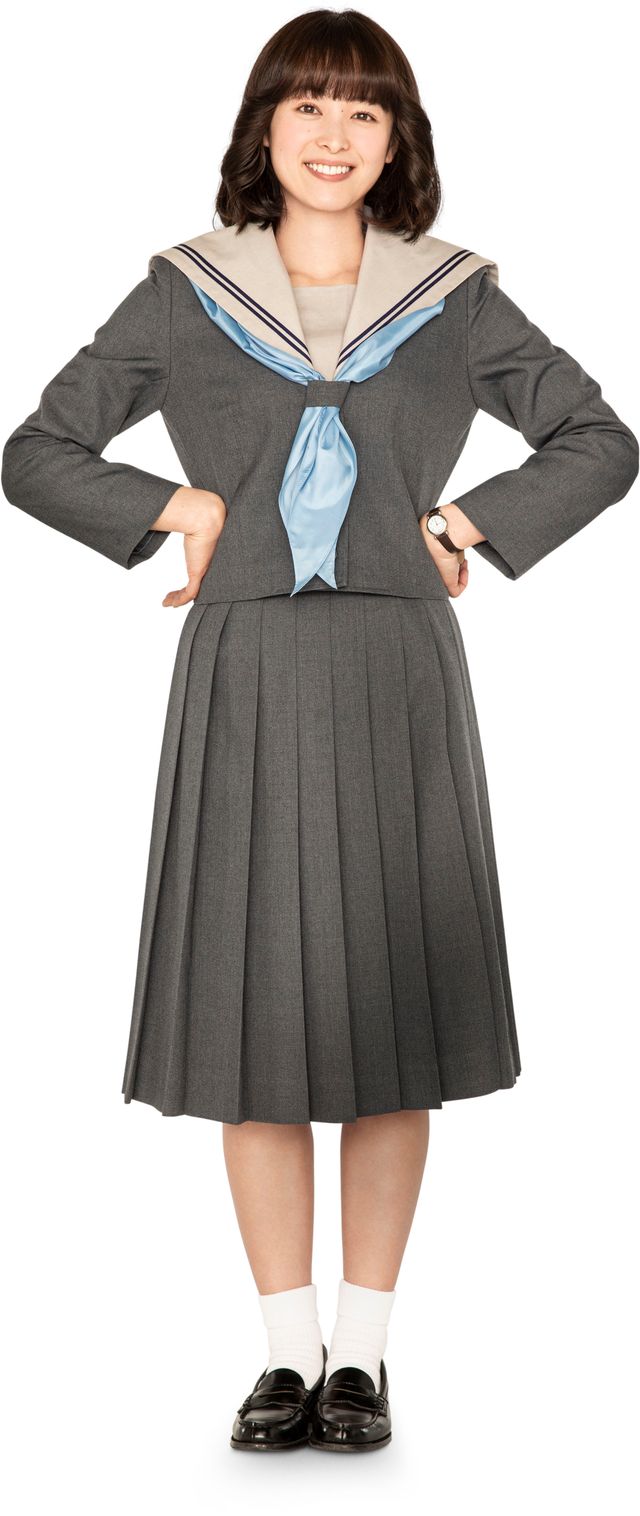
Hiroyuki Nishimori created an atypical romantic lead when he introduced Riko Akasaka in his legendary manga Kyō Kara Ore Wa!!. Most late-1980s shonen narratives relegated female leads to cheerleaders on the sidelines or damsels cornered by pompadour-wearing thugs. Riko inverted that setup immediately. Armed with authentic family aikido, an unshakable moral core, and a trademark feathered haircut, she systematically disarmed rowdy high school ruffians across Chiba Prefecture. Decades later, her character experienced a massive cultural resurgence thanks to Yuichi Fukuda’s 2018 television series and the blockbuster theatrical run documented in coverage like the QooApp Report during the live-action film campaign.
Her appeal lies in how comfortably she navigates chaos. Riko does not pick street fights, yet she never cowers when violent turf wars spill into her classroom. Paired against Takashi Mitsuhashi, the sneaky, blonde delinquent who fights dirty to preserve his pride, Riko serves as both an equal combatant and his emotional conscience.
📌 Key Takeaways:
- The Lineage: Riko Akasaka is the single daughter and lead martial artist of the Akasaka Dojo, wielding defensive Aikido against armed delinquents.
- The Portrayal: Actress Nana Seino performed her own rigorous, un-doubled wire stunts and martial arts choreography, turning the live-action iteration into an authentic action spectacle.
- The Relationship: Riko’s dynamic with antihero Takashi Mitsuhashi rejects standard melodrama, leaning instead on dry mutual respect, comedic banter, and unspoken loyalty.
The Dojo Heiress Who Redefined 1980s Shonen Heroines
When Nishimori launched Kyō Kara Ore Wa!! in 1988 in Weekly Shōnen Sunday, the Japanese yankee boom was reaching its apex. Male delinquents brandished wooden swords, modified school uniforms into ankle-length coats, and styled their hair into aggressive pompadours. Most female counterparts in the subgenre fell squarely into the sukeban archetype, chain-smoking, sailor-suit-wearing gang leaders, or docile love interests.
Riko Akasaka fit neither mold. She attended Nanyou High School wearing standard uniform styling, framed by the popular feathered blow-out made famous by pop idol Seiko Matsuda. She looked like an ordinary girl next door.
That visual normalcy worked as an intentional disguise. As the daughter of master Tetsuo Akasaka, head of the local Akasaka Dojo, Riko spent her childhood absorbing classical grappling and redirection mechanics. She was not a delinquent seeking street reputation. When provoked, however, she dismantled male brawlers twice her weight without raising her voice. Readers discovered a female character who operated with total tactical autonomy, completely unaffected by teenage posturing.
Akasaka Dojo Aikido and the Subversion of Sukeban Tropes
Riko’s fighting style stands apart from the bare-knuckle slugfests that define classic delinquent series. Mitsuhashi relies on eye pokes, hidden weapons, and blinding sprints. Shinji Ito uses sheer durability and boxing punches. Riko employs circular movement, joint manipulations, and momentum redirection typical of traditional Aikido and jujutsu.
Her signature sequence across both manga panels and television frames involves stepping directly into an attacker's blind spot. An overextended right hook from an antagonist rarely makes contact; Riko traps the wrist, pivots her hips, and hurls the aggressor into desks or concrete alleys using his own weight.
Against armed members of rival syndicates like Akehisa High, her mechanics stay grounded. She avoids cinematic high-flying roundhouses in favor of foot sweeps, wrist locks (kote-gaeshi), and sharp elbow deflections. This tactical groundedness matters. Nishimori wrote her victories as technical conclusions rather than miraculous plot armor. She wins street skirmishes because she trains every morning on tatami mats, not because an opponent underestimates her gender.
Evolution from Page to Screen: Manga, Anime, and Film
The translation of Riko Akasaka from printed black-and-white ink into mainstream cinema required adjustments to tone, physical choreography, and comic timing across three separate decades.
| Adaptation Era | Format & Cast | Action & Character Emphasis |
|---|---|---|
| 1988, 1997 Original Manga | 38 Tankōbon Volumes (Hiroyuki Nishimori) | Grounded Aikido, dry deadpan humor, sharp protective instincts for classmates. |
| 1993, 1996 OVA Series | 10 Anime Episodes (Voiced by Chieko Honda) | Classic 90s cel animation, stylized throws, slightly softer romantic tone. |
| 2018 NTV Drama Series | 10 Episodes (Portrayed by Nana Seino) | Extensive un-doubled physical stuntwork, heightened physical comedy, period-accurate styling. |
| 2020 Feature Film | Theatrical Release (Grossed over ¥5.3B) | Large-scale group battle choreography, central dramatic presence facing Hokunei High rivals. |
When director Yuichi Fukuda revived the property for Nippon TV in 2018, purists worried that the absurd, fast-paced slapstick would dilute Riko's legitimate combat capability. The finished production eliminated those fears. The series balanced theatrical gags with disciplined physical stunt execution that honored the original drawings.

Nana Seino's Physicality and Fukuda's Comic Direction
Casting Riko was the trickiest challenge of the 2018 live-action project. The production required an actor who could deliver rapid-fire comedic reactions alongside Kento Kaku's eccentric Mitsuhashi, while executing intricate action set pieces without relying heavily on body doubles.
Nana Seino was uniquely prepared. Trained under action coordinator Keiya Taguchi and experienced in high-intensity stunt performance, Seino brought genuine kinesthetic precision to the role. Rather than hiding combat sequences behind quick-cut editing or heavy shadows, the production shot Seino in wide and mid-range frames. Viewers saw her ducking wild lead pipes, slipping through punches, and tossing grown men directly onto padded floors.
Her physical dedication translated directly into audience reception. Seino kept Riko grounded amid Fukuda's trademark improvisational theater style. While Kaku twisted his face into exaggerated expressions and co-star Kentaro Ito flailed in spiked wigs, Seino anchored scenes with crisp timing, dry skepticism, and kinetic speed.
The Unspoken Bond: Takashi Mitsuhashi and Riko's Dynamic
The central romantic tension of Kyō Kara Ore Wa!! works precisely because it refuses sentimental romance clichés. Mitsuhashi is arrogant, self-centered, and pathologically allergic to admitting vulnerability. Riko sees right through his bravado within minutes of meeting him.
Instead of playing the demure maiden waiting for rescue, Riko interacts with Mitsuhashi like an exasperated older sibling mixed with a trusted combat partner. When Mitsuhashi concocts cowardly schemes to win fights without getting hit, Riko observes him with steady amusement rather than disgust. She understands his core code: beneath his selfish exterior, Mitsuhashi never lets his friends take the fall.
Mitsuhashi's code of behavior shifts subtly around Riko. He will claim he does not care about her safety, only to turn ruthlessly aggressive the second an enemy thug lays a hand on her. For her part, Riko defends Mitsuhashi’s honor without stroking his ego. This unspoken mutual respect gives their relationship enduring charm. There are no tearful confessions or artificial melodrama. Their bond is forged across shared street fights, walk-and-talk school commutes, and mutual exasperation.
Nanyou High Turf Wars and Riko as the True Moral Anchor
The fictional landscape of Chiba in the story is dangerous. Rival schools like Akehisa, Kaiou, and Hokunei regularly send dozens of armed teenagers roaming the alleys, targeting students from Nanyou High. In this hostile territory, Mitsuhashi and Ito act as physical battering rams. Riko acts as the moral compass.
Delinquency in Nishimori's world is fundamentally about pride, territory, and fragile ego. Riko stands entirely outside that cycle. She does not care about school hierarchies, street dominance, or intimidation. When she steps between rival factions, she does so to stop unprovoked cruelty or protect defenseless underclassmen.
Her presence keeps the narrative from collapsing into pure violence. In the 2020 feature film adaptation, when the vicious Hokunei High gang invades the local area with metal batons and knives, Riko's strategic composure anchors the younger students while Mitsuhashi plots his counterattack. She refuses to allow herself or her peers to be treated as pawns in gang politics, reminding everyone around her that dignity does not require cruelty.
Frequently Asked Questions (FAQ)
Q1: Why does Riko Akasaka transfer to Nanyou High School?
In the manga, Riko transfers to Nanyou High to stay close to Takashi Mitsuhashi and Shinji Ito after encountering them during a street confrontation. Recognizing their strength and eccentric personalities, she inserts herself into their orbit, frequently acting as a calming buffer against neighboring school gangs.
Q2: Did Nana Seino use stunt doubles during the live-action fights?
Nana Seino executed almost all of her own martial arts choreography throughout the television drama and the 2020 film. Thanks to extensive pre-existing action and stunt training, she performed practical aikido joint-locks, wirework, and throws without relying on standard stunt replacement.
Q3: Does Riko Akasaka ever formally confess her feelings to Mitsuhashi?
Their relationship never concludes with a standard romantic confession. Instead, Hiroyuki Nishimori maintains their signature dynamic throughout the story: an unspoken, unbreakable mutual understanding punctuated by teasing banter, mutual defense in battle, and daily walks home together.
The Lasting Cultural Footprint of Hiroyuki Nishimori's Fighter
Riko Akasaka remains one of the sharpest examples of female action design in mainstream Japanese comedy. Decades after her illustrated debut, she avoids the traps that date many 1980s retro characters. She is never sexualized for cheap visual humor, nor is she flattened into a stoic warrior devoid of personality. She is funny, observant, technically lethal on a tatami mat, and entirely self-possessed.
The enduring popularity of the live-action franchise proves that audiences respond to heroines who carry their own weight in physical narratives. Nana Seino’s portrayal reminded a modern generation that Riko was never simply the delinquent hero's girlfriend. She was always the fighter standing shoulder to shoulder with him on the front lines.
