The Ultimate Sakuma Drops Handbook: 4 Painless Ways to Open and Preserve Your Candy

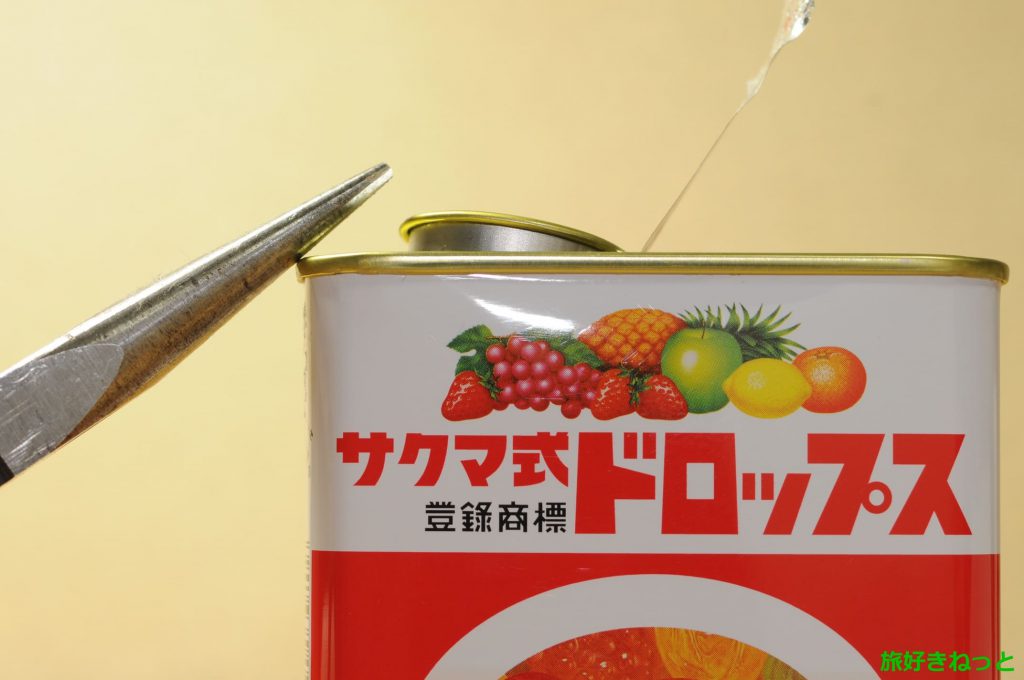
Few treats evoke instant nostalgia quite like the red retro Japanese candy can filled with hard fruit candies. Made famous globally through Studio Ghibli’s 1988 masterpiece Grave of the Fireflies, Sakumashiki Drops and Sakuma Drops have occupied grocery shelves and souvenir displays for generations. Yet, nearly every person who picks up a fresh can encounters the same maddening physical barrier: an airtight, flush-set metal lid seal removal process that seems designed to break fingernails and dent tin plate.
Opening these cans should not require heavy shop tools or risk ruining a collectible container. The tin lid fits tightly into the top lip by design, locking out humidity to keep the sugar drops from turning into a sticky, congealed block. Fortunately, understanding the basic physics behind that airtight seal release makes popping the top painless. With four common household items, you can crack the seal in seconds while keeping the tin pristine.
📌 Quick Summary:
- The Real Culprit: A friction-fit tin seal creates negative vacuum resistance alongside metal-on-metal friction, frustrating fingers and destroying fingernails.
- The Best Workaround: A flat coin or rigid spoon handle acts as a zero-clearance class-one lever, safely popping the lid in under two seconds.
- Collector Caution: Avoid sharp knives or brute-force pulling, which deform the soft tinplate lip and permanently break the can's moisture seal.
Why the Sakuma Drops Tin Lid Refuses to Budge
Sakuma Confectionery built its reputation on shelf stability. Hard candies rely on a precise balance of sucrose, glucose syrup, and fruit juice concentrates. The moment ambient humidity enters the container, the candies pull water molecules from the air, dissolving surface sugars and fusing into an immovable lump. To prevent this, the factory presses a stamped metal cap into a sunken circular rim with microscopic tolerances.
This creates a friction lock. When the can experiences temperature shifts during transit or long storage, the internal air contracts slightly, establishing subtle negative pressure. When you pull straight up with your fingertips, you fight against both metal-on-metal friction and this internal vacuum. Your fingers slip off the rounded lip, transferring force back onto your cuticles. To defeat this seal, you must introduce lateral leverage rather than upward vertical muscle.
Four Foolproof Hacks to Pop the Metal Lid Seal
You do not need specialized workshop gear to bypass this industrial seal. Four everyday household tools provide the exact leverage required to pop the lid without leaving unsightly scratches or structural bends.
The coin pry technique remains the gold standard across Japan. A Japanese 10-yen coin works best due to its thick, smooth edge, but a US nickel, quarter, or UK 20-pence piece works just as well. Slide the coin edge flat against the top ridge, slipping the rim of the coin directly underneath the lip of the lid. Gently twist your wrist downward so the coin acts as a lever against the tin rim. You will hear a sharp hiss as the seal breaks, allowing the lid to lift out freely.
The spoon handle trick is the safest alternative when coins are out of reach. Take a standard stainless steel teaspoon and turn it upside down. Slide the thin, flat tip of the handle into the tiny recess beneath the lid lip. Push the bowl of the spoon downward against the upper edge of the can. The flat handle distributes force evenly across a wider surface area than a coin, virtually eliminating the risk of scratching the paint.
The rubber grip twist solves cans stuck due to sugar glaze. Occasionally, powdered candy dust works into the lid seams during shipment, effectively gluing the cap shut. Place a thick rubber band around the raised center of the lid, or drape a silicone jar opener over it. Instead of prying, twist the lid back and forth horizontally. The rotational force fractures micro-crystallized sugar bonds without applying dent-inducing vertical stress.
The gentle thermal expansion method rescues vintage or heavily stuck cans. Dip the base of a clean towel in warm water, around 120°F to 130°F (49°C to 54°C), and wring it dry. Press the warm, damp cloth against the outside upper rim of the can for roughly 15 seconds. The outer collar expands slightly faster than the inner lid. Combine this brief warming with the coin pry method to slide out the most stubborn lids effortlessly.
Household Methods for Opening Stubborn Candy Tins Compared
| Opening Technique | Primary Tool | Risk of Can Damage | Speed to Open |
|---|---|---|---|
| Coin Pry Technique | Thick coin (Quarter, 10-yen, 50-euro cent) | Low (if applied with smooth rotation) | 1, 2 seconds |
| Spoon Handle Trick | Flat stainless steel teaspoon handle | Very Low (widest pressure dispersion) | 2, 3 seconds |
| Rubber Friction Grip | Wide rubber band or silicone sheet | None (zero metal-on-metal contact) | 5, 10 seconds |
| Direct Finger Pull | Fingernails / Bare hands | High risk to personal nails; zero can damage | Unreliable / Fails often |
| Paring Knife Edge (Dangerous) | Kitchen knife / Utility blade | Extreme (scratches lithograph, bends rim) | Not Recommended |
How to Preserve the Tin and Prevent Stuck Candies
Opening the container is only half the battle. Once exposed to air, the clock starts ticking on candy degradation. If you live in an environment with ambient relative humidity above 55%, your drops will begin clouding and sticking together within 7 to 10 days.
Candy tin preservation requires careful handling of both the sweets and the steel body. When closing the lid, press down firmly with your thumb on the center of the cap until you feel it seat fully into the groove. Never tap it shut with a heavy object; doing so warps the circular profile into an oval, permanently ruining the airtight seal.
If you plan to keep the can as a decorative collectible or store candies over months, drop a food-grade 1-gram silica gel packet into the tin right beneath the lid. It absorbs whatever moisture enters when you open the can to grab a candy. Keep the can away from direct sunlight, which heats the tin and accelerates sugar melting along the inner metal walls.
The Cultural Legacy and Divergent Histories of Sakuma Candy
The intense affection for these cans stems from a uniquely rich history. Soichiro Sakuma founded the candy line in 1908, introducing Japan to high-clarity drop candies that rivaled imported British confections. Following devastation in World War II, the company split into two separate entities, creating a consumer trivia point that puzzles shoppers to this day.
One business, Sakuma Seika (known for the green can with diamond lettering), manufactured green-tinned "Sakuma Drops." The other, Sakumashiki Drops, produced the iconic red tin carrying the katakana typography seen in Isao Takahata’s animated film. In November 2022, Sakuma Seika announced its liquidation due to soaring raw material costs and shifting consumer tastes, officially closing operations in January 2023.
This shutdown triggered widespread panic buying, with tins briefly trading on secondary platforms like Mercari for 500% to 800% of retail value. However, Sakumashiki Drops continued production through its independent firm, keeping the legendary red tin alive. These distinct production histories turned the physical tinplate containers into nostalgic historical artifacts, making their physical preservation all the more vital for pop culture archivists and candy enthusiasts alike.
Frequently Asked Questions (FAQ)
Q1: Will prying the lid open with a coin scratch the vintage paint?
A1: Not if you insert the edge correctly beneath the lip. Avoid sliding the coin across the printed lithograph surface. Place the coin edge squarely into the recess and rotate upward; the metal-on-metal contact stays hidden inside the recessed lip where scratches cannot show.
Q2: Why are the drops stuck together inside an unopened can?
A2: Unopened cans stored above 77°F (25°C) or subjected to rapid temperature changes can experience thermal sweating. The sugar softens, drips, and resolidifies into a single mass. If this occurs, tapping the bottom of the tin against a firm, padded surface like a wooden cutting board will usually dislodge the pieces without denting the metal.
Q3: Can I wash the empty tin with water to store small keepsakes?
A3: Yes, but dry it immediately. The body is made from tinplated sheet steel, which rusts quickly along internal seams and the exposed raw edges of the rim. Rinse with warm soapy water, towel-dry the exterior, and place it upside down in a warm, dry area or dry with a hairdryer set on low heat.
Keep the Heritage Intact
A tin of Sakuma Drops is far more than a simple container of sugar. It serves as an enduring bridge to 20th-century Japanese design, cinematic storytelling, and industrial packaging tradition. By trading brute-force pulling for basic physics, you protect the mechanical seal and prevent cosmetic damage to the historic tinplate body.
Keep a clean coin or an everyday teaspoon close by whenever you bring home a fresh red tin. Pop the seal with a smooth twist of the wrist, store the contents away from humid air, and enjoy an iconic confectionery ritual precisely as it was designed over a century ago.
