Think Your Kid's Hair Is Too Short for Elsa? The Genius Hack That Proves Everyone Wrong

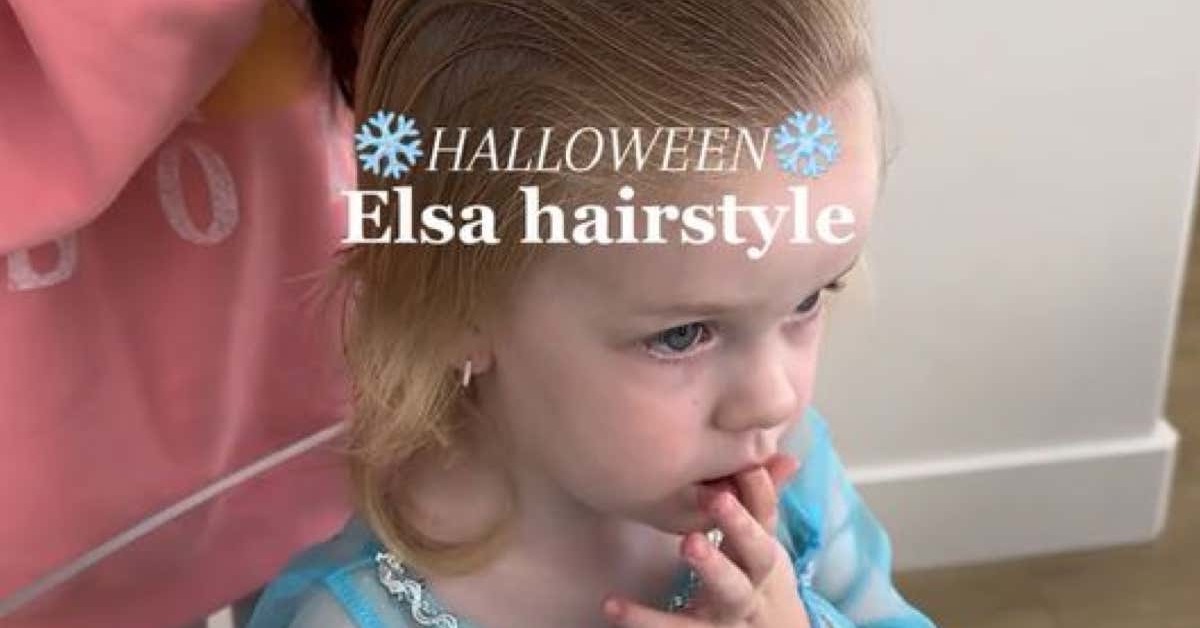
Every morning across millions of households, parents confront the exact same tearful standoff. A three-year-old in an ice-blue dress demands Elsa’s iconic, cascading side braid, but her hair barely grazes the base of her neck. Standard three-strand French braids slip out within three minutes. Bobby pins pose safety hazards for active preschoolers, and heavy synthetic clip-ins slide right off fine baby hair.
The friction between cinematic fantasy and pediatric hair physics has driven parents crazy since 2013. Yet an ingenious adjustment borrowed from professional bridal salons has completely upended morning routines: the clear elastic pull-through braid. By anchoring hair in self-supporting loops rather than continuous woven tension, parents can now build a thick, sweeping Disney princess plait on hair as short as three inches.
📌 Quick Summary:
- The Core Technique: The pull-through braid mimics a voluminous French braid by stacking tiny ponytails rather than weaving loose strands, preventing short layers from sliding free.
- The Structural Physics: Micro-polyband elastics transfer holding tension directly to secure hair bases, eliminating the need for bobby pins or stiff chemical hairsprays.
- The Time & Pain Factor: Styling takes roughly four to six minutes, causes zero scalp pulling, and unravels instantly at night using an elastic cutter.
The Preschool Morning Struggle Against Gravity and Bob Cuts
Toddler hair behaves very differently from adult hair. Pediatric follicles produce fine, silky strands with a narrow diameter and an exceptionally smooth cuticle. When cut into a practical chin-length bob or pixie cut to manage playground tangles, the hair lacks both the weight and the surface friction needed to sustain traditional weaving.
Try putting a French braid on a squirming four-year-old with a blunt bob. Within ten steps, the tiny layers along the nape of the neck pop out like bristles on an old broom. Tightening the weave only brings complaints of scalp pain. Loosening it invites immediate collapse.
According to child development specialists and pediatric stylists, morning grooming battles trigger disproportionate emotional distress because young children view their wardrobe and hairstyle as core forms of self-expression. When a promised "Elsa transformation" unravels before daycare drop-off, the disappointment feels catastrophic to the child. Parents needed a reliable mechanical solution that bypassed the limitations of short, slippery strands altogether.
The Mechanics of the Clear Elastic Pull-Through Braid
The viral clear elastic band method solves the short-hair dilemma by abandoning the three-strand weave. Instead of relying on friction between strands, it uses a modular chain of interlocking mini-ponytails. Because each segment is physically tied off, no individual hair can slip out of the overall structure.
To execute the kids faux French braid, begin by gathering a small triangular section of hair right at the crown, just off-center toward the child's preferred side. Secure it loosely with a miniature clear TPU elastic band. Directly beneath that first section, gather a second horizontal row of hair and secure it into a matching ponytail. You now have two stacked tails.
The movement that follows creates the illusion of a thick braid:
Split the top ponytail into two equal halves. Pull the bottom ponytail up through the middle of those two halves, pinning it temporarily out of the way with your thumb. Gather a fresh horizontal slice of loose hair from the sides, combine it with the two split halves of the top tail, and secure them together with another clear elastic. Repeat this leapfrog sequence down the side of the head toward the shoulder.
Because each step creates a standalone anchor, hair length ceases to matter. A strand only needs to be long enough to reach the next elastic, roughly two inches. When you reach the nape of the neck, continue the leapfrog motion down the remaining tail using only the two alternating hair sections until you reach the ends.
Comparing Short-Hair Styling Techniques for Toddlers
Parents attempting toddler Frozen hairstyles often cycle through various internet tutorials before finding an approach that works on short lengths. The table below outlines how common methods compare across hold duration, setup time, and suitability for active play.
| Technique | Active Hold Duration | Minimum Hair Length | Scalp Tension & Tear Risk |
|---|---|---|---|
| Standard 3-Strand Braid | 15, 45 minutes (slips rapidly) | Past shoulder blades (8, 10 in) | Low tension, minimal discomfort |
| Traditional French / Dutch | 2, 4 hours (ends fall out) | Collarbone length (6, 8 in) | High tension, frequent pulling |
| Clear Elastic Pull-Through | 10, 14 hours (all-day hold) | Chin-length bob (2.5, 3 in) | Zero pulling; relaxed bands |
| Synthetic Clip-In Extensions | 1, 3 hours (slides on baby hair) | Shoulder length (to hide clips) | Moderate pinch from steel teeth |
Hair Volume Tricks for Fine Toddler Hair
The visual signature of Elsa’s look is not just the braid; it is the sheer, regal volume. The animated queen possesses roughly four times the hair mass of a real human being. Fine toddler strands, by contrast, naturally lie flat against the scalp.
To bridge that gap without using sticky hairsprays or heavy styling waxes, professionals use a technique called "pancaking." Once you have anchored all your pull-through elastics, gently pinch the outer curves of each loop with your thumb and forefinger. Pull outward horizontally with gentle, light tugs. Because the elastic band holds the structural core firmly in place, the outer strands widen into flat, petal-like loops without unraveling the braid.
This quick adjustment triples the visual width of the plait. A skimpy, half-inch tail instantly transforms into a wide, airy braid spanning two inches across. For toddlers with sparse hair along the temples, misting the dry hair beforehand with a child-safe sea salt texturizing spray or tapping a tiny dusting of tapioca-starch styling powder into the roots provides enough mechanical grip to maintain that loft throughout recess.
The Alternative Route: Elsa's Coronation Updo for Bob Hair
When dealing with asymmetrical crops or hair cut shorter than two inches at the crown, even a pull-through braid can prove tricky. The solution lies in Elsa's alternate on-screen aesthetic: the Coronation Day twist.
Start with a deep side part. Section off the hair along the front hairline from ear to ear. Instead of braiding, twist this front section backward along the temple, adding small bits of hair as you move toward the crown. Secure the twist behind the ear with a tiny band. Repeat on the opposite side.
Gather the remaining hair at the back into two tiny low pigtails right against the nape. Roll these mini-tails upward into small rosettes and pin them flat with plastic toddler-safe bobby pins. This tidy updo keeps hair out of faces during preschool lunches while mirroring the dignified styling of the Arendelle coronation ceremony.
To complete the effect, thread Frozen-themed hair accessories, like miniature snowflake pins or teal silk ribbons, directly into the base of the twists. The bright accessories hide loose flyaways and conceal the elastic joints beneath.
Disney Parks Preparation: Keeping the Look Intact for 12 Hours
Styling short hair for a living room dress-up session is one thing; keeping it intact during a ten-hour family trip to a theme park under hot, humid conditions is another challenge entirely. High humidity swells fine hair cuticles, turning crisp braids into frizzy halos.
For park days, combine the pull-through method with lightweight clip-in braided hairpieces for kids. Instead of clipping heavy adult extensions directly to sensitive toddler roots, attach the extension's comb directly into one of the rubber-band loops of the pull-through braid. The elastic band absorbs the weight of the synthetic braid, protecting the child's scalp from strain and preventing the accessory from sliding off during roller coaster rides.
Removal requires equal care. Pulling rubber elastics out of baby-fine hair causes breakage, split ends, and morning-after tears. Parents should never slide elastics down the hair shaft. Keep a $3 plastic pony-pick elastic cutting tool on hand. Hook the dull guard under each rubber band and slice it through. The elastic drops away instantly, leaving the child’s hair completely intact and ready for bedtime.
Frequently Asked Questions (FAQ)
Q1: What is the absolute shortest hair length that can hold an Elsa pull-through braid?
A1: Hair needs to be at least two to three inches long. As long as a section from the crown can reach down far enough to be joined by a second small elastic band, the pull-through technique will hold.
Q2: Do daily rubber-band hairstyles damage delicate toddler hair?
A2: They are safe if applied and removed properly. Never pull elastics tightly against the scalp; leave about a quarter-inch of slack at the root to prevent traction alopecia. Never drag elastics out, always cut them with a specialized children's safety seam ripper or pony-picker.
Q3: How do I stop wispy baby hairs from sticking out along the sides?
A3: Avoid heavy adult gels or alcohol-based hairsprays, which dry out fine hair. Instead, swipe a natural beeswax styling stick or a dab of organic shea butter along the hairline before sectioning. A clean mascara wand spritzed with water easily smooths stray flyaways into the braid.
Mastering the Royal Style Without the Morning Meltdown
Parents do not need professional cosmetology credentials or expensive salon appointments to recreate their children's favorite Disney princess looks. Cinematic hairstyling is fundamentally an engineering challenge, not a length requirement.
By swapping out loose three-strand weaves for the structural security of clear elastics, you turn short, slippery locks into a stable canvas. A blunt bob transforms into a full, sweeping Scandinavian braid in less time than it takes to toast a bagel. Mornings shift from frantic negotiations over tangled locks into a five-minute royal ritual that stays locked in place through playground games and afternoon naps.
