Timeline: Journey from Osaka Station to EXPOCITY Amid Stoppage Emergency
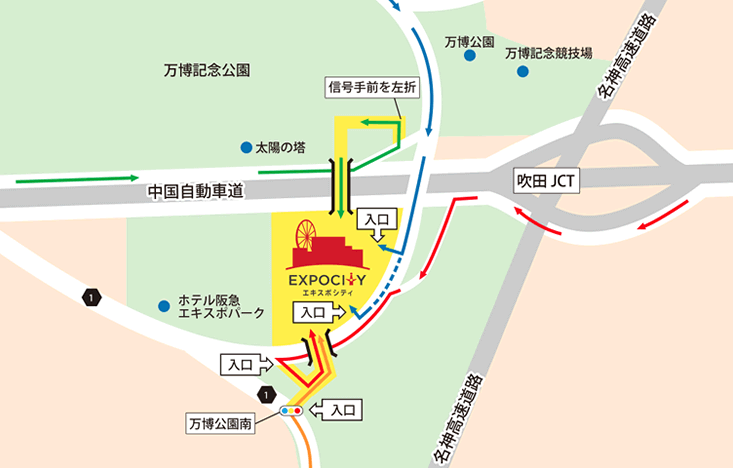
The 40-minute journey north from central Osaka Station toward Suita City usually represents Japanese public transit at its smoothest. Commuters and families move through the underground concourses of Umeda, board the Midosuji Line or JR Kyoto Line, transfer to the elevated tracks of the Osaka Monorail, and arrive directly outside the colossal retail and entertainment footprint of the Suita City EXPOCITY shopping complex. Yet on the evening of November 25, 2025, that predictable commuter pipeline intersected with an unprecedented mechanical emergency. A severe seasonal squall swept across northern Osaka, sending a direct lightning bolt into the towering 123-meter structure originally launched as the Redhorse Osaka Wheel, freezing the nation's tallest Ferris wheel in place and stranding visitors high above Expo 70 Commemorative Park.
As first documented during its grand debut in the 朝日新聞社 Report, the attraction opened in July 2016 as a high-tech centerpiece offering panoramic vistas of the Kansai skyline from base-isolated, transparent cabins. When sudden lightning struck at approximately 5:45 p.m., the wheel's primary power grid and automated backups tripped instantly. What began as a standard evening transit run from downtown Osaka turned into a dramatic waiting game for hundreds of visitors on the ground, while rescue ladders, municipal firefighters, and technical engineers worked through freezing midnight winds to extract passengers suspended across dozens of glass gondolas.
📌 Quick Summary:
- The Incident: A direct lightning strike at 5:45 p.m. halted the 123-meter Osaka Wheel at EXPOCITY, trapping more than ten visitors in midair.
- Rescue Operations: Emergency services worked past midnight; by 12:30 a.m. the following morning, responders were still actively rescuing nine remaining passengers across three separate gondolas.
- Transit Impacts: The incident disrupted regional evening traffic across the Osaka Monorail transfer at Senri-Chuo and prompted safety reroutes for travelers departing Osaka Station.
How the Commute from Osaka Station Connects to EXPOCITY
Navigating from Osaka Station to EXPOCITY requires understanding the transit junction separating downtown Umeda from the northern Senri hills. Most international visitors and locals pick between two dominant rail configurations. The primary path involves boarding the Osaka Metro Midosuji Line (which seamlessly transitions into the Kita-Osaka Kyuko Railway) northbound to Senri-Chuo Station, then switching over to the Osaka Monorail for a brief, two-stop hop to Bampaku-kinen-koen Station. Under standard conditions, total travel time clocks in at roughly 40 to 45 minutes, costing approximately ¥680.
An alternative route favors JR pass holders: taking the JR Kyoto Line rapid service from JR Osaka Station to JR Ibaraki Station, followed by a direct Hankyu or Kintetsu bus running straight to the retail complex. A third option routes travelers through the Hankyu Kyoto Line from Osaka-Umeda to Minami-Ibaraki before boarding the monorail, or through Hankyu Senri Line trains via Hankyu Railway Yamada Station. Because EXPOCITY sits immediately opposite the 1970 World Exposition grounds, its primary gateway, Bampaku-kinen-koen Station, remains a major transit funnel handling tens of thousands of weekend shoppers, museum-goers, and cinema patrons daily.
| Route Selection | Transfer Hubs | Average Travel Time | One-Way Adult Fare |
|---|---|---|---|
| Midosuji / Monorail (Standard) | Umeda → Senri-Chuo → Bampaku-kinen-koen | 40, 45 min | ¥680, ¥710 |
| JR Line & Local Bus | JR Osaka → JR Ibaraki → EXPOCITY Bus Stop | 35, 45 min | ¥460 (Train ¥230 + Bus ¥230) |
| Hankyu Railway / Monorail | Osaka-Umeda → Yamada → Bampaku-kinen-koen | 42, 48 min | ¥510 |
When operations are steady, movement through these stations functions with mechanical precision. But when regional lightning struck the entertainment sector on November 25, transit lines quickly mirrored the tension mounting inside the park.
The Night the Osaka Wheel Froze Above Suita City
At 5:45 p.m., an intense downpour over Suita was punctuated by an immediate crack of thunder. Lightning hit the upper structural framework of the Osaka Wheel. Designed with 72 enclosed passenger cabins that rotate over an 18-minute cycle, the massive wheel experienced a systemic power cutout. Its motor drives locked automatically under standard fail-safe protocols. The fail-safe, however, prevented the emergency diesel backup systems from rotating the wheel back to the platform base.
Inside the glass-bottomed cabins, cabin lights flickered off. Riders found themselves suspended across elevations ranging from 30 to over 100 meters in total darkness, save for distant headlights along the Chugoku Expressway. More than ten passengers were scattered across the wheel's circumference when rotation halted. Ground operators scrambled to engage manual override protocols, but internal circuitry damage prompted an immediate dispatch to the Suita City Fire Department.
By 7:00 p.m., emergency vehicles lined the perimeter of LaLaport EXPOCITY attractions. Spotlights cut through heavy mist as specialized rescue units surveyed the structure. Because the structure towers 123 meters into the air, standard aerial ladder trucks could only reach the lower third of the wheel. Rescuers were forced to deploy high-angle rope teams inside the interior wheel lattice to secure individual cabins, an agonizingly slow process conducted in near-freezing temperatures.
As midnight approached, the Mainichi Shimbun confirmed that emergency services were still working against harsh conditions. By 12:30 a.m. on November 26, approximately seven hours after the strike, three groups totaling nine passengers remained trapped in cabins elevated well beyond ground access reach. Rescuers maintained radio contact, passing thermal blankets, water, and heat packs through cracked safety ventilation ports where accessible, while engineers slowly worked mechanical winches to bring cabins down meter by meter.
Transit Ripples Across Northern Osaka’s Monorail Network
The emergency at EXPOCITY caused immediate ripples across the municipal transport grid. Thousands of evening visitors who had arrived from central Osaka to shop at LaLaport or visit the Nifrel aquazoo poured into Bampaku-kinen-koen Station to escape the worsening storm and the chaos surrounding the wheel's plaza. Monorail platforms swelled with crowds seeking real-time Osaka transit emergency updates.
At Senri-Chuo Station, the primary interchange connecting the monorail to the Midosuji Line, commuter congestion peaked between 6:30 p.m. and 9:00 p.m. Station staff instituted crowd control measures at turnstiles to prevent platform overcrowding. Digital signage at Osaka Station began flashing advisory notices for passengers heading toward Suita, warning of delays and pedestrian gridlock around the Expo park perimeter. Taxis outside JR Ibaraki Station saw queues stretching around the rotary as travelers abandoned rail connections altogether in an attempt to reach trapped family members or detour around the complex.
For travelers caught in transit, the evening highlighted the operational bottlenecks of suburban mega-complexes. While rail redundancy in Kansai is generally high, Bampaku-kinen-koen Station serves as an acute single point of failure when commercial emergencies occur next door. Those familiar with local rail maps quickly diverted south through Hankyu Yamada Station, avoiding the congested monorail core entirely.
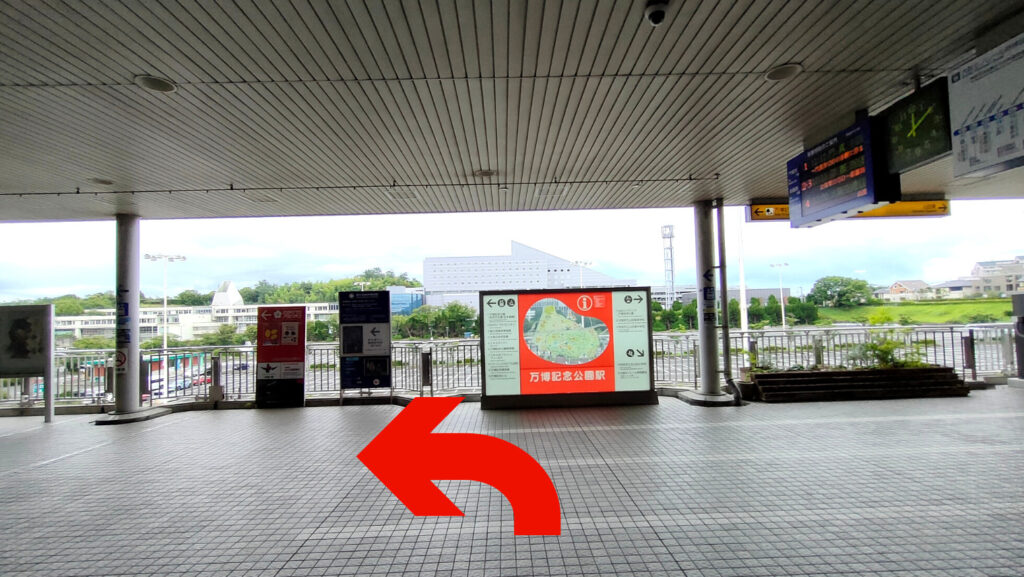
Engineering Fail-Safes and Lightning Mitigation in Japanese Attractions
The incident reopened safety reviews regarding structural lightning protection systems across large Japanese observation wheels. Built to strict seismic and typhoon standards, the Osaka Wheel relies on Faraday cage protection and heavy grounding rods designed to funnel millions of volts harmlessly into earth pits. While the structural steel protected riders inside from electrocution, the high-voltage transient current successfully blew sensitive power-distribution relays and electronic interlocks.
Modern amusement rides are engineered to default to an immobilized state when control circuits report an anomaly. In a roller coaster, brakes clamp down; in an observation wheel, rotation drives disengage to avoid unbalanced runaway loads. Yet this fail-safe design creates an obvious operational paradox during severe weather: the very mechanism that keeps the structure structurally secure leaves human beings trapped in midair during cold, isolated hours.
Subsequent investigations focused on why auxiliary drives failed to manually step the wheel down immediately after the strike. Amusement park operators across the country re-examined secondary generator redundancies, isolation transformers, and mechanical winches designed to decouple frozen drives during an outage. For riders suspended above the dark park, the technical justification provided little comfort against the reality of an overnight rescue.
Navigating the Osaka to Suita Route: Travel Precautions and Alternatives
Travelers planning excursions from Osaka Station to EXPOCITY can avoid bottlenecks by taking note of regional weather and route alternatives. If severe summer storms or winter squalls hit the Kansai plain, alternative transit choices can shave off significant delays.
- Always Monitor Kansai Rail Hub Status: Before descending into the Umeda subway concourses, check digital boards at Osaka Station for status alerts on the Osaka Monorail and Kita-Osaka Kyuko lines.
- Opt for the JR-to-Bus Detour During Peak Gridlock: If Senri-Chuo experiences high platform volume, the JR Kyoto Line to JR Ibaraki Station coupled with the local Hankyu bus provides a direct route that completely bypasses monorail delays.
- Check Weather Advisories for Outdoor Rides: Northern Osaka sits against the Hokusetsu mountain range, making it prone to sudden convective storm cells. When lightning advisories are active, avoid boarding high-elevation outdoor attractions, regardless of whether ticket sales remain open.
Understanding secondary routes like the Hankyu Senri Line to Yamada Station ensures you are not stranded if primary monorail lines freeze during mechanical or weather delays.
Frequently Asked Questions (FAQ)
Q1: What is the fastest way to travel from Osaka Station to EXPOCITY?
The most straightforward route is the Osaka Metro Midosuji Line from Umeda to Senri-Chuo Station, transferring directly to the Osaka Monorail for Bampaku-kinen-koen Station. The total trip takes about 40 to 45 minutes.
Q2: Why did the Osaka Wheel stop during the November 2025 incident?
A direct lightning strike knocked out main commercial power relays and triggered safety interlocks, preventing emergency backup generators from immediately resuming cabin rotation.
Q3: Does the Japan Rail (JR) Pass cover the entire trip to EXPOCITY?
No. The JR Pass covers the train ride from JR Osaka Station to JR Ibaraki Station, but the connecting bus to EXPOCITY (approx. ¥230) or the Osaka Monorail must be paid separately with an IC card (ICOCA, Suica) or cash.
Future Safety and Transit Coordination in Northern Osaka
The dramatic rescue at the Osaka Wheel exposed the friction that occurs when complex transit networks intersect with amusement emergencies. Millions of domestic and international visitors transit from downtown Osaka to Suita City every year to enjoy LaLaport EXPOCITY, the Tower of the Sun, and surrounding cultural venues. While mechanical redundancies ultimately ensured that every stranded passenger was brought to safety without serious physical injury, the hours spent high above the ground revealed structural vulnerabilities in post-strike manual extraction plans.
Moving forward, municipal emergency services and Kansai transit operators have tightened real-time advisory integrations. Automated alert networks at Osaka Station and major Umeda junctions now tie directly into northern suburban facility status boards, giving travelers early warnings before they board outbound trains. As regional rail links expand throughout the Kansai area, resilience against sudden weather disruptions remains the defining measure of passenger trust.
