Timeline of the Japanese Chip Crunch: From Hokkaido Harvest to Retail Recovery
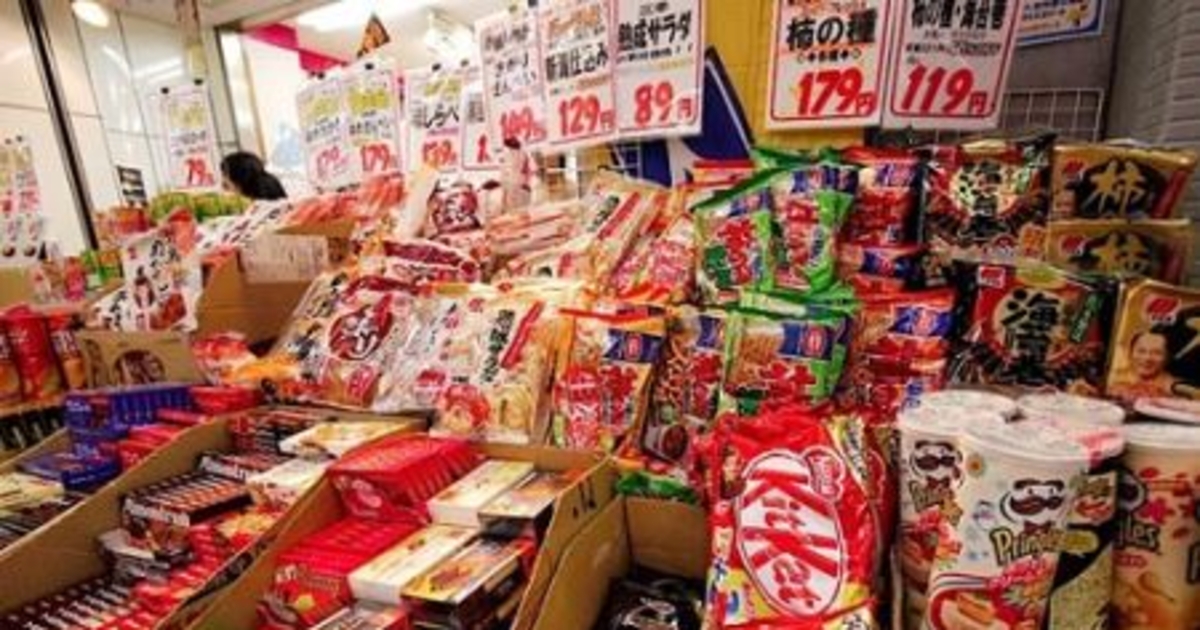
Empty shelves across Tokyo konbini aisles told an unsettling story: the country was running out of its most beloved snack. In mid-April 2017, Japanese snack titans Calbee and Koikeya halted production on dozens of flagship potato chip product lines, sparking widespread consumer panic, supermarket purchase limits, and secondary market bidding wars where individual bags of Pizza Potato traded for astronomical sums. As documented by an investigative vnbusiness Report tracking international trade shocks, the crisis exposed systemic vulnerabilities in an archipelago heavily reliant on domestic agrarian monopolies.
Japanese potato chips, culturally cherished as everyday comfort food and prized abroad by international connoisseurs searching for authentic treats, suddenly vanished from 7-Eleven, Lawson, and FamilyMart stores nationwide. The root cause lay hundreds of miles north, buried beneath the waterlogged soil of Tokachi plain in Hokkaido. Understanding how four unprecedented summer typhoons disrupted Japan's snack food supply chain provides crucial lessons for food security, climate adaptation, and consumer goods pricing.
📌 Key Takeaways:
- The Direct Trigger: A series of four devastating typhoons struck Hokkaido in August 2016, wiping out roughly 10% of Japan’s northern potato harvest and triggering catastrophic supply deficits.
- Industrial Fallout: Market leaders Calbee and Koikeya suspended or permanently terminated nearly 50 individual product lines, causing retail snack rationing and speculative online resale markups exceeding 700%.
- The Long-Term Pivot: Regulatory import constraints on foreign fresh potatoes forced manufacturers to overhaul cold-storage infrastructure and diversify regional domestic farming across Kyushu and Tohoku.
How the 2016 Hokkaido Typhoons Shattered the Northern Harvest
Hokkaido produces approximately 80% of Japan's domestic potato harvest. For industrial chip makers, the dependence is even steeper; Calbee alone sources more than 70% of its processing spuds from the prefecture's central and eastern agricultural valleys. In August 2016, weather patterns shifted violently. Within a span of two weeks, four tropical cyclones, including Typhoons Chanthu, Mindulle, Lionrock, and Kompasu, made landfall or skirted Hokkaido, dumping unprecedented rainfall onto farmland that typically sees dry late summers.
Fields across Memuro, Obihiro, and Furano turned into impassable mud basins. Potatoes rotting beneath submerged topsoil could not be extracted with heavy harvesting machinery, and crops pulled from damp ground decayed rapidly during transport. Calbee's contracted growers watched yields collapse. By the time winter set in, processing warehouses reported inventory reserves dropping by a catastrophic margin. Because fresh spuds harvested in autumn must sustain Japanese chip manufacturing until Kyushu's spring crop arrives in May, processors faced a mathematical impossibility.
Production Halts, Convenience Store Shortages, and Secondary Market Frenzy
The supply shock hit retail shelves in early spring 2017. Calbee announced the termination of 18 product lines and temporary suspensions on another 15 varieties, including cult favorites like "Pizza Potato" and regional specialty broths. Koikeya followed immediately, pulling nine product lines off production lines. In convenience stores across Tokyo, Osaka, and Fukuoka, potato crisp sections stood half-empty, replaced by corn puffs, rice crackers, and apology placards explaining the shortfall.
Consumer response was instant and volatile. Shoppers swept supermarket shelves clean of remaining stock within forty-eight hours. Online resale platforms like Mercari and Yahoo Auctions saw listings for single 63-gram bags of Calbee Pizza Potato surge from standard retail prices of ¥140, ¥160 to exorbitant speculative rates of ¥1,200, ¥2,000 ($11, $18 at the time). Supermarket chains implemented strict limits, capping purchases at two bags per household, to curb hoarders from raiding community inventories.
Timeline of the Japanese Chip Crunch: Harvest Shock to Recovery
The path from regional storm damage to national agricultural recalibration stretched across multiple growing seasons. The structural progression of the supply breakdown and subsequent stabilization reflects key industrial pivot points:
| Phase & Date | Industrial & Agrarian Event | Market Impact & Retail Response |
|---|---|---|
| August, September 2016 | Four typhoons strike Hokkaido, flooding key agricultural regions in Tokachi and Furano. | Estimated 10% to 15% reduction in usable crop output; warehouse storage reserves cut short. |
| April 2017 | Calbee and Koikeya announce suspensions and cancellations across 49 distinct snack lines. | National retail stockouts; secondary market price inflation peaks; purchase limits implemented. |
| May, June 2017 | Early harvest in southern regions (Kagoshima, Miyazaki) ships directly to domestic processing lines. | Core basic lines (lightly salted, seaweed salt) resume limited factory runs. |
| Autumn 2017, Early 2018 | Hokkaido's subsequent autumn harvest returns to baseline levels; Pizza Potato resumes production. | Supply chains normalize; auction reselling collapses; snack inventory stabilizes in stores. |
| 2018, 2026 Shift | Contract expansion into Tohoku and Kyushu; investment in CA (controlled atmosphere) storage. | Snack manufacturers build resilience against regional climate disasters, mitigating localized shocks. |

Why Strict Phytosanitary Rules Prevented Fast Import Relief
Global commodity markets usually buffer domestic agricultural shortages through international trade. Japan could not deploy this safety valve quickly. The Ministry of Agriculture, Forestry and Fisheries (MAFF) enforces stringent phytosanitary bans on imported fresh potatoes to guard domestic crops against soil-borne pests such as the potato cyst nematode.
Historically, Japan only permitted fresh spuds from approved regions within the United States, and strictly for chip processing inside bonded coastal factories during limited calendar windows. Because foreign spuds could not be legally transported into domestic inland facilities without strict processing protocols, processors could not simply import millions of tons of American Russet Burbank or Atlantic potatoes to offset northern losses. Calbee boosted US imports by nearly 30% within allowable legal frameworks, but processing bottlenecks meant overseas shipments could not replace localized supply deficits in real time.
Snack Inflation and the Modern Restructuring of Japan's Food Supply Chain
The snack crisis accelerated structural shifts that transformed Japan’s retail grocery landscape through the 2020s. First came the pricing paradigm shift. Decades of deflationary pressure had anchored potato crisp prices below ¥150 per standard bag. Following the 2016, 2017 shortfall, snack manufacturers faced compounding headwinds from packaging costs, shipping surcharges, and raw vegetable price increases. Calbee and Koikeya executed phased price hikes and package downsizings (shrinkflation), trimming standard bags from 60 grams down to 55 grams while lifting baseline wholesale rates.
More critically, processors diversified regional farming agreements. Contract acreage was expanded south in Kagoshima, Nagasaki, and across inland areas of Tohoku to shorten the bridge between harvest cycles. Both major producers invested heavily in climate-controlled storage hubs capable of maintaining dormancy in domestic spuds for up to ten months, ensuring that single-prefecture climate anomalies would never again paralyze production nationwide.
Frequently Asked Questions (FAQ)
Q1: Why did the Japanese potato chip shortage hit Pizza Potato chips harder than regular salted chips?
A1: Pizza Potato requires a proprietary thick-cut, ridged manufacturing process that demands specific large-gauge potato varieties with exact starch-to-water ratios. When primary Hokkaido supplies dwindled, Calbee directed its remaining raw potato inventories toward its highest-volume core SKUs, such as standard Lightly Salted (Usushio) and Consommé Punch, suspending complex, low-efficiency specialty lines like Pizza Potato first.
Q2: Can foreign potato chips easily substitute for domestic Japanese potato chips?
A2: While imported brands like Pringles and Lay's experienced sales bumps during domestic outages, their consumer appeal remains distinct. Japanese potato chips feature thinner slicing profiles, lighter sunflower-and-palm oil frying methods, and umami-driven seasonings (seaweed, bonito broth, wasabi) tuned precisely to domestic taste preferences, preventing complete product substitution.
Q3: How have Japanese snack brands protected themselves against future climate disasters?
A3: Processors expanded seasonal contract farming outside Hokkaido, established regional buffer warehouses across central Honshu, and built advanced storage facilities utilizing modified atmospheres that keep harvested spuds fresh throughout late winter and spring gaps.
Supply Chain Lessons for the Packaged Goods Sector
Japan’s brief but acute potato snack shortage showed how concentrated geographic production and rigid import controls can turn localized weather events into national supply shocks. When a localized agricultural disruption ripples through convenience stores and secondary auctions within months, it exposes the fine line separating grocery abundance from retail scarcity.
The recovery did not merely refill store shelves with familiar savory snacks. It fundamentally reorganized how Japanese food giants contract crops, manage raw vegetable reserves, and price processed staples against climate risks. For consumer goods manufacturers and global shoppers alike, the crisis proved that even the most routine supermarket item depends entirely on vulnerable soil ecosystems hundreds of miles away.
