Tokyo Hidden Travel Trends 2025: From Island Hopping to Micro-District Exploration
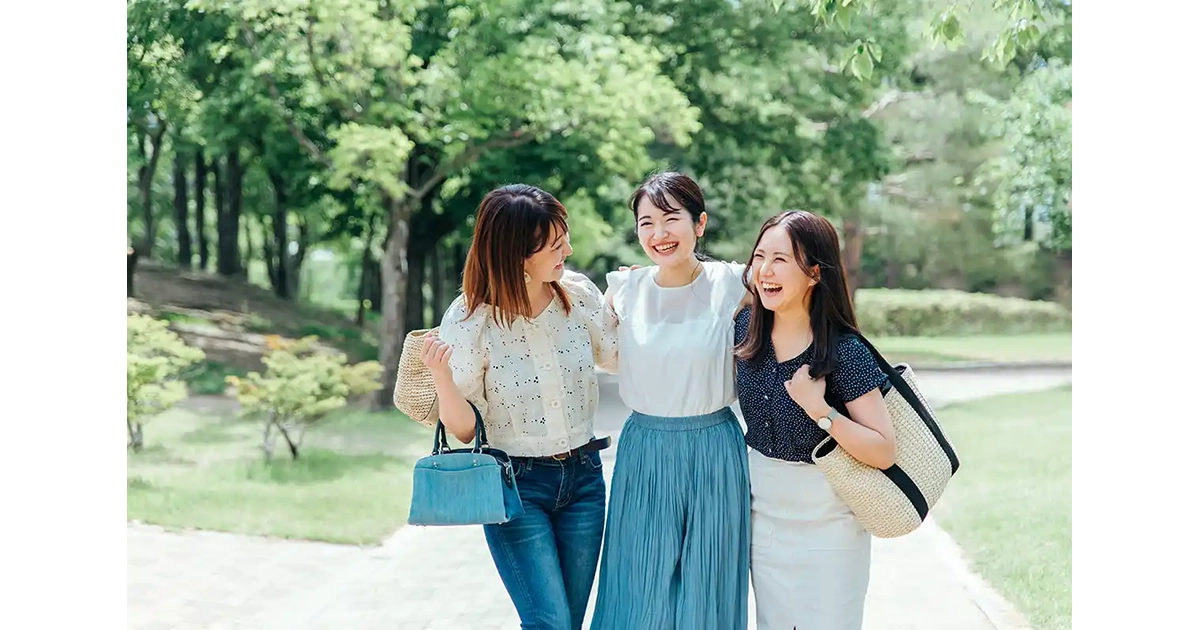
Crowds on Asakusa’s Nakamise-dori now swell three layers deep before mid-morning, turning what used to be a brisk cultural walk into an exercise in crowd control. Across town at Shibuya Crossing, street-level navigation has degraded into dodging selfie sticks and camera rigs. In response, a distinct migration is reshaping how women experience the Japanese capital. Independent solo travelers and small groups are actively bypassing Golden Route choke points in favor of residential perimeter wards, sunlit roasteries, and coastal train lines. As tourism strategists highlight the urgent need to distribute foot traffic beyond saturated corridors, an emphasis reinforced by the Travel Weekly Report on Japan National Tourism Organization advisories, the women leading this movement have already mapped their own alternatives.
This shift replaces whirlwind sightseeing marathons with deliberate neighborhood immersion. The prevailing aesthetic favors quiet residential lanes over commercial neon, counter seating over banquet halls, and unhurried craftsmanship over mass souvenir stalls. From low-rise canals to forested shrine stairs, Tokyo reveals a completely different character once you exit the Yamanote Line's loudest hubs.
📌 Key Takeaways:
- The Spatial Reset: Female travelers are bypassing hyper-touristy centers like Asakusa and central Shibuya in favor of low-density residential pockets like Tomigaya, Kiyosumi Shirakawa, and Yanaka.
- The Focus on Micro-Districts: Daily itineraries increasingly revolve around single-neighborhood exploration, prioritizing independent specialty coffee, curated vintage archives, and architectural sanctuaries.
- Frictionless Solo Mobility: Exceptional municipal safety, solo-friendly counter culture, and digital transit integration make Tokyo's outer perimeters uniquely accessible for independent women.
The Exhaustion With Central Bottlenecks
Overtourism in Tokyo reached an inflection point over the past two seasons. When footpaths around Senso-ji and Harajuku’s Takeshita Street began operating at crushing density, the sensory rewards of traditional sightseeing evaporated. For women traveling alone or organizing boutique itineraries with friends, pushing through shoulder-to-shoulder tour groups contradicts the entire appeal of visiting Japan.
The friction is not merely physical; it is cultural. Golden Route hubs have adapted so heavily to international tour volumes that English-language chain stores and souvenir megastores dominate the landscape. In contrast, Tokyo’s residential perimeters maintain the daily domestic textures travelers actually crave: small laundromats humming beside centuries-old sento bathhouses, morning joggers crossing stone bridges, and local pastry chefs pulling shokupan loaves straight from the oven at dawn.
Data from international booking platforms reflects this recalibration. Independent reservations across secondary residential wards increased by roughly 28% year-over-year, driven heavily by female travelers aged 24 to 42. Instead of chasing viral social media backdrops, visitors seek quiet moments that feel grounded in real city life.
Kiyosumi Shirakawa to Yanaka: East Tokyo's Slow Rhythm
East of the Sumida River, Kiyosumi Shirakawa provides the blueprint for this calmer travel style. Originally an industrial district filled with timber yards and warehouse depots, the area has matured into the city’s undisputed specialty coffee capital. Roasters like Allpress Espresso and Blue Bottle chose the neighborhood for its soaring ceilings and affordable floor space, but domestic independents like The Cream of the Crop Coffee and Iki Espresso turned it into a community hub.
Mornings here begin with filter coffee sipped along the Onagi River canal, followed by a walk through Kiyosumi Gardens. Unlike the sprawling expanses of Shinjuku Gyoen, this Meiji-era landscape garden centers on massive stepping stones (isowatari) laid across a deep carp pond. The soundscape consists of rustling bamboo, bird calls, and gravel shifting underfoot.
Further northwest along the Yamanote loop sits the Yanesen district, comprising Yanaka, Nezu, and Sendagi. Yanaka survived both the 1923 Great Kanto Earthquake and the air raids of World War II, preserving an architectural fabric that has vanished from modern Tokyo. A stroll down Yanaka Ginza introduces visitors to family-run wagashi confectioners, woodblock printmakers, and craftspeople selling handmade bamboo baskets. At the southern border of the district, Nezu Shrine offers a tunnel of vermilion torii gates reminiscent of Kyoto’s Fushimi Inari, completely free from Kyoto's suffocating tourist buses.
| Travel Style | Congested Golden Route Hub | Micro-District Alternative | Distinctive Atmospheric Detail |
|---|---|---|---|
| Historic & Cultural Walking | Asakusa (Senso-ji & Nakamise) | Yanaka & Nezu | Wooden Showa facades, cats basking on stone walls, quiet residential cemeteries. |
| Coffee & Design Exploration | Omotesando & Cat Street | Kiyosumi Shirakawa | Repurposed timber warehouses, canal paths, independent contemporary art galleries. |
| Apparel & Vintage Curation | Takeshita Street & Shibuya 109 | Shimokitazawa & Koenji | Specialized archival boutiques, narrow multi-tenant buildings, vinyl listening bars. |
| Culinary & Evening Wine | Shinjuku Omoide Yokocho | Kagurazaka & Tomigaya | Cobblestone geisha alleys, French-Japanese natural wine bars, eight-seat chef counters. |
Vintage Curation in Shimokitazawa and Koenji
Fast fashion and high-end department stores dominate Ginza and Shinjuku, but the real soul of Tokyo’s fashion scene lives along the western private rail lines. Shimokitazawa, reachable via a rapid five-minute ride on the Inokashira Line from Shibuya, remains the undisputed epicenter of vintage curation.
While the elevated rail tracks underwent substantial redevelopment, introducing polished lifestyle hubs like Reload and Mikan Shimokita, the surrounding alleyways retain their subcultural grit. Stores like Flamingo, New York Joe Exchange, and Haight & Ashbury avoid generic deadstock racks in favor of meticulously washed, repaired, and cataloged garments. You will find 1970s American military coats hanging alongside pristine Issey Miyake Pleats Please separates and silk kimono robes reworked into tailored contemporary dusters.
Further north along the JR Chuo Line, Koenji caters to an even more discerning, music-centric sensibility. Secondhand shops here are smaller, denser, and frequently run by collectors who acquire specific eras of European workwear and classic denim. For traveling groups, spending an entire afternoon drifting through Koenji’s covered shotengai (shopping arcades) offers hours of quiet discovery without the aggressive street promoters common in Roppongi or Kabukicho.
Tomigaya and Kagurazaka: Sophisticated Alleys and Intimate Dining
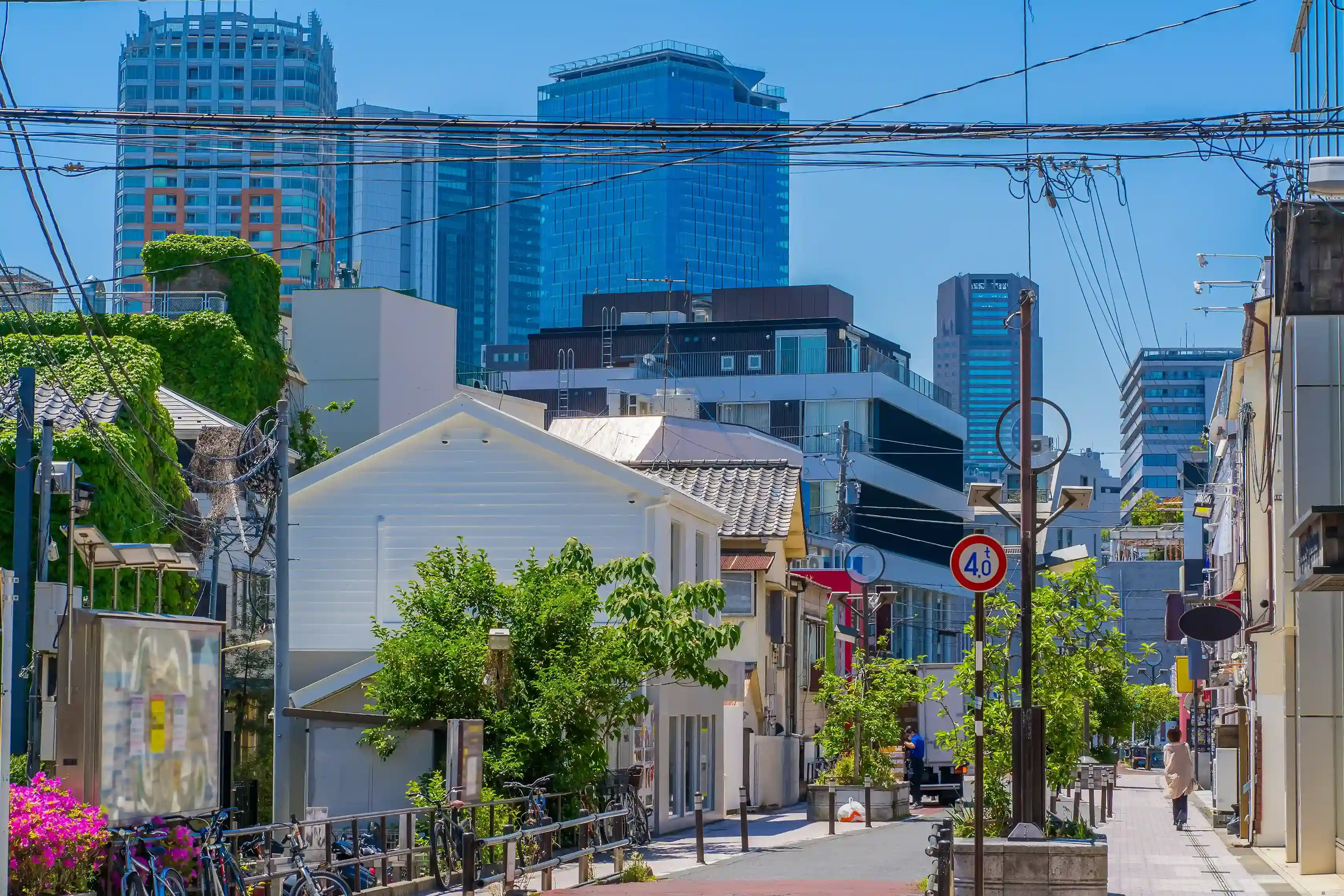
Tucked just behind the western fringe of Yoyogi Park sits Tomigaya, a low-rise neighborhood that feels miles away from the neon madness of Shibuya Station. The district has become a sanctuary for minimalist lifestyle concepts. Scandinavian roastery Fuglen sets the tone with its mid-century teak furniture and courtyard benches, while craft chocolatiers, independent bookshops like So Bookmart, and artisan bakeries line the residential curves of Inokashira-dori.
Dining in Tomigaya is tailored for single diners and small groups. Natural wine bars like Ahiru Store seat guests around tiny wooden counters, serving fresh sourdough, house-made charcuterie, and seasonal small plates without theatrical fuss. Conversations stay low, service is unhurried, and solo patrons reading paperbacks at the bar are part of the scenery.
On the city’s northeast ridge, Kagurazaka offers a contrasting historic elegance. Once Tokyo’s premier geisha entertainment quarter, the district retains its steep cobblestone staircases (kakurenbo yokocho, or "hide-and-seek alleys"). In the mid-20th century, the presence of the Lycée Franco-Japonais fostered a flourishing French community, leaving behind a culinary landscape of authentic French bakeries, crêperies, and Michelin-starred bistros tucked into black wooden traditional townhouses.
Kagurazaka is also home to Akagi Shrine. Rebuilt under the direction of renowned architect Kengo Kuma, the shrine combines glass-walled minimalist architecture with classical cedar joinery. The attached Akagi Cafe provides matcha parfaits and seasonal teas in a space that feels calm and restorative.
Coastal Escapes and Suburban Sanctuaries
When urban pavement becomes tiring, the micro-district philosophy naturally extends toward Tokyo’s coastal and outer-ward green spaces. Many travelers now spend a full day on the Shonan coast or the Miura Peninsula rather than booking another crowded day trip to Hakone.
Towns like Hayama and Kamakura offer coastal walking trails along rugged rocky points, oceanfront cafes serving whitebait rice bowls, and artisan ceramic shops. Hayama, home to the Imperial Villa, has maintained strict zoning laws that block large resort developments. Visitors can sit on sandy beaches with views of Mount Fuji on clear mornings, surrounded by neighborhood paddleboarders rather than tour buses.
Within the municipal borders of Tokyo itself, Gotokuji in Setagaya Ward serves as a quiet pilgrimage site. Tucked in an affluent residential enclave, the Buddhist temple is celebrated as the legendary birthplace of the maneki-neko (beckoning cat). Hundreds of white ceramic cat figurines cluster around the temple pagodas, surrounded by maple trees and quiet bamboo groves. Reaching Gotokuji requires riding the quaint, two-car Setagaya Line tram, where locals share grocery gossip as the train rattles through backyard rose gardens.
Why Tokyo Remains the Global Standard for Solo Female Travel
Tokyo’s reputation for solo safety is widely known, but navigating its micro-districts reveals how deeply that safety is built into the city's infrastructure. Low violent crime rates are merely the baseline. The true advantage for women traveling alone is the city's celebration of solitary presence, a cultural concept known as ohitorisama (embracing activities alone without social stigma).
Restaurants are physically designed for one. Single-seat counters, private ramen booths, and automated ticketing kiosks mean dining alone carries no social friction. Transit systems are equally welcoming. Digital IC cards (Suica or Pasmo integrated directly into smartphone wallets) allow effortless tap-and-go navigation across disparate train operators. Neighborhood koban (police boxes) sit on nearly every major corner, staffed by officers who routinely guide disoriented walkers through labyrinthine residential addresses.
To maximize these neighborhood walks, adopt practical logistical habits:
- Send large luggage ahead between hotels using Japan’s Yamato Transport takkyubin luggage delivery service for roughly ¥2,000 to ¥2,500 ($13, $17) per bag. Hauling rolling bags through narrow cobblestone alleys ruins the walk.
- Carry small cash denominations. While digital payment covers train travel and modern cafes, older confectionery stalls, neighborhood shrines, and vintage basements often operate cash-only.
- Rent an electric power-assist shared bicycle via apps like Docomo Bike Share or Luup. They unlock access to the winding, hill-covered residential quarters of Meguro and Bunkyo wards that trains bypass completely.
Frequently Asked Questions (FAQ)
Q1: What is the most scenic, quiet neighborhood in Tokyo for a solo morning walk?
A1: Kiyosumi Shirakawa offers the best balance of tranquility and amenities. Start early with a walk through the stepping-stone pathways of Kiyosumi Gardens, then head toward the Onagi River canal for third-wave coffee at an independent roastery before the neighborhood shops open at 11:00 AM.
Q2: How do vintage clothing prices in Shimokitazawa and Koenji compare to retail prices in Shibuya?
A2: Shimokitazawa ranges widely from budget multi-rack outlets with items under ¥3,000 ($20) to high-end vintage archives where rare designer pieces cost upwards of ¥50,000 ($330). Koenji tends to be slightly more reasonable on everyday items, offering exceptional value for quality wool, denim, and leather outerwear compared to new retail stores in Shibuya.
Q3: Is it difficult to navigate residential micro-districts without speaking Japanese?
A3: Not at all. Google Maps tracks Tokyo’s pedestrian routes and complex addresses with extraordinary precision. Most independent cafes, wine bars, and specialty boutiques feature bilingual menus or clear picture displays, and translation apps easily translate handwritten shop signs.
Rethinking Tokyo on Your Own Terms
Tokyo rewards curiosity more than checklist completion. The moments that linger after a trip are rarely the ones spent jostling for photo space at crossing lights or queuing for famous souvenir pastries. They are the unplanned encounters found on residential detours: an elderly couple brewing siphon coffee behind a dark-wood counter, a quiet stone shrine hiding beneath residential power lines, or a vintage store owner explaining the history of an embroidered jacket. By leaving the tourist corridors behind, women traveling through Tokyo discover a city that is not frantic or overwhelming, but intimate, creative, and welcoming.
