Ultimate Tokyo Dome Arena Block B Survival Guide: Access, Footwear, and Tips
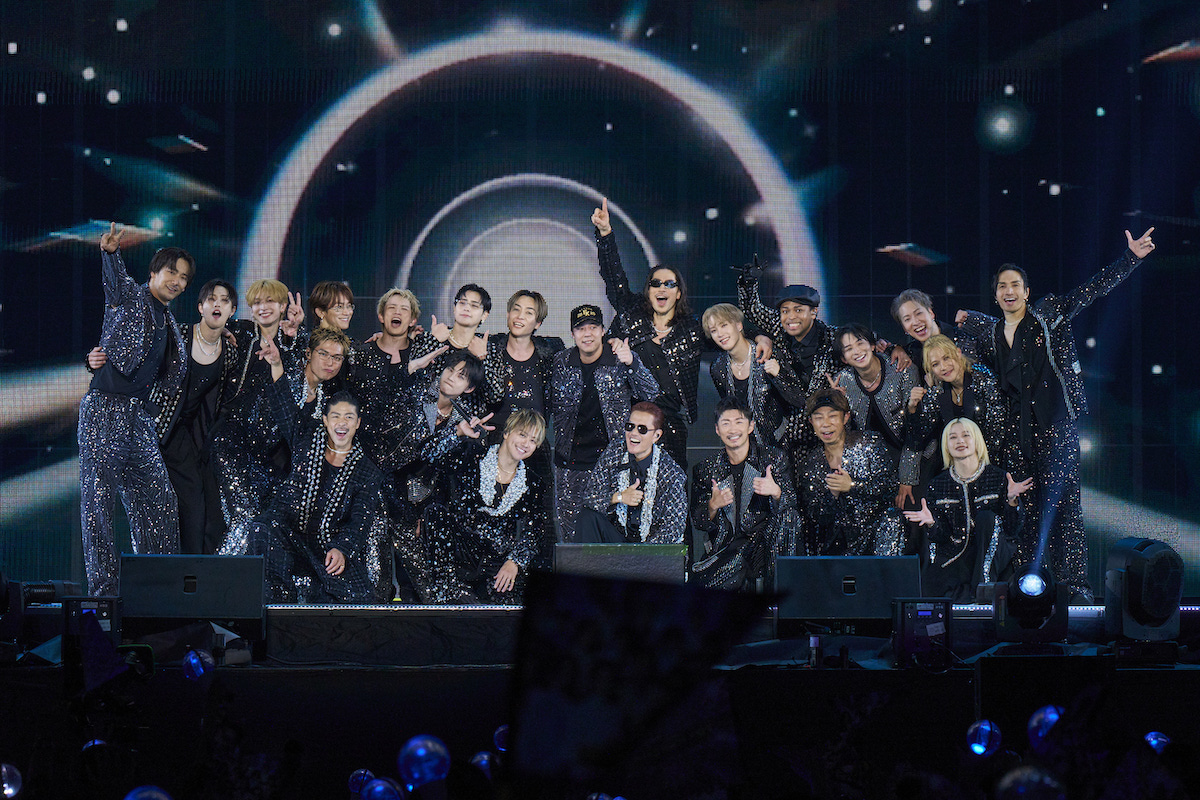
Landing an arena-level ticket at Tokyo Dome triggers an instant surge of adrenaline. As documented in the モデルプレス Report on EXILE’s two-day return to the venue on April 21, 22, 2026, featuring surprise guest appearances and opening sets by BALLISTIK BOYZ, the venue's ground-level atmosphere crackles with an intensity unmatched by elevated stands. Yet, scoring Arena Block B places concertgoers in one of the most volatile viewing corridors inside the 55,000-capacity stadium.
The physical reality of Tokyo Dome often catches foreign fans and first-time attendees off guard. Between the flat turf layout, shifting stage configurations seen across recent tours like NiziU's June 14, 2026 dome finale, and towering crowds, Block B can swing from an unobstructed view of headline performers to a wall of raised arms and smartphones. Navigating this sector demands preparation, deliberate gear selection, and tactical gate navigation.
📌 Key Takeaways:
- Gate Assignments: Field access relies almost exclusively on the Gate 11 arena entrance and Gate 25 access route, where security checks slow movement.
- The Elevation Trap: Because the arena floor has zero tiered rake, flat floor elevation obstruction remains the single biggest risk to stage visibility.
- Tactical Essentials: Pairing 70mm-to-80mm thick-soled concert shoes with 8x-to-10x roof prism binoculars solves both physical height and optical range challenges.
Decoding the Tokyo Dome Floor: Why Block B Carries High Stakes
Tokyo Dome does not maintain a permanent arena seating chart. For major arena-sized acts, management strips out the baseball turf and constructs modular seating grids labeled alphabetically from front to back (typically Block A through Block F) and numbered left to right. Arena Block B sits directly behind Block A, usually positioned between 15 and 45 meters from the primary performance deck.
Stage layout variations dictate whether your ticket yields front-row intimacy or neck strain. In a standard end-stage setup, Block B provides elite main stage sightlines, keeping performers within clear, naked-eye recognition. However, modern mega-productions increasingly favor elaborate runway systems. When an artist deploys a central hanamichi runway access lane that extends straight into the crowd, blocks flanking the center corridor effectively double as front-row positions for runway walks and satellite stage appearances.
The trade-off hinges on lateral placement. If an act incorporates a massive sub-stage proximity loop around the outfield boundary, center-block attendees must constantly swivel 180 degrees. At that point, peripheral equipment towers, audio delay stacks, and moving camera booms often intersect your field of view.
Navigating Field Ingress: Gate 11 Arena Entrance and Gate 25 Access Routes
Entering the field requires clearing dedicated sub-level conduits rather than the main concourse gates. Most arena ticket holders are directed toward the Gate 11 arena entrance on the southwest perimeter or the Gate 25 access route situated on the eastern flank.
Gate 11 sits down a pedestrian slope near Suidobashi Station, serving as the main intake funnel for lower-lettered arena tiers. Gate 25 handles the overflow, connecting through internal ramps that wind down toward the third-base dugouts. Because ground-level staff enforce strict bag scans, metal detector sweeps, and digital identity verifications, security queues at these points peak roughly 45 to 60 minutes before showtime.
Once past the ticket scanners, expect a long descent through service corridors normally reserved for baseball groundskeeping crews. Navigating these narrow concrete pathways with thousands of attendees takes time. Stepping onto the padded field protection floor 15 minutes before the opening act risks missing the entrance sequence entirely. Plan to clear gate thresholds at least 75 minutes prior to curtain call.
Sightline Realities: Main Stage Distance Versus Flat Floor Elevation Obstruction
The central challenge of Arena Block B is architectural: the field is completely flat. Unlike the tiered stands of the 100-level and 200-level concourses, field seating offers zero incline.
If you stand behind an attendee who measures over 180 centimeters, or someone holding fan boards and light sticks above eye level, your direct line of sight vanishes. Block A absorbs some of this risk simply because the main stage rests roughly two meters above ground level, lifting the performers above the immediate crowd. But by the time sightlines reach rows 10 through 25 of Block B, the geometric viewing angle flattens considerably.
| Seating Zone | Stage Distance (Est.) | Primary Visual Obstruction | Silver Tape Catch Window |
|---|---|---|---|
| Arena Block A | 5, 20 meters | Stage lip height & stage-edge lighting rigs | Overshoots front rows; hits rows 8, 15 |
| Arena Block B | 20, 50 meters | Flat floor heads, fan signs, camera cranes | Prime drop zone (direct overhead descent) |
| Arena Block C / D | 50, 90 meters | Front-of-House (FOH) audio/lighting mixing desks | Fringe coverage; highly wind/drift dependent |
| Stand Level (Lower) | 40, 100 meters | Protective netting poles (netting usually dropped) | Rarely reaches beyond front row railings |
When artists move across the outer wings, the lateral angle becomes razor-thin. If your assigned seat is numbered high (placing you on the far-right flank) or low (far-left flank), performers on the opposite wing will be completely blocked by center-floor spectators. Monitoring the jumbo LED screens flanking the proscenium arch often becomes necessary during rapid staging shifts.
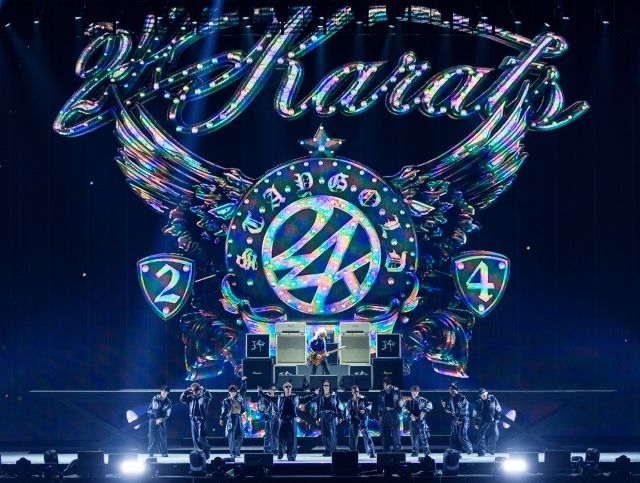
Binoculars Power and Audio Acoustics: Dialing In 8x to 10x Magnification
A common misconception is that arena floor tickets render optical aids obsolete. In Block B, you stand close enough to register facial expressions during center-stage segments, but when acts migrate to the far ends of the runway or rise on hydraulic lifters, fine facial details blur.
Choosing the proper concert binoculars power requires balance. High-magnification units (12x or greater) narrow your field of view drastically. At that level, minor hand tremors shake the image violently, inducing optical fatigue within minutes. For Block B, an 8x21 or 10x25 compact roof prism binocular provides the sweet spot. An 8x magnification factor retains enough brightness under arena lighting while providing sufficient depth of field to track choreography across rapid lateral sequences.
Acoustically, Tokyo Dome presents distinct challenges. Its air-supported fiberglass roof membrane, paired with cavernous volume, creates noticeable low-frequency slap-back. Arena Block B sits forward of the stadium's primary delay towers, meaning you receive direct sound waves firing straight from the line-array speakers hanging above the stage.
The audio is punchy and loud, often exceeding 98 dBA during rock climaxes or bass-heavy drops. However, high-frequency reverberation off the outfield stands can wash out vocal clarity. High-fidelity concert earplugs are critical; they attenuate harsh resonant frequencies without muffling the vocal track.
Footwear Strategy and Silver Tape Physics in the Drop Zone
Standing on concrete covered only by thin rubberized field matting for three to four hours punishes feet and lower backs. Because sightline battles on the flat floor are decided by centimeters, footwear is both an ergonomic necessity and a tactical advantage.
Opt for thick-soled concert shoes, such as platform sneakers or supportive combat boots with sole heights between 50mm and 80mm. Avoid unstable stilettos or narrow platform heels, which venue security frequently flags for safety reasons on arena floor turf. A wide, stable platform gives shorter attendees the vertical lift needed to see over shoulders ahead without sacrificing balance during long stretches on your feet.
Block B holds one undisputed structural advantage over the stands: it serves as the primary target for arena pyrotechnics and physical effects. The silver tape drop zone, the explosive release of metallic, commemorative foil streamers during an encore or show climax, is aimed directly at Blocks A and B.
Pneumatic cannons arrayed along the stage lip launch these streamers in high arcs designed to unfurl at peak elevation before drifting downward. Wind currents generated by stadium ventilation systems push the densest clusters directly into the front-center sectors. Attendees in rows 5 through 20 of Block B routinely find themselves showered in commemorative tape.
Keep your hands free as the final chorus approaches. Stash bags under your folding seat so you can reach upward into the drift rather than scrambling on the floor, where stepped-on streamers quickly tear.
Frequently Asked Questions (FAQ)
Can I bring large camera equipment or telephoto lenses into Tokyo Dome?
Commercial cameras, detachable telephoto lenses, and tripods are strictly prohibited at Japanese arena shows. Security personnel patrol the aisles of Arena Block B continuously. Using smartphones for photography or recording without explicit clearance can result in immediate ejection and ticket confiscation.
Are all seats in Block B guaranteed a view of the center runway?
No. Stage layouts vary significantly between productions. If an artist uses an end-stage design without extended walkways, Block B faces forward toward the main stage. If a center runway is installed, center-numbered blocks sit right beside it, while low-numbered and high-numbered seats remain wide on the wings.
How early should I arrive at Tokyo Dome for field-level seating?
Arrive outside Tokyo Dome at least 90 minutes before showtime. Navigating the perimeter toward Gate 11 or Gate 25, clearing security checkpoints, and walking the internal stadium access ramps to the floor typically takes between 35 and 50 minutes during peak arrival windows.
Field Preparation Checklist for Tokyo Dome Shows in 2026
Attending a massive stadium production from Tokyo Dome Arena Block B delivers unmatched energy. You are positioned inside the primary drop zone, close enough to feel the warmth of stage pyrotechnics and catch direct eye contact during runway passes. Maximizing that experience, however, requires understanding the physical constraints of the venue.
Review your gate assignment carefully, Gate 11 and Gate 25 follow distinctly different perimeter routes from Suidobashi and Korakuen stations. Secure your footing with stable, thick-soled platforms to neutralize flat floor elevation obstacles, dial in compact 8x or 10x optics for extended runway staging, and carry high-fidelity ear protection against harsh acoustic reflections. Approaching Block B with the right gear and realistic expectations ensures you take full advantage of one of live music’s most intense vantage points.
