Unboxing the Jiro Experience: Does FamilyMart's Rekishi o Kizame Bowl Deliver Real Gut-Busting Power?
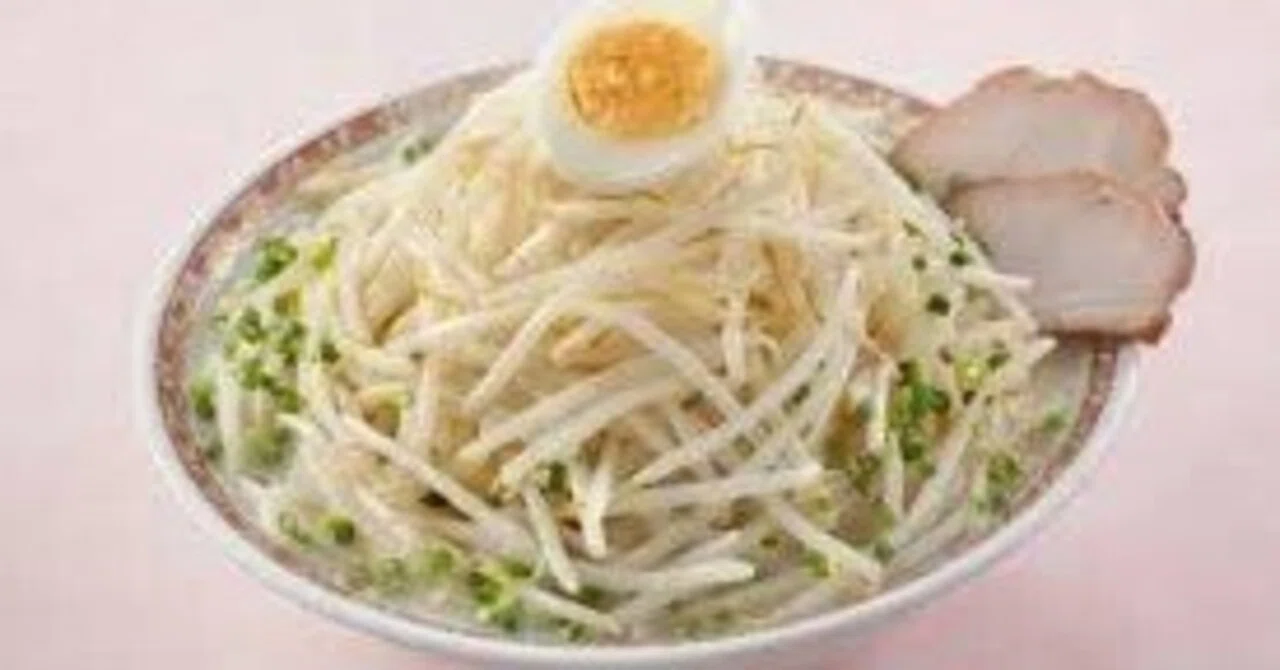
Convenience stores in Japan have spent years chasing the elusive alchemy of heavy-industry noodle dining, but bottling the chaotic excess of Jiro-style ramen inside a chilled convenience container remains an engineering headache. On October 7, 2025, FamilyMart expanded its signature "Umai Men" autumn menu across roughly 16,300 retail locations nationwide, spotlighting an ambitious collaboration with Kansai cult favorite Ramen-so Rekishi o Kizame, according to a livedoor ニュース Report. By early 2026, the retail bowl established itself as a recurring convenience fixture, sparking widespread online debate over whether an off-the-shelf chilled dish can genuinely mirror a shop floor notorious for ninety-minute outdoor queues.
Replicating this style requires more than heavy salt. Authentic Jiro-kei dining relies on raw sensory overwhelm: mountains of blanched vegetables, thick cuts of braised pork shoulder, unrefined pork backfat, and dense, low-hydration wheat noodles with a distinct, rugged bite. FamilyMart took the assignment literally, releasing a bowl that breaches the 900-calorie threshold and refuses to dilute the pungent presence of raw garlic for timid palates.
📌 Key Takeaways:
- The Lineup: FamilyMart rolled out its official collaboration with Kansai heavy-hitter Ramen-so Rekishi o Kizame across 16,300 stores as part of its celebrated "Umai Men" series.
- The Calorie Punch: Pushing past 900 calories, the bowl captures signature Jiro excess with thick buta chashu, bean sprouts, cabbage, and coarse minced garlic.
- The Texture Test: Proprietary chilled noodle formulation preserves the dense, rough "washi-washi" chew surprisingly well, offering a viable late-night alternative to standing in street queues.
The Kansai Cult Behind Ramen-so Rekishi o Kizame
To grasp the expectations placed on this retail collaboration, you have to understand the Ramen-so pedigree. Founded as an offshoot of Kyoto’s Yume o Katare, which directly traces its lineage back to Tokyo’s legendary Ramen Jiro Mita Honten, the Ramen-so brand decentralized Jiro culture throughout Western Japan. Rekishi o Kizame, whose name translates aggressively to "Carve Your Name in History," built a fiercely loyal following across Osaka, Hyogo, and Nagoya. Its storefronts operate on loud energy, vibrant blue awnings, and an unapologetic celebration of carbohydrate overload.
In brick-and-mortar branches, ordering is an athletic endeavor. Diners endure strict counter etiquette and recite rapid customization "calls" for extra garlic (ninniku), pork backfat (abura), and vegetable volume (yasai). Translating that high-adrenaline kitchen dynamic into a microwaveable container sold alongside egg salad sandwiches required FamilyMart product planners to make uncompromising ingredient choices rather than sanitizing the flavor profile for mass-market neutrality.
Deconstructing the 900-Calorie Microwave Bowl
Pulling the heavy plastic bowl from the chilled rack reveals a two-tier construction engineered to prevent soggy disaster. The top plastic tray suspends the blanched bean sprouts (moyashi), shredded cabbage, a slab of braised pork (buta chashu), and a pale mound of raw minced garlic directly above a concentrated, gelatinized tonkotsu shoyu base. Five minutes inside a standard 500-watt home microwave liquefies the collagen-heavy soup beneath while gently steaming the vegetables above.
Sliding the ingredients from the divider tray into the hot broth releases an immediate shockwave of crushed allicin and rendered pork fat. This is not a mild garlic-powder infusion. FamilyMart included real, coarsely chopped raw garlic that bites the tongue and permanently claims whatever room you heat it in. The vegetable crown holds decent crunch, though the ratio leans heavily toward bean sprouts with cabbage playing a supporting visual role.
The Broth and Noodle Chemistry: Washi-Washi Under Scrutiny
Purists judge any Jiro bowl on its "washi-washi" noodles: thick, flattened, unruly strands traditionally rolled from low-hydration, high-protein flour. Conventional chilled convenience noodles tend to turn rubbery or disintegrate into starch paste under microwave heat. For the Rekishi o Kizame bowl, FamilyMart deployed a specialized thick-cut noodle blend with a visibly rough, undulating exterior designed to catch passing globules of suspended lard.
While the noodles naturally lack the sheer alkaline snap of a bowl pulled straight from boiling water three seconds before serving, they resist sogginess admirably. Each bite requires deliberate jaw work. The broth mirrors the "non-emulsified to semi-emulsified" (hidounyu) style common to Rekishi o Kizame shops: a dark soy sauce base slicked with a floating layer of golden grease rather than a creamy, milky bone broth. It delivers a salty, umami-dense punch underpinned by sweet rendered lard and unvarnished sodium.
| Core Metric | FamilyMart Convenience Collaboration | Physical Rekishi o Kizame Counter |
|---|---|---|
| Calorie Profile | Approx. 900, 950 kcal | 1,600, 2,400+ kcal (standard bowl with toppings) |
| Price Range | ¥698, ¥740 (tax included) | ¥1,000, ¥1,200 (base ticket) |
| Noodle Weight | ~200g (cooked weight) | 300g, 500g (uncooked raw weight) |
| Garlic Intensity | Fixed, aggressive raw minced allicin portion | Customizable by call (None, Sukuname, Mashi, Mashimashi) |
| Wait Time | 5 minutes (microwave heating) | 45, 90 minutes (counter queue) |
Consumer Reactions from the Convenience Aisle
Public reception highlights a sharp division between regular convenience shoppers and hardcore ramen enthusiasts. On platforms like note and X, casual consumers occasionally express shellshock over the soup’s sheer oil slick and punishing salt levels, noting that it demands a cold bottle of black oolong tea to wash down. It is not an unthinking grab-and-go lunch for desk-bound office workers facing afternoon meetings.
Conversely, dedicated members of the Kansai Jiro community greeted the product with surprising approval. Midnight diners who cannot commit to an hour-long wait in Osaka rain praise FamilyMart for not rounding off the recipe's sharp edges. The pork belly chashu, while thinner than the mammoth meat logs served inside the physical shops, carries tender braised fat that melts into the soy base. The consensus across social platforms remains clear: this is convenience food engineered specifically for indulgence rather than broad, gentle accessibility.
Frequently Asked Questions (FAQ)
Q1: What does "Rekishi o Kizame" mean and why is the brand significant?
A1: Rekishi o Kizame translates to "Carve Your Name in History." It is one of the most prominent Kansai-region branches of the Ramen-so group, responsible for bringing authentic, heavyweight Jiro-style ramen culture from Tokyo to western hubs like Osaka and Kyoto.
Q2: Is the FamilyMart Rekishi o Kizame bowl too garlicky for normal eating?
A2: Yes, if you need to maintain fresh breath for professional settings. The bowl includes a generous tablespoon of real, coarse raw garlic that permeates the entire dish during heating. It leaves a lasting aftertaste and aroma comparable to dining at an actual ramen counter.
Q3: Can you customize toppings like you do inside a real Jiro ramen shop?
A3: The convenience store bowl comes pre-assembled with fixed ratios of bean sprouts, cabbage, braised pork, and garlic. If you want a heavier mountain of vegetables or extra fat, you can purchase separate bags of blanched bean sprouts or soft-boiled eggs directly from the convenience aisle to top the bowl at home.
What FamilyMart's Jiro Bet Means for Convenience Ramen
The success of the Rekishi o Kizame collaboration signals an ongoing shift in Japanese retail food design. Convenience chains no longer believe that mass appeal requires muting regional eccentricities. By preserving the uncompromising salt, the heavy backfat, and the confrontational garlic punch of the Kansai cult original, FamilyMart transformed an ordinary microwaveable lunch into an authentic slice of urban ramen counter culture accessible at two in the morning.
