Visual Guide: 10 Inspiring DIY Retirement Message Board Designs That Wow Any Coworker
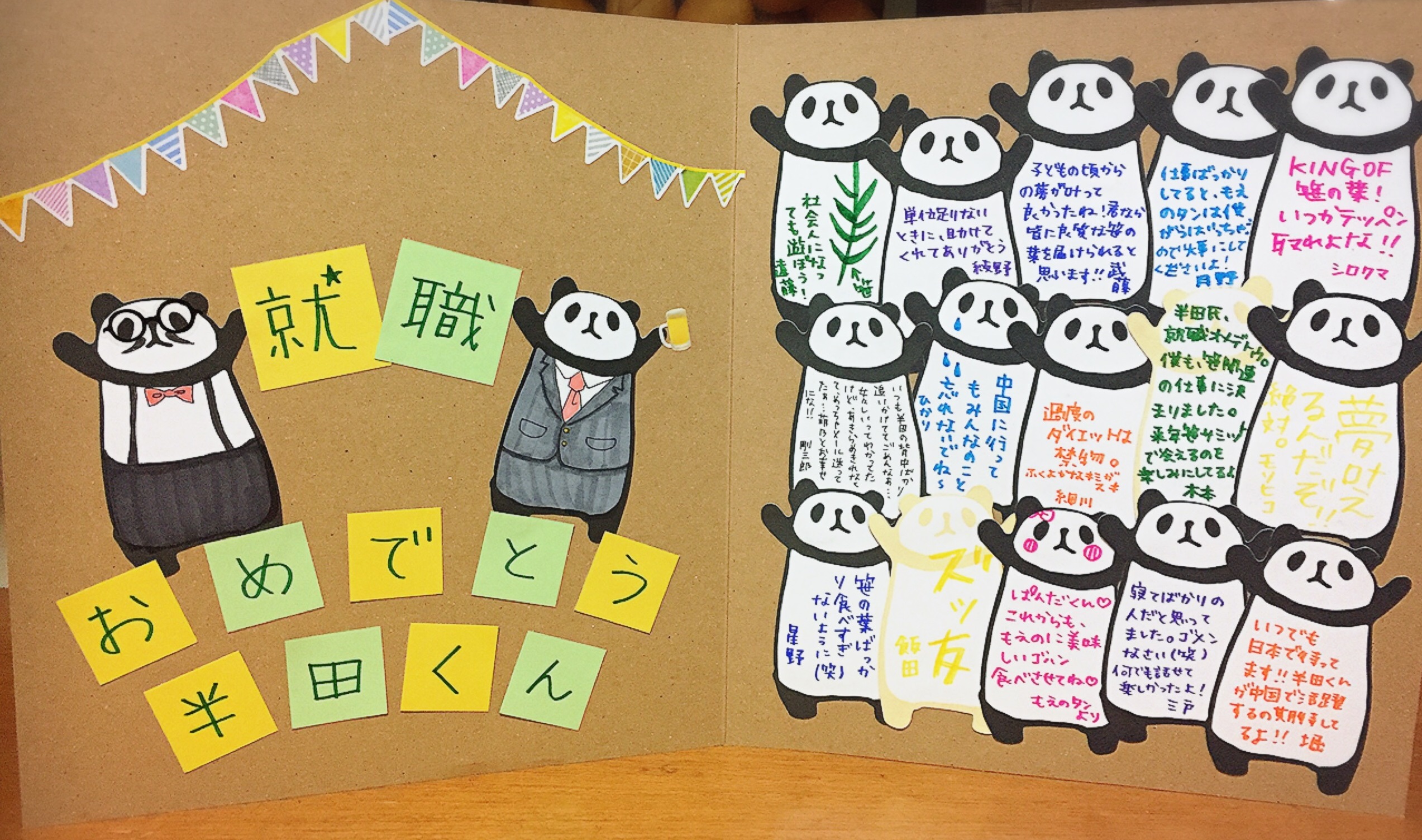
A folded supermarket greeting card stuffed with hurried signatures rarely captures decades of work. When veteran employees clear their desks, they carry away boxes of institutional memory, professional triumphs, and daily camaraderie that deserve something tangible. The traditional Japanese craft of yosegaki, the collective signing board, has collided with contemporary scrapbooking, prompting office teams to ditch rushed digital ecards in favor of intentional paper, wood, and mixed-media displays.
Creating a meaningful parting artifact requires more than colorful markers and a blank foam core sheet. Crafting an enduring tribute demands smart spatial balance, durable materials, and a structure that invites both quick well-wishes and deeply personal reflections. Across design studios, remote teams assembling hybrid projects, and traditional office breakrooms, handmade farewell displays have evolved into intricate personal monuments that turn handwriting into art.
📌 Key Takeaways:
- Design Architecture: Structuring space around photo grids and pre-cut cards prevents late signatures from overcrowding centerpieces.
- Material Longevity: Archival inks, acid-free mats, and glass framing protect handwritten memories against yellowing and ink fade over decades.
- Hybrid Work Realities: Printable card templates bridge the gap between remote colleagues and on-site craft coordinators without losing the personal touch.
The Cultural Shift from Rushed Card Signatures to Tangible Art
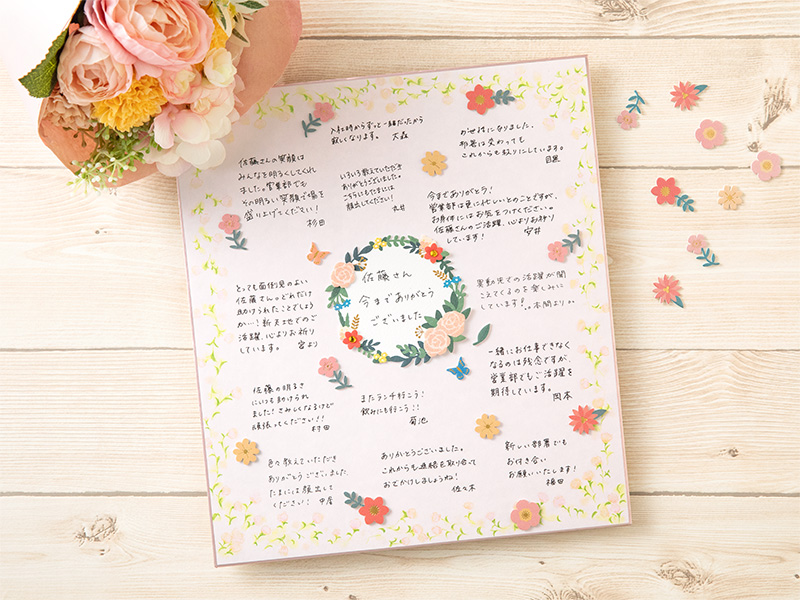
For decades, administrative assistants quietly passed flimsy greeting cards around cubicles, praying nobody dropped coffee on them or signed over someone else's name. That hurried ritual frequently yielded lukewarm congratulations scribbled in blue ballpoint pens. The revival of tangible keepsake craft borrows heavily from the Japanese tradition of the shikishi board, where coworkers arrange greetings harmoniously around a visual anchor.
Modern office communities are reclaiming this physical ceremony. Workplace psychologists point out that physical retirement gifts offer psychological closure that email threads and Slack channels fail to provide. When colleagues write by hand on textured paper or tuck notes into miniature paper sleeves, the farewell becomes an authentic ritual. Workers are investing hours into cutting cardstock, collecting archival adhesive, and curating decades of photo archives. The resulting coworker farewell keepsake serves as physical proof of a well-spent career.
Ten Creative Formats for the Handmade Group Signing Board
Building a successful display depends on choosing an architectural layout that fits both your team's size and the retiree's personality. These ten concepts elevate raw signatures into refined mantle displays.
1. The Structured Hexagonal Photo Collage
Rather than scattering snapshots randomly, cut portraits and career milestones into matching hexagons. Arrange them in a honeycomb lattice across one side of an artist canvas. Use geometric card inserts for coworker farewell message ideas, creating an organized layout where text and photos share visual weight equally.
2. The Deep-Well Shadow Box Memory Vault
A standard frame leaves zero room for dimensional relics. A shadow box retirement memory display pairs signatures with physical workplace artifacts: an old security badge, corporate anniversary pins, specialized tools, or travel tokens. Mount individual parchment tags across the backboard around the artifacts using foam risers for subtle drop shadows.
3. The Archival Custom Office Signature Frame
Surround a professional, high-resolution portrait or a candid team shot with an oversized, wide-margin archival mat board. Colleagues sign the museum-grade matting directly using archival pigmented ink pens. Once framed behind anti-reflective UV glass, the board becomes gallery-grade wall art fit for a home study.
4. The Interactive Envelope Honeycomb
Privacy matters when writing goodbye notes. Mount 30 to 50 miniature colored glassine or kraft envelopes onto an oversized board in neat rows. Provide coordinating note cards for coworkers to write heartfelt letters, slip inside, and seal with custom washi tape or wax seals. The retiree unboxes each memory individually at home.
5. Origami Message Card Cascades
Incorporate folded elements using origami message card templates. Flat cardstock folded into miniature kimono folds, blooming lotus pockets, or geometric pop-up squares creates tactile intrigue. Remote staff can fold their contributions according to downloadable guides and mail them to the organizer before final assembly.
6. The Narrative Timeline Strip
Draw a clean graphic baseline across a long panoramic board marking the retiree's start date, company milestones, promotions, and major launches. Seat team signatures at the specific years when collaborators first joined the retiree's orbit, transforming a simple card into a collaborative historical timeline.
7. The Typography Silhouette Cutout
Trace a silhouette representing the retiree's next life phase, a sailboat, a world map, a golf swing, or a favorite landscape. Cut the shape out of heavy mat board and place it over a dense collage of handwritten farewell notes, letting the handwriting peek through the negative space.
8. The Blueprint or Schematic Canvas
For architects, engineers, or technical leads, print an iconic early project draft or software architecture blueprint on archival canvas. Have the team use fine-point drafting pens in white or metallic ink to write their well-wishes across the margins and non-critical drawing sectors.
9. The Vintage Library Card Catalog Box
Ditching the flat board entirely, repurpose a small wooden card index box. Team members fill out custom-printed date-due slips and library cards with memories, reading recommendations, and personal letters. The format works exceptionally well for university faculty, editors, and research staff.
10. The Modular Collaborative Memory Book
Split an album into distinct retirement card scrapbook layouts by distributing individual loose sheets across branches, satellite offices, and home-based staff. Once returned, bind the heavily decorated, photo-heavy pages into an expandable leather album alongside festive retirement party decorations and event snapshots.
Layout Mechanics, Spatial Balance, and Visual Harmony
The most common failure in a DIY retirement message board is poor spatial discipline. When coordinators lay down a blank board and invite an office of 60 people to write freely, two problems always arise: three assertive colleagues fill half the surface with giant script, or everyone clusters shyly along the perimeter, leaving an awkward dead zone in the center.
Professional layout artists use pre-sectioned grids to keep signatures balanced. Dividing the design surface into dedicated zones guarantees polished results:
| Display Format | Typical Material Cost | Assembly Time | Best Suited Office Size |
|---|---|---|---|
| Matte Signature Photo Frame | $35, $65 | 1, 2 hours | 10, 25 coworkers |
| Envelope Honeycomb Board | $25, $45 | 3, 4 hours | 30, 60 coworkers |
| Artifact Shadow Box | $50, $90 | 4, 6 hours | 15, 35 coworkers |
| Origami Cascade Board | $20, $40 | 5, 8 hours | 20, 40 coworkers |
| Modular Memory Scrapbook | $45, $80 | 6, 10 hours | 50, 120+ coworkers |
Setting up your layout requires a disciplined approach to white space. Anchor the retiree's central picture or main tribute title slightly off-center along the golden ratio line. Leave 15% to 20% of the canvas surface unadorned to prevent visual crowding. Pre-gluing individual decorative shapes or message cards keeps handwriting contained inside clean boundaries, ensuring latecomers do not write sideways across somebody else's heartfelt paragraph.
Materials Science: Preserving Ink and Paper Across Decades
Handmade retirement gifts lose their charm when the materials degrade. Cheap craft glue dries out, drops photos onto the floor, and turns white paper a muddy yellow within five years. Selecting the right components ensures your personalized parting gift DIY endures without decaying on a mantle.
Archival quality starts with acid-free and lignin-free backing boards. Acid causes wood-pulp papers to break down and discolor when exposed to ambient light. Pick museum-grade rag board or 100% cotton cardstock. Pair the backing board with pigment-based ink pens, such as Sakura Pigma Micron or archival felt-tipped calligraphic markers. Standard dye-based rollerball inks and alcohol-based permanent markers fade rapidly under direct indoor light.
Adhesives require equal scrutiny. Rubber cement and standard office glue sticks cause irreversible paper ripples and release after two to three years. Choose double-sided archival tape, acid-neutral PVA liquid glue, or conservation-grade photo mounting corners. If incorporating personal artifacts into a shadow box, hold heavier metals and badges with invisible monofilament wire anchored through backing holes instead of hot glue, which hardens, snaps, and leaves greasy residues over time.
Coordinating Hybrid Teams and Silent Office Sign-Offs
Keeping a large collaborative craft project quiet inside an office is a logistical challenge. The rise of hybrid schedules complicates the process further, requiring organizers to coordinate between remote colleagues and in-person team members without blowing the cover story.
Distribute pre-cut decorative cardstock cards or printable templates via tracked mail or digital downloads to home-based employees. Set a strict deadline at least ten business days before the retirement reception. Provide remote workers with explicit dimensions, suggested pen widths, and margins so mailed contributions mesh seamlessly with cards written in the physical office.
On-site coordinators should avoid passing an open, fragile board around the office floor. Instead, establish a secure writing station in a low-traffic meeting room or private office. Keep spare cards, archival pens, scrap paper for pen testing, and reference photos of the layout on hand. Coworkers can drop by on their own schedules, write without pressure, and leave their cards in a collection box for the coordinator to assemble at home.
Frequently Asked Questions (FAQ)
Q1: What should I do if some coworkers write giant paragraphs while others just sign their names?
A1: Distribute pre-cut cards of uniform dimensions rather than letting people write directly onto a master canvas. Provide standard 3x3-inch or 2x4-inch cards to every participant. This forces longer writers to edit their thoughts down while allowing shorter signatures to look deliberate and intentional inside their own dedicated borders.
Q2: How far in advance should our team start planning a handmade retirement board?
A2: Allow three to four weeks for the entire production pipeline. Week one focuses on choosing the format, purchasing supplies, and sourcing high-resolution career photos. Week two covers collecting messages from colleagues, including mailing time for remote team members. Week three handles assembly, framing, and touch-ups, leaving a safety buffer before the retirement celebration.
Q3: How do we handle colleagues who do not know the retiree well?
A3: Provide prompt cards with specific conversation starters on scrap paper near the writing station. Suggest themes like "What early project advice resonated most?", "Your funniest breakroom moment", or simply "A wish for your upcoming travels." Offering guided prompts helps newer team members craft thoughtful notes that go beyond generic congratulations.
Lasting Keepsakes Beyond the Retirement Party
Workplace milestones vanish quickly into digital archives and empty calendar slots. A tangible, thoughtfully crafted farewell board rescues years of professional collaboration from corporate ephemera, turning inside jokes, shared crunch times, and long-term mentorship into an heirloom. By treating design, paper quality, and team contributions as interconnected parts of an intentional art piece, you give a departing colleague an honest reflection of their impact, one that preserves the human relationships behind the job long after the final workday ends.
