Visual Proof: Hilarious Tear-and-Share Bread Fails Versus the Viral Baby Arm Trend
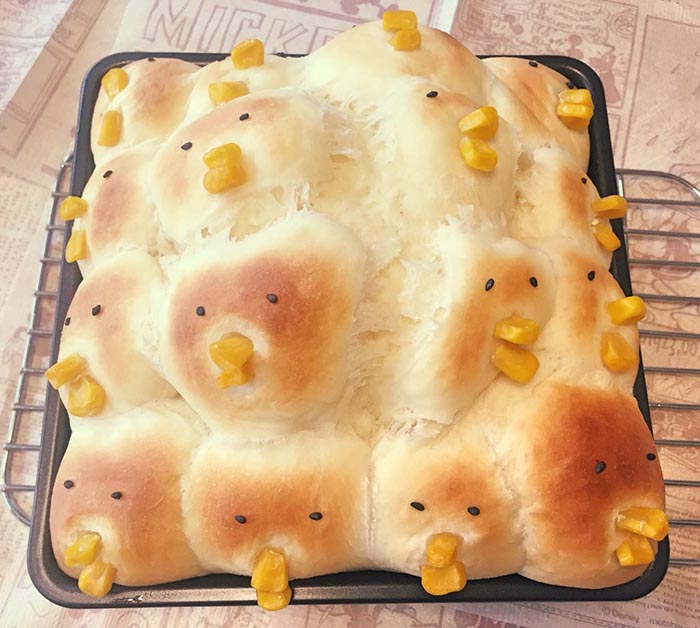
Home bakers across Japan set out to produce cloud-soft rows of miniature dough bears, sleeping chicks, and pastel characters neatly tucked into square cake tins. What emerges from the oven, however, often looks less like an artisanal confection and more like a scene from a science fiction creature feature. The aesthetic pursuit of chigiri-pan, the pillowy pull-apart bread that captured global Instagram feeds, has produced an equally famous counterculture of chaotic kitchen bloopers, documented under the sprawling online banner of hilarious baking fails. The commercial staple has grown so deeply embedded in Japanese pop culture that Seven-Eleven Japan recently turned its signature tear-and-share roll into oversized collector novelty merchandise, as detailed in a recent モデルプレス Report.
Yet the cultural life of pull-apart bread does not stop at exploded character dough. Over the past several years, parents across Japanese social media discovered that the rolls share an uncanny visual twin: the segmented, delightfully plump rolls of a three-month-old infant's arm. This side-by-side comparison transformed a simple convenience store carbohydrate into an enduring viral meme, bridging the gap between baking kitchen disasters and family life photography.
📌 Key Takeaways:
- The Structural Risk: High hydration and aggressive oven spring turn meticulously shaped dough characters into terrifying, fused monstrosities within twelve minutes of heat exposure.
- The Viral Twin: The trending Japanese meme pairing Seven-Eleven tear-and-share rolls with chubby infant wrist rolls has evolved from an accidental social post into an established milestone photo tradition.
- The Commercial Craze: Popular bakery instructors and major convenience retailers have elevated pull-apart bread from domestic hobby baking into national novelty merchandise and no-knead workshop formats.
When Kawaii Character Dough Turns Into an Oven Spring Nightmare
The original formula of character chigiri-pan relies on precision geometric symmetry. Bakers shape dozens of identical 25-gram dough spheres, arranging them tightly into a lined square pan. Before proofing, each ball receives dough ears, piped edible features, and vegetable powder coloring to resemble Rilakkuma, Sanrio figures, or baby chicks. When executed with surgical discipline, the finished bake pulls apart into clean, adorable portions.
Most home kitchens lack industrial temperature controls. The moment yeast activity outpaces gluten tensile strength, the nightmare begins. An overproofed dough explosion expands laterally in the heat, pressing individual animal faces into one indistinguishable wall of baked gluten. Sesame seed eyes sink deep into yawning dough chasms. Corn kernel beaks, meant to mimic tiny yellow chicks, twist sideways into terrified grimaces. What entered the oven as sixteen docile teddy bears emerges as a fused biomass. Japanese bakers gleefully catalog these disasters on social platforms, tagging their misshapen, scorched bloopers alongside the pristine recipe photos they attempted to follow.
The Asahi Shimbun Chick Loaf and the Fine Line of Baking Success
The gulf between internet perfection and real-world baking reality was illustrated when an authentic home baker managed to pull off the elusive ideal. In April, Asahi Shimbun reported on an Instagram post by an everyday mother whose homemade chick bread racked up over 11,000 likes in days. Her square pan featured rows of round, golden chicks jammed cheek-to-cheek, their tiny beaks made of whole sweet corn kernels and their eyes marked with black sesame seeds.
Commenters flooded the post with declarations of "かわいすぎて食べられない" (it is too cute to eat). The visual charm relied entirely on tension: the dough balls had expanded enough to press snugly against one another without obliterating their facial geometry. For every baker who achieves that precise sweet spot, hundreds more end up with melted features, asymmetrical ear bulges, and charcoal edges. The knife-edge balance between an internet-famous triumph and an unrecognizable lump of fermented carbohydrates is measured in mere minutes of secondary fermentation.
The Infant Arm Phenomenon: How Chubby Babies Became Bread Memes
Parallel to the baking fail phenomenon sits an accidental trend that completely redefined pull-apart bread on X (formerly Twitter). In late 2025, a mother posting under the handle @Runa_baby_oO shared a side-by-side snapshot of her three-month-old daughter's arm held parallel to a standard pack of Seven-Eleven tear-and-share bread. The resemblance was exact. The soft, circular rolls of baby fat, segmented by deep wrist and elbow creases, mirrored the four-part baked segments of the commercial roll down to the golden skin tone.
The post struck an immediate chord with anxious new parents. "Look at these magnificent arms," the mother wrote, asking if other babies had reached this level of chubbiness or whether she should worry about overfeeding. The internet's response was unanimous affection. Within hours, parents nationwide began buying convenience store pull-apart loaves specifically to stage duplicate photoshoots. Another mother, posting under the account @vKxl98jVPc50636 with her own three-month-old infant, reported a nearly identical scene when her husband placed a loaf alongside their child's forearm, sparking thousands of replies debating which side looked softer.
| Baking Variant / Trend | Target Visual Intent | Common Failure or Outcome | Viral Appeal Driver |
|---|---|---|---|
| Character Chigiri-Pan | Uniform cartoon faces (bears, chicks) | Facial melt, sunken sesame eyes, fused ears | Uncanny horror-comedy baking fails |
| Baby Arm Comparison | 1:1 physical match between arm and roll | Squirming baby, crushed packaged bread | Wholesome infant milestone documentation |
| Toaster-Oven Salt-Butter Roll | Crisp, butter-soaked rustic crust | Butter smoke flare-up, raw dough core | Accessible low-effort domestic cooking |

The Chemistry of Collapse: Why Homemade Yeast Rolls Explode
Pull-apart bread fails are not accidental bad luck; they are predictable biomechanical miscalculations. Unlike standard artisan boules baked on an open stone, pull-apart dough is confined to rigid boundaries. When dough balls are placed 0.5 inches apart in a pan, their expansion vectors point inward and upward rather than outward.
Oven spring, the rapid initial rise triggered when internal gases expand at 350°F to 375°F (175°C to 190°C), acts as a wrecking ball against delicate piping. If a baker uses standard royal icing or chocolate paste to draw facial features before baking, the sugars liquefy under the intense radiant heat. The chocolate melts into the pores of the crust, producing tear streaks down character cheeks. If the baker leaves the shaped buns to ferment even ten minutes past optimal volume, the gluten web weakens. The dough balls collapse together into a single amorphous mass, erasing individual rolls entirely.
Simplifying the Craft: From Complex Characters to Toaster-Oven Bakes
Faced with catastrophic kitchen fails, the home baking community in Japan began pivoting toward foolproof formulations that sidestep character aesthetics entirely. Bread educator Maiko Yoshinaga, founder of the national workshop organization Hibi no Pan, launched an initiative across nursery schools and kindergartens teaching no-knead, high-moisture alternatives. Reporting published by MSN and Foodist Note highlighted bread instructor Hiroko Sakie’s salt-butter pull-apart method, designed specifically for standard countertop toaster ovens.
This technique removes the stress of delicate character painting. Bakers drop rustic, butter-stuffed dough balls directly into an aluminum pan, baking them without complicated proofing schedules. The melted butter creates a crisp, fried bottom crust, ensuring that even if the dough rises unevenly, the resulting pastry tastes rich and satisfying. By trading cartoon faces for rich, savory fillings, home cooks manage to sidestep the viral disaster cycle while keeping the communal joy of pulling warm bread apart at the breakfast table.
Frequently Asked Questions (FAQ)
Q1: Why do character pull-apart breads always melt and distort in the oven?
A1: Intense heat triggers rapid yeast expansion and liquefies surface fats. When high oven spring forces the confined dough spheres against one another, piped chocolate details or delicate toppings migrate across the stretching gluten surface, turning neat faces into distorted smudges.
Q2: When should decorative details like eyes and noses be applied to chigiri-pan?
A2: Structural features like dough ears should be attached before proofing using a dab of water or egg wash. Fine facial details, however, should be painted on using melted chocolate, royal icing, or edible ink pens after the bread has fully cooled to avoid heat melting.
Q3: What started the viral baby arm bread comparison trend in Japan?
A3: Japanese mothers noticed that the natural skin creases of healthy three- to six-month-old infants perfectly match the segmented indentations of Seven-Eleven pull-apart bread rolls. Viral posts on X comparing the two side by side turned the snapshot into a widespread parenting milestone meme.
The Lasting Charm of Imperfect Bakes
The cultural persistence of pull-apart bread failures proves that perfection was never the real appeal. While picture-perfect loaves earn fleeting admiration on recipe apps, the bloopers, the melted chick faces, the fused dough monsters, and the side-by-side infant arm comparisons, generate genuine human connection. Modern digital food culture spends immense energy polishing illusions of domestic flawlessness. A pan of overproofed dough that looks like a comic book villain punctures that artificial polish with pure, unscripted humor, giving families a good laugh long before the bread even leaves the pan.
