Wakayama's Spiny Lobster Watch: Rising Catch Rates, Enforcement, and Harbor Events
Along the jagged volcanic shorelines of the Kii Peninsula, the rocky seabed hides Japan's most prized marine prize: Panulirus japonicus, the Japanese spiny lobster, known domestically as Ise ebi. For generations, night-time rock anglers have eyed these shallows, but stepping onto Wakayama's reefs with a lobster snare or nocturnal drop net today brings severe consequences. Japan Coast Guard patrol boats and local prefectural police units have intensified nocturnal sting operations along the Kii Channel, arresting opportunistic poachers under revamped national fisheries legislation that carries multi-million yen fines.
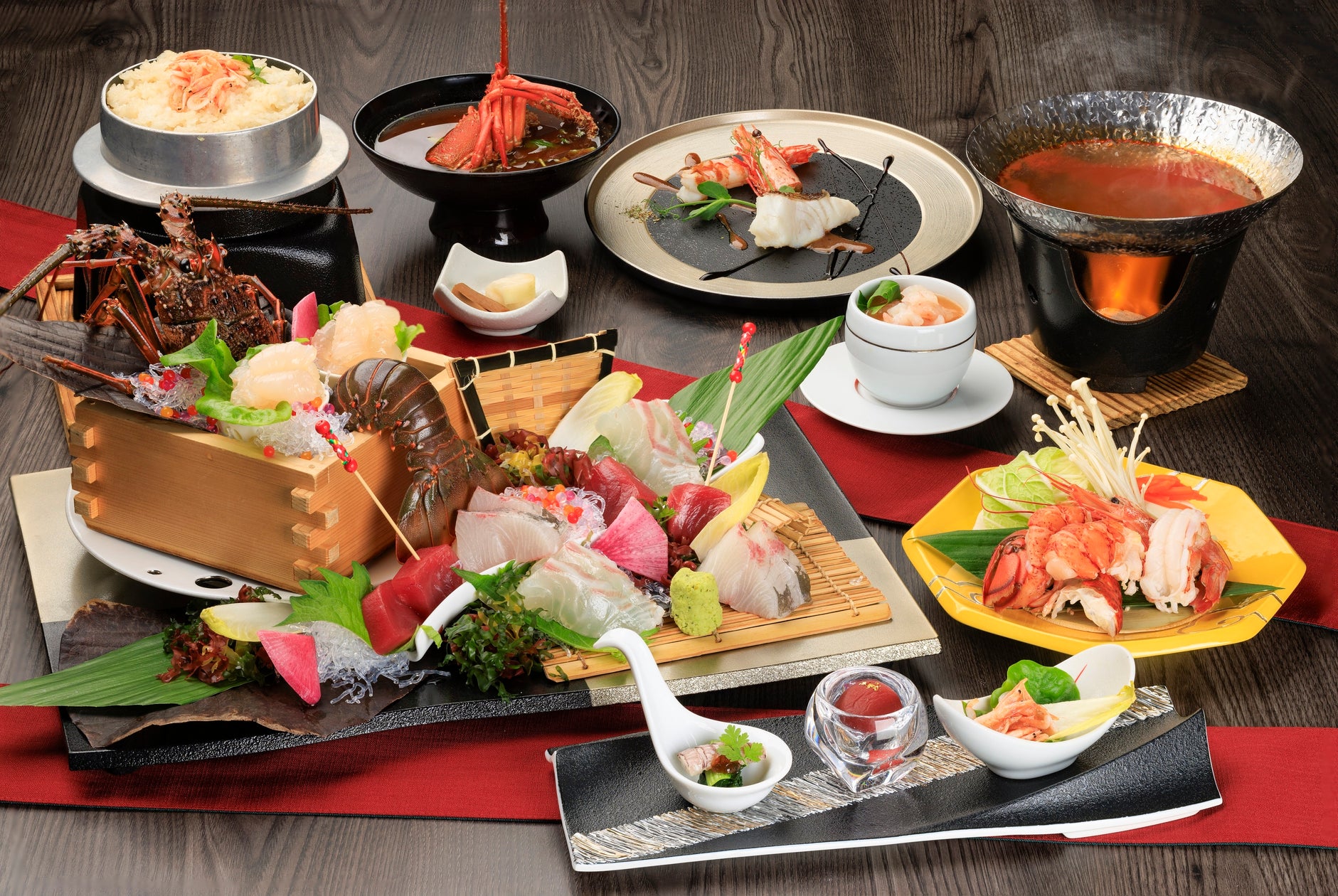
The surging retail value of coastal seafood has turned spiny lobster conservation into an urgent legal and ecological priority. At the same time, coastal municipalities are working to redirect public appetite away from illicit shore angling toward legitimate harbor tourism. As documented in a recent PR TIMES Report detailing regional culinary initiatives at Kyukamura Kishu Kada resort, Wakayama's coastal identity is deeply anchored in crustacean heritage, prompting local authorities to offer structured, legal interactions with the species while clamping down ruthlessly on rogue shore angling.
📌 Key Takeaways:
- Strict Legal Prohibition: Recreational catching of spiny lobster using rods, snares, spears, or hands is entirely illegal across Wakayama under prefectural fisheries rules and statutory ministerial concessions.
- Escalating Penalties: Revisions to Japan's Fisheries Act impose fines up to 30 million yen and maximum three-year prison sentences for non-licensed spiny lobster harvesting.
- Legitimate Alternatives: Harbor initiatives, such as Susami Port’s hands-on net-clearing events and Kada’s managed seafood dining, provide lawful avenues to experience the catch firsthand.
The Reefs of Kii: Why Wakayama's Rocky Coastline Attracts Covert Anglers
The nutrient-rich waters circulating through the Kii Channel, pushed by the warm Kuroshio Current, create prime habitat for spiny lobsters. The crustaceans thrive inside submerged boulder crevices, feeding nocturnally on mollusks and sea urchins. Because Ise ebi move into shallow tidal pools during autumn and spring spawning swells, opportunistic anglers attempt to target them from wave-cut platforms and harbor tetra-pods after dark.
Social media accounts and clandestine angling forums have repeatedly circulated rumors that rod-and-reel lobster fishing occupies a legal loophole. This assertion is false. Every square meter of rocky shoreline in Wakayama Prefecture is governed by specific fishing rights granted exclusively to local Fisheries Cooperative Associations (FCAs). Under prefectural administrative orders, spiny lobster qualifies as a designated Class 1 resource. Possession of lobster harvesting gear along the tideline immediately places recreational anglers outside the law, regardless of whether lines, hoop nets, or bare hands are used.
Behind the Crackdown: Penalties, Gyogyoken Rights, and the Revised Fisheries Act
Japan’s coastal enforcement posture hardened significantly following amendments to the national Fisheries Act (Gyogyōhō). The revision reclassified Ise ebi, sea cucumbers, and abalone as Specified Aquatic Animals and Plants. This designation targets both organized commercial poaching syndicates and individual recreational poachers seeking luxury seafood dinners.
Prefectural coastal patrols combine vehicle checkpoints along Route 42 with night-vision drone reconnaissance and maritime interceptors. Officers no longer issue polite verbal warnings. Under Article 132 of the Fisheries Act, harvesting these designated species without commercial authorization carries penalties of up to three years' imprisonment or fines up to 30 million yen (roughly $200,000 USD). This statutory fine applies equally to professional crime rings and casual anglers caught with a single lobster in a cooler bucket. For local fishery rights (Gyogyoken) violations outside the specific poaching designation, prefectural fisheries regulations still impose penalties up to 500,000 yen or six months in jail, with immediate seizure of tackle, watercraft, and diving gear.
Commercial Gill Nets Versus Recreational Angling Rules: The Regulatory Reality
The friction between commercial fishers and shoreline hobbyists stems from resource management. Commercial fishers do not pluck lobsters at will. They operate within rigid, self-regulated conservation frameworks. Wakayama's licensed fleet relies primarily on bottom gill nets (sashiami), deployed at sunset and hauled before dawn, subject to strict mesh-size requirements and regional biological resting windows.
| Fishery Classification | Legal Authority & Access | Authorized Capture Methods | Penalties for Violation |
|---|---|---|---|
| Licensed Commercial Fishery | Registered FCA members with valid regional permits | Regulated gill net harvesting; seasonal quota caps | Administrative license suspension; asset impoundment |
| Recreational Shore Angler | Public tidelines and harbors (general public) | Hook and line only (lobster harvest strictly excluded) | Up to 3 years in prison or fines reaching 30M yen |
| Nocturnal Skin Diver / Sneak Poacher | Unpermitted access across reefs and inner bays | Spearguns, hand collection, lights, wire snares (All Illegal) | Felony arrest, vehicle seizure, multi-million yen fines |
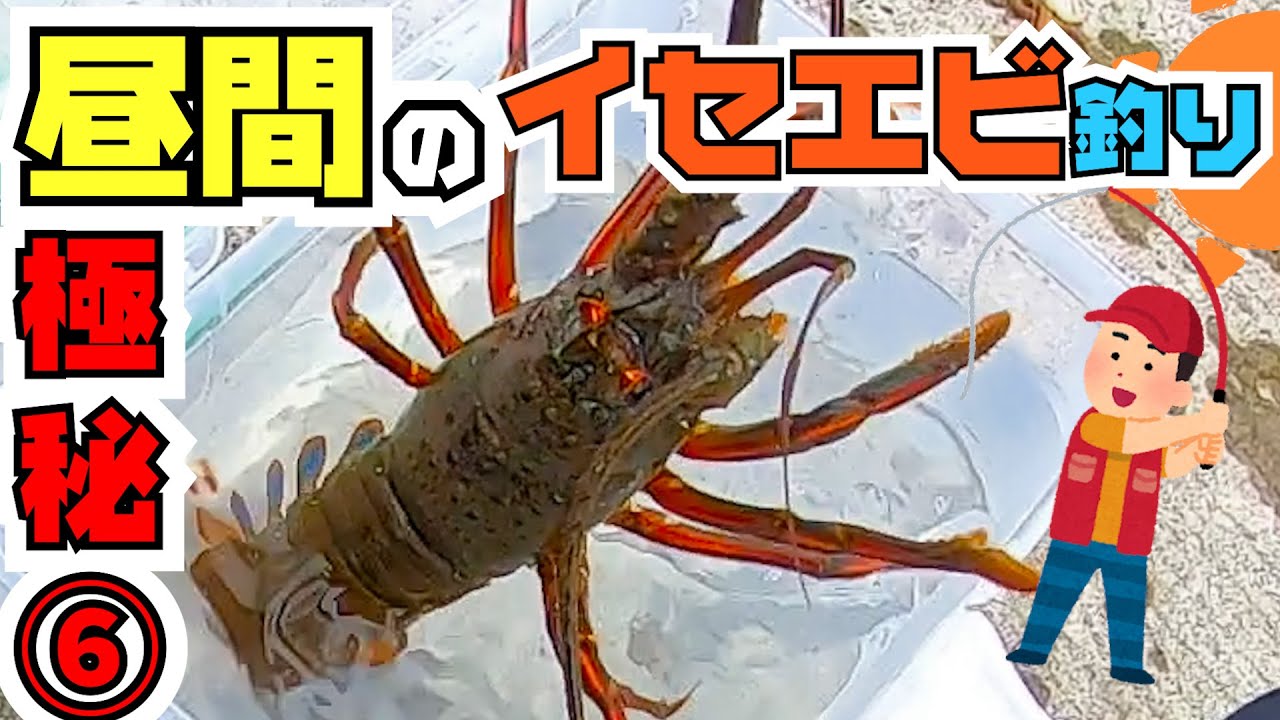
Recreational anglers are permitted to fish for finfish such as sea bream, rockfish, and horse mackerel using typical rod-and-line techniques. However, any spiny lobster hooked accidentally must be unhooked and returned to the water immediately. Keeping the specimen in a tackle bag, bait cooler, or livewell transforms an incidental catch into a prosecutable criminal offense under Wakayama's coastal policing doctrine.
From Shoreline Stings to Susami Port’s Hands-On Market
Rather than treating the public purely as an enforcement problem, towns in southern Wakayama have created regulated, educational ways for visitors to experience the harvest. In Susami, a town famed for its deep-water coastal shelves and rough offshore currents, the local government launched the "Gyoson Marche" (Fishing Village Market) at Susami Fishing Port.
As reported by regional news outlet Kii Minpo, the event offers visitors a direct look at the dawn routines of commercial fishing crews. Instead of illicitly chasing lobsters along dark breakwaters, travelers can participate in a hands-on lobster unnetting experience. Under the direct supervision of commercial netters, participants pull fresh spiny lobsters and reef fish directly from tangled gill nets brought in during morning hauls. The initiative demystifies the commercial fishery, supports the harbor economy, and channels tourism dollars directly to the town without damaging wild stocks through unmonitored poaching.
Culinary Reverence at Kada: Ashiaka Shrimp and Coastal Gastronomy
At the northern gateway to Wakayama, where the Kii Channel flows into Osaka Bay, the seaside town of Kada demonstrates how culinary traditions can thrive entirely within legal markets. Kyukamura Kishu Kada resort, led by General Manager Yoshimoto, has focused heavily on sustainable crustacean cuisine, highlighting the community’s deep cultural connection to shellfish.
The area is famous not only for spiny lobster but also for Ashiaka shrimp (Penaeus semisulcatus), a local species caught in the muddy sands of the bay. Kada's kitchens prepare seasonal spreads featuring eight distinct crustacean varieties, sourced through verified auctions and cooperative landings. Diners can experience the sweet, dense meat of legitimately harvested spiny lobster without threatening wild stocks through unregulated angling. This culinary infrastructure proves that the best way to enjoy Wakayama's marine wealth is through licensed harbor supply chains that keep the regional fishery viable.
Frequently Asked Questions (FAQ)
Can I legally catch spiny lobster with a rod and reel in Wakayama if I release small ones?
No. There is no legal size exception or catch-and-release allowance for unlicensed anglers. Taking spiny lobster by any recreational method, rod, line, snare, trap, or bare hand, is strictly prohibited under prefectural fisheries regulations and Japan's Fisheries Act.
What should I do if a spiny lobster accidentally takes my hook while bottom fishing?
You must unhook it gently and return it to the sea immediately. Retaining the lobster in a bucket, tackle box, or cooler constitutes illegal possession under Japanese maritime law and can lead to arrest and confiscation of your gear.
When do seasonal bans on spiny lobster harvesting take effect in Wakayama?
Prefectural closures generally run from early summer through early autumn, protecting lobsters during their primary spawning season. However, even when commercial fishing resumes in the autumn, recreational harvesting remains illegal year-round.
Navigating Wakayama's Coastline Responsibly
The tightening legal net around Wakayama's reefs sends a clear signal to anglers across Japan and abroad: marine resources are protected community assets, not open-access game. The era of casual coastal poaching is over. Rigorous enforcement by the Japan Coast Guard and local police forces guarantees that rogue shore angling will be met with immediate prosecution.
For those drawn to Wakayama’s exceptional maritime heritage, the path forward is simple and rewarding. Enjoy the world-class recreational angling for pelagic and reef fish that the Kii Channel legitimately offers. When it comes to spiny lobsters, leave the harvesting to the licensed gill netters. Support harbor markets like Susami, experience culinary traditions in Kada, and leave the night-time reefs undisturbed so these waters remain productive for decades to come.
