What Happens When Stung by a Caterpillar? Shocking Pain and Toxic Symptoms Explained
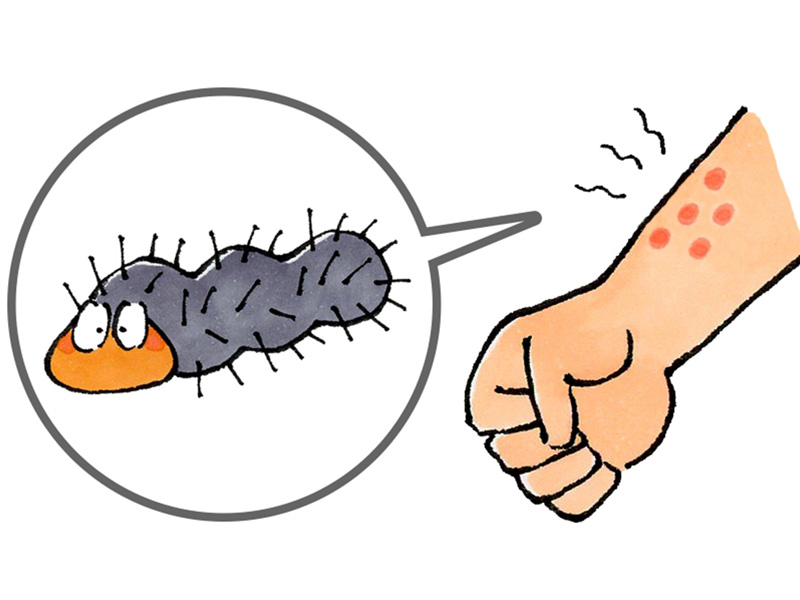
A casual afternoon tending a garden border or walking beneath shaded trees can unravel in a fraction of a second. Brushing against an innocent-looking branch delivers a sudden, agonizing jolt that victims often compare to an exposed electrical wire or a brand pressed against bare skin. As outdoor activities surge through late summer and autumn, clinicians see a sharp spike in envenomations from stinging caterpillars hidden on the undersides of leaves. According to a seasonal health warning detailed in a 楽天Infoseek Report, dermatologists at the Nomura Dermatology Clinic in Yokohama report that contact with toxic caterpillars frequently catches patients off guard, leaving behind fast-spreading rashes, intense burning pain, and complications that worsen if mishandled during the first critical minutes.
The culprits are not biting insects; they do not possess fangs or stingers like wasps. Instead, their entire defense system relies on microscopic chemical weaponry designed to punish predators and unsuspecting human passersby alike.
📌 Key Takeaways:
- The Direct Trauma: Venomous spines and setae puncture skin immediately on contact, breaking off to release complex cocktail toxins into the tissue.
- The Clinical Reaction: Localized symptoms progress from immediate burning to severe contact dermatitis, marked erythema, swelling, and fluid-filled blistering.
- The Critical Response: Scrubbing the sting site drives spines deeper; stripping the skin with adhesive tape and applying cold compresses stops continued toxin delivery.
The Microscopic Arsenal of Venomous Spines and Setae
Venomous caterpillars carry defensive physical structures divided into two primary categories: stiff, branching spines (scoli) and fine, hair-like fibers called setae. Beneath a microscope, these setae do not resemble soft animal hair. They are hollow, brittle needles composed of chitin, connected directly to specialized glandular cells at the caterpillar’s dermal base.
The moment a hand, neck, or ankle brushes against the insect, the mechanical pressure snaps the fragile tips of these spines. The shaft penetrates the stratum corneum, anchoring itself in the dermis. Once lodged, capillary action and tissue movement pump venom through the hollow core into living tissue. Because these structures detach completely from the caterpillar, they continue to discharge foreign proteins, histamines, and hemolytic compounds long after the caterpillar itself has dropped to the soil.
Attempting to slap or brush the caterpillar away with a bare hand multiplies the injury exponentially. Crushing the insect against your skin shatters hundreds of additional setae simultaneously, driving the hollow filaments across a broader surface area and intensifying the envenomation.
Why Caterpillar Envenomation Feels Like an Electric Shock
The sensation of a caterpillar sting differs fundamentally from a mosquito bite or a bee sting. Most bee stings produce sharp, localized puncture pain that plateaus quickly. A severe caterpillar sting, particularly from species armed with complex bio-toxins, produces a radiating, electric shock sensation that can travel up an entire limb within minutes.
This excruciating reaction stems from the venom chemistry. The fluids inside the glandular cells of stinging larvae contain a volatile mixture of enzymes, including hyaluronidase, proteases, and acetylcholine-like chemicals that directly depolarize peripheral nerve endings. Hyaluronidase breaks down hyaluronic acid in human connective tissue, dismantling the cellular barrier and allowing the inflammatory toxins to spread through the dermal matrix at high speed.
Simultaneously, massive quantities of histamine-releasing factors flood surrounding mast cells. The resulting neurogenic inflammation fires pain receptors repeatedly, creating a persistent, throbbing sensation that frequently causes throbbing pain in localized lymph nodes, such as those in the armpit or groin, within 30 to 45 minutes of contact.
| Caterpillar Species | Pain Profile & Latency | Primary Dermal Manifestations | Systemic Risk Level |
|---|---|---|---|
| Puss Caterpillar(Megalopyge opercularis) | Immediate, severe pain radiating up limb within 5, 15 minutes | Grid-like erythematous pattern, severe swelling, pustules | High (Nausea, vomiting, hypotension, respiratory distress) |
| Saddleback Caterpillar(Acharia stimulea) | Instant, acute burning sensation resembling a chemical burn | Circumscribed erythema, central blanching, persistent papules | Moderate (Regional lymphadenopathy, migraine-like headache) |
| Io Moth Larva(Automeris io) | Sharp pricking sensation followed by deep, dull throbbing | Pruritic wheals, mild blistering, extensive localized redness | Low to Moderate (Localized allergic flare, secondary infection) |
| Tea Tussock Moth(Euproctis pseudoconspersa) | Delayed itch and sting peaking between 12, 24 hours post-contact | Intense contact dermatitis, clustered red papules, severe pruritus | Low (Severe sleep disruption, high secondary infection risk) |
Clinical Progression: From Erythema to Severe Contact Dermatitis
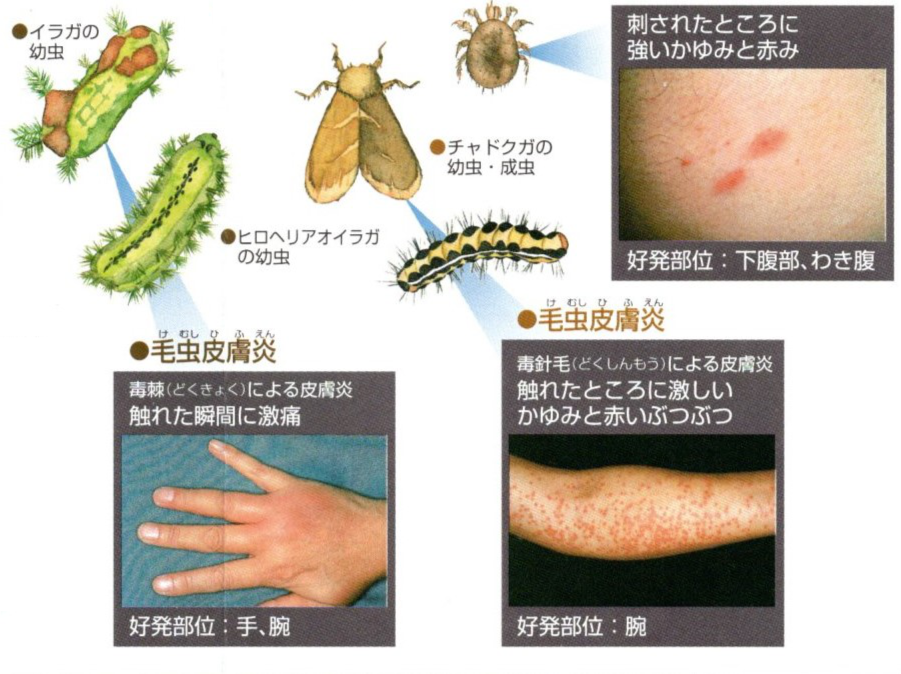
Once the initial sting subsides into a continuous ache, the cellular cascade begins. Within 10 to 30 minutes, the skin directly surrounding each puncture develops distinct erythema, bright red macules that often outline the exact physical shape of the insect.
Over the next 6 to 12 hours, plasma extravasation causes these red spots to swell into distinct urticarial wheals. Fluid accumulates beneath the epidermal layers, giving rise to vesicular blistering. For patients who brush against the puss caterpillar or saddleback caterpillar, this blistering can coalesce into significant bullae filled with serous fluid.
The itching that follows is maddening. Unlike minor insect bites that respond quickly to standard anti-itch lotions, caterpillar-induced contact dermatitis frequently persists for 7 to 14 days. Scratching the site breaks the vesicles, introducing common skin bacteria like Staphylococcus aureus or Streptococcus pyogenes, which turns an envenomation into a secondary bacterial cellulitis requiring systemic antibiotics.
Immediate Field First Aid and the Adhesive Tape Technique
The single most common mistake victims make after a sting is rubbing the area with a towel or flushing it vigorously with water while the spines remain embedded. Rubbing acts like sandpaper, snapping the micro-setae beneath the skin surface, making them impossible to remove manually while forcing residual venom deeper into the capillary beds.
Standard first aid requires a calm, deliberate physical removal process:
First, strip away the venomous spines using high-tack adhesive tape. Duct tape, packaging tape, or even cellophane tape should be gently pressed onto the affected area and lifted off smoothly. Repeat this motion across the envenomation field using a fresh piece of tape each time until no visible black, brown, or translucent fibers remain on the skin.
Second, wash the area thoroughly with cold water and gentle soap without applying aggressive pressure. Avoid hot water entirely, as thermal heat causes local vasodilation, increasing blood flow to the area and accelerating the systemic spread of venom enzymes.
Third, apply an ice pack wrapped in a clean cloth for **15-minute intervals** to construct a cold compress barrier that constricts local blood vessels and dampens nerve signaling. Over-the-counter topical hydrocortisone cream (1%) combined with oral antihistamines can help reduce early histaminic whealing, though dense envenomations often require clinical intervention.
Recognizing Systemic Allergic Responses and Anaphylaxis Risk
For most individuals, caterpillar envenomation remains a localized, albeit miserable, dermatological event. However, caterpillar venoms contain foreign polypeptides capable of provoking acute IgE-mediated hypersensitivity. A localized reaction shifts into a medical emergency the moment symptoms extend beyond the skin surface.
A systemic allergic response can manifest rapidly. Patients sensitive to these venoms may develop generalized urticaria (hives erupting across areas far from the sting site), persistent nausea, abdominal cramping, and vomiting. In severe reactions documented in emergency rooms, envenomations trigger bronchospasm, facial angioedema, lightheadedness, and systemic hypotension.
Anyone who develops wheezing, throat constriction, dizziness, or a feeling of impending collapse after contact with garden foliage requires immediate administration of intramuscular epinephrine and emergency transport. Furthermore, envenomations near the eyes demand immediate ophthalmological evaluation; caterpillar hairs that migrate into the cornea cause ophthalmia nodosa, a chronic inflammatory condition that can lead to permanent vision impairment if the spines are not surgically extracted.
Dermatologist Clinical Care and Medical Intervention Protocols
When localized swelling expands rapidly, or when over-the-counter remedies fail to control blistering and sleepless nights caused by intractable itching, professional medical care becomes essential. Dermatologists evaluate the depth of tissue involvement and assess whether retained spines have triggered a foreign-body granulomatous reaction.
Clinical intervention moves beyond basic antihistamines:
Physicians typically prescribe mid-to-high potency topical corticosteroids (such as triamcinolone acetonide 0.1% or clobetasol propionate 0.05%) applied under controlled conditions to suppress the intense dermal inflammation. If blistering is extensive or if the envenomation has triggered widespread contact dermatitis, clinicians may initiate a short, tapering course of oral prednisone to shut down the inflammatory cascade.
Pain management in the first 24 hours can also require clinical coordination. Severe puss caterpillar stings produce pain intense enough to mimic acute appendicitis or myocardial infarction depending on the sting location. In acute settings, doctors may utilize localized lidocaine infiltration, prescription analgesics, or topical anesthetic patches to break the excruciating pain feedback loop until the hemolytic toxins metabolize completely.
Frequently Asked Questions (FAQ)
Q1: How long do caterpillar sting symptoms typically last?
A1: Severe burning pain peaks within the first 1 to 2 hours and usually subsides to a dull ache after 12 hours. However, the resulting contact dermatitis, redness, and itching routinely persist for 5 to 14 days depending on individual skin sensitivity and the volume of venom delivered.
Q2: Can shed caterpillar cocoons or dead caterpillars still sting you?
A2: Yes. The venomous setae do not lose their chemical potency immediately when the caterpillar dies or undergoes pupation. Many species weave their defensive hairs directly into their cocoons. Brushing against old cocoons or handling dead specimens can drive active, toxin-laden spines straight into your skin.
Q3: Should you pop the blisters that appear after a sting?
A3: Never intentionally pop caterpillar sting blisters. The blister roof serves as a sterile biological dressing protecting raw, envenomated dermis underneath. Popping blisters exposes damaged tissue to opportunistic bacteria, significantly increasing the likelihood of secondary bacterial cellulitis and permanent scarring.
Navigating Outdoor Risks and Prevention
Encountering a venomous caterpillar does not require avoiding the outdoors, but it does demand basic awareness when working around favorite host plants like oaks, maples, fruit trees, and ornamental shrubs. Wearing long-sleeved canvas shirts, high-cuff leather work gloves, and wide-brimmed hats during late-summer pruning drastically cuts accidental contact rates. If you spot a hairy, brightly colored, or oddly shaped caterpillar on your clothing, never brush it away with a bare finger. Use a twig, leaf, or piece of paper to flick the insect away gently, preserving both your skin and your peace of mind.
