What to Wear to a Dai Hirai Live Show: The Ultimate Beach Festival Style Guide
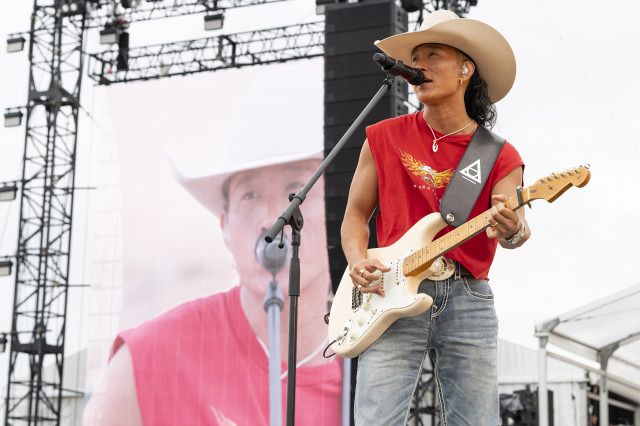
Standing on the shoreline of Makuhari Seaside Park with salt spray in the air and acoustic ukulele riffs rolling over the waves requires a wardrobe that balances breezy coastal aesthetics with rugged outdoor practicality. Singer-songwriter Dai Hirai has turned his signature open-air event, THE BEACH TRIP, into a summer staple since launching across Okinawa and Kanagawa in 2019. Yet seaside concert conditions remain notoriously volatile. The stark reality of coastal weather became unmistakable when organizers had to cancel the opening day of the festival on May 4, 2026 due to dangerous coastal gale-force winds, as detailed in an official Yahoo!ニュース Report. Two days later, roughly 40,000 attendees packed the sand under clear skies, proving that attending this gathering demands smart sartorial preparation.
📌 Quick Summary:
- The Essential Aesthetic: A relaxed aloha surf style fashion anchored by breathable linens, earthy earth tones, and vintage Americana elements.
- The Weather Factor: High coastal winds and reflective shoreline UV indices make windbreakers, polarized sunglasses, and packable rain gear non-negotiable.
- Footwear Reality: Deep, shifting sand ruins flat flip-flops and heavy leather sneakers; sport sandals with secure ankle straps or barefoot-friendly water shoes perform best.
Coastal Wind and Shifting Tides: Why Makuhari Demands Smart Layering
Makuhari Beach in Chiba sits directly exposed to Tokyo Bay. Temperatures swing wildly between direct midday sun and sudden, bone-chilling sea breezes after sunset. When gale warnings grounded the opening stage setups on May 4, 2026, they highlighted the intense meteorological shifts along the water. Planning a Dai Hirai concert outfit starts with managing wind shear rather than chasing heat alone.
Relying solely on a graphic tank top or light sundress invites shivering teeth the second the sun dips below the horizon. The standard move among veteran concertgoers centers on coastal windbreaker layering. Choose a featherweight, packable shell made from ripstop nylon with a DWR (durable water repellent) coating. Rolled tightly into a sling bag, it occupies almost no space during sweltering 28°C afternoons. When offshore winds kick up gusts past 15 meters per second during evening encores, that same outer layer traps body heat and shields against blowing sand.
Base layers require equal thought. High-humidity seaside air causes sweat to cling. Light slub cotton, natural linen blends, or technical moisture-wicking knits prevent fabric from sticking painfully to your skin. Avoid rigid denim and heavy synthetic fleece. Heavy textiles trap damp sea fog, stay wet for hours, and weigh you down on the long trek back to Kaihimmakuhari Station.
The Surf-Boho Aesthetic: Blending Aloha Vibes with Practical Festival Wear
Dai Hirai's music exists at the intersection of traditional Hawaiian slack-key melodies, Nashville roots, and modern Tokyo pop. The crowd reflects that exact sonic blend. Attendees lean heavily into a relaxed boho coastal aesthetic mixed with authentic aloha surf style fashion. Think washed-out earth tones, faded indigo, ecru crochet tops, vintage bandanas, and relaxed-fit camp-collar shirts.
Styling official tour merch forms the core of most crowd outfits. Dai Hirai official tour merch regularly highlights washed vintage tees, hand-drawn typography, and organic cotton pocket shirts. Pair an oversized tour tee with relaxed linen boardshorts or a tiered bohemian skirt. The silhouette should feel effortless, moving naturally with the sea air rather than clinging tightly.
Accessories complete the look while serving functional defensive roles. Wide-brim straw hats, vintage-tinted polarized sunglasses, and turquoise jewelry echo Hirai’s own onstage wardrobe. Tie a woven bandeau or bandana around your head to keep flying hair out of your eyes when winds sweep the shoreline. This detail keeps your view clear while anchoring your summer live concert dress code in authentic surf culture.
Footwear Strategy and Environmental Defense: Sand, Rain, and UV
Walking across soft sand for six consecutive hours strains stabilizer muscles in ways pavement never does. Regular rubber flip-flops slip off instantly, dig painfully into toe seams, and create tripping hazards in crowded standing blocks. Heavy fashion sneakers fill with granular debris within ten minutes, turning every step into an abrasive chore.
The right beach concert footwear for sand secures firmly behind the heel. Sport sandals featuring adjustable nylon webbing and contoured EVA midsoles from brands like Teva, Chaco, or Keen allow sand to wash straight through while giving you arch stability. Alternatively, neoprene water shoes or low-profile trail runners with breathable mesh keep feet protected if you prefer closed-toe coverage near the stage barriers.
| Gear Category | Recommended Selection | What to Leave Home |
|---|---|---|
| Footwear | Strapped sport sandals, neoprene slip-ons, trail runners | Thong flip-flops, high heels, canvas slip-ons |
| Outer Layer | Packable windbreaker, linen utility overshirt | Heavy denim jackets, unlined fleece coats |
| Sun Defense | UPF 50+ bucket hat with chin strap, polarized shades | Parasols (banned in crowds), loose fashion visors |
| Wet Weather | Breathable rain poncho, dry bags for valuables | Standard umbrellas (blocked by safety rules) |
Sun protection demands strict planning on the open beach. Coastal sand reflects roughly 15% to 20% of UV rays upward, doubling your radiation exposure. Broad-spectrum SPF 50+ sunscreen, a reliable UV sun protection hat sunglasses pairing, and sweat-resistant formulations protect exposed skin from severe burns. Hats must include an adjustable chin cord; wind gusts snatch loose fedoras and send them tumbling into the surf within seconds.

Essential Weather Preparation: Surviving Sudden Shoreline Squalls
Outdoor festival weather prep extends far beyond sunny expectations. Coastal bays generate microclimates where brief, torrential squalls form in minutes. Carrying a portable rain poncho festival kit keeps you warm and dry without blocking the view of fans behind you. Umbrellas remain strictly prohibited inside standing areas at Japanese outdoor venues due to the safety risks posed by metal ribs in dense, moving crowds.
Choose an emergency poncho made of ripstop polyurethane rather than paper-thin emergency foil wraps that shred under coastal winds. Keep phone batteries, transit cards, and backup cash sealed inside an airtight IPX8 waterproof pouch. Once wet sand works its way into mobile charging ports, devices shut down, cutting off access to digital event tickets and transport apps.
Hydration plays an equally critical role. The combination of salt air, direct sun, and constant wind dehydrates the body far quicker than city concerts. Bringing insulated stainless flasks filled with electrolyte-rich water keeps fluids cold despite hours under the sun. Hydration packs with sealed bite valves also work well, keeping sand away from your drinking water.
Navigating the Beach Grounds: Gear Management and Transit Rules
Moving between the stage zone, food truck stalls, and public transit hubs requires a pack that does not swing wildly or bump neighboring concertgoers. Large rolling suitcases and rigid frame backpacks create gridlock along boardwalks and are typically banned from venue grounds. A compact 15- to 20-liter dry bag backpack or an ergonomic crossbody sling provides the right balance of gear storage and personal mobility.
Pack a lightweight microfiber towel and a pack of baby wipes. Before boarding the JR Keiyo Line back into central Tokyo, stepping into the washroom to wipe sticky saltwater and abrasive sand off your ankles, arms, and feet makes the commute far more tolerable. Bringing a spare pair of lightweight ankle socks to slip into for the train ride home provides instant relief to tired feet.
Respect venue regulations regarding open flame, beach umbrellas, and personal shade tents. While day campers often pitch pop-up shelters in designated general-access park zones, performance areas prohibit non-essential gear. Keeping your kit minimal ensures fast movement between acoustic sets, merchandise queues, and seaside food vendors.
Frequently Asked Questions (FAQ)
Q1: Are parasols or umbrellas allowed inside the stage viewing area?
A1: No. Japanese outdoor beach festivals, including THE BEACH TRIP, strictly ban open parasols and umbrellas within viewing blocks to avoid blocking sightlines and injuring surrounding attendees during gusty weather. Rely instead on a wide-brim UV-rated hat with a chin strap and a packable poncho.
Q2: Can I wear standard flip-flops or leather sneakers to Makuhari Beach?
A2: Both create problems. Flip-flops get sucked into deep sand, break easily, and provide zero support during standing sets. Leather sneakers trap heat and fill with coarse sand that ruins the inner lining. Opt for sport sandals with ankle straps or breathable slip-on water shoes.
Q3: How cold does it actually get after the sun goes down?
A3: Early summer coastal temperatures regularly drop 6°C to 10°C once dusk settles, and open ocean winds amplify that chill significantly. Carrying a light windbreaker or a hooded nylon shell prevents sudden hypothermia after hours of sweating in the afternoon heat.
Looking Ahead: The Coastal Concert Wardrobe Blueprint
Attending a live performance by Dai Hirai celebrates open skies, laid-back island culture, and communal joy. Dressing for the occasion requires respecting the ocean's unpredictable nature just as much as matching its easygoing surf style. When you pair breathable boho foundations with protective wind layers, secure sand-ready footwear, and diligent UV defense, you can lose yourself entirely in the music, unaffected by whatever coastal elements roll across the shore.
