When Are School Classes Actually Decided? Former Teachers Reveal the Secret January Timeline
When Are School Classes Actually Decided? Former Teachers Reveal the January Timeline
Every spring across Japan and international schooling systems, parents and students wait anxiously for the April class rosters to appear on bulletin boards. Most families assume that teachers quickly shuffle names during the brief spring break, right before the opening ceremonies. The real process starts much earlier. As detailed in a revelatory livedoor ニュース report featuring former educator Sugiyama, faculty members begin drafting new student rosters as early as January, long before report cards are finalized.
Behind the closed doors of staff rooms, constructing the next academic year’s rosters is one of the most politically sensitive, mathematically complex responsibilities teachers shoulder. Far from being a random draw or a last-minute chore, the school class assignment timeline involves months of confidential roster decisions, psychological profiling, and behavioral friction checks that alter both student trajectories and teacher workloads.
📌 Quick Summary:
- The Real Timeline: Rough roster blueprints are drafted in mid-January, refined through February, and locked down by early March before spring break transfers.
- Core Sorting Rules: Placement depends on balancing academic performance, behavioral friction, athletic ability, special needs support, and parental relationship histories.
- The Final Variable: Homeroom teacher assignments are not paired with student groups until late March or April 1, preventing staff from hand-picking their favorite students.
The January Draft Planning Phase Inside the Teachers' Room
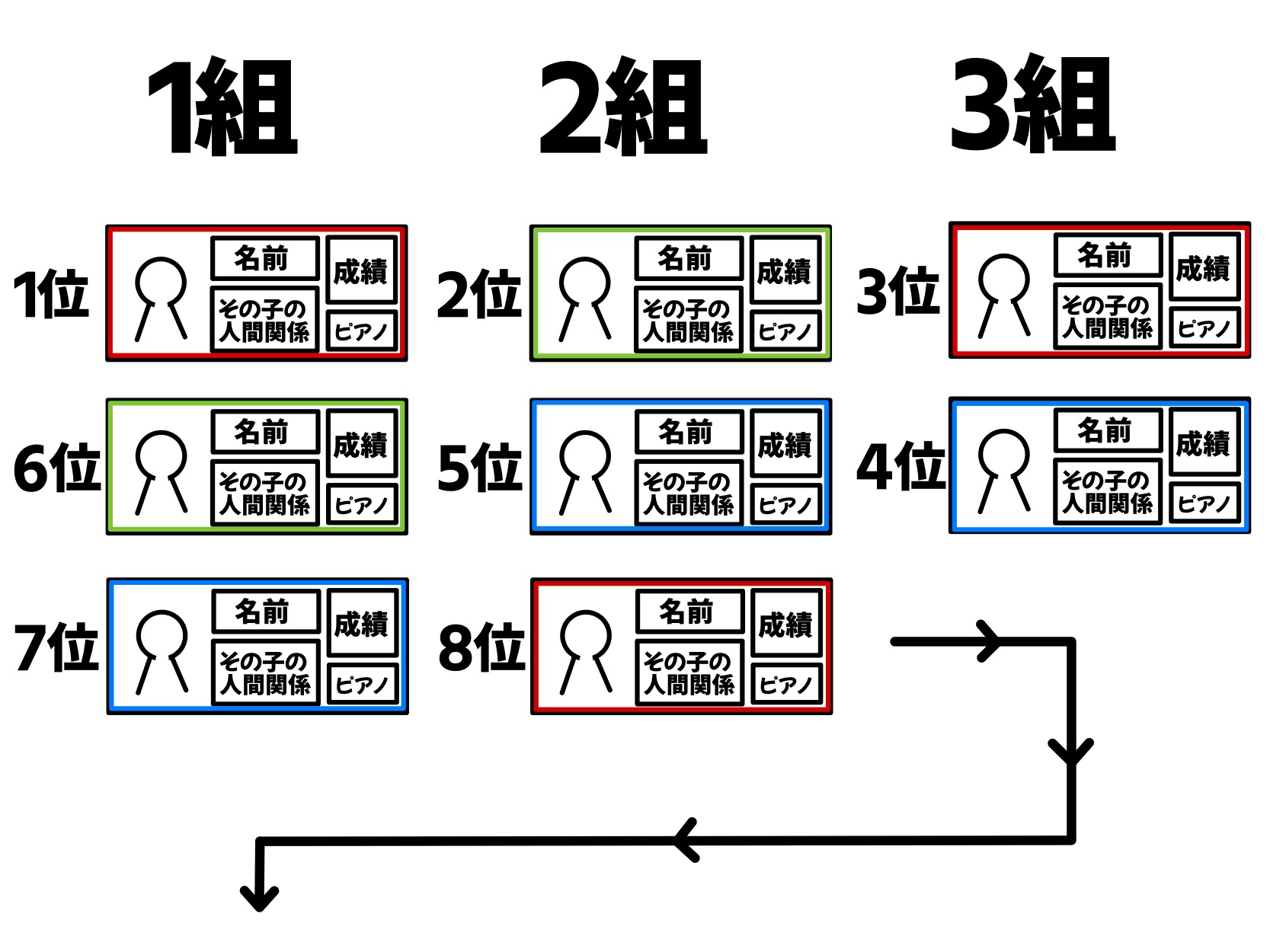
The machinery of class reshuffling kicks into gear right after the winter break. In mid-January, current grade-level teachers assemble for their initial planning sessions. Each educator brings detailed dossiers tracking every pupil in their charge. These files record grades, social dynamics, leadership potential, athletic benchmarks, and documented interpersonal clashes.
By late January, teachers build draft groupings using color-coded index cards or internal grading spreadsheets. The objective is to assemble balanced clusters without attaching an instructor's name to any specific room. As preschool and kindergarten educators reported to Yahoo! Japan in early 2026, January is marked by a quiet, collective nervousness among staff. While regular school days appear normal on the surface, staff members are already wrestling with next year's operational blueprint.
Faculty members divide students into rough tiers. Academic performers are distributed evenly to prevent one classroom from outstripping another on standardized evaluations. Students requiring individualized behavioral support or frequent intervention are tagged, ensuring no single section shoulders an excessive management burden. By the time February arrives, the structural skeletons of these future classes are already largely fixed.
Hidden Balancing Factors: Beyond Academic Marks and Sports Days
Parents often suspect that schools group children solely to separate disruptive friends or balance boy-girl ratios. While gender parity is foundational, elementary school class organization and preschool class placements rely on far more intricate social calculations.
Teachers evaluate social friction with surgical care. If two children experienced severe bullying or chronic behavioral disputes in October, administrative guidelines mandate their separation across different rooms for the following academic year. Siblings, cousins, and children of active parent-teacher association (PTA) officers also undergo intentional dispersal to maintain administrative equilibrium across homerooms.
Piano accompaniment skills represent another surprising variable. Schools require capable pianists for choral festivals, school anthems, and graduation ceremonies held throughout the year. If a grade level features only three accomplished pianists across four anticipated classes, teachers must strategically redistribute students so that each room possesses the musical talent needed for formal assemblies. Similar rules apply to track-and-field stars to keep autumn Sports Day competitions evenly matched.
The Complete Spring Administrative Timeline
The shift from early drafts to published rosters follows a rigid sequence governed by municipal education boards and internal school administration schedules. The following breakdown illustrates how schools navigate this months-long operation:
| Phase & Date Window | Key Administrative Actions | Confidentiality & Staff Impact |
|---|---|---|
| Phase 1: Mid, Late January | Current homeroom teachers compile student data; initial index card drafts assembled. | Strict internal grade-level secrecy; student balancing criteria established. |
| Phase 2: Early, Mid February | Cross-grade cross-checks; adjustments made for special education and social friction. | School counselors, vice principals, and subject specialists review drafts. |
| Phase 3: Late February, Early March | Final faculty meeting deliberations; administrative approval by the principal. | Rosters are locked down; changes permitted only for sudden student moves. |
| Phase 4: Late March, April 1 | Teacher transfer announcements public; principal pairs teachers with finalized groups. | Teachers finally learn their assigned classes; maximum institutional lockdown. |
| Phase 5: April 5, 8 | Class lists posted publicly on campus bulletin boards on opening ceremony morning. | Information released to students, parents, and community members. |
Why the Homeroom Teacher Assignment Happens Last
One structural safeguard surprises most parents: the teachers who construct the student rosters do not know which class they will manage. Principals enforce this firewall to eliminate personal bias. If an instructor knew they were teaching Class 3-A, they might naturally maneuver easier students into that section while pushing demanding personalities toward their colleagues.
Municipal personnel transfers add an extra layer of operational complexity. In public school networks, teacher relocations between different districts are not finalized until mid-March and remain confidential until late March. A school principal might know they are losing three veteran instructors, but they cannot confirm incoming replacements until regional education boards publish official personnel orders.
Between March 25 and April 1, the school leadership finally pairs teachers with classrooms. Principals match faculty strengths with group dynamics. A class containing several strong-willed personalities or students working through trauma will typically be matched with an experienced, authoritative mentor rather than a first-year hire. Conversely, a group with balanced temperaments and strong academic habits might be paired with an early-career educator finding their footing.
Sudden Relocations and the Chaos of Spring Break
The most precarious period for school administrators occurs during the final two weeks of March. Corporate transfer season triggers unexpected family moves across the country. A single transfer can derail weeks of careful planning.
If an elementary school grade sits right at the statutory class-size boundary, for example, where 71 students mandate two classes of 35 and 36, but a 70th student drops the requirement down to two smaller cohorts, a single late moving notice can dissolve an entire classroom section. While Japanese public education targets 35-student limits in elementary cohorts, unexpected withdrawals force vice principals to redraw boundaries with little notice.
When an unexpected move occurs in late March, the grade-level team holds an emergency session. If a child leaving the school was designated as the sole pianist or a primary conflict stabilizer for their group, the teachers cannot simply ignore the vacancy. They must execute targeted student swaps between classes to restore equilibrium, all while keeping the revisions under complete wrap.
Frequently Asked Questions (FAQ)
Q1: Can parents request their child to be placed with a specific friend or teacher?
A1: Generally, public schools reject direct parental requests for specific teachers or friend groupings to preserve institutional equity. Exceptions occur under documented medical, psychological, or bullying circumstances confirmed by counselors, where separating or pairing specific students is clinically necessary for student safety.
Q2: When is the absolute deadline for class rosters to be finalized?
A2: Student rosters are substantively locked by the end of February. Minor modifications occur throughout March due to unexpected student enrollments or withdrawals, but the overall group structure is rarely altered after mid-March.
Q3: How do schools handle incoming first graders who have no school record?
A3: For elementary first graders, schools rely heavily on transition surveys sent by local kindergartens and daycare centers in January and February. Brief health screenings conducted in the previous autumn also supply preliminary behavioral and developmental data.
Navigating School Transitions
Understanding that class assignments are established months ahead of time demystifies the spring transition for families. When students see their new classroom rosters in April, they are looking at the culmination of a four-month balancing act designed by teachers who evaluated every academic, social, and emotional dynamic long before spring vacation arrived.
Recognizing the care behind these assignments helps students adapt to unfamiliar environments. Disappointments over being separated from close peers usually fade when families realize that changes are intentional choices aimed at personal growth and grade-wide balance. Rather than a rushed roll of the dice, the final list represents a carefully structured foundation built to serve the entire student body through the year ahead.
